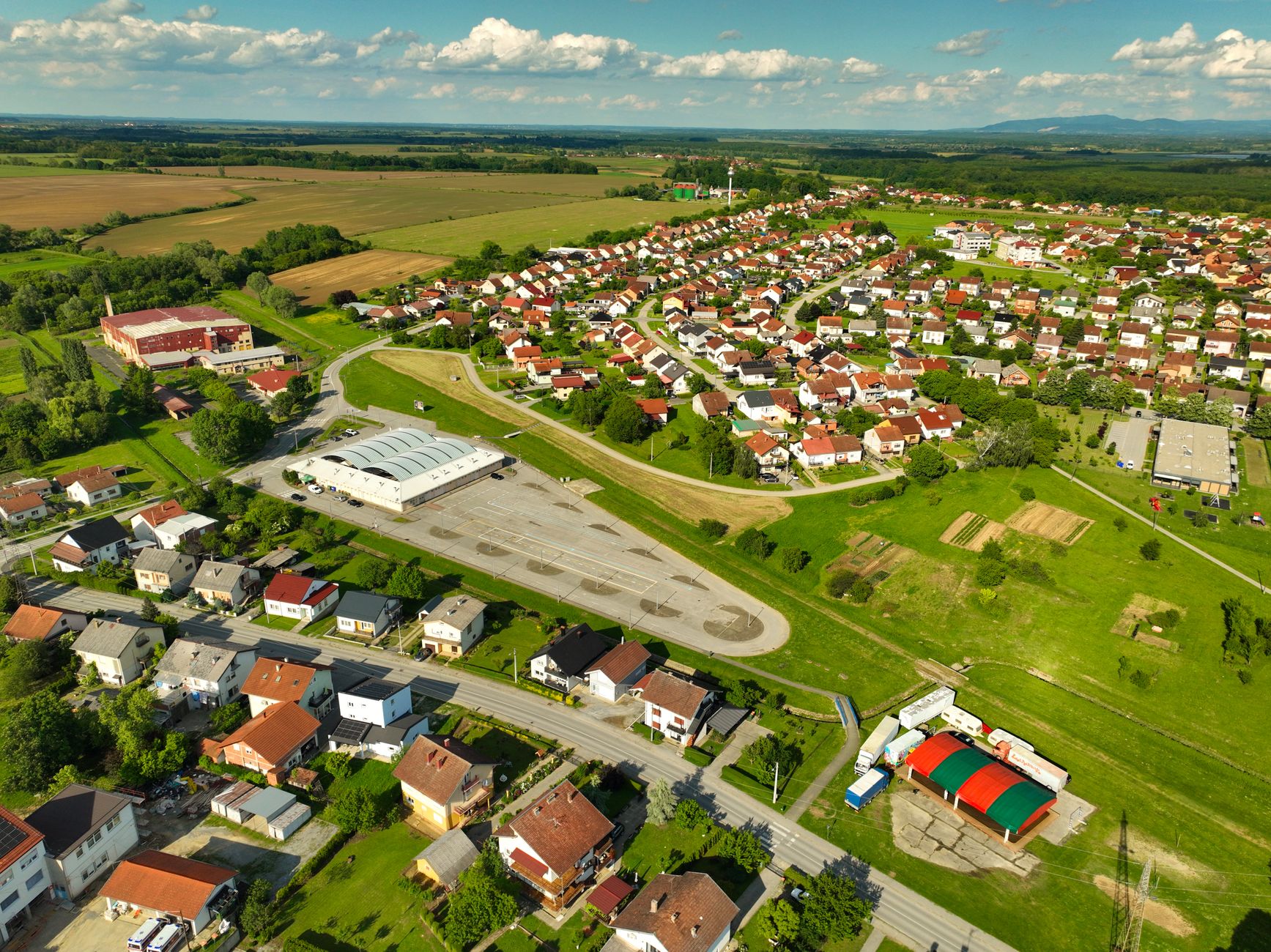

Located in the eastern sector of the capital region, the municipality of Sesvete represents one of the most unique transitions between the sprawling city and the agrarian landscape of Croatia. With a population exceeding fifty-five thousand, this enclave combines the dynamics of a rapidly expanding commuter suburb with the survival of deep-rooted traditions in its surrounding hills. Far from the monumental bustle of Zagreb’s historic center, walking through Sesvete offers a chance to observe how residential modernity coexists with old parish churches, family orchards, and a network of local paths descending from forested foothills toward the plain.
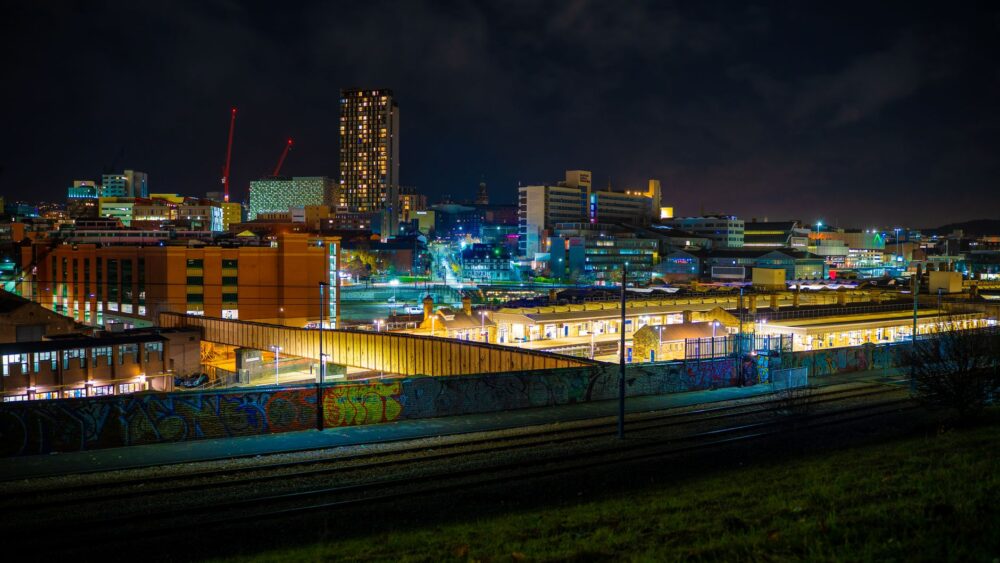
The current urban layout reflects decades of sustained demographic growth, transforming what were once scattered farming villages into a connected yet heterogeneous fabric. Railway accessibility and arterial roads structure the daily movement of thousands of people who cross this geographical threshold every day. However, moving away from the main avenues, the pace changes radically. Pedestrian paths and secondary streets reveal a human scale where traditional gable-roofed architecture blends with contemporary residential buildings, highlighting an identity in constant redefinition.
Historic Fabric and Religious Heritage in Sesvete
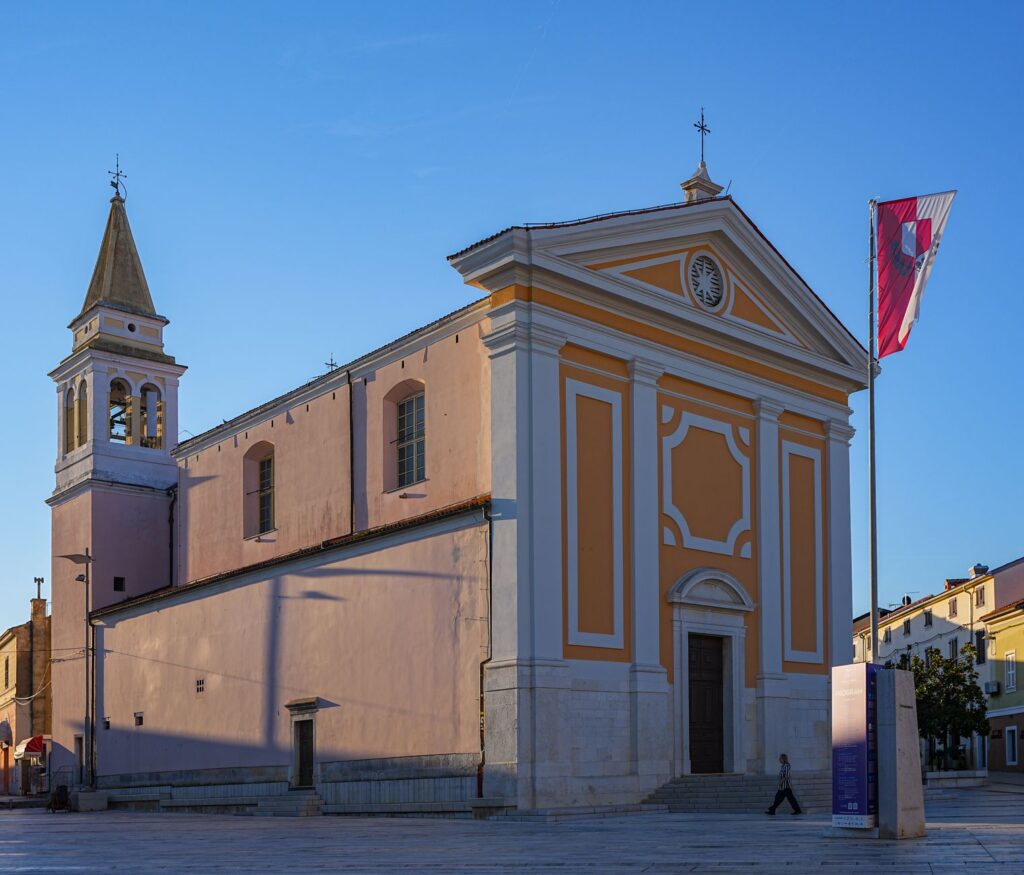
The historic heart of the locality revolves around its old core, where religious architecture marks a deep temporal anchor. The church dedicated to All Saints, which gives the place its name, has witnessed centuries of social and territorial transformation. Its current structure preserves elements that narrate the evolution of the community from the days when this region formed part of minor trade and ecclesiastical routes within the county of Zagreb. The care of these spaces does not stem from a strategy of mass tourism, but from the daily maintenance carried out by local residents as part of their shared heritage.
A few steps from the main temple, traces of traditional rural architecture appear in old wooden barns and single-story dwellings with interior courtyards. These architectural elements help explain how community life was organized before the arrival of industrialization and subsequent functional absorption by the neighboring metropolis. Local historians note that Sesvete’s resilience lies precisely in its capacity to absorb new population groups without entirely erasing the traces of its agrarian past, visible in small urban gardens still cultivated against party walls.
Local Transport and Connectivity on the Metropolitan Edge
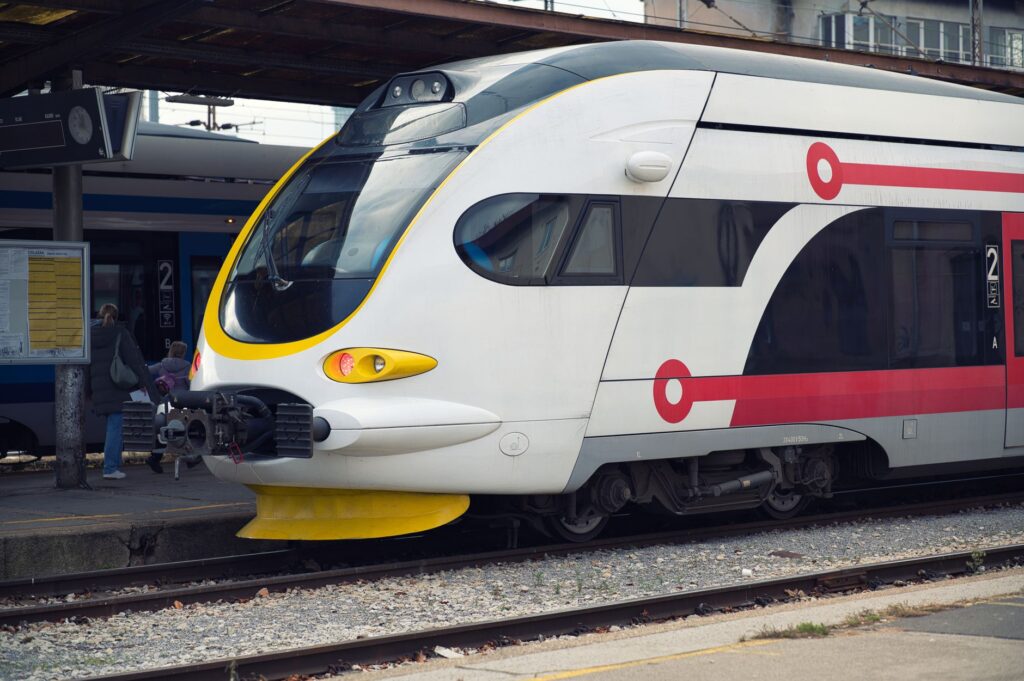
Mobility is one of the fundamental axes explaining the daily functioning of Sesvete. The local railway station constitutes the vital link connecting this district to the Croatian transport network, facilitating commuter travel to central Zagreb in a matter of minutes. Urban buses complement this offer, linking outlying residential areas with commercial and educational nodes in the zone. For visitors wishing to explore the territory on foot or by bicycle, understanding this public transport network is the first step to moving with autonomy and respect for local dynamics.
Local authorities and resident associations have promoted initiatives to improve bike lanes and pedestrian access, seeking to reduce private car dependency on short trips. This focus on more sustainable mobility translates into streets where cyclists share space with pedestrians with relative tranquility. Walking through residential areas allows visitors to appreciate the integration of small squares and pocket green spaces, designed so that inhabitants have open-air socialization areas just meters from their front doors.
Life in the Hills and Contact with Nature
To the north, the terrain rises gently toward the slopes of the Ivanšćica hills and the foothills bordering the Sava valley. This rugged geography offers a green, quiet counterpoint to the asphalt of the plain. The paths crossing the hills are flanked by family vineyards, small orchards, and leafy deciduous forests that change color with the seasons. Here, the relationship with nature is direct and forms part of residents’ weekend leisure, as they frequent these routes for walking, running, or simply seeking a pause away from urban rhythms.
The conservation of these natural spaces is a priority for local communities, who organize volunteer clean-up days and trail maintenance. Unlike large Croatian national parks, these peripheral hills offer a proximity ecotourism experience, where local fauna and wild flora unfold without artifice. Respect for private property boundaries and attention to existing signage guarantee harmonious coexistence between hikers and the owners of agricultural lands spreading across the slopes.
The value of a peripheral territory does not lie in exceptional monuments, but in the authenticity of its daily fabric and the quiet memory kept within its streets.
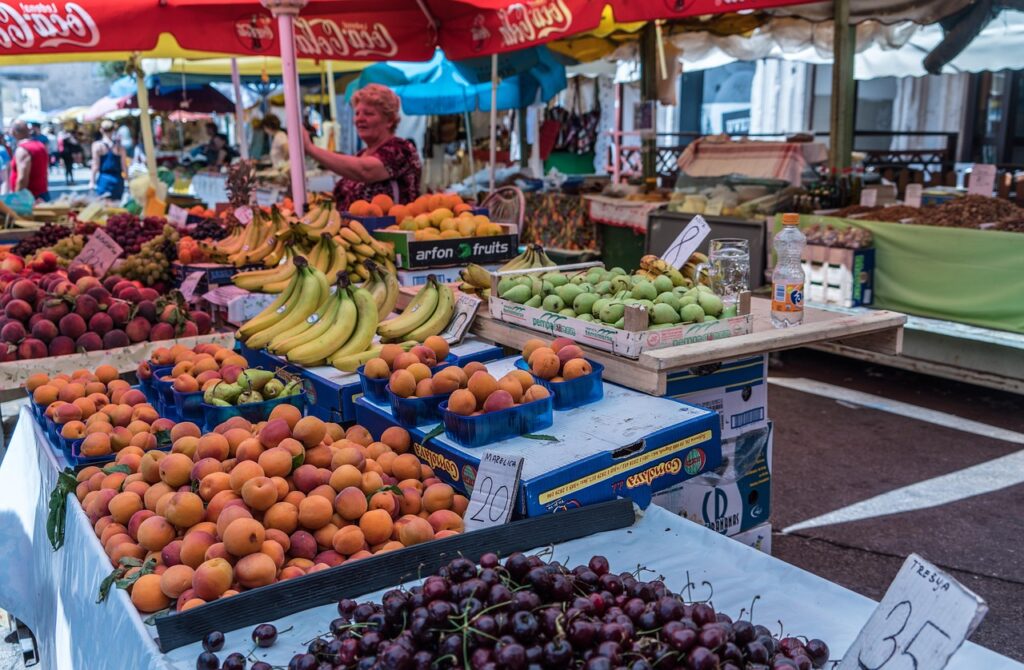
Sesvete’s commercial fabric is concentrated in both traditional local markets and small neighborhood shops that have resisted the competition of large shopping centers. Approaching stalls of vegetables, cheeses, and artisanal products reveals the flavors of this region of Croatia, where the influence of continental cuisine mixes with family recipes passed down through generations. The friendliness of shopkeepers and the absence of rush encourage unhurried conversation, an increasingly scarce asset in conventional tourist circuits.
This direct link between producer and consumer strengthens the local economy and guarantees a sustainable culinary offering with transparent traceability. For those visiting the area, sitting down to try a traditional dish at a family-run tavern is a way to connect with the material culture of the place. Far from sophisticated menus, Sesvete’s cuisine is defined by honesty, heartiness, and its ability to bring families together around the table on holidays and patron saint celebrations.
Responsible Relationship with Local Communities
Traveling or walking through Sesvete requires an attitude of respect toward its condition as an inhabited, dynamic space not designed exclusively for tourist consumption. Local residents appreciate visitors who show genuine curiosity about their history and customs while respecting the privacy of residential neighborhoods and the work rhythm of those who live there. Adopting responsible tourism practices—such as using public transport, shopping locally, and managing waste properly—helps ensure outsider arrivals are perceived as a positive exchange rather than an disruption.
Cultural associations and community centers play a crucial role in preserving this harmony, organizing open events, exhibitions, and workshops where visitors can learn about local traditions without interfering in daily life. This balance between openness and preservation is Sesvete’s greatest asset, proving it is possible to explore destinations off the beaten path while keeping everyday dignity intact.
Practical guide
- Getting there: Regular trains from Zagreb’s central station (Glavni kolodvor) connect to Sesvete in approximately fifteen minutes. Multiple urban bus lines also link both points.
- Local transport: The best way to explore the center and residential areas is on foot or by bicycle. For traveling to the hills and more distant peripheral areas, using local bus lines is highly recommended.
- When to go: Spring and autumn offer optimal temperatures for walking the hills and enjoying open-air markets without summer heat.
- Accommodation: Privately managed tourist apartments and small family-run guesthouses predominate, ideal for an independent and quiet stay.
- Recommended gastronomy: Try traditional soups, artisanal cured meats, and white wines produced in small plots across the surrounding hills.
- Responsible tip: Respect neighborhood quiet hours and stick strictly to authorized paths within protected natural areas in the hills.
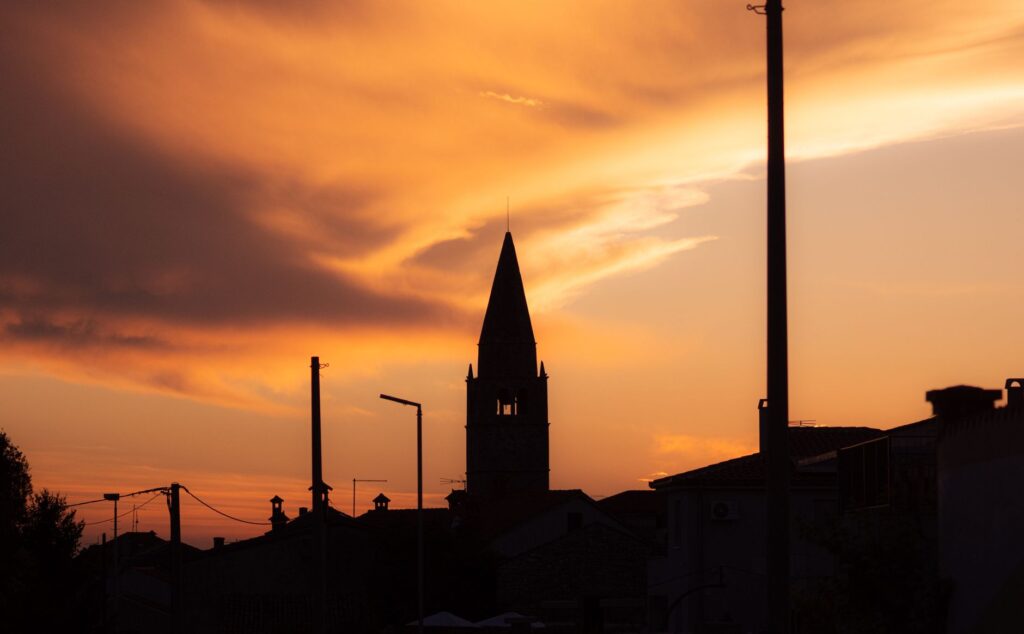
As dusk falls, golden light washes over the rooftops of Sesvete while the distant echo of the commuter train recalls the proximity of the big city. In this corner where asphalt turns into a trail, the journey concludes not with the astonishment of the monumental, but with the stillness of having understood an authentic fragment of contemporary Croatian life.