The Oceanographic Geography of New Zealand’s East Coast
Situated on the easternmost edge of New Zealand’s North Island, the region of Gisborne and its eponymous town rise facing the vast expanse of the Pacific Ocean. This coastal enclave is characterized by a dynamic shoreline where open waters shape daily routines and define the conditions for any nautical activity. With a population hovering around thirty-eight thousand residents, the municipality serves as the administrative and cultural capital of a territory known ancestrally as Te Tai Rāwhiti, the coast where the sun first reaches the country each morning.
The marine environment of Gisborne is no passive backdrop, but a complex system governed by constant interactions between wind, tide, and underwater topography. Navigators venturing into its bays and inlets must contend with an oceanic climate capable of shifting rapidly. Littoral currents, fed by high and low-pressure systems circulating through the Tasman Sea and the South Pacific, generate persistent swells washing golden sand and gravel beaches. Understanding these patterns remains essential for any rigorous approach to maritime adventure in the area.
Maori Heritage and the Ancestral Relationship with the Sea
The relationship between humanity and water in Gisborne traces its roots back centuries of Maori history. The earliest Polynesian vessels touching these shores, including those of the great traditional migrations, found natural harbours in the protected bays after weeks of ocean voyaging. Oral tradition and the cultural heritage of local tribes preserve a profound understanding of sea behavior, lunar phases, and the migratory cycles of marine species, a legacy continuing to live within contemporary coastal resource management.

Local communities practice the concept of kaitiakitanga, understood as guardianship and environmental protection of the territory and the marine realm. This traditional worldview establishes that human beings do not own the ocean, but serve as responsible stewards for future generations. In practice, this translates into strict norms of respect toward marine reserves, the seasonal closure of certain species, and the preservation of estuaries and wetlands flowing into the Pacific, ensuring human activity coexists harmoniously with local biodiversity.
The deep ancestral ties binding the indigenous population to the waters of New Zealand are further reflected in traditional navigation techniques. Long before modern instruments guided seafarers across the ocean, star paths, wave patterns, and the behaviour of seabirds served as reliable compasses. Today, this priceless heritage is integrated into educational programs and community initiatives, ensuring that younger generations appreciate the delicate balance required to inhabit a coastal region exposed to the elements.
Marine Meteorology and Navigation Safety
Planning a trip out to sea in Gisborne requires rigorous analysis of weather reports. Unlike inland seas or sheltered gulfs, New Zealand’s eastern coast receives the direct impact of trade winds and polar fronts moving up from Antarctica. These air masses trigger abrupt shifts in wind direction, transforming a calm morning into a choppy sea within a few hours. Marine rescue services and harbourmasters insist on checking official bulletins before casting off.
Nautical safety in this region rests on three pillars: understanding tides, respecting the operational limits of each vessel, and carrying certified communication equipment. Local harbour entrances and estuaries feature shifting sandbars where waves can break violently upon meeting outgoing tidal currents. Experienced skippers recommend extreme caution during spring tides, when the volume of displaced water significantly increases the strength of flow and ebb in channels.

Respect for the ocean in Gisborne stems from the certainty that maritime weather dictates the rhythm of coastal life, demanding constant preparation and attention to environmental cues.
Furthermore, maintaining constant radio watch and keeping emergency gear in optimal condition are mandatory practices for anyone venturing beyond the sheltered confines of the local port. Local maritime authorities regularly update safety warnings regarding unpredictable swells and underwater hazards common along the coastline of New Zealand.
Marine Ecosystems and Littoral Biodiversity
The waters washing Gisborne harbor a rich variety of ecosystems, ranging from giant kelp forests to rocky reefs inhabited by benthic fish and marine mammals. These habitats play a fundamental role in mitigating wave energy, protecting the coastline against severe erosion. Environmental monitoring programs coordinated by scientific agencies and local authorities continuously assess the health of these underwater communities, detecting potential alterations driven by climate change or fishing pressure.
Among the fauna frequenting these waters are several species of cetaceans and endemic seabirds utilizing cliffs and minor islands as nesting and resting zones. Responsible observation of this wildlife is regulated through strict rules prohibiting excessive vessel approach to marine mammal groups, ensuring nautical and recreational tourism does not interfere with natural feeding and breeding patterns.
Subtidal rocky reefs also provide essential shelter for numerous invertebrate species, creating a complex food web that sustains larger predatory fish. Preserving these habitats requires ongoing vigilance against pollutants and sedimentation running off from nearby river catchments, reinforcing the need for integrated watershed and marine management across the wider region.
Nautical Infrastructure and Port Services
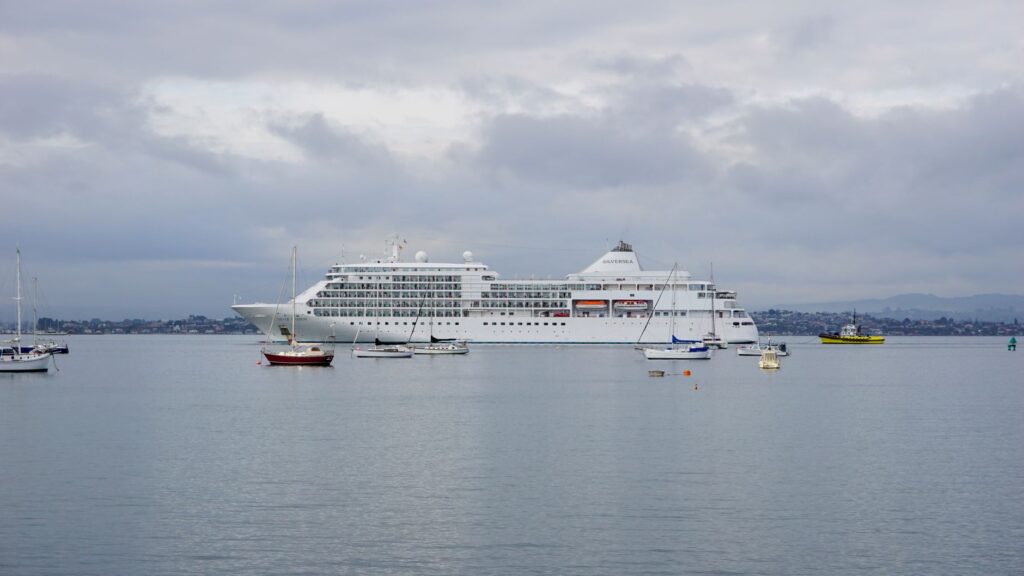
Gisborne’s port functions as a core node for commercial activity as well as nautical recreation. Equipped with operational docks, cranes, and provisioning services, the port precinct offers technical support to fishing fleets and offshore sailors traversing the east coast of the North Island. Facility management prioritizes operational efficiency without neglecting environmental standards, implementing control systems for waste management and bilge water treatment.

For recreational sailing enthusiasts, infrastructure includes boat ramps suitable for different tidal conditions, alongside safe anchorage areas in surrounding protected bays. Local services provide up-to-date information on navigation channel depths and notices to mariners issued by national maritime authorities, facilitating a safe and orderly stopover for those choosing this destination as a departure point or passage stage.
Maintenance facilities and local chandleries offer essential supplies for vessels undertaking extended coastal voyages, making the port a reliable waypoint for travelers exploring the maritime routes of New Zealand. Cooperation between local authorities and sailing clubs ensures that harbor facilities remain well-maintained and accessible to all ocean-going visitors.
Conservation and Sustainable Management of Beaches
Conserving Gisborne’s beaches constitutes an environmental and social priority. Coastal erosion, accentuated by extreme weather events and variability in tributary river flows, represents a constant challenge for urban planners and regional authorities. To counteract these effects, strategies based on restoring natural dune systems through planting native species such as pingao have been implemented, fixing sand and dampening wave impact.
Likewise, educational campaigns directed at residents and visitors promote plastic waste reduction and responsible use of littoral areas. Citizen participation in beach cleanup days reflects collective commitment to preserving a clean marine environment, cementing Gisborne as a benchmark in integrated coastal zone management within the island context of the Pacific.
Long-term planning also incorporates sea-level rise projections, guiding coastal zoning laws and infrastructure placement to protect vulnerable properties and habitats from future inundation. Through these proactive measures, the community strives to maintain the ecological integrity and aesthetic value of its coastal margins.
Practical Guide
- How to get there: Gisborne features regular domestic air connections from major hubs in New Zealand, alongside coach routes and well-maintained national highway access.
- Best time for sailing: The warmer months of the southern summer, from December to February, generally offer the most stable conditions, though mariners must remain vigilant year-round.
- Water safety: Checking harbormaster advisories, monitoring tidal tables, and carrying approved personal flotation devices are mandatory precautions for all craft.
- Environmental regulations: Discharging waste into coastal waters is strictly prohibited, and visitors must respect marine reserves and approach limits for protected wildlife.
- Accommodation and services: The town provides a broad range of lodgings, authorized camping sites, and official visitor information centers.
The Oceanic Horizon as a Permanent Legacy
Exploring the maritime environment of Gisborne demonstrates that ocean adventures demand knowledge, prudence, and profound respect for natural laws. Far from being a mere recreational backdrop, the sea remains a living element shaping local identity and requiring continual adaptation. Grounded in robust conservation management and a culture celebrating its seafaring history, this corner of New Zealand faces the future by balancing responsible exploration with the protection of its exceptional coastal heritage.