


The Peaks That Embrace the Colombian East
In the department of Santander, along the western flank of the Eastern Cordillera of the Andes, lies a territory where mountainous geography defines both the landscape and daily life. Floridablanca, situated at a mean elevation of around 928 meters above sea level in its more accessible zones while climbing rapidly toward higher relief formations, stands as a transition point between inter-Andean valleys and elevated plateaus. This Colombian municipality concentrates a complex web of rocky folds, canyons carved by water currents, and slopes preserving native vegetation patches of high ecological value.
The geological configuration of this region responds to secular tectonic processes that have given rise to soils composed of marine and continental sediments, subsequently shaped by erosion and the constant action of the tropical mountain climate. These rock formations not only recount the deep history of the Earth but also act as the foundation upon which diverse microclimates rest. As one ascends from the valley floor toward the upper zones, the temperature gradually drops, allowing the coexistence of plant species adapted to the humidity and solar radiation characteristic of tropical high plateaus.
Understanding this environment requires looking beyond the urbanized surface and delving into the ecological corridors connecting rural areas with the surrounding summits. The mountains of Floridablanca function as a biodiversity refuge where endemic birds, small mammals, and wild flora adapted to steep slopes converge. The conservation of these natural spaces has become a priority for scientists and local communities, who are well aware that hydrological balance and slope stability depend directly on the protection of the original plant cover.
High-Altitude Ecosystems and Andean Biodiversity
The Andean forests and shrub formations blanketing the foothills of Floridablanca harbor a subtle yet complex biological richness. In these slope habitats, the interaction between morning fog and the forest floor generates a constant moisture cycle that nourishes ferns, epiphytes, and native trees. Each plant stratum fulfills a specific function within the trophic web, offering food and shelter to pollinators, migratory birds, and resident fauna that find a propitious space for survival in these green corridors.
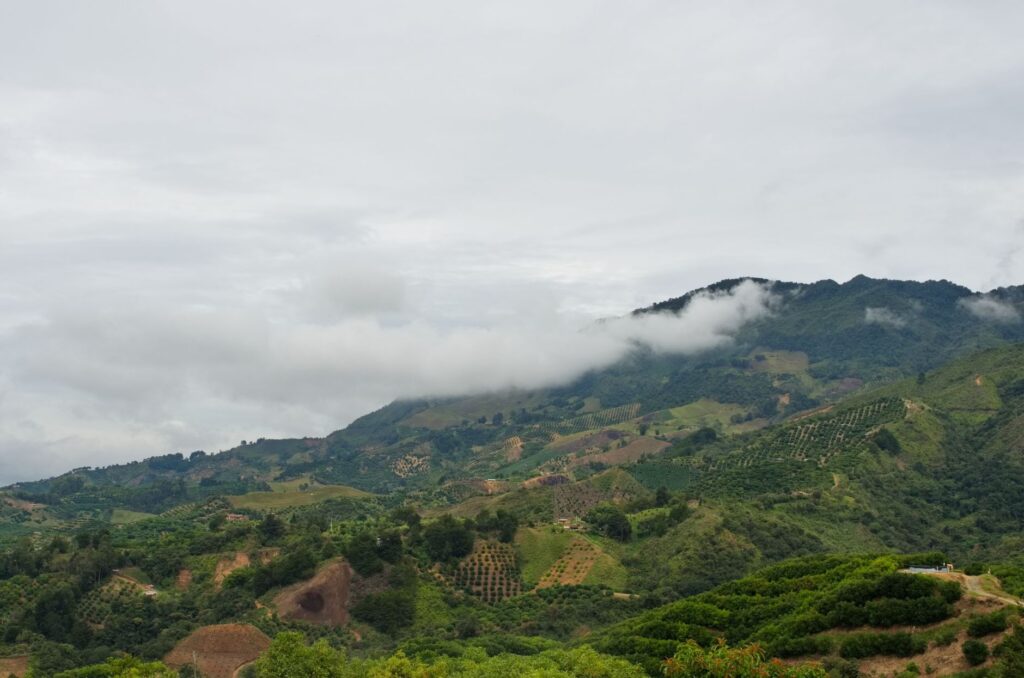
Unlike flat ecosystems, Andean mountains impose severe demands on their inhabitants due to steep topography and daily thermal variation. Plants at these altitudes have developed defense mechanisms against high ultraviolet radiation and excessive water loss, while fauna has honed movement habits to bypass chasms and terrain gradients. This dynamic turns the ecosystems of Floridablanca into an authentic natural laboratory for studying biological adaptation in the face of anthropogenic pressure.
The stability of mountain communities lies in recognizing that every slope and every spring forms part of an interconnected system that tolerates no excessive intervention without showing signs of wear.
The monitoring of local flora and fauna reveals the presence of indicator species whose population health reflects the general state of the ecosystem. Protecting these green enclaves involves regulating human activities that fragment the territory and promoting land-use practices that respect critical slopes. Scientific research in the area provides valuable data to design environmental management strategies that mitigate erosion effects and ensure the long-term persistence of biodiversity.

Geology and the Modeling of the Santander Relief
The geological substrate of Floridablanca is the result of millions of years of tectonic and sedimentary activity. The geological faults crossing the region have fractured the rocks, facilitating rainwater infiltration and the formation of subterranean aquifers feeding local streams. This shaping of the relief is by no means a static process; on the contrary, minor landslides and sediment transport during intense rainfall seasons recall the living and shifting nature of the cordillera.
Geologists studying the area highlight the diversity of present lithologies, ranging from sandstones to mudstones and fluvial conglomerates. Each rock type responds differently to weathering, generating particular soil profiles that condition agricultural use and slope stability. In zones with steep gradients, historical deforestation has increased the risk of mass wasting, underscoring the urgency of maintaining a dense plant cover acting as a natural terrain anchor.
Likewise, cartography of these geographic features helps identify essential hydrological recharge zones critical for regional water supply. The water flowing through the ravines and streams of Floridablanca not only sustains wild habitats but plays a fundamental role in the municipality’s socioeconomic dynamics. Guarding the geological and morphological integrity of the mountain is therefore an indispensable condition for the territory’s future viability.
Safety, Prevention, and Risk Management in Slope Zones
Visiting or inhabiting the mountainous regions of Floridablanca demands deep respect for the physical conditions of the environment and rigorous attention to safety protocols. The rugged topography, combined with seasonal rainfall regimes, generates scenarios where the risk of landslides and sudden stream surges must be constantly monitored by local authorities and risk management agencies.
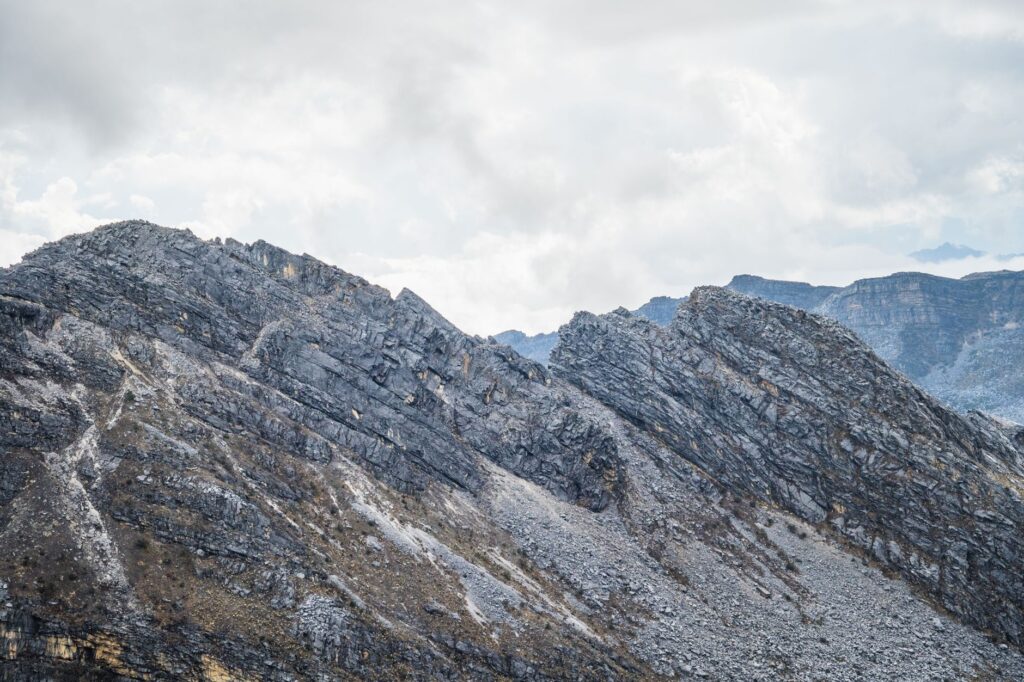
For hikers and nature enthusiasts exploring the high-altitude trails, prevention begins with prior consultation of weather bulletins and trail conditions. Mountain tropical storms can transform a peaceful path into a hazardous route within minutes due to surface runoff. Therefore, visitors are advised to always wear appropriate footwear, avoid unauthorized shortcuts that accelerate soil erosion, and strictly heed warning signs issued by local emergency committees.
Municipal institutions have developed early warning systems and contingency plans aimed at protecting both urban populations located on the mountain skirts and casual visitors. Environmental education plays a crucial role in this realm, fostering a culture of self-protection and civic responsibility. Understanding that the mountain possesses its own physical laws is the best guarantee to enjoy its beauty without exposing oneself to unnecessary perils.
Climatic Seasons and the Seasonal Pulse of the Relief
The climate in Floridablanca is heavily influenced by its tropical location and altitudinal gradient. Throughout the year, the precipitation regime is generally divided into rainy periods and times of greater sunshine, although the mountainous relief can generate local microclimates where conditions shift from one valley to another. This seasonal alternation sets the biological rhythm of vegetation and conditions the best temporal windows for exploration and nature tourism.
During the dry season, spanning the months of lower precipitation, mountain trails offer optimal transit conditions, facilitating access to natural viewpoints and geological formations of interest. However, this period also increases the risk of forest fires due to dry leaf litter and direct solar radiation. Conversely, the rainy season transforms the landscape with an explosion of greenery and the renewed flow of streams, though it requires extreme caution given the temporary instability of clay soils.

Respectful observation of climatic cycles allows us to understand that each season provides a distinct perspective on the territory, revealing the resilience capacity of Andean ecosystems against environmental variability.
Planning a visit or fieldwork assignment in this Santander municipality requires tuning into these seasonal dynamics. Ecology experts recommend adapting activities to rainfall behavior and avoiding travel through fragile zones during intense winter peaks, thus protecting moisture-saturated soils and reducing human impact on flora in full regeneration phase.
Community Conservation and Natural Heritage
The preservation of Floridablanca’s natural heritage does not rest solely on governmental regulations, but significantly on the active participation of its communities. Rural landowners, environmental collectives, and community action boards have driven local initiatives to protect water springs, reforest degraded areas with native species, and establish voluntary conservation agreements on farms and private properties located in slope zones.

These community actions demonstrate that defending the mountain is a collective endeavor transcending the boundaries of national parks or official reserves. By involving inhabitants in valuing their own environment, a sense of belonging is fostered that discourages harmful practices such as indiscriminate brush burning or disordered urban expansion over ecologically fragile terrain. The exchange of traditional knowledge with modern technical expertise has allowed the development of community nurseries dedicated to propagating endemic trees.
The recognition of this natural heritage also opens opportunities for conscious, low-impact ecotourism. By educating visitors on soil fragility and the importance of leaving local fauna undisturbed, local communities generate complementary income that incentivizes long-term conservation. Thus, the cordilleran landscape consolidates not merely as a scenic resource, but as a living legacy deserving to be passed on intact to future generations.
Practical guide
- How to get there: The main access to Floridablanca is by road from the neighboring city of Bucaramanga, capital of Santander department, which is connected in turn to the country’s major air terminals.
- When to go: Months with lower precipitation offer the most stable conditions for hiking mountain trails, though the rainy season showcases the Andean vegetation in its utmost splendor with due precautions.
- What to bring: Breathable clothing suitable for sloped hikes, mountain footwear with good grip, sun protection, a light raincoat, and a reusable water bottle to stay hydrated.
- Rules of conduct: Disposing of waste, lighting fires in unauthorized areas, extracting plant species, or disturbing local wildlife during excursions is strictly prohibited.
- Health and safety: Maintaining a steady pace to prevent fatigue in high-altitude zones, carrying a basic first aid kit, and always checking trail conditions before setting out are essential practices.
The mountainous skyline of Floridablanca bids farewell with the imposing silhouette of its ridges cut against the Andean sky, a perennial reminder that the greatness of these lands lies in their delicate geological and biological balance. Caring for every trail and every water source in this region ensures that the Eastern Cordillera keeps its green memory alive and its capacity to inspire awe for those who visit with respect and sensitivity.


