


The Geography of the Valley and the Foundational Layout
Located in south-central Chile, Concepción stands as the nerve center of its namesake province and the eighth administrative region. Its setting, shaped by the dynamics of the Biobío River and surrounding hills, defines an urban landscape where the river floodplain meets the breeze of the Pacific Ocean. Unlike other colonial settlements in the country, this city has had to reinvent itself continuously due to the seismic movements that have shaken its history, forcing a rethinking of its architecture and urban fabric without losing the solidity of its origins.
The grid layout, designed with symmetrical blocks, provides intuitive navigation for those walking its streets. From the Plaza de la Independencia, the civic heart and daily meeting point, the main arteries display active commerce and institutional buildings that reflect the regional capital’s administrative character. Here, daily routine unfolds amid the passage of pedestrians, benches shaded by long-lived trees, and the murmur of a community maintaining its urban customs without the urgency of major metropolises. Visitors strolling through the core can observe how urban life adapts harmoniously to the natural topography, with every corner revealing a blend of historical resilience and everyday routines.
University Heritage and Intellectual Life
One of the great pillars of the penquista identity is its academic tradition. The central campus of the University of Concepción, conceived as a park open to the community, represents a unique architectural and landscape milestone in the country. Its vast green areas, wooded pathways, and modern buildings integrate art and knowledge into the daily lives of its residents. Visitors can freely explore its spaces, admire iconic murals, and understand how higher education has shaped the city’s cultural pulse over decades.
This intellectual atmosphere translates into a steady supply of independent bookstores, neighborhood cafés, and cultural centers where students, artists, and lifelong residents converge. Local rock music and folklore find a permanent voice in these corners, establishing Concepción as an inescapable reference for artistic creation in Chile. Walking through these sectors reveals a deep sense of belonging, where pride in intellectual heritage is naturally shared with any visitor willing to listen. The integration of public art within open academic spaces fosters a continuous dialogue between the university and the broader community, ensuring that cultural expression remains accessible to everyone.
Markets and Flavors of the River Tradition
The city’s relationship with its natural surroundings is clearly manifested in its food markets, spaces where local gastronomy takes center stage. Within these enclosures, the culinary offerings reflect the abundance of nearby agricultural valleys and the neighboring coast. Traditional dishes such as congrio eel chowder, clay-oven empanadas, and stews prepared with seasonal legumes form part of an honest cuisine rooted in the products of the land and sea.
Penquista cuisine seeks no artifice; it relies on the quality of local ingredients and recipes passed down without pretense from generation to generation.
Vendors welcome buyers with a hospitable warmth that invites unhurried conversation. Wandering the aisles of these markets provides an understanding of the community’s economic and social rhythm, far from standardized commercial circuits. Each stall reflects Chilean biodiversity and the daily effort of farmers and fishers supplying the Biobío capital. By engaging directly with local purveyors, visitors gain a genuine appreciation for the agricultural and maritime wealth that sustains regional traditions year-round.
Green Spaces and Urban Lungs
To grasp Concepción’s human scale, one must pause at its parks and peri-urban natural reserves. Parque Ecuador, situated at the foot of Cerro Caracol, functions as a large green corridor that dampens urban noise and offers a recreational space for families, athletes, and walkers. Its shaded trails allow gentle ascents toward natural viewpoints overlooking the breadth of the valley and the silhouette of bridges crossing the river.
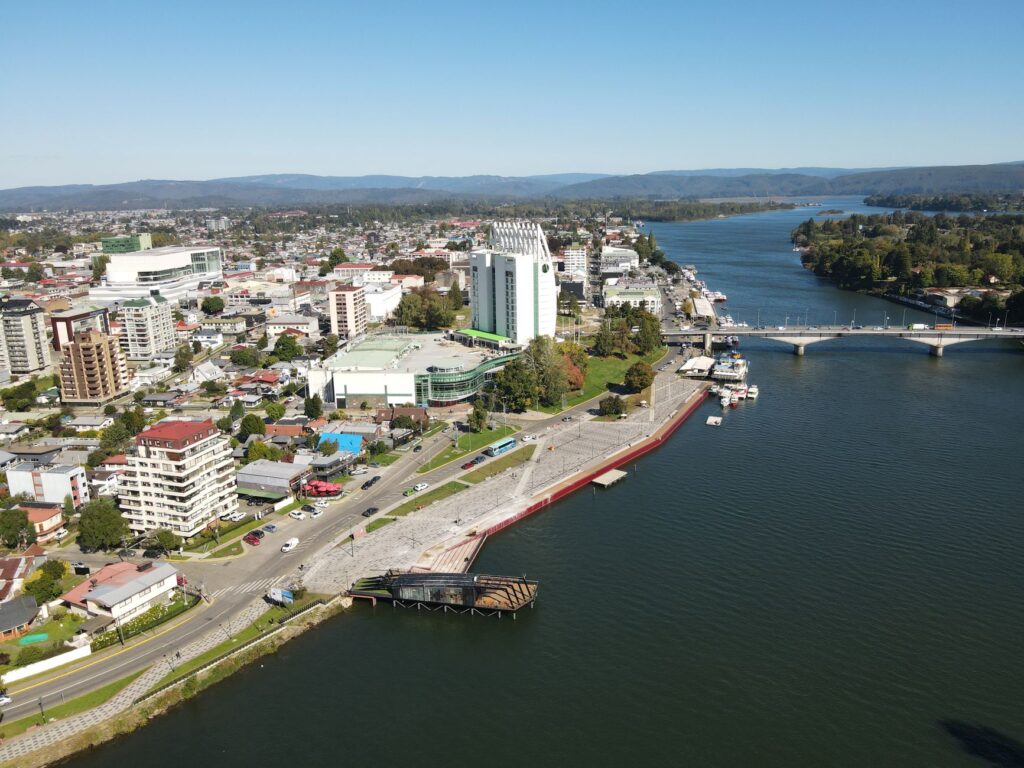
The balance between urban development and the conservation of natural spaces defines the quality of life that residents defend on a daily basis.
Likewise, proximity to protected urban wetlands adds a fundamental ecological layer to the territory. These aquatic ecosystems host diverse birdlife and remind visitors of the environmental richness and fragility surrounding the urban fabric. Visiting these natural sanctuaries with respect and in silence offers a reflective pause within any travel itinerary, highlighting the importance of urban conservation efforts in maintaining local biodiversity and ecological health.
Modern Architecture and Resilient Memory
Architectural reconstruction following earthquakes has given Concepción a singular visage, where continuous-façade townhouses coexist with contemporary structures. Secondary squares, pedestrian walkways, and underground shopping arcades form a network that invigorates citizen circulation. This functional urbanism prioritizes walking and the use of public space as sites of democratic coexistence.
Traditional residential neighborhoods, such as the Lomas de Colorados sector or the surroundings of former social clubs, showcase mid-20th-century residential architecture worthy of careful observation. Wooden moldings, open front gardens, and cared-for entryways recount an era of industrial and port prosperity that left an indelible mark on the inhabitants’ character. Exploring these quieter streets allows observers to appreciate the architectural evolution of the city beyond its main commercial arteries.
Responsible Tourism and Neighborhood Coexistence
Concepción’s rise as a cultural and natural destination demands reflection on responsible travel practices. Unlike overcrowded enclaves, visitors here are invited to integrate into the local dynamic without disrupting it. Using public transport, shopping in neighborhood stores, and respecting neighborhood quiet hours are basic premises for a harmonious experience.
Local authorities and neighborhood associations promote walking routes that encourage fair trade and the valorization of tangible and intangible heritage. Thus, tourism acts as a motor for conservation rather than a factor of wear and tear, allowing penquista authenticity to remain intact for future generations of travelers and residents. Conscious travel choices ensure that the local community retains its distinct character while welcoming those interested in its unique cultural landscape.
Practical guide
How to get there: Carriel Sur International Airport connects Concepción with Santiago de Chile via short daily flights. Regular long-distance bus services also operate from the national capital to the penquista bus terminal.

When to travel: Spring and summer months (November to March) offer milder temperatures and lower rainfall, ideal for exploring parks and the nearby coastal area. Winter brings frequent rains but a very genuine local atmosphere.
Where to stay: The historical center and the surroundings of the university campus concentrate the largest hotel offering, ranging from family-run guesthouses to functional hotels well connected to the transport network.
Getting around: The urban bus network and local taxis make getting around easy. Much of the historical center can be comfortably explored on foot due to its wide sidewalks and flat layout.
Recommended gastronomy: Be sure to try fresh fish and seafood at local markets, as well as kneaded bread (pan amasado) and traditional Chilean pastries in downtown cafés.
Code of conduct: Respect protected natural spaces such as urban wetlands, maintain silence in residential areas, and support local commerce to ensure sustainable tourism.
Health and safety: Concepción features a comprehensive hospital network and duty pharmacies distributed across all neighborhoods. As in any large urban center, basic caution with personal belongings is recommended in crowded areas.
Epilogue by the Biobío River
At dusk, golden light illuminates the bridges uniting Concepción with San Pedro de la Paz, reflecting in the broad, flowing waters of the Biobío River. On the riverbank, the horizon widens as the last rays of sunlight bid farewell to a day of unhurried rhythm. Here, where history is tenaciously rebuilt and daily life flows without pretense, the city invites travelers to pause, observe, and comprehend the true heartbeat of southern Chilean identity.


