Between the Peaks of the Middle Atlas and the Flow of the Oum Er-Rbia River
At the foot of the imposing elevations of the Moroccan Middle Atlas, the city of Khenifra stands as a geographical and cultural crossroads of profound historical resonance. Situated at approximately 868 metres above sea level, this town of over 120,000 residents does not cater to mass tourism circuits; instead, it beats to the rhythm of a daily life rooted in the earth, limestone, and water. The Oum Er-Rbia River cuts through the surrounding landscape, shaping fertile valleys and supplying a network of springs that have sustained local communities for generations. As travelers stroll through its avenues, they realize that here the pace of the hours is not set by modern haste, but by the shifting light upon the hillsides and the steady bustle of local markets.
The presence of Amazigh or Berber culture permeates every corner of the municipality, from traditional architecture to the languages intertwined in street conversations. Khenifra acts as a cultural stronghold where textile traditions, mountain flute music, and the proverbial hospitality of its residents create a living and resilient social fabric. For travelers seeking to understand interior Morocco beyond the grand imperial metropolises, this enclave offers an immersive glimpse into the daily reality of the Beni Mellal-Khenifra region. Every facade, square, and weekly market reflects a way of inhabiting the territory based on respect for natural resources and the preservation of collective memory.
The Architecture of Earth and Water as an Urban Axis
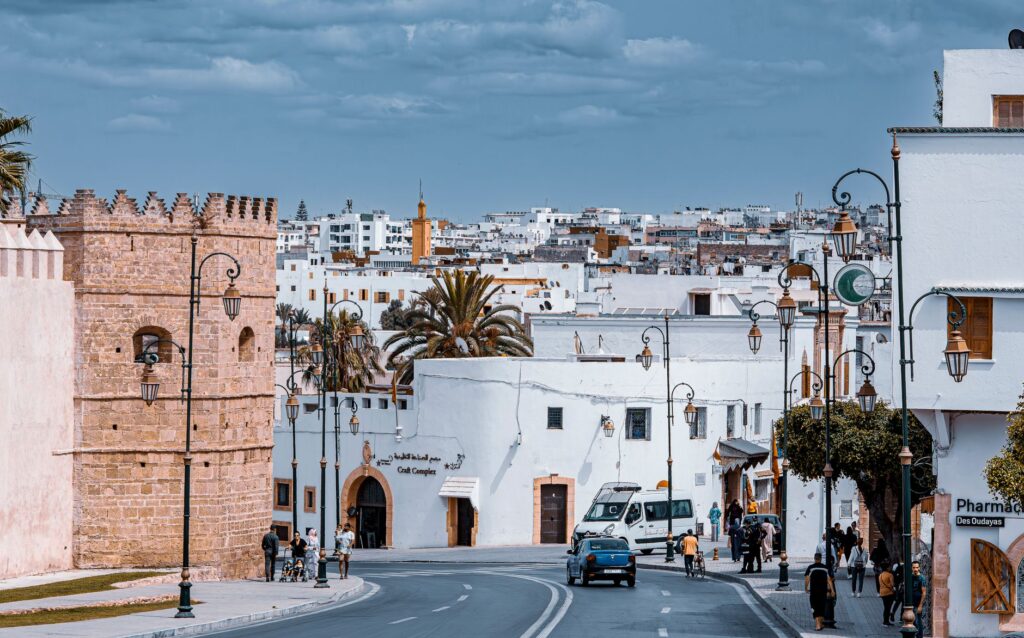
Khenifra’s urban layout engages in a constant dialogue with the geographical features surrounding it. Traditional constructions harness local materials, combining regional stone with rammed earth techniques that mitigate the thermal fluctuations typical of a mountainous interior zone. The riverbanks function as a space for socialization and sustenance; nearby lie traditional orchards and gathering spots where community life flows effortlessly. The bridges connecting both shores are not mere transit infrastructures, but focal points from which to observe the daily routines of fishers, shopkeepers, and walkers traversing the space between the administrative center and residential quarters.
As one ventures deeper into the urban fabric, the transition from commercial hubbub to the tranquility of residential alleys occurs smoothly. Public squares host small artisan workshops, leather goods stalls, and spice shops where the aromas of cumin, mint, and freshly baked bread fill the air. It is in these spaces that visitors can appreciate the mastery of local artisans whose skills pass from parent to child. The economic sustainability of the area relies heavily on this neighborhood commerce, which avoids standardization and preserves the uniqueness of goods crafted in the heart of the Atlas.
The Weekly Market: An Ancient Meeting Point
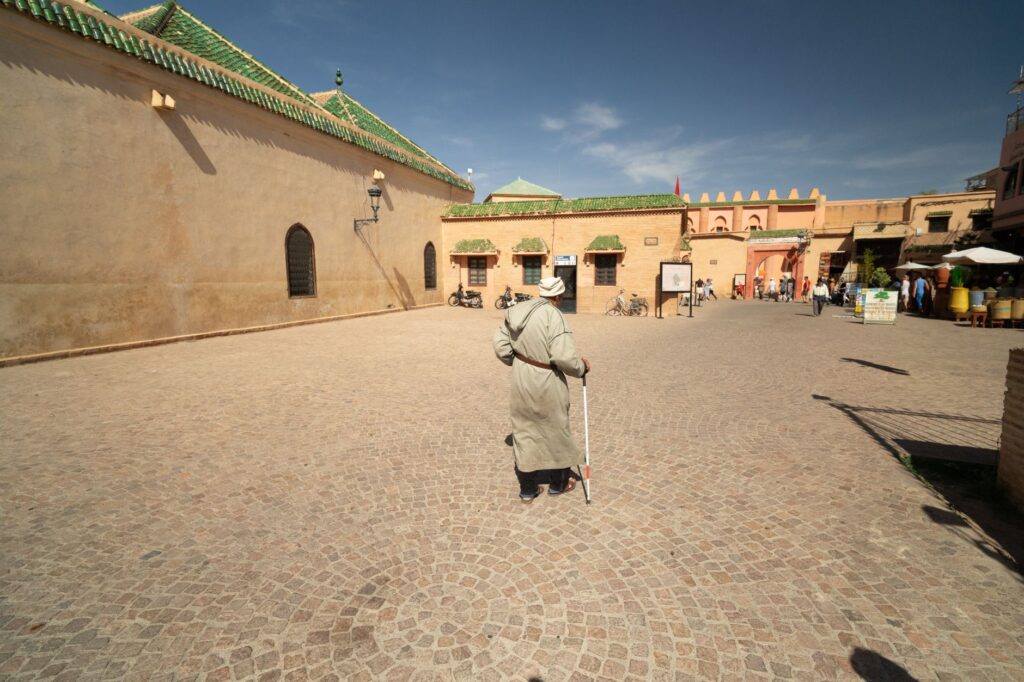
No journey through Khenifra would be complete without exploring its weekly souk, an event transcending mere commercial transaction to become the socioeconomic pulse of the entire province. Farmers, herders, and artisans from rural settlements scattered across the nearby mountains converge here. Beneath improvised tarps and awnings, a rich palette of colors and sounds unfolds: piles of olives from diverse origins, locally forged agricultural tools, and hand-woven wool rugs bearing the distinctive graphics of the mountain range.
This market also operates as a linguistic and cultural exchange space where the Amazigh language resonates strongly. For the responsible traveler, observing this commercial display demands an attitude of respect and discretion, understanding this is not a stage created for outside entertainment, but the legitimate marketplace where locals acquire provisions and resolve community matters. Purchasing an artisanal item here carries profound ethical value, as the entire sum directly benefits producer families, fostering circular economy practices and preventing abusive intermediaries.
The value of an authentic journey lies in the ability to observe without altering, to listen before being heard, and to understand that every human landscape is the result of centuries of adaptation and shared memory.
The Springs and Natural Environment: A Fragile Heritage
A short distance from the urban core, the natural landscape reveals its most exuberant face at the springs giving rise to the Oum Er-Rbia River. This cluster of freshwater sources, surrounded by karst formations and riparian vegetation, constitutes an ecological sanctuary of immense regional value. Visitors approaching these locations find a propitious space for contemplation and slow hiking, following traditional paths trodden by shepherds and local walkers for centuries. Conserving these aquatic ecosystems remains a priority for local communities, acutely aware that water is the most precious resource in lands transitioning toward the pre-desert.
Responsible tourism in this zone entails adopting low-impact practices: avoiding plastic waste generation, respecting native flora, and sticking strictly to designated paths to prevent hillside erosion. Local authorities and civil associations collaborate to disseminate civic behavior guidelines protecting both water quality and local fauna tranquility. Consequently, the traveler becomes a temporary ally in preserving a natural heritage rightfully belonging to future generations inhabiting these mountains.
Highland Cuisine: Traditional Flavors and Knowledge
Khenifra’s cuisine faithfully mirrors its geography: hearty, nutritious, and crafted from local ingredients harvested in surrounding valleys or grazed in high Atlas pastures. Traditional dishes combine seasonal vegetables, artisanal couscous, and locally sourced meats slow-cooked in earthenware vessels where aromatic spices enhance flavors without masking them. Bread, baked daily in communal wood-fired ovens, accompanies every meal as a central element symbolizing abundance and family communion.
Sitting down at a table in a local establishment or being invited to share mint tea in a regional home provides a masterclass in Moroccan hospitality. The tea ritual, prepared with patience and poured from a height to aerate the infusion, sets the tempo for unhurried conversation. For visitors, participating in these customs with humility and gratitude opens doors to a deeper understanding of Khenifri society, transcending language barriers and finding in everyday gestures a universal language of concord and mutual respect.
Social Fabric and the Textile Craft of the Middle Atlas
The production of woolen carpets and textiles stands out as one of the most representative cultural expressions of Khénifra Province. In cooperative workshops managed by local women, production follows ancestral methods: from washing and carding pure sheep’s wool to dyeing with natural extracts derived from regional plants, roots, and minerals. Each woven piece tells a personal and collective story, incorporating geometric symbols traditionally serving as protective amulets or records of family lineage.

Acquiring one of these textile artworks directly from the hands of their creators ensures fair compensation and supports the economic autonomy of women in rural areas. This conscious consumption promotes the survival of an artisanal trade at risk of dilution against mass-produced industrial goods. Visitors pausing to observe the rhythmic pace of traditional looms discover the infinite patience and technical mastery hidden behind every meter of fabric, valuing the human time invested in its creation.
The true wealth of a territory is not measured by its tourist infrastructure, but by the dignity with which its inhabitants preserve their identity and share their daily bread with the respectful traveler.
Responsible Practices for a Mindful Stay
Traveling to Khenifra invites a reassessment of the visitor’s role regarding host communities. Sustainability in this interior destination requires no massive eco-resorts, but an attitude grounded in empathy, local consumption, and respect for the country’s social and religious norms. Dressing modestly, asking permission before photographing individuals—especially in rural markets—and utilizing authorized local guides for excursions into remote mountain areas ensures direct economic return for the local population.
Likewise, moderate water usage and responsible personal waste management remain indispensable duties for any committed traveler. Khenifra is not an ethnological theme park, but a living municipality where its 128,000 residents pursue their daily life projects. Approaching this corner of the Middle Atlas with open eyes and a willingness to learn is the best way to honor the authenticity of a territory that surrenders without artifice to those who observe it calmly.

Practical guide
How to get there: Khenifra is connected by road to major cities across the country. Regular bus lines and shared taxis (grand taxis) from Meknes, Beni Mellal, or Fez offer frequent and economical connections.
When to go: Spring (March to May) and autumn (September to November) offer mild temperatures ideal for walking and exploring natural spaces without the extreme heat of summer.
Where to stay: Small urban hotels, traditional guesthouses (local riads), and rural accommodations managed by regional families predominate.
Currency and payments: The official currency is the Moroccan Dirham (MAD). Carrying cash in local currency is recommended for purchases at the weekly market and small establishments, as credit card use is limited.

Health and safety: Consuming bottled water is advised, along with travel insurance covering basic medical assistance in mountainous interior zones.
The Evening Light Upon Clay Tiles
As the sun begins to dip behind the peaks of the Middle Atlas, Khenifra’s clay rooftops and ochre-toned facades take on a warm golden glow. In the squares and along the banks of the Oum Er-Rbia River, the murmur of the workday gives way to evening calm. Neighbors greet one another leisurely, seated on stone benches or sharing a final tea before the cool mountain night envelops the streets. This moment of stillness reveals the purest essence of a destination that has kept its internal rhythm intact, untouched by modern world urgencies. For travelers who have wandered its markets, crossed its bridges, and conversed with its people, the image of Khenifra at dusk endures as an indelible reminder that the true beauty of travel lies in shared quietude and deep respect for the daily lives of others.