Among Peaks and Ancient Traditions
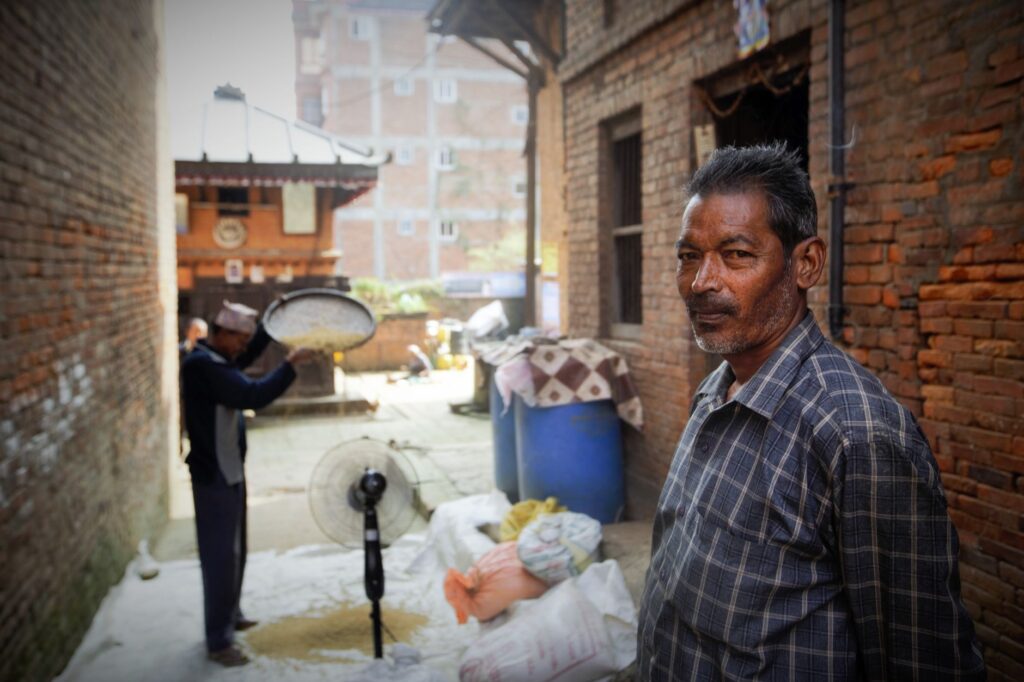
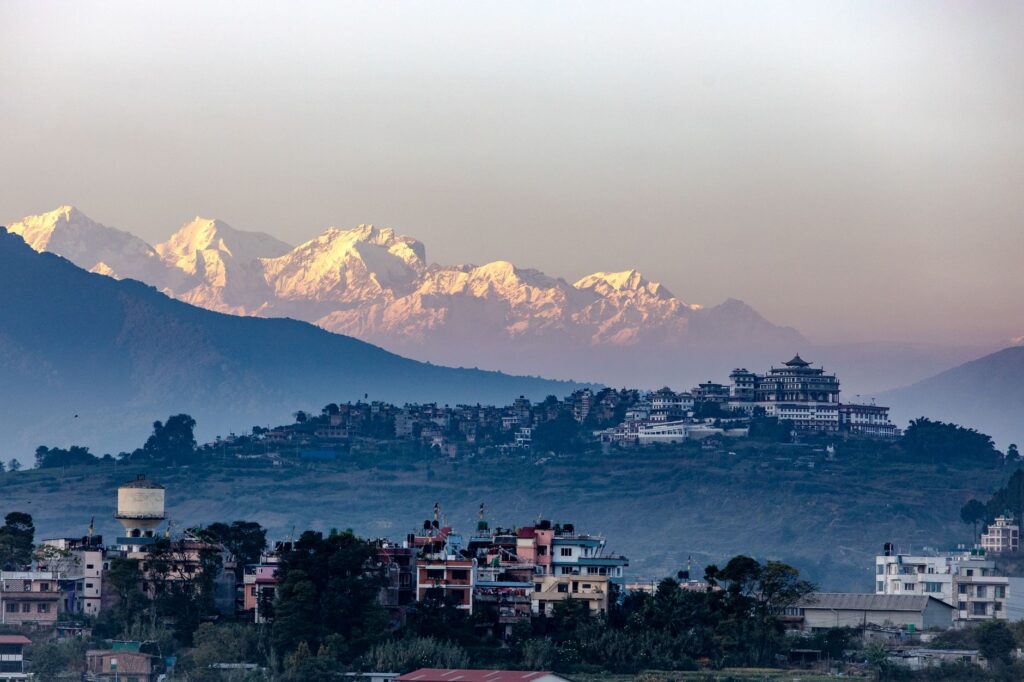
Nestled in the heart of the Bagmati province in Nepal, the town of Banepā rises to an altitude of approximately 1,477 meters above sea level, jealously guarding a cultural legacy that reveals itself in every corner of its urban fabric. Far from the frantic pace of major Asian capitals, this historic enclave organizes its daily existence around cobblestone plazas, interior courtyards where grains dry in the sun, and red brick temples whose carved wooden structures reflect the mastery of Newari artisans. Walking through its streets at dawn, when the golden light begins to illuminate the surrounding peaks and the thermometer marks the early hours of the day, offers an understanding of the deep connection between traditional architecture and the customs of its residents.
The history of the area is deeply intertwined with ancient trade routes connecting the Kathmandu Valley with Tibet. Traditional markets, known locally as bazaars, continue to be the neuralgic points where farmers from neighboring villages and local merchants exchange agricultural produce, spices, and artisanal textiles. In these spaces, life is governed not by commercial haste, but by the leisurely exchange of greetings, the preparation of traditional foods, and the maintenance of secular crafts that have weathered decades without losing their authenticity.
The Architectural Heritage of the Central Plaza
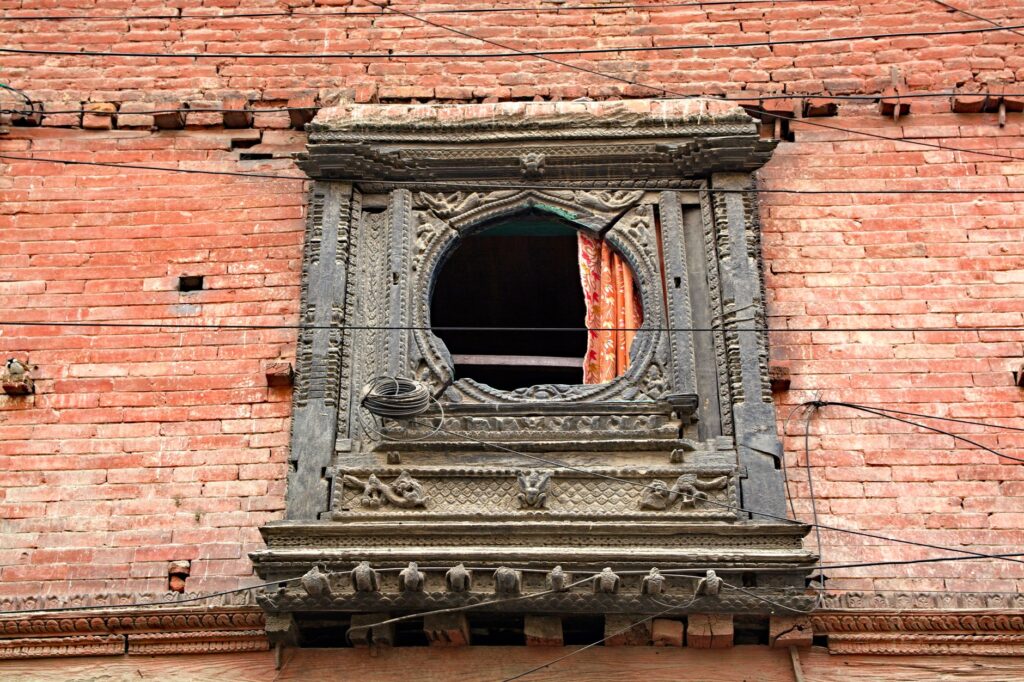
The heart of Banepā beats strongly in its historic squares, where religious sanctuaries and civil buildings coexist in perfect harmony. The tiered roofs of Hindu and Buddhist temples rise toward the sky, while window lintels display intricate wooden filigrees depicting mythological tales. The preservation of this heritage is not a museological exercise, but a living practice that involves the community in the daily cleaning of courtyards, floral offerings, and the artisanal restoration of structural elements worn by the monsoon climate.
During local festivities, these public spaces transform completely. Religious processions wind through narrow streets to the sound of traditional percussion instruments and flutes, mobilizing entire families who actively participate in rituals. For travelers seeking to understand the spiritual dimension of Nepal, observing these celebrations with respect and a prudent distance offers an unmatched window into the worldview of the residents of the Kavrepalanchok region.
The Daily Pantry and Produce Markets
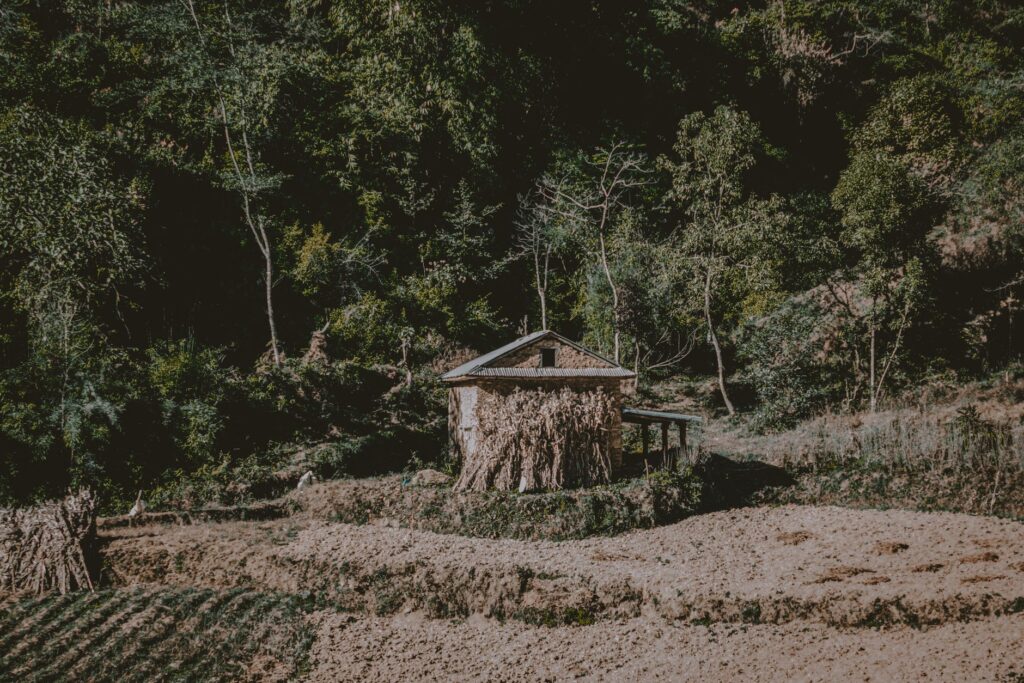
The gastronomy of Banepā is a direct reflection of the produce ripening on the slopes of the surrounding hills. Daily markets offer an exceptional variety of seasonal vegetables, legumes grown in traditional terraced fields, and culinary specialties crafted from recipes passed down through generations. The aroma of toasted spices, steaming tea, and freshly baked bread fills the alleys from early morning, inviting visitors to pause at small family-run stalls.
The community’s dietary habits prioritize local and proximity produce. Families visit the market daily to acquire fresh ingredients necessary for preparing traditional meals, ensuring a sustainable consumption chain that directly supports regional farmers. This neighborhood commerce model constitutes one of the fundamental pillars of the local economy and preserves culinary diversity against global standardization.
Life in the Courtyards and Traditional Craftsmanship
Stepping into the interior courtyards of Banepā reveals an intimate dimension of neighborhood life. In these communal spaces, away from the bustle of main thoroughfares, women weave, elders converse under the shade of eaves, and children play outdoors. Traditional Newari architecture, characterized by overlapping fired bricks and hardwood beams, creates a microclimate that protects against the intense midday heat and shelters from the cold during winter months.
Artisanal workshops scattered throughout the city keep alive trades such as architectural woodwork, pottery, and textile manufacturing. Local artisans work with manual tools, dedicating hours to perfecting each ornamental detail. Observing this production process without interfering in the labor rhythm allows for an appreciation of the human effort behind every carved door, clay vessel, and hand-woven fabric piece in the region.
Responsible Practices for the Visitor
Tourism in localities with rich historical heritage like Banepā demands a firm commitment to sustainability and cultural respect. Travelers who decide to explore this destination must adopt a series of ethical guidelines aimed at minimizing their ecological and social footprint. This includes dressing modestly when visiting places of worship, asking permission before photographing individuals, and prioritizing consumption at small establishments managed by local families.
Likewise, proper management of waste generated during the stay is essential, avoiding single-use plastics and utilizing available recycling points. Supporting the local economy should be done consciously, acquiring authentic crafts that directly benefit creators and respecting established conservation regulations to protect the city’s historical monuments.
The Pulse of Water and Historic Springs
Water supply in Banepā has historically relied on a network of public spouts and underground springs known as dhunge dhara. These traditional structures, adorned with stone sculptures representing aquatic deities, not only served a practical supply function but also acted as socialization centers where communities gathered to wash, converse, and celebrate water-related rituals.
Today, the preservation of these springs faces significant challenges due to population growth and the modernization of urban infrastructure. However, various local initiatives seek to recover and protect these ancestral sources, recognizing their ecological and historical value as indispensable heritage for the survival and cultural identity of the Nepalese population in the valley.
Community Education and the Future of Heritage
The future of Banepā rests on its community’s ability to transmit traditional knowledge to younger generations. Local schools and cultural centers play a crucial role by integrating regional history, sustainable building techniques, and the appreciation of Newari art into their educational curricula. In this way, youth grow up with a solid awareness of the importance of preserving their identity in a globalized world.
The preservation of architectural and cultural heritage does not depend solely on institutional intervention, but on the daily pride with which each inhabitant cares for and inhabits their own space.
This collective effort ensures that traditions are not reduced to mere museum pieces, but continue to dictate the rhythm of daily life with the same dignity they have maintained for centuries on the foothills of the Himalayas.

Practical guide
How to get there: Banepā is located about 26 kilometers east of Kathmandu. The road journey is usually made by local buses or shared taxis departing from the main stations in the Nepalese capital.
When to visit: The autumn months (September to November) and spring (March to May) offer stable weather conditions, with clear skies and pleasant temperatures for exploring the city on foot.
Accommodation: Hotel options are limited but authentic, highlighting small family-run guesthouses and hostels managed by local residents that offer an experience close to community life.
Recommended gastronomy: It is advisable to try dishes prepared with local seasonal vegetables, aromatic rice, and traditional Newari recipes in the small dining rooms of the bazaar.
Requirements and recommendations: Carrying cash in Nepalese rupees is recommended, as ATMs can be limited. Respecting local temple rules and removing shoes before entering sacred areas is essential.
Sunset Over the Red Brick Rooftops
As the sun begins to set behind the Bagmati hills, the red brick rooftops of Banepā acquire a copper tone that marks the end of the day. In the squares, residents pack up their market stalls while the last rays of light illuminate the wooden carvings of the sanctuaries. It is the moment when the city regains its calm, an instant of profound stillness where time seems to stand still to remind us that the true essence of travel lies in patient observation and respect for places that preserve the living memory of humanity.