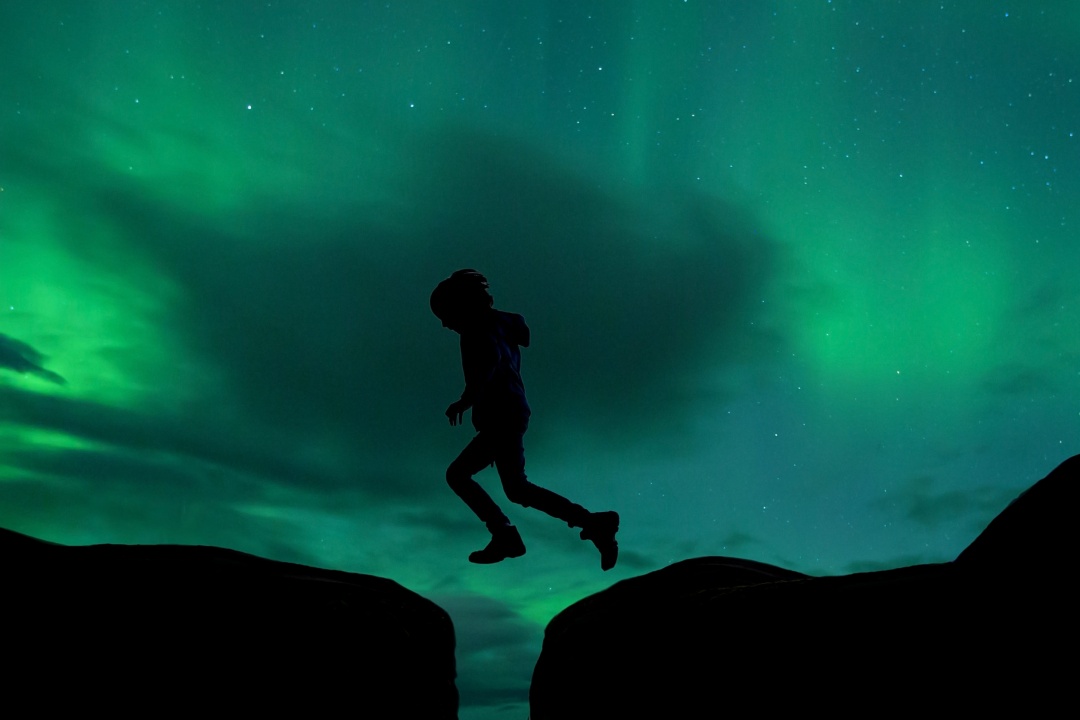

The deep northern sky holds a luminous secret that draws travelers from all over the globe every winter. As daylight hours dwindle and cold takes hold of high latitudes, the Earth’s atmosphere becomes the canvas for a fascinating solar phenomenon. Northern lights are not mere flashes of green color in the dark, but the physical result of charged particles colliding with gases in our upper atmosphere. Planning an expedition to witness them during the 2026 and 2027 seasons demands more than a simple desire to be amazed: it requires understanding the geography of cold, solar cycles, and, above all, the financial reality of navigating the most remote destinations in the northern hemisphere.
According to records and specialized travel guides shared by creators like Alan x el Mundo, the optimal window for observation spans the months from September through April. Outside this timeframe, the midnight sun or long twilight hours prevent the total darkness needed. However, choosing the right month is barely the first step. The true difference between a frustrated trip and an unforgettable experience lies in the choice of destination, associated logistical costs, and the flexibility to chase clear skies far beyond urban comforts.
The window of darkness and the perfect solar cycle
Understanding the science behind northern lights is essential before spending a single euro or dollar on plane tickets. Auroras depend on geomagnetic activity, which remains at a high intensity thanks to the current solar cycle. This means the probability of notable geomagnetic storms stays elevated for the winters of 2026 and 2027. Nonetheless, solar activity alone guarantees nothing if local weather decides to seal the sky with dense cloud layers.
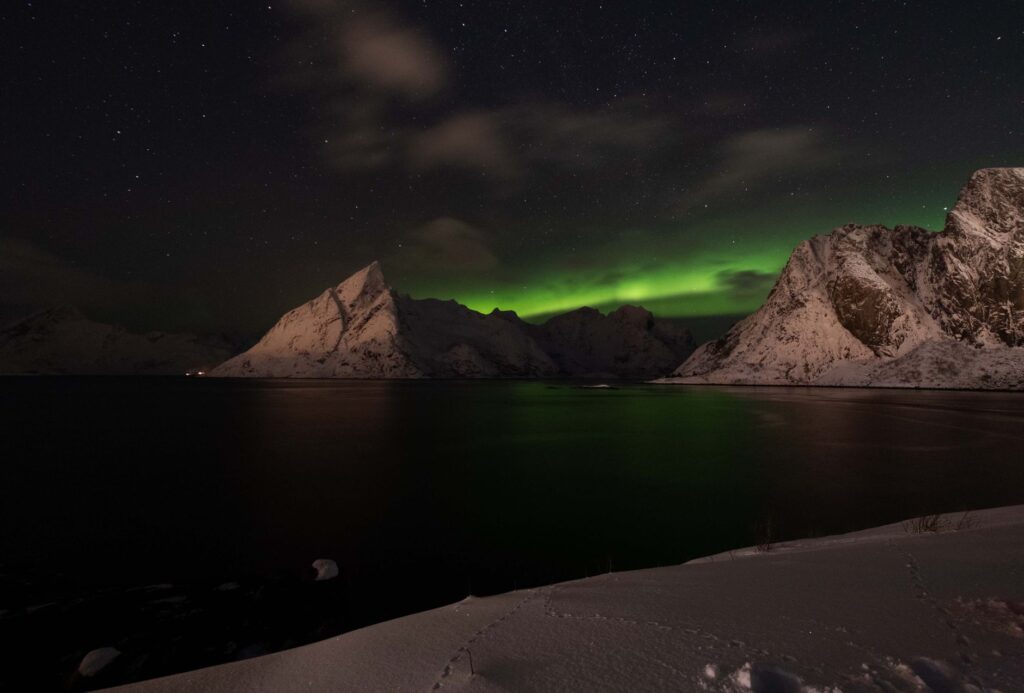
Polar meteorology experts agree that patience is the traveler’s most valuable asset. A high activity forecast (elevated Kp index) is of little use if an Atlantic storm blankets the horizon. Therefore, static itineraries often fail. The key lies in allocating a reasonable budget to renting snow-capable vehicles or hiring mobile excursions whose guides read satellite radar in real time to flee coastal cloud cover or closed valleys.
Iceland: Road autonomy and snowy volcanoes
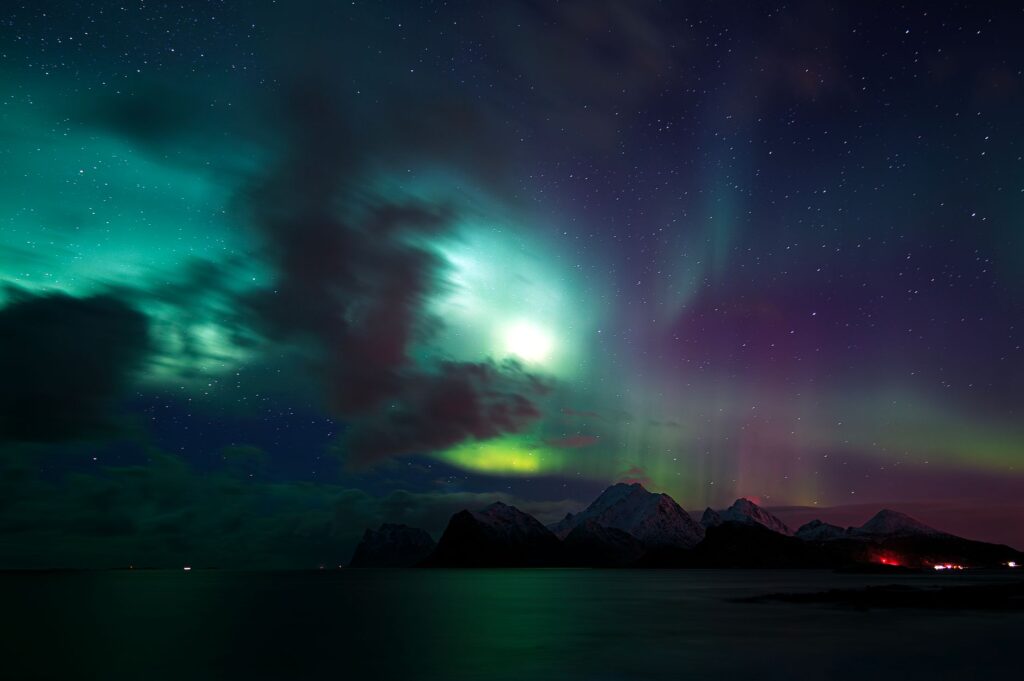
Iceland has established itself as the most accessible destination for international travelers looking to start polar tourism. Its main competitive advantage is the Ring Road or Route 1, which allows visitors to circle the island and seek clear microclimates without depending exclusively on expensive domestic flights. Furthermore, tourist infrastructure is highly developed, making it easy to find everything from functional hostels to converted farmhouses styled as rustic boutique hotels.
Even so, Icelandic convenience comes at a high price. The cost of living in and around Reykjavik is notoriously high, affecting expenses like fuel, restaurant dining, and four-wheel-drive rentals, which are indispensable between November and March. Sleeping in rural areas helps escape urban light pollution, but increases logistics spending if dining out at accommodations with private kitchens isn’t an option.
The economic factor in the land of ice and fire
To calculate a realistic budget in Icelandic territory during 2026 and 2027, expenses must be broken down into three main categories: transport, lodging, and guided excursions. A standard rental car with gravel protection and all-wheel drive can absorb a substantial portion of the daily budget. To this is added the price of fuel, which fluctuates with international markets but tends to stay on the high end due to the country’s energy import taxes.
Boat excursions to view auroras from the coast or superjeep tours into the mountainous interior vary considerably. While walking to Reykjavik’s Grótta lighthouse costs nothing more than a city bus ticket, heading deep into glaciers in search of pristine skies requires certified guides. The financial recommendation is to combine nights of autonomous observation with the strategic hiring of a specialized tour if weather conditions turn complex.
The true luxury in the north is not a glass-walled hotel suite, but having the logistical freedom to drive wherever the sky decides to open.
Tromsø: The urban heart of the Norwegian Arctic
Located far above the Arctic Circle, the Norwegian city of Tromsø offers an atmosphere completely distinct from Iceland’s volcanic expanse. Historically known as the Gateway to the Arctic, this town combines a lively cultural life, polar museums, and a seafood-based gastronomy with a privileged geographic location beneath the aurora borealis belt. Unlike other remote enclaves, Tromsø features frequent flights from Oslo and an efficient public transport network.
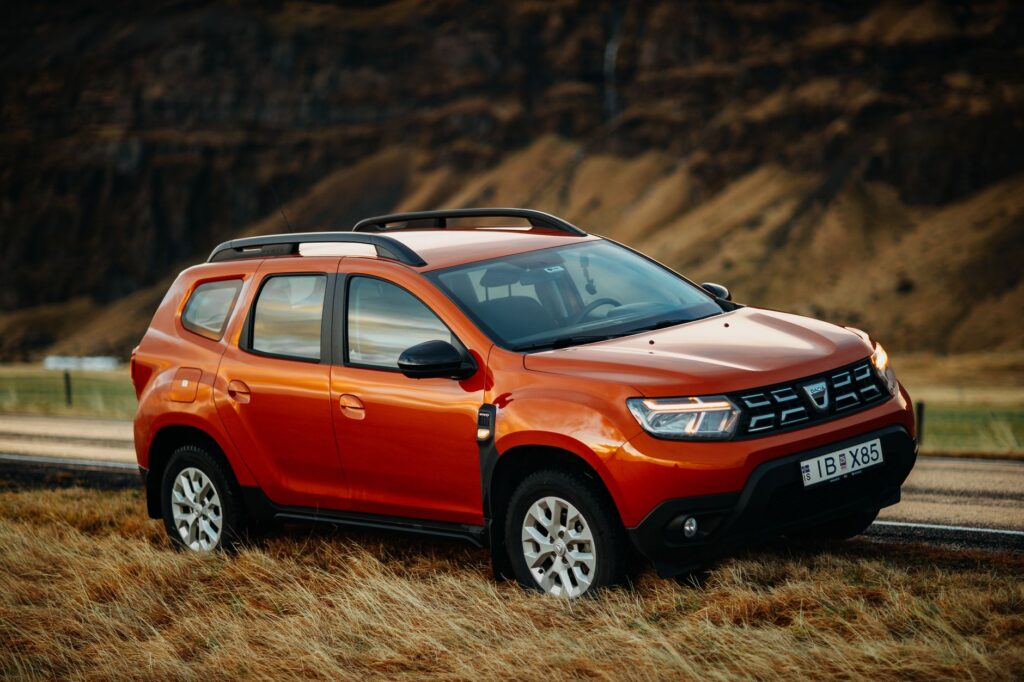
Tromsø’s major advantage lies in the logistical flexibility provided by its local agencies. Dozens of operators operate from the city center, organizing night safaris, some of which cross the border into Finland or Sweden if Norwegian fjords are covered by coastal sleet. This cross-border capability raises sighting success rates, though it also drives up tour packages, which usually include specialized thermal clothing, hot soups, and guided night photography.
Norwegian budget: Managing the Scandinavian cost of living
Norway is undeniably one of the most expensive countries in the world for independent travelers. The exchange rate of the Norwegian krone and high local wages directly impact the price of lodging, meals, and services. To maintain a balanced budget in Tromsø during the 2026-2027 seasons, experienced travelers often choose kitchen-equipped apartments or well-located youth hostels that reduce daily spending on restaurants.
Public transport within Tromsø island is reliable, but heading out toward inland valleys or deep fjords requires regional buses or organized excursions. Local taxis should be avoided at all costs due to their prohibitive fares. Gastronomically, buying supplies at local supermarkets like Rema 1000 or Kiwi and supplementing with an occasional fresh fish dinner at the harbor allows you to enjoy the destination without exhausting funds before the week ends.
Northern Canada: Isolation, boreal forests, and the Northwest Territories
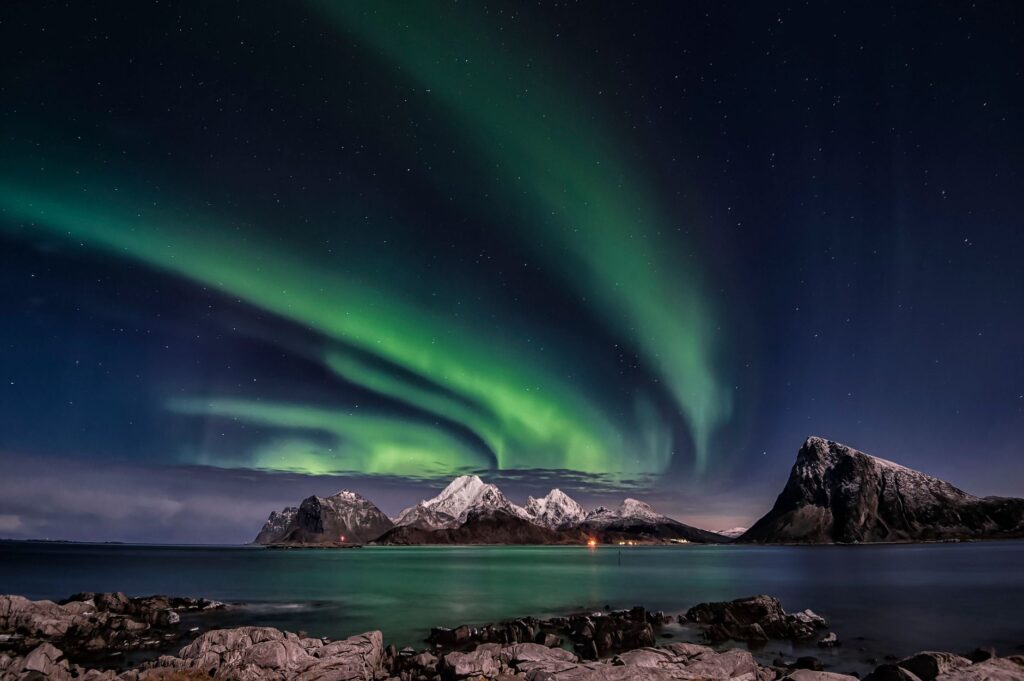
For those seeking an experience of pristine, deep wilderness, northern Canada represents the ultimate setting. Yellowknife, in the Northwest Territories, is considered by many meteorologists as the undisputed world capital for aurora viewing due to its location beneath the auroral oval and its dry continental climate, which guarantees a very high percentage of clear nights during winter.
However, getting there entails considerable logistical and financial commitment. Flights from major Canadian metropolises like Vancouver or Toronto are often costly, and land transport infrastructure is limited. Unlike Iceland or Norway, this is not about renting a car and easily driving coastal routes, but venturing into an environment where temperatures can easily drop to forty degrees below zero.
Extreme logistics and costs in the Yukon and Northwest Territories
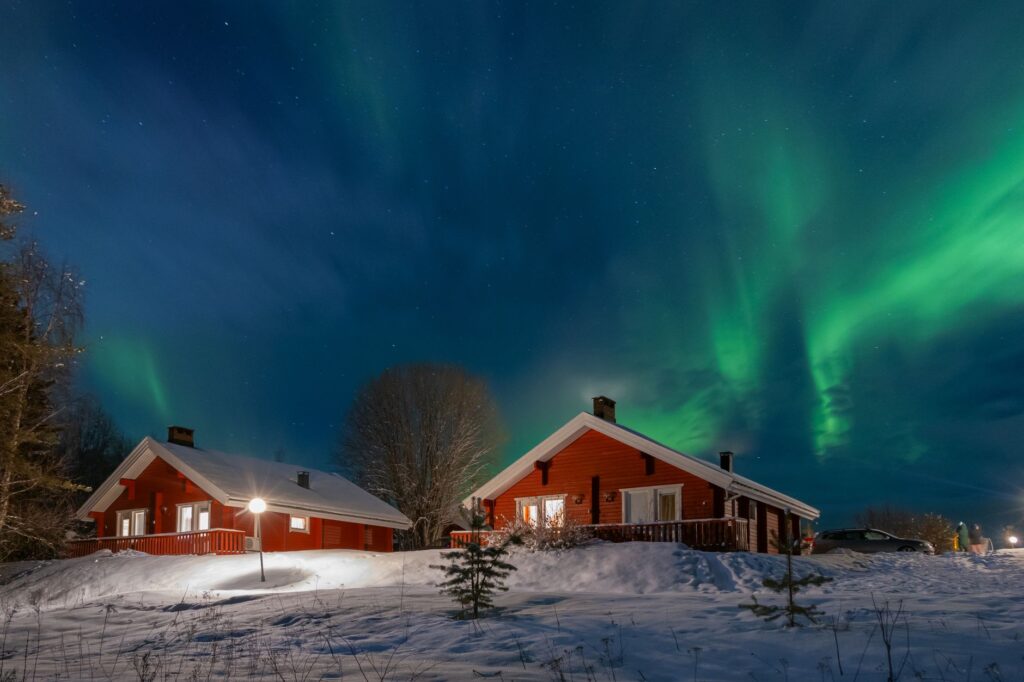
Planning a trip to Canada to see auroras in 2026 or 2027 requires generous budgets and high-mountain technical equipment. Stays are usually spent in specialized lodges away from urban centers, combining daytime activities like dog sledding, snowshoeing, and nighttime observation from heated cabins or indigenous tipis.
The most delicate expense in this destination is clothing. Although many operators include the loan of complete arctic suits, travelers must invest in merino wool base layers, proper footwear, and protection for camera gear, whose batteries discharge extremely fast due to extreme cold. The total daily cost in Canada tends to exceed European destinations, compensated by a sense of remoteness and isolation that is hard to find on the old continent’s busier routes.
The silence of the boreal forest at midnight, broken only by the crunch of snow underfoot, transforms the light hunt into a deeply introspective experience.
Practical guide
Practical guide for planning your northern lights trip in 2026-2027:
- Optimal season: Plan your trip between September and April, prioritizing weeks close to the new moon to minimize natural light interference.
- Destination selection: Choose Iceland if you seek car autonomy, Tromsø if you prefer a vibrant city with cross-border excursions, or Canada if you yearn for deep arctic isolation.
- Budget and currency: Prepare a high financial cushion for Norway and Iceland due to local living costs; Canada demands heavy spending on domestic flights and thermal gear.
- Weather applications: Download local cloud forecast and Kp index tools (such as Aurorazul or national meteorological institute apps) to move with agility.
- Camera equipment: Bring a sturdy tripod, bright wide-aperture lenses, and spare batteries, keeping them warm close to your body during night vigils.
In the end, when the night sky is torn by curtains of green, violet, and crimson light weaving over the stillness of the snowy landscape, any financial calculation, sleepless night, or kilometer traveled makes absolute sense. The northern lights hunt is not a simple tourist activity, but an exercise in wonder before the vastness of the cosmos and the fragile marvels of our own planet.