
Introduction to the High Tatras Massif and Its Alpine Biodiversity
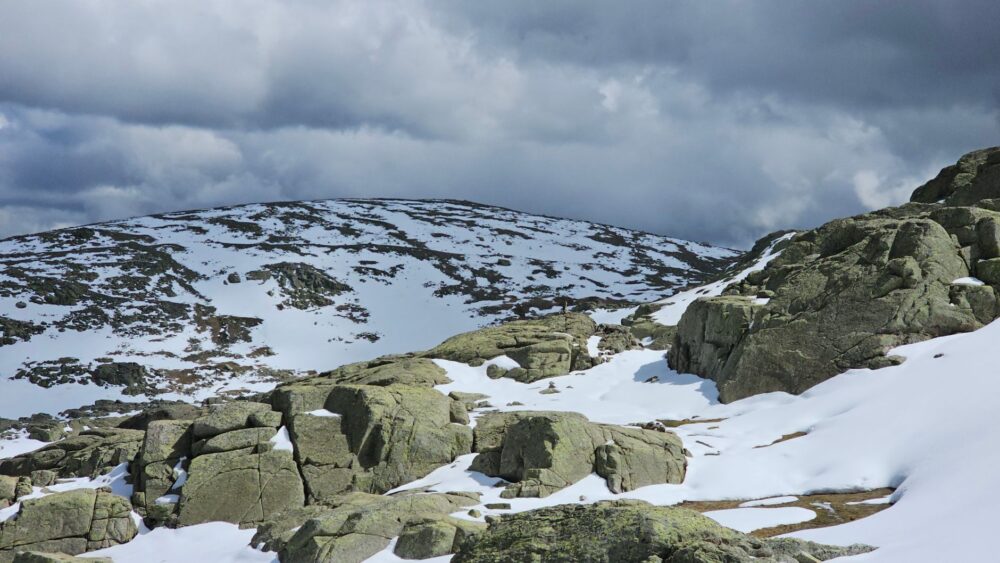
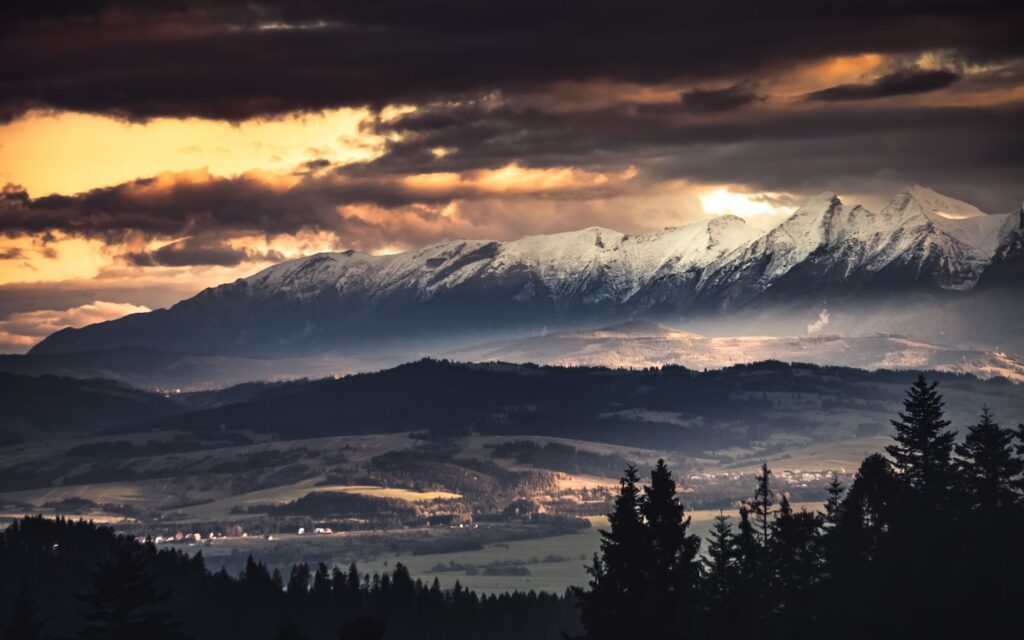
The High Tatras represent the backbone and highest geographic point of the Carpathians. This granitic bastion, rising sharply between the borders of Slovakia and Poland, functions as an isolated biogeographical island in the heart of Central Europe. Extreme climatic conditions, characterized by gale-force winds, prolonged winters, and snow cover persisting for more than two hundred days a year, have forged a unique ecosystem where only the best-specialized species manage to persist. Among the slopes of weathered stone and dense dwarf mountain pine scrublands lives one of the most discreet and fascinating residents of the high mountains: the mountain hare.
Unlike lowland hares, this mammal has developed extraordinary physiological and morphological adaptations to survive in an environment where food resources drastically diminish during the cold months. The study of its demographics and movement habits offers biologists an invaluable window into understanding how climate change is altering the dynamics of nival habitats across the European continent. The conservation of this alpine enclave not only protects an iconic species but an entire trophic web adapted to extreme cold.
The Hidden Biology of the Alpine Hare in the Carpathians
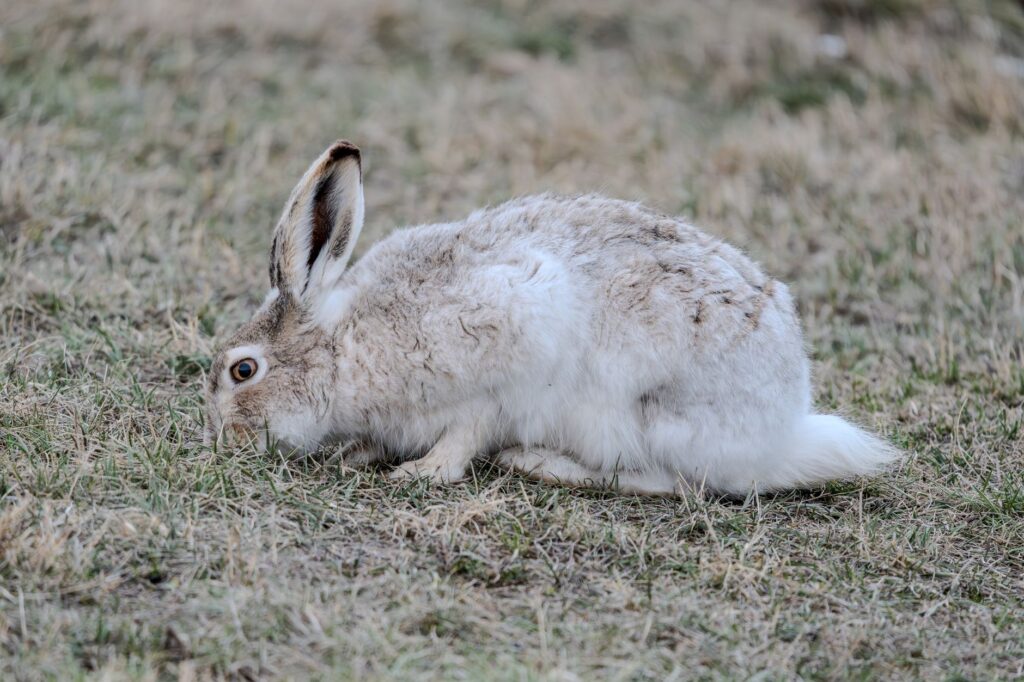
The mountain hare or variable hare (Lepus timidus) finds in the High Tatras the southernmost limit of its glacial distribution in Central Europe. These populations became fragmented following the last glaciation, retreating to the coldest summits as temperate forests colonized the lower valleys. Its anatomy reveals a perfect evolutionary design for snow: wide, densely furred hind legs that act as natural snowshoes, preventing the animal from sinking into deep snowdrifts.
Its most celebrated trait is the seasonal molt of its coat. With the arrival of the first autumnal chills, driven by decreasing daylight hours and falling temperatures, melanin production ceases, transforming its dense summer brown coat into an immaculate white fur that blends seamlessly with the blizzard. However, in the High Tatras, where snow packs have become unpredictable due to global warming, this camouflage strategy experiences concerning temporal mismatches, leaving some specimens prematurely exposed to aerial and terrestrial predators.
Habitat and Ecological Niche on Granitic Ridges
The territory of the alpine hare in this sector of the Carpathians extends primarily across the subalpine and alpine belts, ranging from two thousand meters of altitude up to the most inaccessible rocky ledges. In this stratum, vegetation is reduced to high-altitude meadows, lichens, mosses, and patches of dwarf shrubs such as dwarf birch and creeping willow, which form the basis of its summer diet. During winter, when rock and ice dominate the landscape, its diet shifts dramatically, forcing it to browse the bark and buds of dwarf black pines.
This browsing behavior exerts a direct influence on the structure of the alpine scrubland, controlling the overgrowth of certain plant species and keeping small corridors open within the dense thickets of mountain pine. The presence of the mountain hare is, therefore, a biological indicator of the health and resilience of fragile high-altitude soils against wind erosion and the pressure of the elements.
Survival Strategies Against Severe Winter Conditions
Surviving a winter in the High Tatras requires exceptional metabolic efficiency. Nighttime temperatures can drop far below minus thirty degrees Celsius, and snowstorms can isolate the ridges for weeks. To weather these conditions, the alpine hare restricts its activity to twilight and dawn, minimizing caloric expenditure and seeking shelter in natural cavities dug beneath compacted snow, known as seracs or snowdrift caves.
Furthermore, its reproductive rate is strictly synchronized with the seasonal availability of green forage. Females, known as does, can birth multiple litters a year, though mortality rates among leverets in their first months of life are typically high due to predation by the golden eagle, red fox, and Eurasian lynx—three key predators cohabiting this same high-mountain ecosystem.
Contemporary Threats: Fragmentation and Climate Change
Despite the formal protection enjoyed by the High Tatras under the status of National Park (TANAP), mountain hare populations face mounting pressures. The primary threat stems from the accelerated warming of the Carpathians, which are warming at a rate higher than the global average. The reduction of snow cover and the shortening of the winter season not only disrupt their protective molt but also facilitate the upward altitudinal shift of direct competitors, such as the European hare (Lepus europaeus), traditionally adapted to lower agricultural valleys.
Added to this is anthropogenic pressure stemming from mass tourism, particularly off-piste ski touring, unregulated winter hiking, and the expansion of hotel infrastructure at the park boundaries. Human intrusion into their winter home ranges forces animals to expend valuable energy fleeing, depleting their fat reserves at the most critical time of the year.
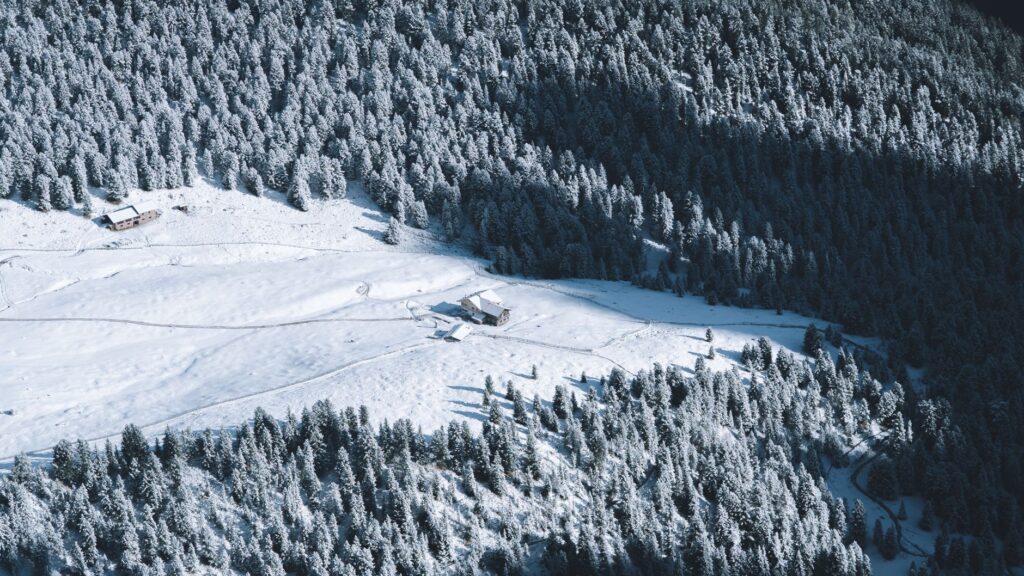
The conservation of nival ecosystems does not depend solely on restricting access to sensitive areas, but on understanding that alpine biodiversity functions as a high-precision network where the loss of a single species triggers systemic collapse.
Research and Conservation Efforts in the Tatra National Park
Scientific monitoring of the alpine hare in Slovakia represents a formidable logistical challenge due to the rugged topography and severe climate. TANAP researchers employ non-invasive techniques, such as genetic analysis of scat collected along winter transects and the use of camera traps installed in frequently visited rocky passes. These methods allow for estimating population density and assessing the genetic diversity of isolated colonies without disturbing the animals.
Additionally, environmental education programs aimed at ski resort visitors and high-mountain refuge guests have been implemented, raising awareness about the importance of staying on marked trails and avoiding transit through winter refuge zones. Cross-border cooperation with Poland is also essential, as animals move freely across the watershed without acknowledging administrative boundaries.
Practical guide
How to get there: The main access point for exploring the High Tatras is the town of Poprad, which features an international airport and direct rail connections from Bratislava and Košice. From Poprad, the electric mountain railway (TEŽ) efficiently connects to major resort hubs and base camps such as Starý Smokovec, Štrbské Pleso, and Tatranská Lomnica.
Best time to visit: For landscape photography and high-altitude hiking, the months between July and September offer optimal conditions with snow-free main trails. Those seeking to study winter dynamics and the nival environment should plan their travel between January and March, taking extreme alpine safety precautions.
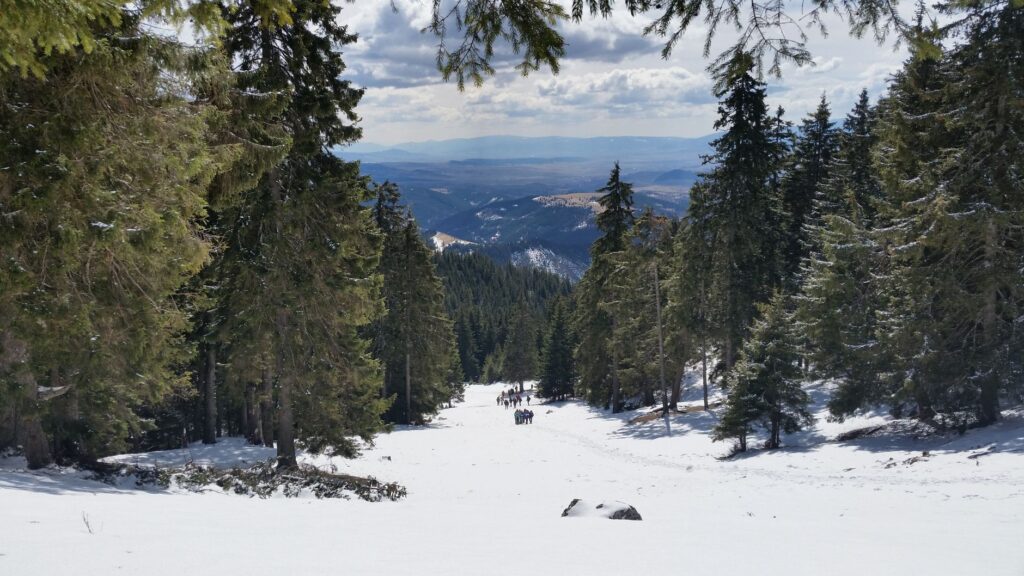
National Park Regulations: The territory is strictly regulated. Leaving marked trails in strict nature reserve zones, camping outside designated sites, and lighting fires are prohibited. From November 1 to June 15, numerous high-mountain trails above the refuges remain closed for wildlife protection and avalanche safety reasons.
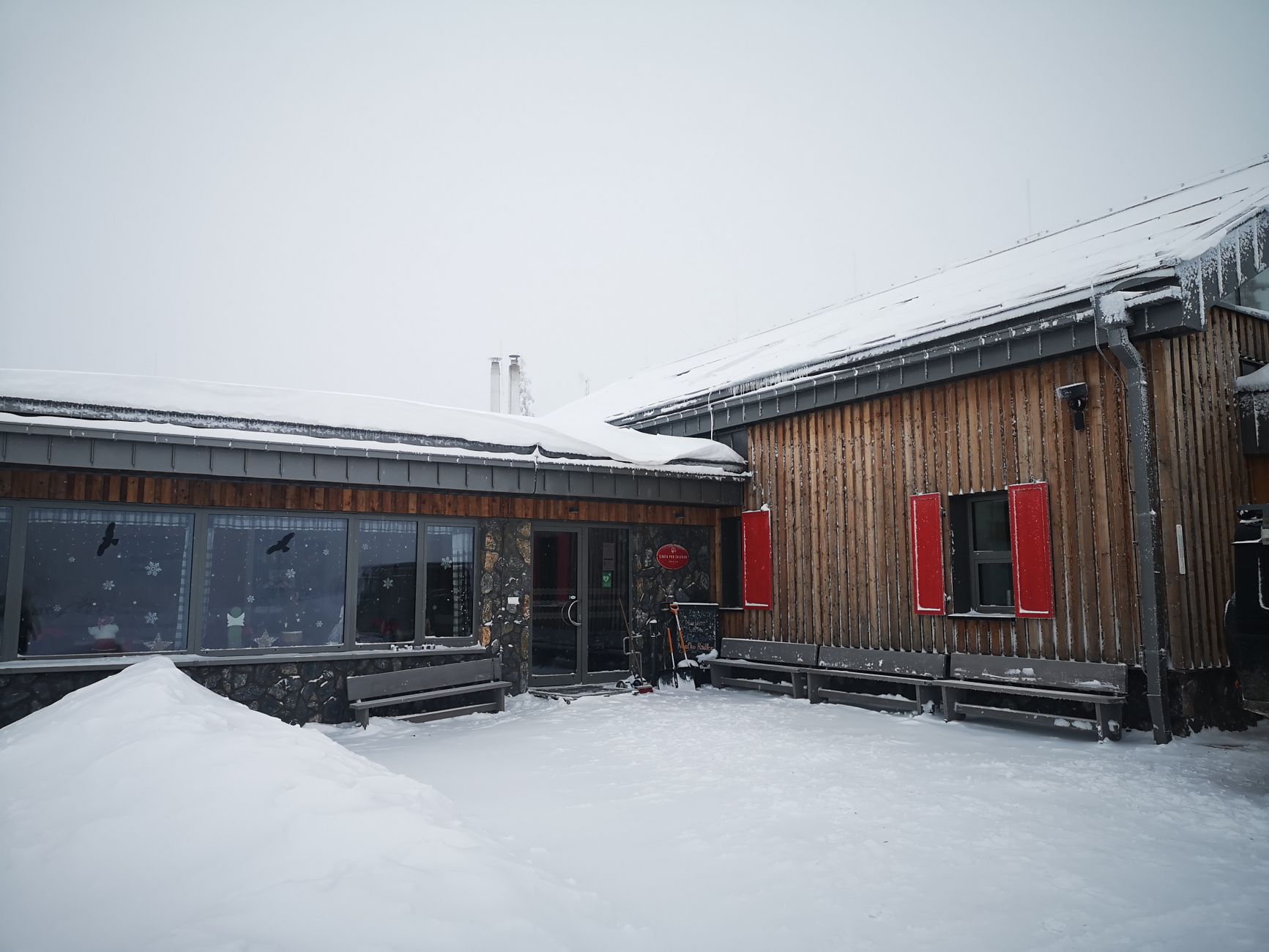
Accommodation and Refuges: Numerous mountain hotels and traditional guesthouses operate in the valleys. At higher altitudes, serviced refuges such as Chata pod Rysmi or Zamkovského chata offer overnight stays with mandatory prior reservation. It is vital to remember that these refuges are supplied by human porters, making waste management and water conservation critically important.
The White Silence: Reflections on the Future of the Slovak Peaks
Contemplating the High Tatras at dawn, when the first rays of sunlight ignite the granitic walls of the štíty (peaks), is an experience that transcends mere nature tourism. It is an exercise in humility before geological immensity and biological fragility. In these landscapes where life constantly challenges the limits of what is possible, every snowflake and every track on the frozen crust tells an ancient story of adaptation and resilience.
The preservation of the mountain hare and its alpine habitat is the mirror in which we must examine our own capacity to protect what makes no noise yet sustains the planet’s balance. As winds continue to sweep the Carpathian ridges and the white mantle blankets the stony slopes, the survival of this small ghost of the snow will remain the most accurate measure of our environmental maturity.
Protecting the summits is not about isolating nature from human beings, but learning to walk with the utmost respect for the fragile domains where life clings to stone and cold.