
Introduction to the Patagonian Littoral and its Ecological Balance
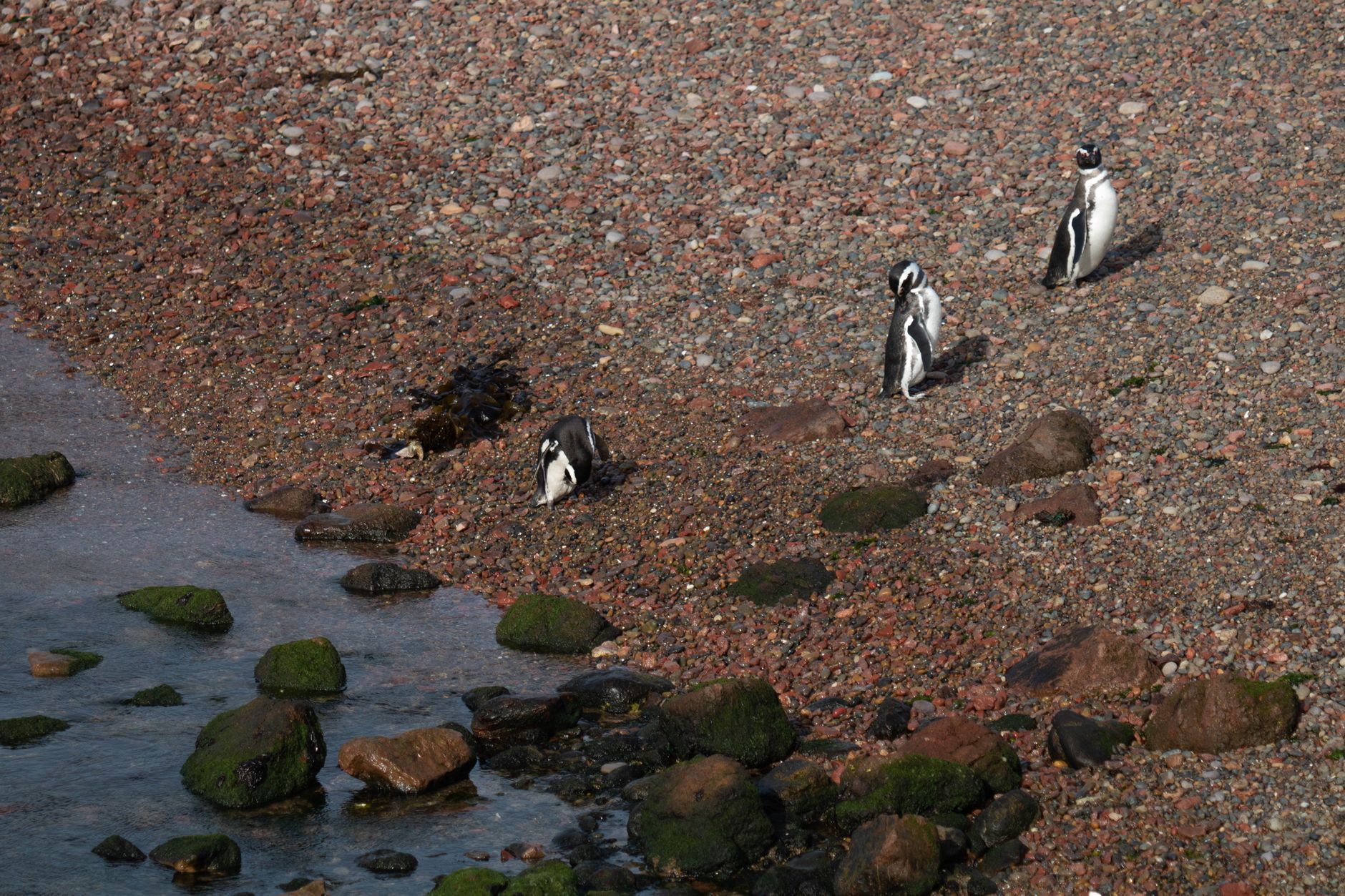
The coastal strip of Chubut Province in Argentine Patagonia represents one of the most dynamic and fragile marine settings in the Southern Hemisphere. In this remote edge where the arid steppe abruptly plunges into the turquoise waters of the Atlantic Ocean, nature imposes its own rules through a complex system of shelf currents and nutrient-rich upwellings. Here, the survival of numerous pelagic species depends on a delicate balance renewed every austral spring. Between pebble shores and sedimentary rock cliffs, the arrival of the Magellanic penguin marks the biological rhythm of a region that draws both marine biologists and nature observers interested in large-scale ecological processes.
Understanding the dynamics of these colonies requires looking far beyond the coastal surface. The reproductive success of seabirds is inextricably linked to the region’s physical oceanography, where the interaction between the Malvinas Current and the temperate waters of the continental shelf generates a seasonal explosion of phytoplankton and zooplankton. This phenomenon sustains the entire trophic web, enabling millions of organisms to find in the Patagonian littoral the indispensable sanctuary required to complete their life cycles. Throughout this report, we will examine the scientific, geographical, and human factors shaping the reality of these populations within a context of global climate change.
Physical Oceanography and Currents: The Thermal Engine of the South Atlantic
To comprehend why the Magellanic penguin chooses these specific latitudes to establish its nests, it is necessary to decipher the oceanographic patterns of the Argentine Sea. The Malvinas Current, a cold and swift branch flowing northward from Antarctica, transports water masses rich in oxygen and mineral nutrients. As it collides with the Patagonian continental shelf and mixes with coastal waters, vertical mixing phenomena and upwellings occur, acting as authentic natural fertilizers for the marine ecosystem.
This thermal engine determines not only water temperature but also the spatial and temporal distribution of anchovy, shrimp, and hake schools, the primary components of the penguin’s diet during its breeding phase. Researchers from the Center for the Study of Marine Systems note that any alteration in sea surface temperature or in the intensity of dominant winds can displace optimal foraging areas, forcing parents to undertake much longer and more exhausting foraging trips, which directly impacts the survival rate of chicks on solid ground.
The Thermocline and its Impact on Prey Availability
During the summer months, the water column experiences a thermal stratification known as the thermocline, a factor dictating the swimming and diving behavior of these birds. Magellanic penguins are efficient divers capable of descending dozens of meters in search of prey, but their success depends on fish schools remaining at accessible depths. Variations in the thermocline caused by large-scale climatic oscillations alter this pattern, turning the search for food into an extreme endurance test for breeding populations.
Reproductive Biology and Life Cycle in Nesting Colonies
The annual cycle of the Magellanic penguin is marked by relentless seasonality. Toward the end of winter and the beginning of spring, the first adult specimens arrive at the Patagonian coasts after spending the coldest months out at sea, journeying thousands of kilometers in open water. Site fidelity is one of the most remarkable traits of this species; individuals typically return year after year to the same burrow or its immediate neighborhood, finding their mate through complex recognition vocalizations.

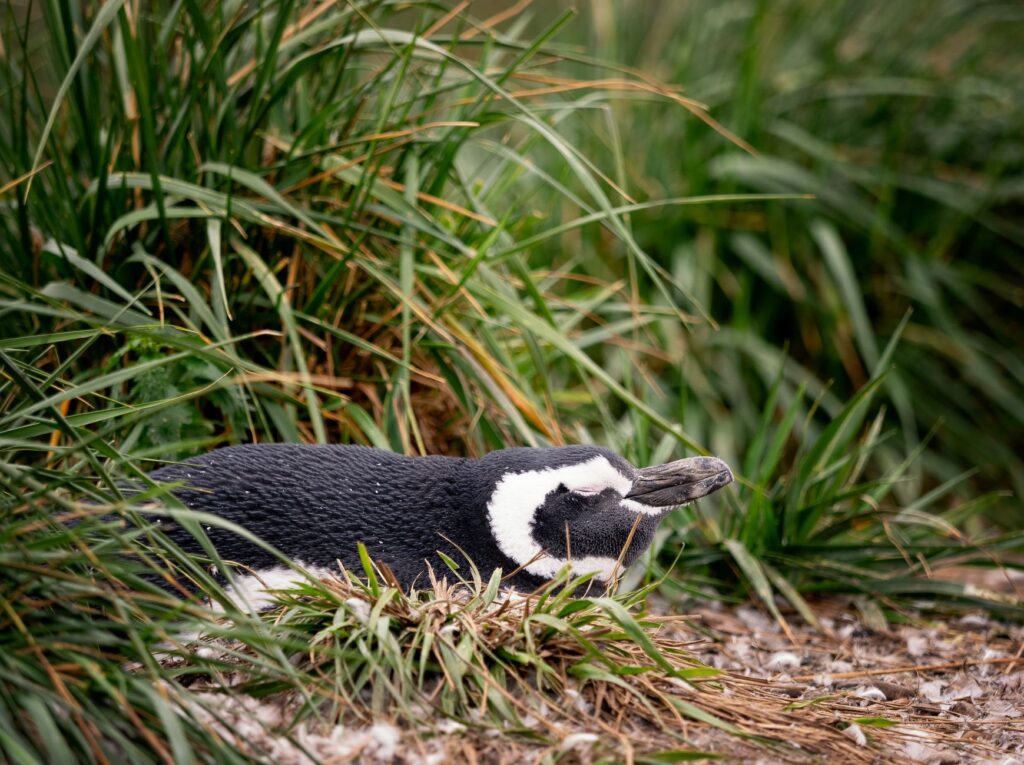
The construction or refurbishing of nests requires considerable physical effort. Unlike other seabirds that deposit their eggs on exposed surfaces, Magellanic penguins excavate underground burrows in sandy or clayey soil, or take advantage of natural protection beneath box-thorn and saltbush shrubs. This strategy provides vital thermal protection against the high temperatures of the Patagonian summer and shields them from attacks by kelp gulls and other aerial predators during the early stages of egg vulnerability.
The Patagonian littoral is not merely a scenic backdrop; it constitutes a perfectly synchronized ecological machinery where each marine link sustains the continental survival of southern fauna.
Around October or November, a clutch of two eggs is laid, with incubation shared rigorously by both parents in shifts lasting several days. After hatching, the chicks remain sheltered in the darkness of the burrow while the adults alternate guard duty with oceanic forays to capture food. This cooperative rearing system demands a constant supply of marine biomass, evidencing the direct dependency between the health of adjacent seas and the demographic success of the terrestrial colony.
Anthropogenic Threats and Pressures on Marine Resources
Despite being protected within strictly delimited provincial reserves and natural areas, Magellanic penguin populations face multiple pressures derived from human activity, both on land and in the marine environment. Commercial overfishing of key species in the penguin’s diet drastically reduces food availability near the colonies, forcing adults to double their energetic efforts to nourish the next generation.
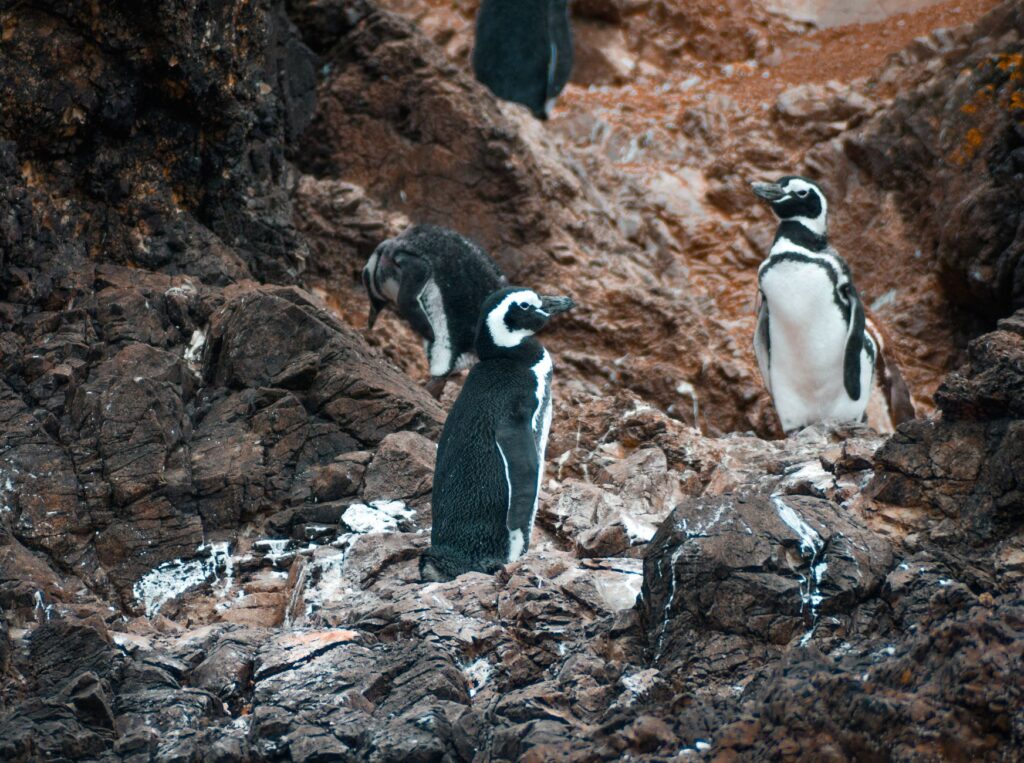
Another constant concern is the impact of hydrocarbon pollution. Commercial navigation routes transiting near the San Jorge Gulf and other areas of the Patagonian littoral have historically registered episodes of oil spills and tank cleaning on the high seas, with devastating consequences for marine avifauna. The plumage of penguins loses its waterproof properties upon contact with crude oil, leading to death by hypothermia or toxic ingestion of harmful substances during preening processes.
Habitat Fragmentation and Disordered Tourism
The development of coastal infrastructure and the increase in mass tourism during certain times of the year introduce acoustic and visual stress variables into breeding areas. While properly regulated ecotourism generates environmental awareness and economic resources for protected area management, a lack of control in peripheral zones can fragment the natural corridors animals use to move between the steppe and the sea.
Conservation Strategies and Management of Protected Areas
Effective conservation of the Magellanic penguin requires cross-border approaches and public policies based on continuous scientific evidence. In Chubut Province, the creation of reserves such as Punta Tombo—one of the largest continental reserves for the species—has consolidated a management model where biological research and environmental education go hand in hand. Current management plans include strict zoning of tourist trails, the prohibition of touching or disturbing animals, and permanent satellite monitoring of individuals to identify new migratory routes and critical offshore feeding grounds.
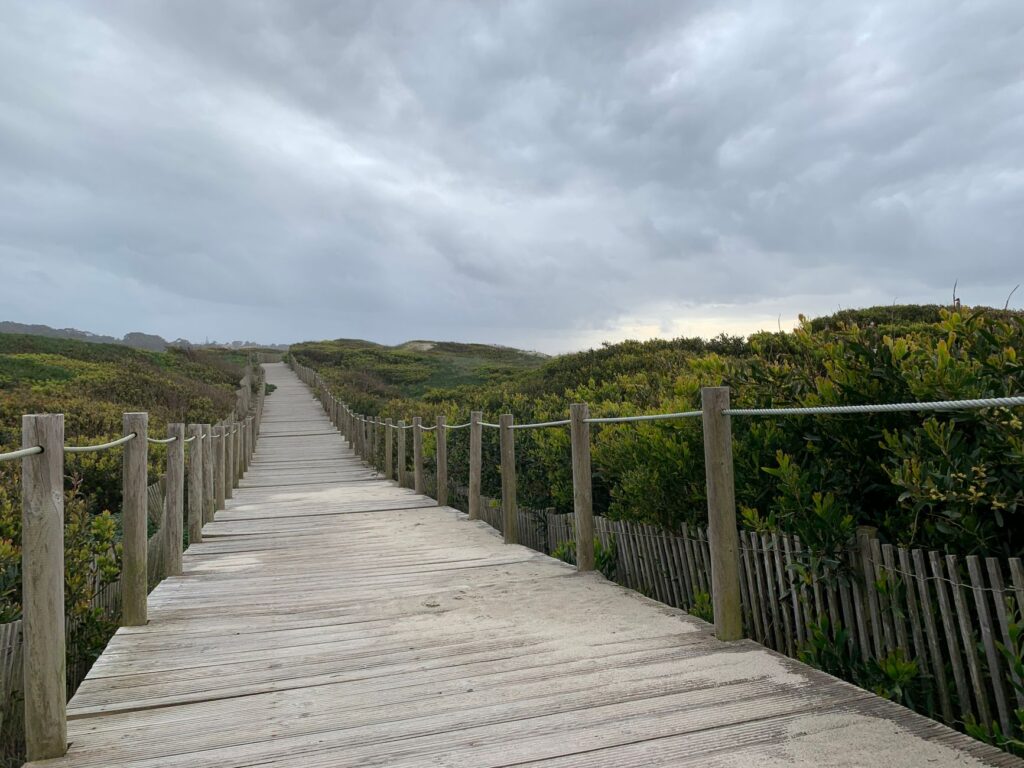
Likewise, international cooperation between Argentina and neighboring countries along the Atlantic migratory route is indispensable to mitigate risks associated with incidental fishing and cross-border marine pollution. Scientific organizations emphasize the need to expand marine protected areas to encompass not only nesting beaches but also the oceanic corridors traversed by birds during their winter dispersal phase.
Conserving Patagonia’s marine fauna is not an exercise in contemplative nostalgia, but a scientific requirement to preserve the stability of southern oceans.
Practical guide
How to get there: The main gateway to Chubut’s coastal region is the city of Trelew, which features a domestic airport with regular connections from Buenos Aires. From there, access to the primary penguin colonies is achieved via rental cars or booked excursions through authorized agencies.
When to travel: The ideal season to observe Magellanic penguins runs from September to late March. During spring (September and October), arrival and courtship take place; in summer (December and January), chicks can be observed in full growth; and toward March, migration toward northern waters begins.
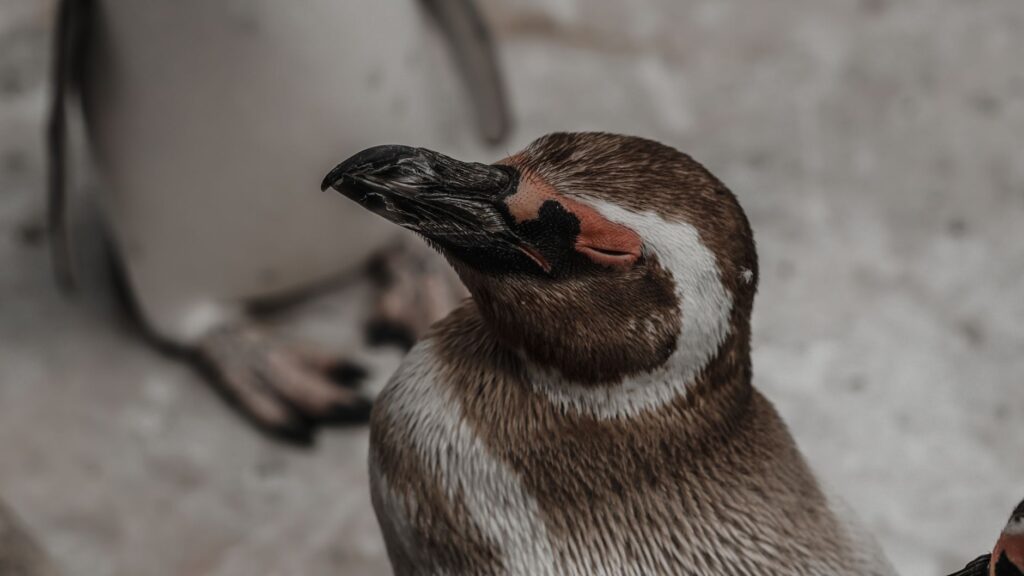
Visitor recommendations: Always maintain a prudent distance from nests and animals along designated trails. Smoking, making fires, consuming food within reserve areas, and using drones that could disturb avifauna are strictly prohibited. Wear comfortable footwear, adequate sun protection, and warm clothing, as Patagonian winds are often intense even in summer months.
Accommodation and services: Coastal towns such as Puerto Madryn and Camarones offer varied hotel infrastructure, ranging from family-run guesthouses to international-class hotels, alongside gastronomic services specialized in sustainably sourced local seafood.
The Invisible Heartbeat of the Southern Sea
As the sun begins to descend over the horizon of the Patagonian steppe, painting the sky in ochre and violet hues, the penguin colonies experience a fascinating sonic transition. The daytime bustle of bays and flapping gives way to the stealthy arrival of adults returning from the sea laden with food for their offspring. In that golden twilight, the immensity of the Atlantic Ocean and the extreme aridity of the mainland seem to merge in an ancestral embrace defying the elements. Observing this millenary ritual in absolute silence reveals that the true wealth of these landscapes lies not in their inhospitable appearance, but in the tenacious persistence of life beating beneath the cold southern wind, reminding us of our unshakeable responsibility in protecting the planet’s most subtle balances.