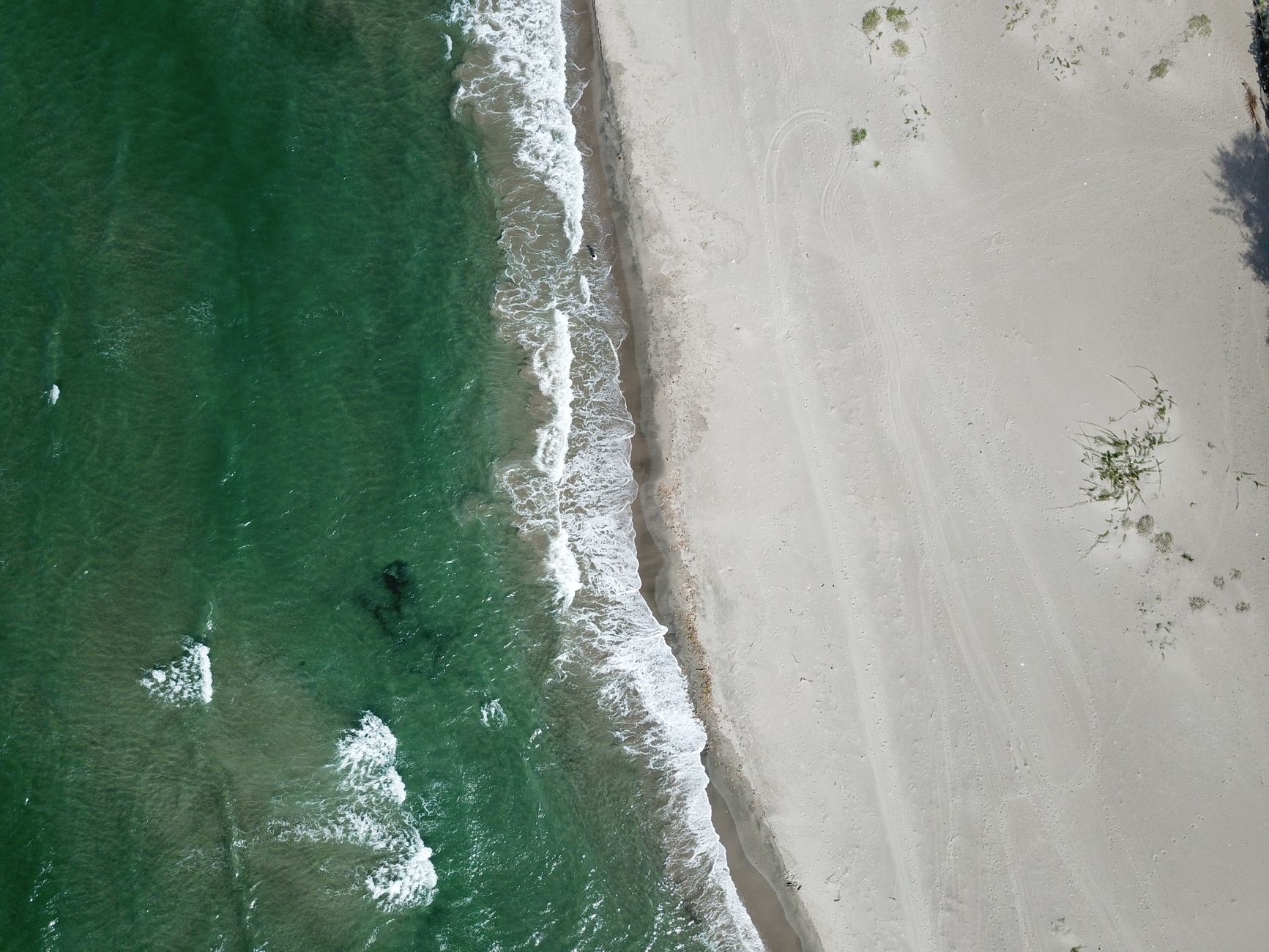

Along the rugged coastline of the Mexican Pacific, where the Sierra Madre del Sur descends abruptly to merge with the marine surf, lies one of the most unique biological sanctuaries on the American continent. Mexiquillo, a stretch of dark volcanic sand beach in the state of Michoacán, represents much more than a landscape of wild and solitary beauty. It is the refuge and temporary home of the leatherback turtle (Dermochelys coriacea), the largest marine turtle species in the world and a living fossil that has roamed the oceans for over one hundred million years. In this corner lashed by complex currents and constant heavy swells, the survival of this marine giant depends on a fragile balance between oceanographic dynamics and the tireless efforts of local communities to protect their clutches.
The purpose of this report is to examine in depth the ecological, scientific, and social keys that define leatherback turtle conservation on the Michoacán coast. Through the interaction between deep-water ocean currents, the geomorphology of nesting beaches, and community monitoring programs, we will explore how science and local custodianship converge to prevent the extinction of a creature that embodies the very health of the oceanic ecosystem.
The Oceanography of the Michoacán Pacific and Its Influence on Marine Reptiles
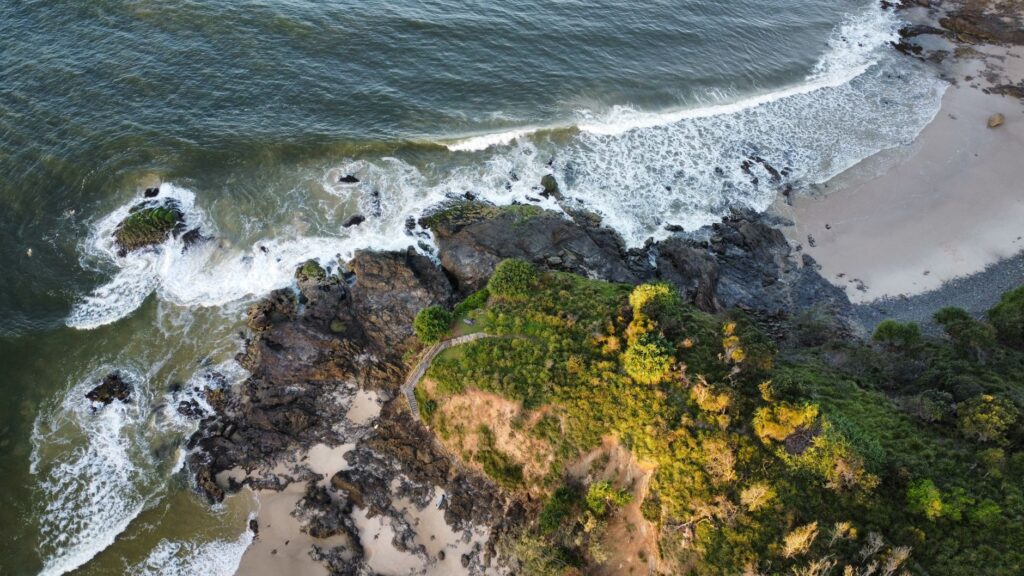
The waters washing the coast of Michoacán are not a homogeneous environment, but a dynamic stage marked by the convergence of water masses with different temperatures and salinity. The interaction between the California Current, bringing essential nutrients down from the north, and the Mexican Coastal Current generates a system of upwellings that deeply enrich the water column. This phenomenon increases the availability of jellyfish and gelatinous organisms, which constitute the exclusive diet of the leatherback turtle during its long transoceanic migrations.
To understand why these reptiles specifically choose the beaches of Mexiquillo after traveling thousands of kilometers across the open ocean, one must look at sea surface temperature and underwater topography. Submarine canyons near the coast allow deep currents to transport warmth and nutrients toward the continental shelf, creating an optimal feeding zone before females begin the monumental physical effort of reproduction. This complex oceanography conditions not only the migratory routes of adults but also the survival of hatchlings upon emergence.
Biology and Morphology of the Dermochelys coriacea
Unlike hard-shelled relatives such as the hawksbill or loggerhead, the leatherback turtle possesses a truly exceptional anatomy. Its shell is not formed by bony, horny plates, but by a flexible structure of connective tissue and oily skin reinforced by thousands of small osteoderms, featuring seven longitudinal ridges that grant it perfect hydrodynamics. This streamlined body design allows it to dive to depths exceeding one thousand meters in search of prey, withstanding hydrostatic pressures that would be lethal to most marine vertebrates.
Another fascinating aspect of its physiology is its capacity for thermoregulation through gigantothermic endothermy and vascular adaptations. The leatherback can maintain a body temperature significantly higher than the surrounding water thanks to its massive size, a thick layer of subcutaneous brown fat, and a countercurrent heat exchange system in its flippers. This enables it to inhabit and feed in cold, high-latitude waters during the summer before returning to the warm tropical beaches of the Mexican Pacific during the austral or boreal winter, completing migration cycles of epic proportions.
Nesting Dynamics in the Dark Sands of Mexiquillo
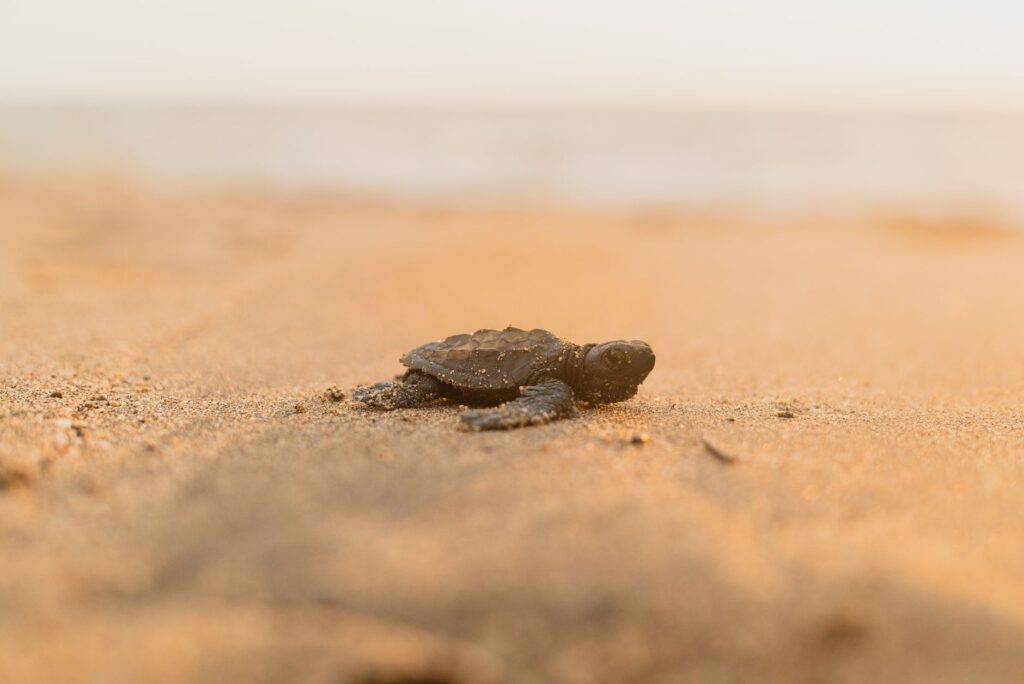
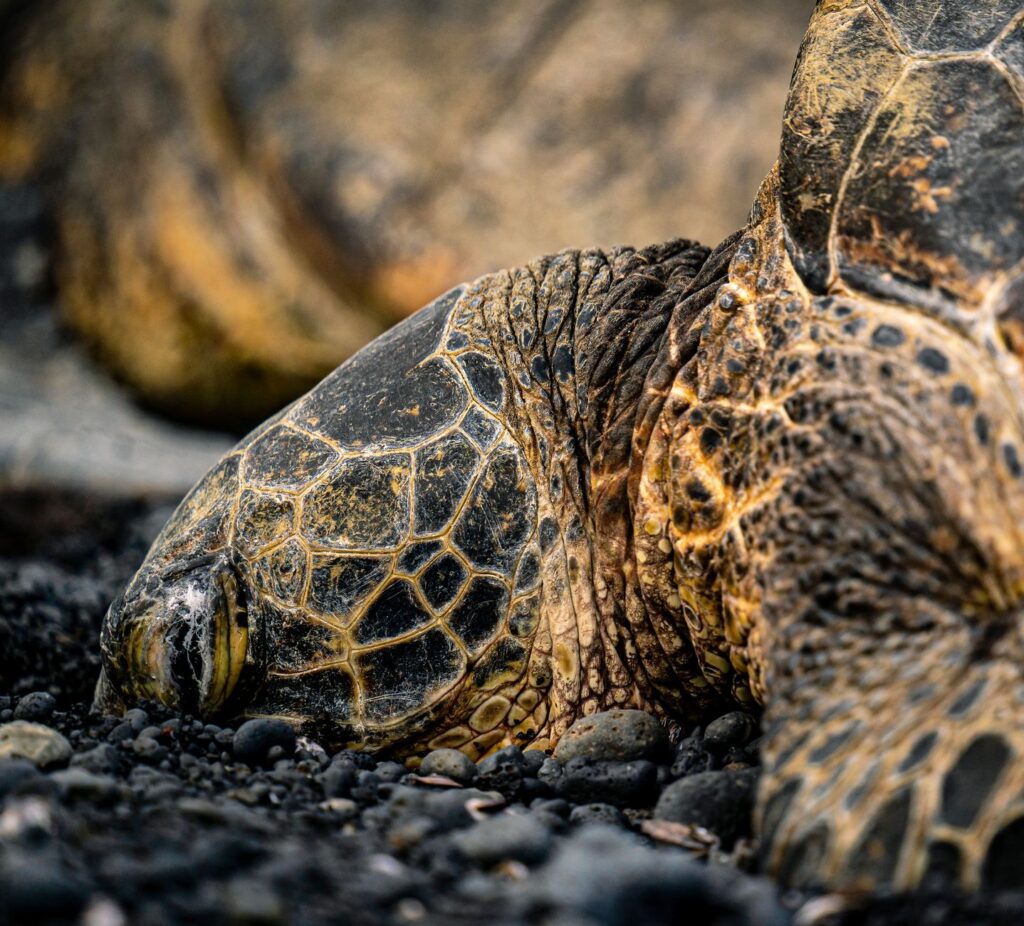
The reproductive process of the leatherback turtle is a high-energy event that begins when the female emerges from the Pacific breakers driven by ancient instincts. The dark sands of Mexiquillo, composed of volcanic minerals and igneous rock fragments, possess particular thermal properties that directly influence embryo development. During moonless nights between October and March, females advance heavily across the dry sand until finding a safe zone above the high-tide line.
Once the spawning area is selected, the turtle digs a flask-shaped nest with her rear flippers, depositing an average of eighty to one hundred eggs, some of which are infertile and serve to regulate the humidity and internal temperature of the chamber. The sand temperature during the incubation period—which lasts approximately fifty to seventy days—determines the sex of the hatchlings, a critical factor in the current context of climatic variability. Rigorous monitoring of these nests by biologists and volunteers is essential to prevent natural predation and human poaching.
Historical Threats and Anthropogenic Pressures
Despite its majesty and its status as an internationally protected species by the International Union for Conservation of Nature (IUCN), the Eastern Pacific population of the leatherback turtle is in a critically endangered state. The threats it faces are multiple and complex, spanning both its marine and terrestrial life stages. In the open sea, incidental capture in longlines and gillnets is a primary cause of mortality for adult specimens, which become trapped and perish by drowning.
On land, historical pressure on eggs has been devastating. For decades, uncontrolled harvesting for human consumption pushed populations to the brink of local collapse. Added to this are the fragmentation of coastal habitat due to disorderly tourism development, light pollution on nesting beaches that disorients gravid females and newborn hatchlings, and the presence of feral dogs that raid nests before conservation teams can relocate them to protective corrals.
Community Conservation Strategies and Citizen Science
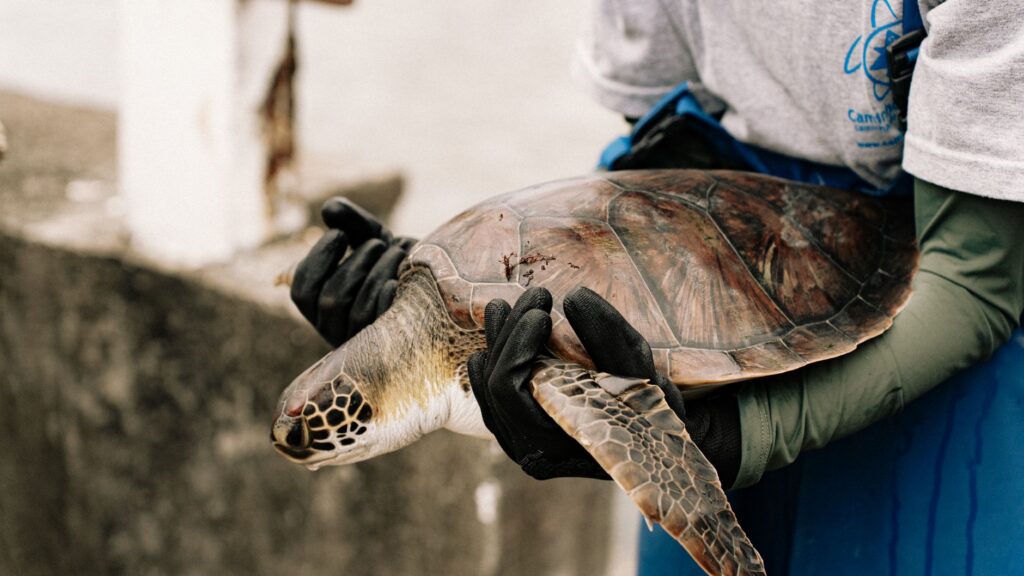
The conservation history in Mexiquillo is a luminous testament to how community action can transform the destiny of an endangered species. Faced with the imminent disappearance of specimens in the final decades of the last century, local fishermen, landowners, and academics joined forces to create self-managed turtle camps. These nightly brigades tirelessly patrol the coast on foot, recording arriving females, measuring their shells, taking biological samples, and transferring threatened nests to protected hatcheries.
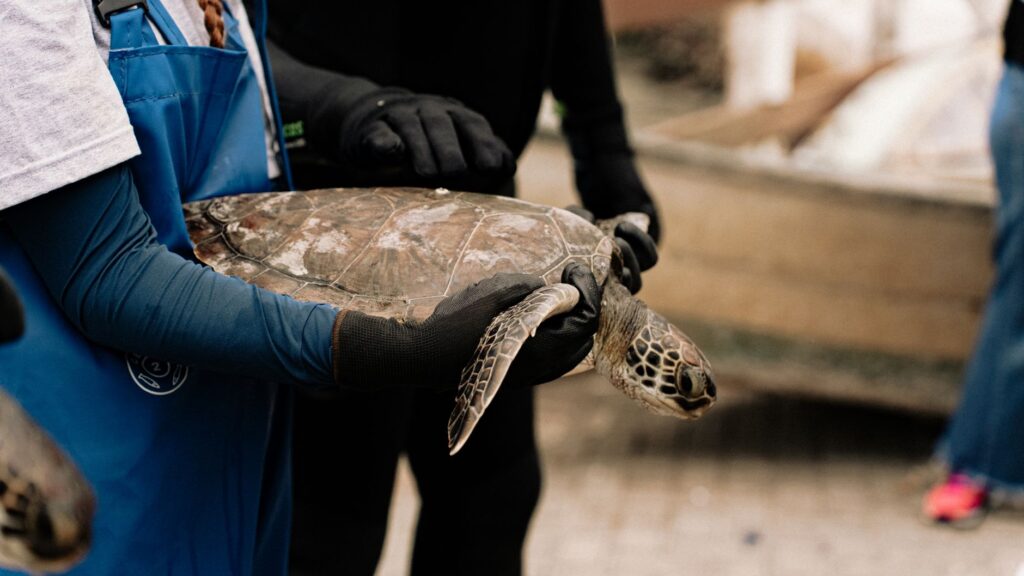
Effective conservation in Mexiquillo demonstrates that marine biodiversity protection is inseparable from the socioeconomic well-being of coastal communities that coexist daily with the sea.
This model of participatory governance has not only exponentially increased the hatching and survival rates of hatchlings released to the sea, but has also generated alternative sources of employment through scientific ecotourism and environmental education. Visitors arriving in Mexiquillo have the opportunity to witness the miracle of neonate release under strict protocols prioritizing animal welfare over entertainment, turning the traveler into an active ally of the conservation cause.
The Role of Scientific Research in Oceanic Connectivity
To design truly effective protection policies, conservation organizations in Michoacán work hand in hand with national and international academic institutions to attach satellite transmitters to the shells of leatherback turtles after their nesting season ends. These devices track in real time the migratory routes taken by the animals northward, revealing key offshore feeding zones where industrial fishing activity poses a latent risk.
Likewise, genetic analyses performed on tissue samples from nesting females have allowed researchers to estimate more precisely the effective size of the breeding population and genetic connectivity with other beaches in the American Pacific, from Costa Rica to the state of Oaxaca. This scientific data is indispensable for negotiating international responsible fishing agreements and establishing marine protected areas that safeguard the species along its entire migratory route.
Practical guide
Planning a responsible journey to the leatherback turtle sanctuary in Mexiquillo requires environmental sensitivity, absolute respect for nature’s protocols, and rigorous logistical preparation, given the remote and protected nature of the region.
- How to get there: The main access is by road from the city of Lázaro Cárdenas or Manzanillo, following Federal Highway 200 which winds along the Pacific coast. Renting a four-wheel-drive vehicle is recommended due to unpaved stretches leading to the beaches.
- Best time to visit: The nesting season officially runs from October to March, with November through January seeing the highest concentration of specimens on the beach. Hatchling releases are usually scheduled between December and April.
- Accommodation and services: Hotel infrastructure in Mexiquillo is rustic and community-based. There are eco-lodges managed by local cooperatives and authorized camping areas promoting low-impact environmental tourism.
- Observation rules: The use of white-light flashlights, cameras with flash, or touching specimens during nesting is strictly prohibited. Nighttime activities must always be conducted under the direct supervision of the local turtle camp’s guides and biologists.
- Recommended equipment: Lightweight dark-colored cotton clothing, comfortable footwear for walking on loose sand, biodegradable insect repellent, a reusable water bottle, and binoculars for observing sea birds in the estuary.
Final Reflection on the Pulse of the Pacific
Contemplating the return of a leatherback turtle to the ocean after depositing its precious cargo in the dark sand of Mexiquillo is an experience that transforms one’s perception of time and nature. That monumental effort of survival, repeated over eons, embodies the resilience of a marine ecosystem that today more than ever depends on our ability to moderate the human footprint. Protecting this sanctuary is not only ensuring the continuity of a prehistoric reptile, but preserving the wild pulse of a Mexican Pacific that continues to endure thanks to the unwavering commitment of those who have chosen to be guardians of life.