
The Contemporary Traveler’s Paradox in the Mirror of History
Over recent decades, global tourism has oscillated dangerously between mass-market postcards and passive contemplation. Historic cities and traditional enclaves have frequently morphed into stage sets where visitors consume culture as a distant, prepackaged commodity. Yet, in the heart of Southeast Asia, a silent but resolute current is rewriting the rules of the game. Vietnam, a country whose identity has been forged through millennia of resilience, adaptation, and communion with nature, has stepped forward to lead a radical transformation: the shift from traditional heritage tourism toward experiential immersion.
This evolution is neither a marketing whim nor a fleeting leisure industry trend. Rather, it is an organic response to the urgent need to safeguard authenticity against the erosion of modernity. As metropolises expand and younger generations migrate to urban centers for economic opportunity, traditional knowledge, artisanal techniques, and community rituals face the risk of extinction. Vietnam’s commitment to integrating heritage into the race for experiences seeks precisely to breathe new economic and social meaning into these practices, ensuring their survival through mutual respect and horizontal exchange between locals and travelers.
Rediscovering Slow Time in Rural Communities
Stepping away from conventional circuits in Vietnam implies, above all, accepting a profound shift in the perception of time. In the mountainous provinces of the north and the intricate river labyrinths of the Mekong Delta, rhythms are dictated by agricultural cycles, river overflows, and seasonal alignments. Here, local communities have opened their doors not as actors in a theme park, but as hosts of their own daily lives. The traveler arriving in these latitudes quickly understands that true wealth lies not in accumulating photographed monuments, but in the capacity to pause and listen.
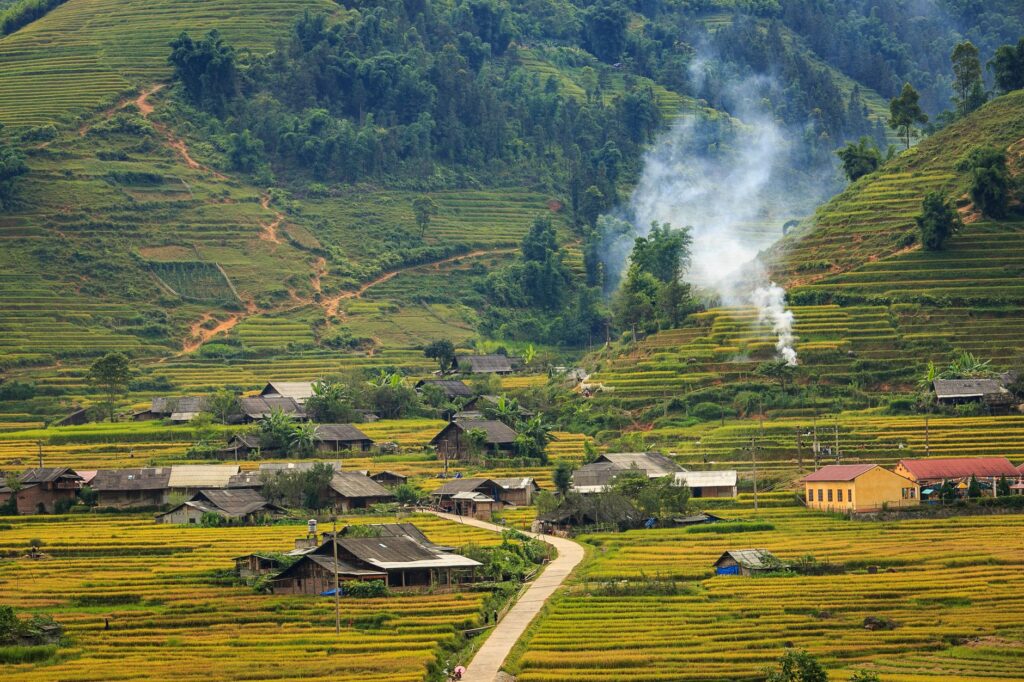
Experiential tourism initiatives in regions like Ha Giang and Cao Bang demonstrate that a model is possible where visitors actively participate in community life. This is not about observing rice harvesting from a barrier, but about muddying one’s feet in the terraced fields alongside Tay farmers, understanding the relentless physical effort demanded by the land, and sharing a simple meal cooked over a hearth at dusk. Collective memory is thus transmitted orally and tactically, transforming the traveler into a conscious and respectful witness of realities that escape traditional guidebooks.
Vernacular Architecture and Sustainable Transport as Pillars of Memory
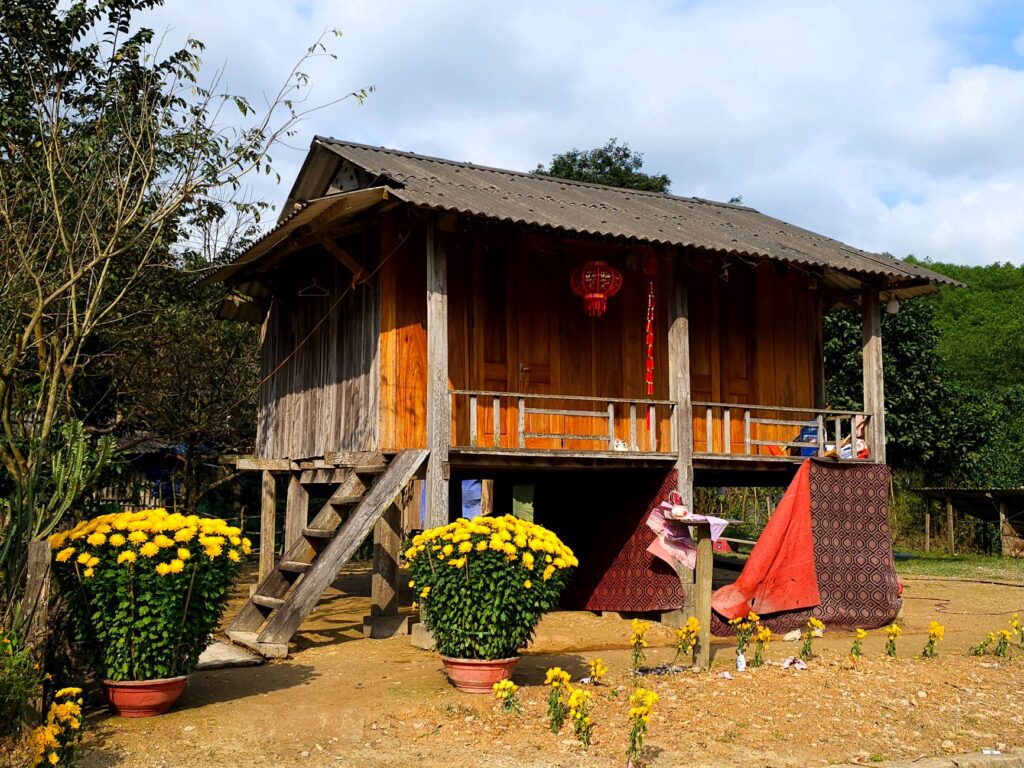
Vietnam’s living heritage is not limited to intangible expressions of music, dance, or gastronomy; it manifests decisively in its vernacular architecture and the traditional transport means that have withstood the passage of time. Ancient wooden stilt houses in the highlands, yin-yang tiled roofs in pottery villages, and the spatial layout of settlements reflect ancestral wisdom in managing climate and natural resources. This built legacy now serves as the physical foundation for tourism offerings rooted in sustainability and low environmental impact.
Furthermore, using traditional transport methods—from woven bamboo boats in river canyons to walking ancient trade routes—allows travelers to traverse the territory without disrupting fragile ecological balances or residents’ tranquility. By rejecting mass motorization in historic cores, local authorities and community collectives foster unhurried mobility. Every journey thus becomes an opportunity for detailed landscape observation, accidental encounters with local artisans, and the appreciation of an industrial and craft heritage that survives through daily use.
Heritage ceases to be an inert object kept behind a glass case to become the guiding thread of a sincere dialogue between those who preserve memory and those who seek to understand it.
The Renaissance of Craftsmanship Through Local Hands
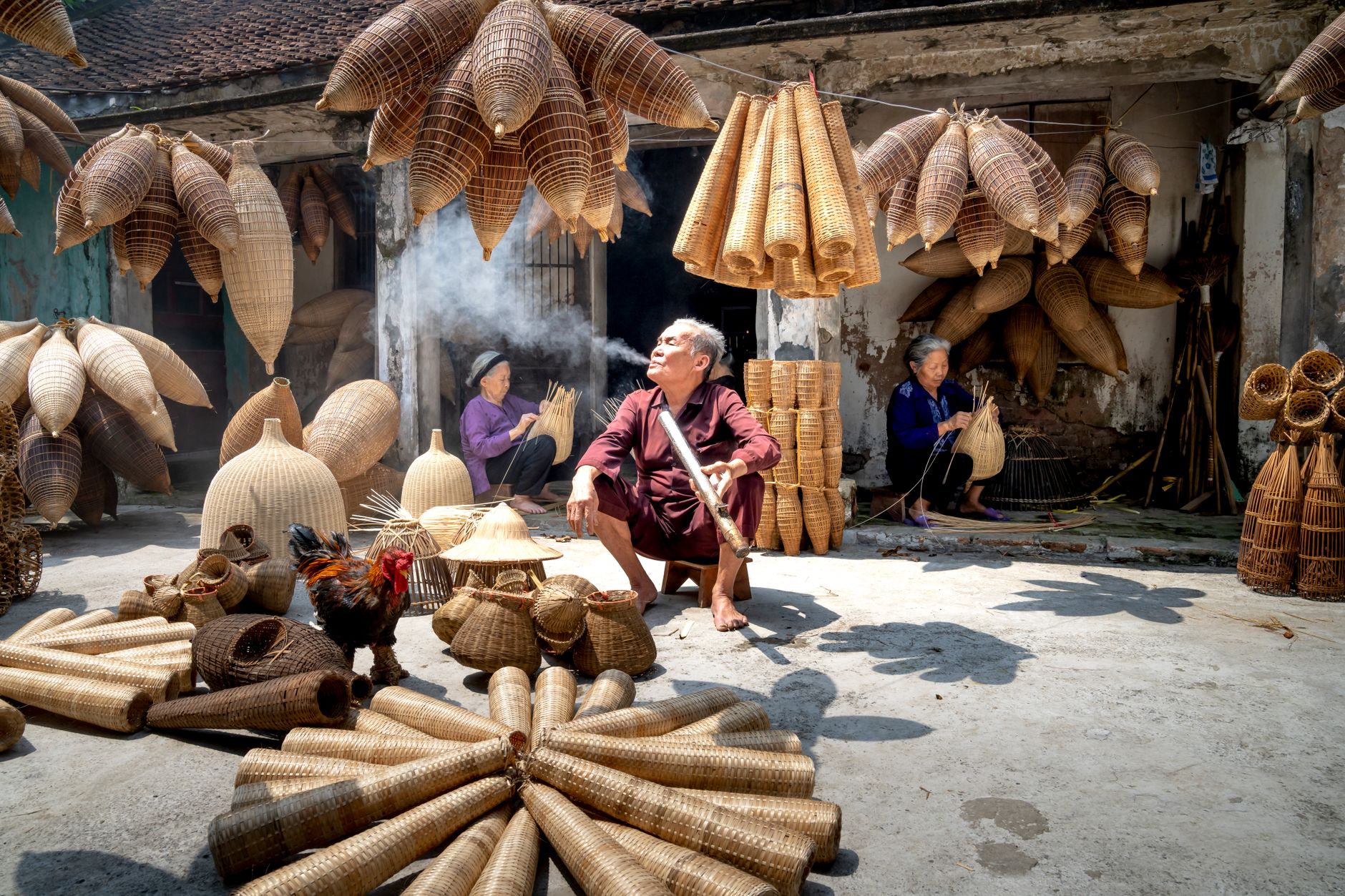
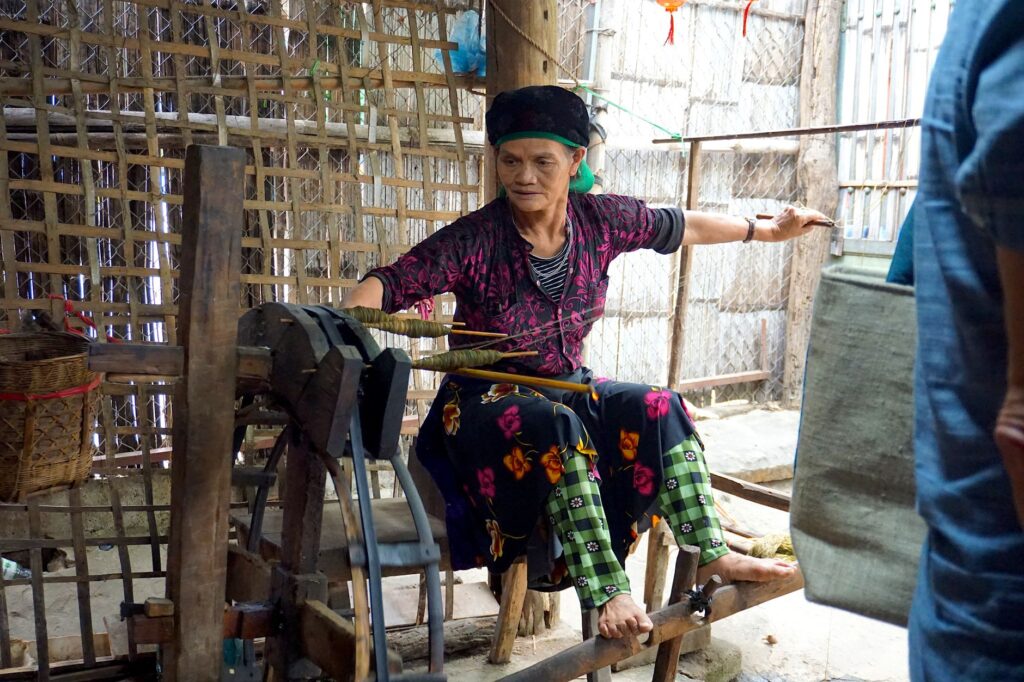
One of the most fragile pillars of Vietnamese cultural identity has always been its traditional craftsmanship: ceramics, backstrap loom weaving, wood carving, and bark paper making. For decades, global market pressures flooded the country with cheap industrial goods, threatening to extinguish these secular skills. Today, however, the rise of experience-based heritage tourism is sparking an unprecedented renaissance. Family workshops, once relegated to oblivion, are reclaiming their prominence by transforming into open-learning spaces.
Visitors now have the opportunity to immerse themselves in these centuries-old processes under the direct tutelage of master artisans. This is not about acquiring a mass-produced souvenir, but about understanding the symbolism of a pattern woven over weeks by an H’mong community woman, or shaping Red River clay under the patient guidance of a Bat Trang ceramicist. This direct contact dignifies craft labor, ensures a fair and direct income source for local families, and endows each object with a personal narrative that transcends mere commercial value.
Flavor, Ritual, and Biodiversity at the Shared Table
Vietnamese gastronomy is, by right, one of the clearest exponents of its living heritage. Far from being reduced to a mere sum of ingredients and recipes, cooking in Vietnam is a complex cultural system where traditional botany, the philosophy of balancing opposites, and profound reverence for land and water converge. Each dish tells a story of migration, climatic adaptation, and local resources, from the aromatic broths of the northern mountains to the spiced curries of the tropical south.
In current experiential tourism proposals, the culinary journey begins long before sitting at the table. Travelers accompany their hosts to local markets at dawn, learn to distinguish wild medicinal herbs, and harvest vegetables in organic gardens managed through ancestral techniques. By cooking together, the final cultural barriers fall away. The shared meal transforms into a space of intimate conversation, transmitting local legends, family anecdotes, and the worldview of communities that have successfully preserved their identity amid deep geopolitical shifts.
Practical guide
Planning a trip focused on living heritage and community experiences in Vietnam requires a respectful, flexible approach far removed from urban haste. Below are the fundamental keys to organizing an enriching and responsible stay.
When to go and seasonality
The climate in Vietnam varies drastically by region. For the northern mountainous provinces, September through November (rice harvest season) and March through May offer pleasant temperatures and clear landscapes. In the Mekong Delta, the dry season (December to April) facilitates river travel.
How to get there and get around
Major international flights arrive in Hanoi (NOI) or Ho Chi Minh City (SGN). To access rural communities and heritage tourism projects, overnight trains to the north, local buses, and local community guides are recommended to ensure economic impact directly benefits residents.

Accommodation and etiquette
Prioritize homestays managed by local cooperatives. It is essential to respect local dress codes when visiting places of worship, ask permission before photographing individuals, and avoid single-use plastics to preserve the natural and cultural environment.
Emotional Epilogue: The Eternal Echo of Shared Paths
At the end of the journey, when the bustle of Vietnamese cities fades and travelers mentally review the faces, landscapes, and shared silences, they realize the true transformation has occurred within. Vietnam’s living heritage is not reduced to stone monuments or orderly museums; it resides in the serene gaze of an elderly woman weaving stories on her loom, the morning mist rising over rice terraces, and the unwavering hospitality of those who share their home with no pretense other than building a bridge between different worlds. It is there, at that exact point of human encounter, that travel ceases to be a mere geographic displacement and becomes an indelible mark on memory.
Traveling toward the heart of living heritage means accepting that a destination’s greatest wealth is not found in what is merely observed, but in what is quietly shared.
Source: Adapted from Vietnam.vn and heritage tourism reports in Southeast Asia.