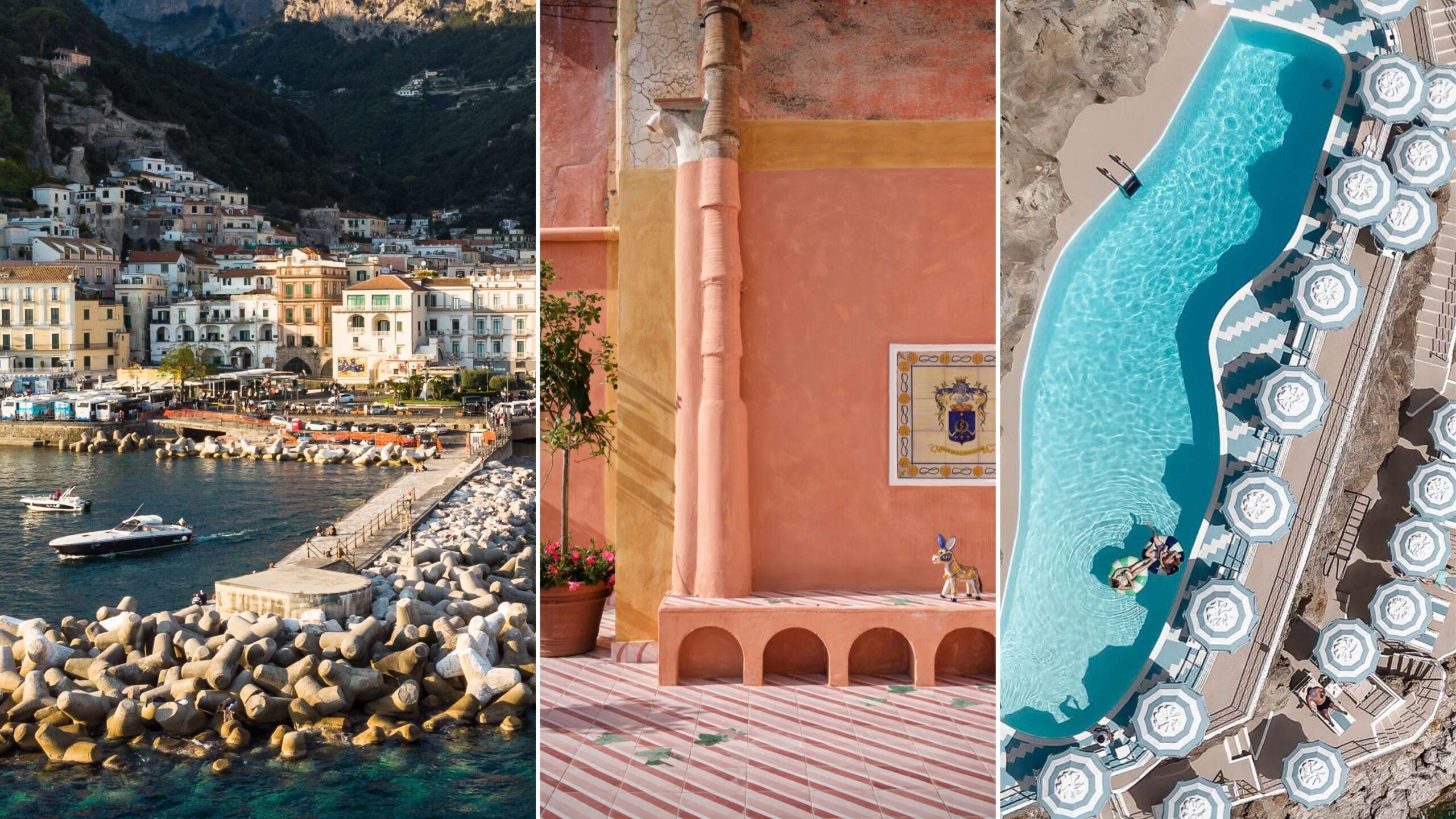

The Amalfi Coast is much more than a mere geographical accident where the limestone cliffs of the Lattari Mountains plunge violently into the Tyrrhenian Sea. It is an aesthetic concept, an idea of civilization sculpted out of terraced lemon groves, majolica-tiled domes, and impossible roads that defy vertigo. For centuries, this southern stretch of the Sorrentine Peninsula functioned as a world unto itself, communicated almost exclusively by sea, where communities of fishermen, navigators, and artisans forged an unmistakable identity long before elite tourism discovered its shores.
Today, the journalistic and travel challenge lies in stripping this territory of its habitual satin-postcard veneer to understand the real tensions between its medieval past as a maritime power, its golden post-war European boom, and the contemporary challenges of environmental conservation and mass tourism. Through towns like Positano, Amalfi, Ravello, and Furore, the coast reveals that its true appeal does not lie in ostentatious luxury, but in the tenacious persistence of a lifestyle anchored in verticality.
From the Mighty Maritime Republic of Amalfi to Seafaring Oblivion
To understand the stones that support the palaces and alleys of the coast, one must travel mentally to the period between the 9th and 12th centuries, when Amalfi was not a vacation refuge, but one of the four great maritime republics of Italy alongside Venice, Genoa, and Pisa. In that era of commercial splendor, the Amalfitan fleet dominated the western Mediterranean, establishing trade routes with Byzantium, North Africa, and the Middle East.
The might of the ancient republic translated into pioneering legal innovations, such as the Tabulae Amalfitanae, one of the oldest maritime codes in the Western world, which regulated trade and navigation throughout the inland sea for centuries. However, military decline against the Normans, coupled with a devastating natural catastrophe—the 1343 tsunami that destroyed much of the port and shipyards—plunged the region into a long slumber of rural isolation and poverty.
The Architecture of Necessity and Vertical Ingenuity
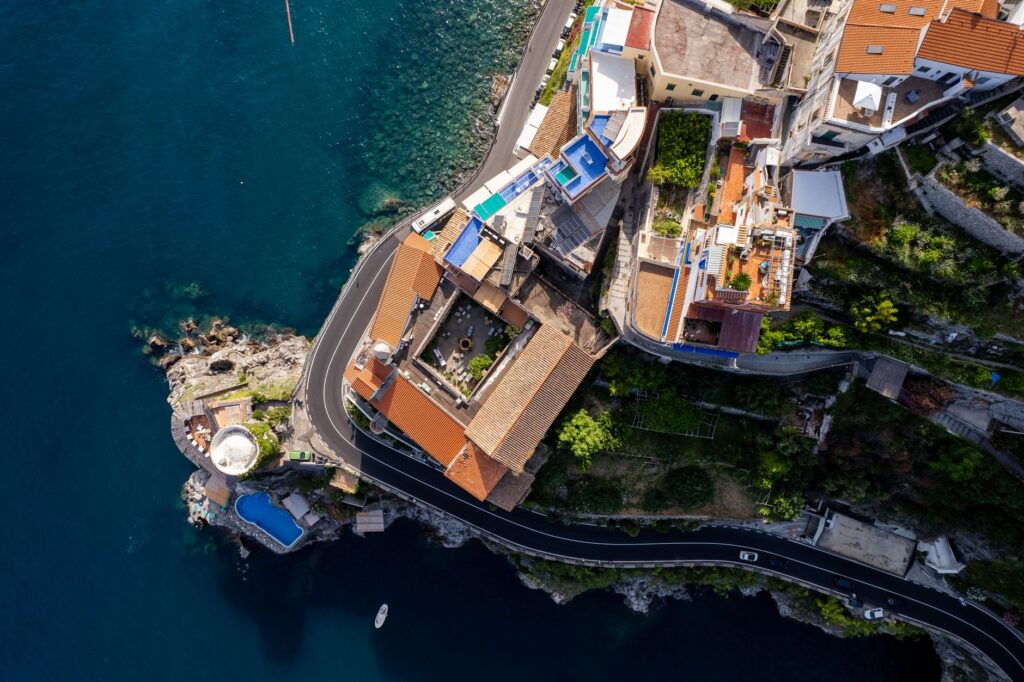
Historical isolation forced the inhabitants to develop a purely utilitarian and defensive architecture. Houses are not laid out in wide streets, but stacked one atop the other, using the roofs of lower dwellings as terraces or pathways for the upper ones. This trench-like urbanism made it possible to make use of every available square meter on slopes exceeding 60 percent gradients.
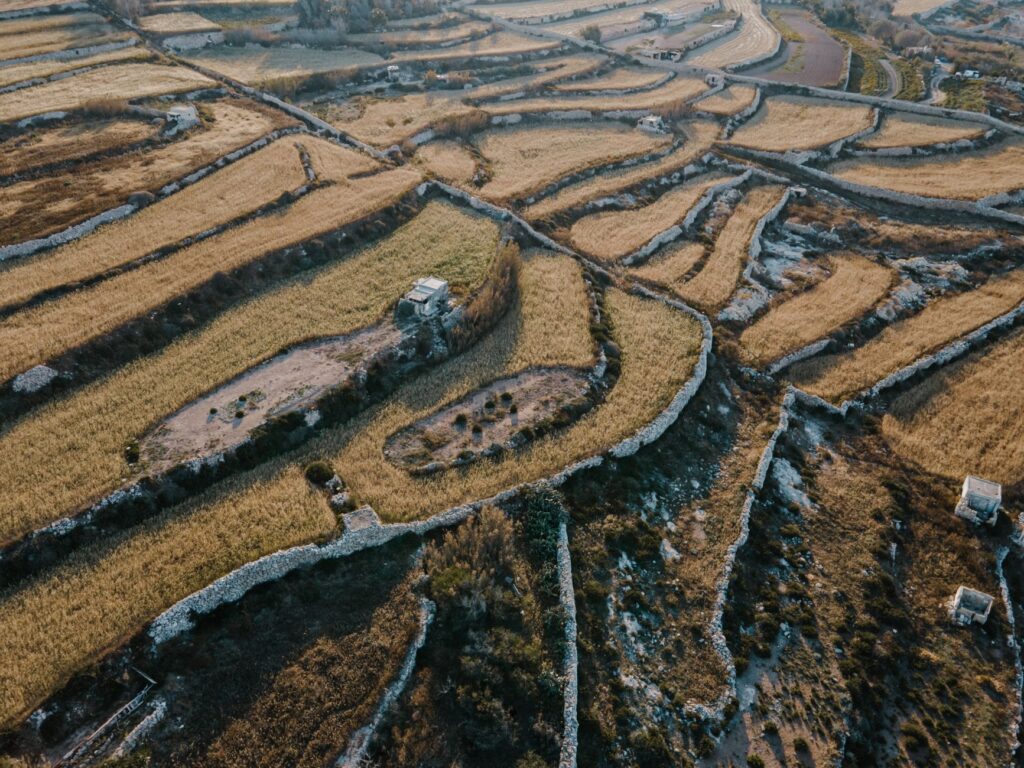
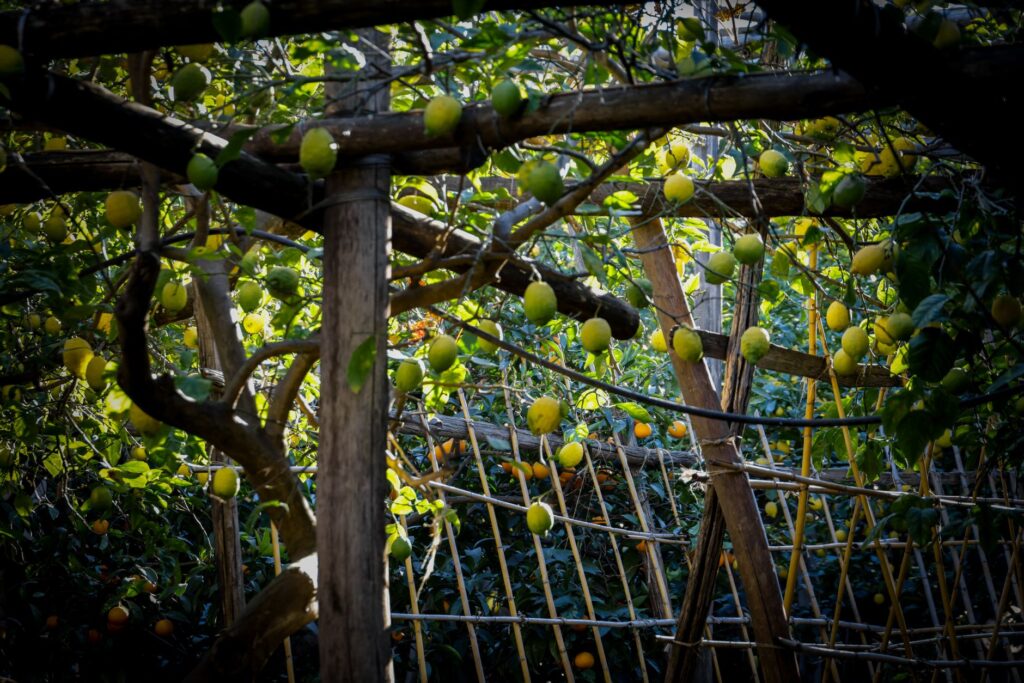
Terraced farming, supported by thousands of kilometers of dry-stone walls built without mortar known locally as macere, represents one of the greatest landscape engineering feats in the Mediterranean. On these narrow terraces thrives the celebrated Sfusato Amalfitano, an autochthonous elongated lemon with a thick skin that defines not only the local agricultural economy, but the chromatic and olfactory profile of the entire region.
The Birth of the Modern Myth: When the Post-War Era Discovered Paradise
The contemporary renaissance of the Amalfi Coast began to take shape after the Second World War, driven by writers, artists, and filmmakers seeking a refuge of authenticity and unbridled beauty in southern Italy. Figures like John Steinbeck, who immortalized Positano in a famous essay published in 1953 in Harper’s Bazaar, described the place as a dream that seems unreal when you look at it and becomes real once you leave.
During the 1950s and 1960s, the coastal stretch became the favored setting for the so-called Dolce Vita. Hollywood actors, European aristocrats, and celebrated musicians rubbed shoulders in the winding alleys with local fishermen and leather artisans. This steady flow of celebrities transformed a subsistence economy into a sophisticated tourism industry, though it also sowed the first seeds of real estate pressure that today affects the ecological balance of the cliffs.
The beauty of Amalfi lies not in the perfection of its monuments, but in the audacity of its people hanging life over the marine abyss.
Despite the commercialization of certain corners, the curious visitor can still trace the footprint of that golden era in historic hotels converted from former monasteries or in cafés where unhurried conversation continues to set the morning pace facing the Gulf of Salerno.
Ravello and the Aristocracy of Silence
While Positano and Amalfi concentrate the summer bustle and the constant ferry traffic, Ravello rises to the summit of the mountain as a counterpoint of intellectual serenity and elegant melancholy. Situated more than three hundred meters above sea level, this town never depended on seafaring activity, but instead functioned as the summer retreat of the medieval Amalfitan aristocracy and, centuries later, as a meca for creators such as Richard Wagner, Virginia Woolf, and Gore Vidal.
Ravello’s famous villas—Villa Rufolo and Villa Cimbrone—offer viewpoints suspended in the void where the perspective of the sea acquires almost metaphysical dimensions. In Villa Rufolo, the German composer found the visual inspiration to recreate Klingsor’s magic garden in his opera Parsifal. Today, the Ravello Festival perpetuates that musical vocation, turning the cliffs into stages where the orchestra seems to play directly upon the clouds.
Traditional Trades in the Mirror of Time
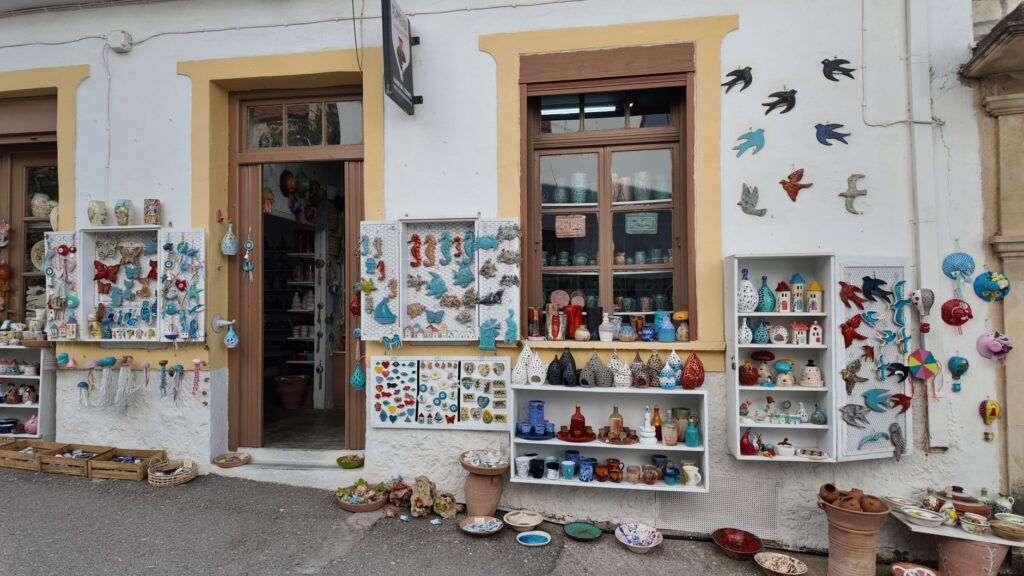
Beneath the surface of mass tourism, the coast keeps traditional crafts alive, resisting with dignity the competition of industrial production. In the alleys of Amalfi and Atrani, family workshops persist, dedicated to the manual production of handmade paper, carta bambagina, a historical legacy introduced by the Arabs in the Middle Ages that is still used for luxury editions and distinguished correspondence.
Similarly, the hand-painted ceramics of Vietri sul Mare maintain an unmistakable visual language, saturated with intense yellows, cobalt blues, and marine motifs decorating everything from church facades to the floors of traditional taverns. These artisans are not mere folkloric attractions, but the guardians of an aesthetic grammar transmitted from generation to generation.
The Geographical Backstage: Beyond the Tourist Circuit
To understand the true human dimension of the coast, it is necessary to leave the SS 163 coastal road and venture onto the high-altitude trails connecting the villages across the mountain ridges. The most eloquent example is the Sentiero degli Dei (Path of the Gods), a hiking route running between Bomerano and Nocelle, offering an absolutely dazzling overhead perspective of the Gulf of Salerno and the island of Capri.
Walking these routes makes it clear that the Amalfi Coast is, above all, a territory of physical effort and communion with rugged nature. Along these paths, it is common to cross paths with mules laden with construction materials or agricultural produce, serving as a reminder that logistics in this corner of Italy still rely heavily on human and animal vigor given the impossibility of tracing new paved roads.
Cliffside Gastronomy: Between Garden and Breakers
The cuisine of the coast is the exact reflection of its geography: direct, without unnecessary artifices, and deeply tied to the resources of the immediate surroundings. Produce from terraced gardens combines with daily catches from artisanal fishing—octopus, anchovies, sea bass, and tuna—to shape dishes where freshness and flavor intensity predominate.
The signature dish, scialatielli ai frutti di mare, a thick-cut fresh pasta accompanied by local seafood, synthesizes the generosity of the Tyrrhenian Sea. All of this is invariably washed down with Limoncello, a digestive liqueur made by alcoholic maceration of local lemon peels without chemical additives, whose origin has been disputed for centuries by families in Amalfi, Positano, and Sorrento.
Practical guide
Planning a trip to the Amalfi Coast requires logistical rigor and careful date selection to avoid the suffocating overcrowding of midsummer months.
- How to get there: Naples-Capodichino Airport is the main international gateway. From there, connect by train or bus to Sorrento, and subsequently use the ferry services and SITA bus network running along the coast.
- When to go: Autumn months (September and October) and spring (May and June) offer mild temperatures, lower visitor density, and the chance to enjoy the landscape in peace.
- Local transport: Driving the SS 163 road requires experience and patience due to narrow lanes and bus traffic. Ferries are the most picturesque and efficient option to move between villages.
- Accommodation: It is advisable to book months in advance, prioritizing small family-run hotels in less crowded towns like Atrani, Minori, or Maiori over the hustle of Positano.
Traveling along the Amalfi Coast in the off-season is the only way to hear the true murmur of the waves beneath the cliffs.
The Invisible Throb of Stone and Tide
When evening falls and the large excursion ferries leave the ports, the Amalfi Coast recovers an intimate and almost secret dimension. Terrace lights gradually flicker on in the cliffside gloom, drawing artificial constellations reflected in the dark mirror of the Tyrrhenian Sea. It is in this silent instant that the traveler understands the true nature of this territory sculpted by wind, salt, and the tenacious effort of generations.
This is not merely an aesthetic destination for rapid visual consumption, but a fragile human ecosystem where beauty and vulnerability coexist in perpetual equilibrium. The millennial stones of retaining walls, the persistent scent of terraced lemon groves, and the dull sound of waves breaking against the rock base continue to tell the same ancient story: the chronicle of a people who decided to build their home on the very border between sky and abyss.
Source in EN: Condé Nast Traveler – An Essential Guide to the Amalfi Coast (https://www.cntraveler.com/story/an-essential-guide-to-the-amalfi-coast-which-is-even-better-in-fall)