
The Mirror Where Time and Water Reflect
Northern Poland conceals a territory where geography appears to have been drawn with a compass of slowness. The Masurian Lake District, a vast network of over two thousand bodies of water connected by historical canals, winding rivers, and nineteenth-century stone locks, represents one of the last sanctuaries of peaceful river navigation on the European continent. Here, water is neither a mere resource nor a purely contemplative landscape; it is the articulating element of an amphibious civilization that has mastered survival against Baltic climatic rigors through timber architecture and deep respect for seasonal rhythms.
Far from the mass tourism circuits that suffocate European capitals during the summer months, Masuria offers a travel experience where time is measured in knots and the cadence of manual pulleys operating centenarian lock gates. The central question guiding this journey does not seek the vertigo of discovery, but rather an understanding of how such a fragile aquatic ecosystem has managed to preserve its architectural and cultural authenticity against the pressures of accelerated modernization.
The Fluvial Genesis of an Ice-Carved Landscape
The geological formation of Masuria is the direct result of the last glaciation’s retreat, a process leaving behind a terminal moraine furrowed by deep depressions that the melting ice transformed into interconnected lakes. Locals often say that God created the world and, upon realizing he had fragments of heaven left over, scattered them across the wild pine forests of this Polish region. The largest water bodies, such as Lake Śniardwy—the country’s largest, popularly known as the Masurian Sea—and Lake Mamry, act as the lungs of a hydrological system spanning over a thousand square kilometers.
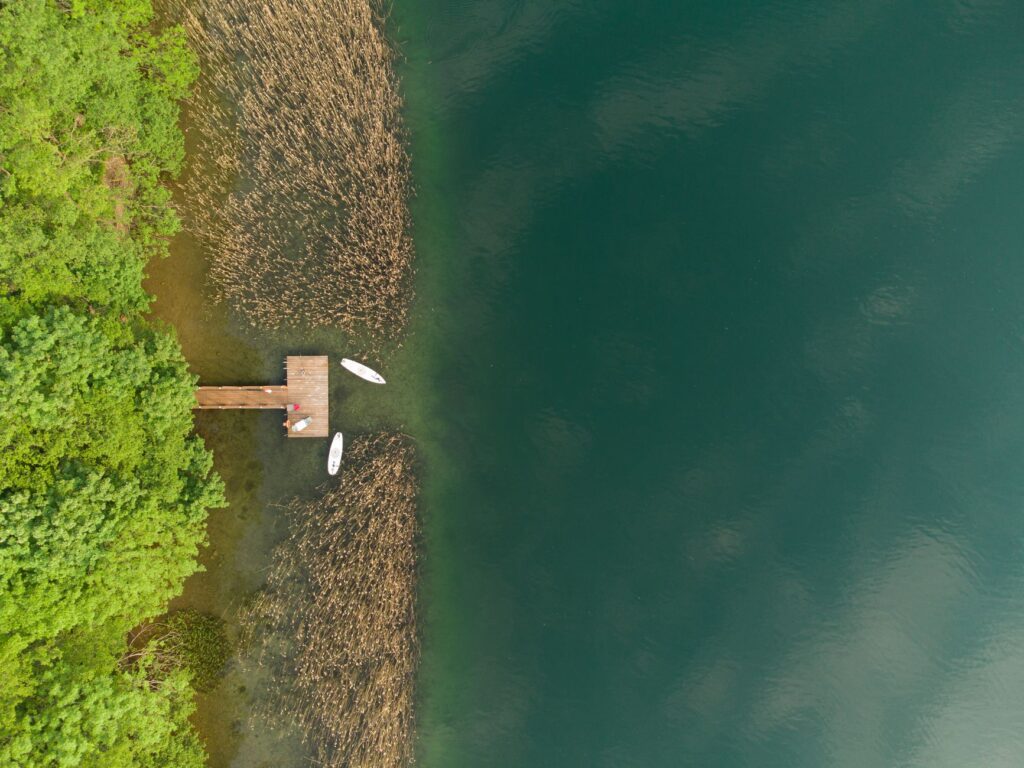
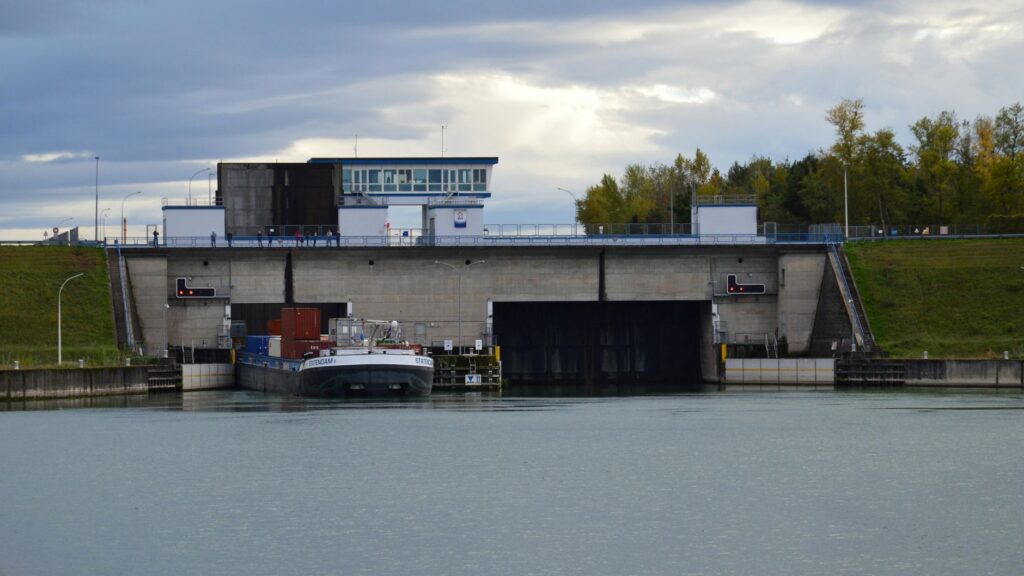
Navigation through these waters requires meticulous chart reading and an intuitive grasp of eastern winds, which blow fiercely across open plains, altering lake surfaces within minutes. Sailors traversing these routes aboard short-keeled vessels discover that every canal tells a story of civil engineering and human toil. The Guzianka or Leśniewo locks, operated in many cases by original Prussian gear mechanisms, continue to lift and lower boats with the same micrometric precision as they did over a century ago.
The Architecture of Floating Forests and Pine Hamlets
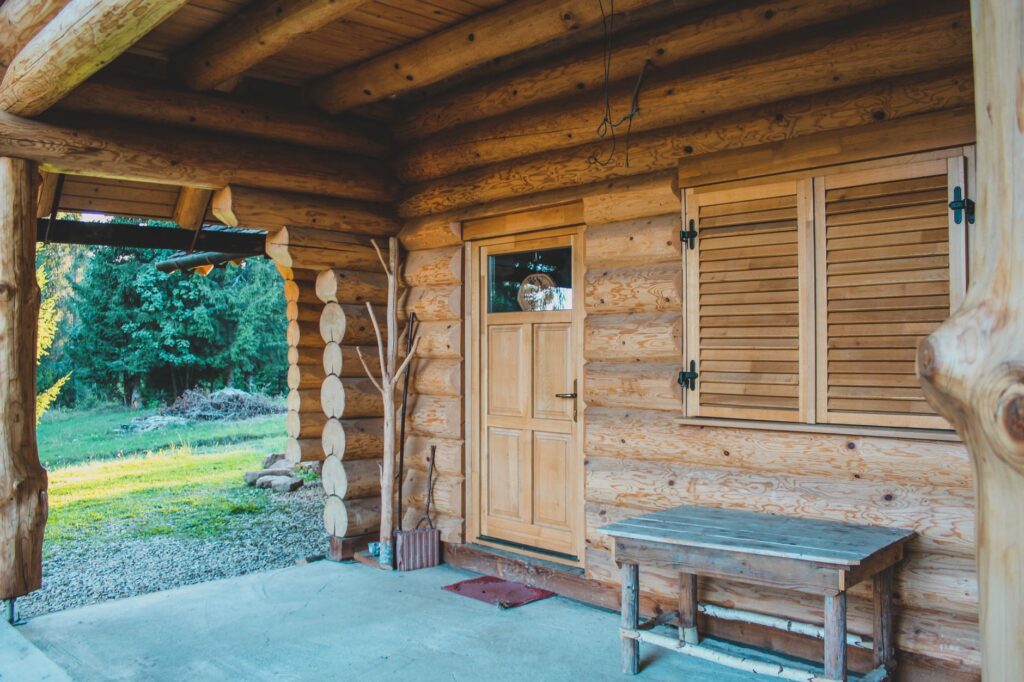
Along the riverbanks, human intervention has not competed with the natural environment, but rather blended seamlessly into it. Traditional Masurian architecture relies on red pine and spruce timber arranged in interlocking log structures with steep gabled roofs designed to withstand heavy winter snow loads. Villages like Krutyń, nestled along the river of the same name, appear frozen in time. Their dwellings display intricately carved exterior woodwork featuring floral and geometric motifs honoring local biodiversity.
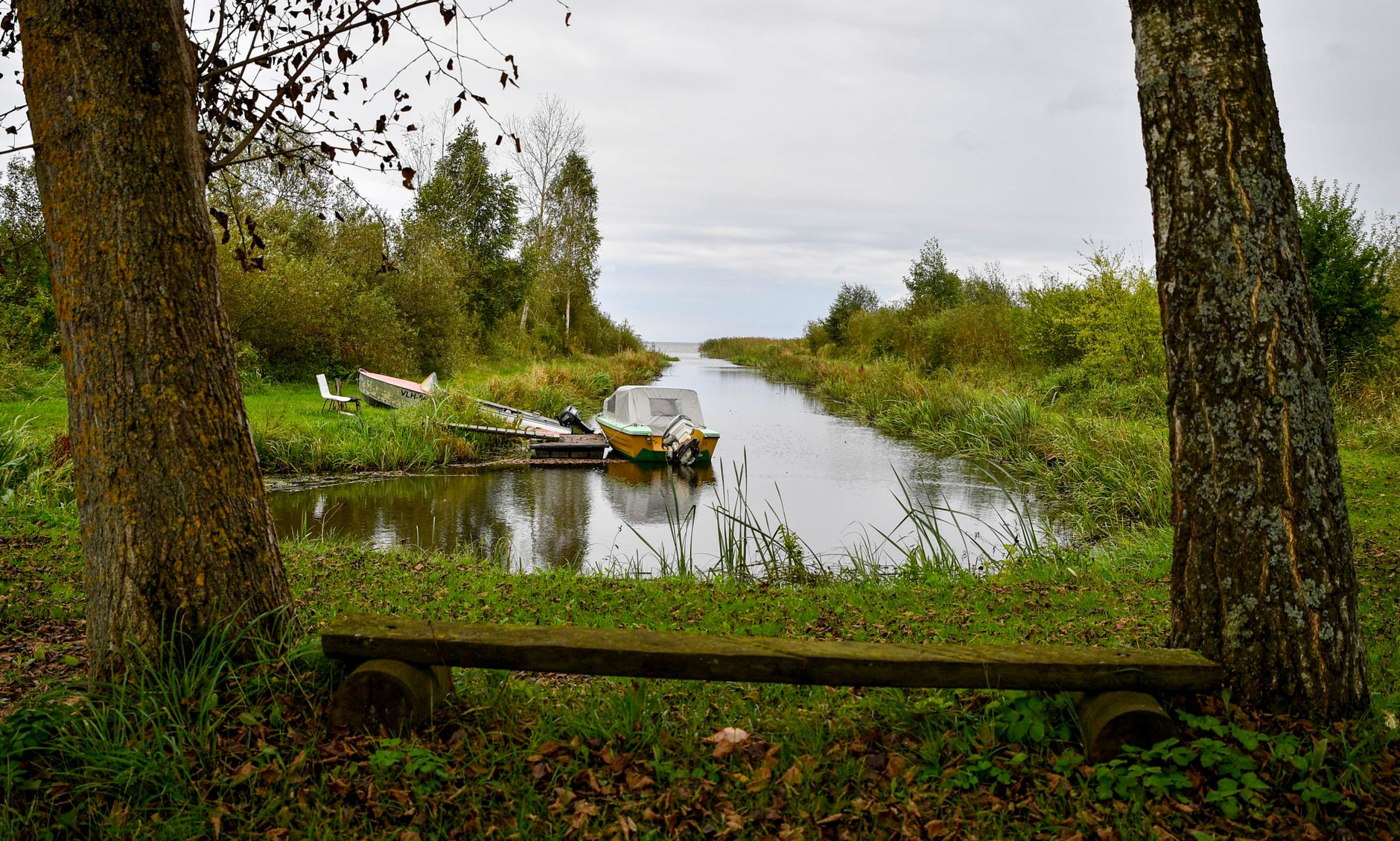
This lacustrine urbanism responds to survival and adaptation logic. Traditionally, houses were built upon piles or dry-stone foundations to protect homes from seasonal spring floods. Boat sheds, constructed directly over the water with weather-beaten planks, form a second coastline in constant dialogue with the swaying of rowboats and classic sailboats. Wood, oxidizing under constant Baltic humidity, acquires grey and ochre tones that merge perfectly with fallen logs along river margins.
The Biological Pulse of the Biosphere Reserve
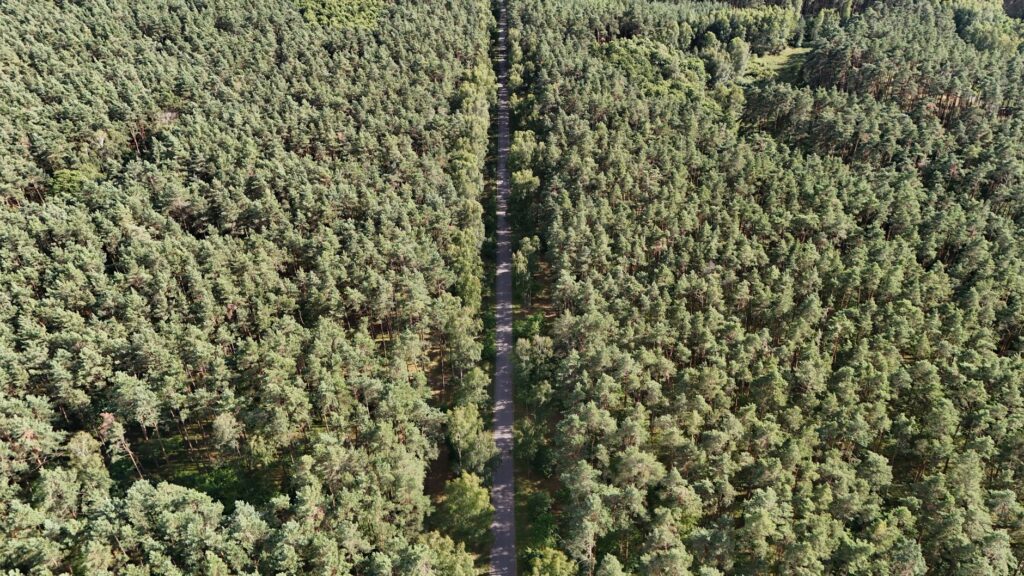
The ecological value of Masuria transcends its aesthetic beauty. Much of its territory enjoys protection as a landscape park and biosphere reserve, sheltering stable populations of species vanished from much of Central Europe. The Krutynia River, considered one of the continent’s finest canoeing routes, meanders through ancient beech forests and peat bogs where observers can spot the osprey and the European beaver constructing their dams.
The silence of these riverine forests is broken only by the rhythmic splash of paddles or the distant call of common cranes during their migratory journeys. Botanists and naturalists frequenting the area highlight the richness of underwater flora, clearly visible due to water purity in less transited zones. Charophyte meadows and white water lilies carpet the lakebeds, creating a critical habitat for numerous native fish species such as whitefish and European pike.
The Industrial Memory and Legacy of Prussian Canals
The region’s development cannot be understood without analyzing the ambitious network of artificial canals excavated during the eighteenth and nineteenth centuries under Prussian administration, whose original purpose was connecting the Vistula and Pregolya river basins for commercial transport of timber, grain, and amber. The Elbląg Canal, located at the western edge of the lake district, constitutes a masterpiece of global engineering by resolving a nearly one-hundred-meter elevation drop through a unique world system of cable-driven inclined planes and hydraulic locks.
Today, commercial barges have yielded to low-draft tourist cruisers and private sailors, yet railway and river infrastructure continues operating as functional monuments to human audacity. Exposed-brick railway stations, wrought-iron swing bridges, and inland navigation lighthouses complete a heritage mosaic requiring the traveler’s attentive and respectful gaze toward the region’s industrial past.
Gastronomy of Inland Waters and Boreal Forests
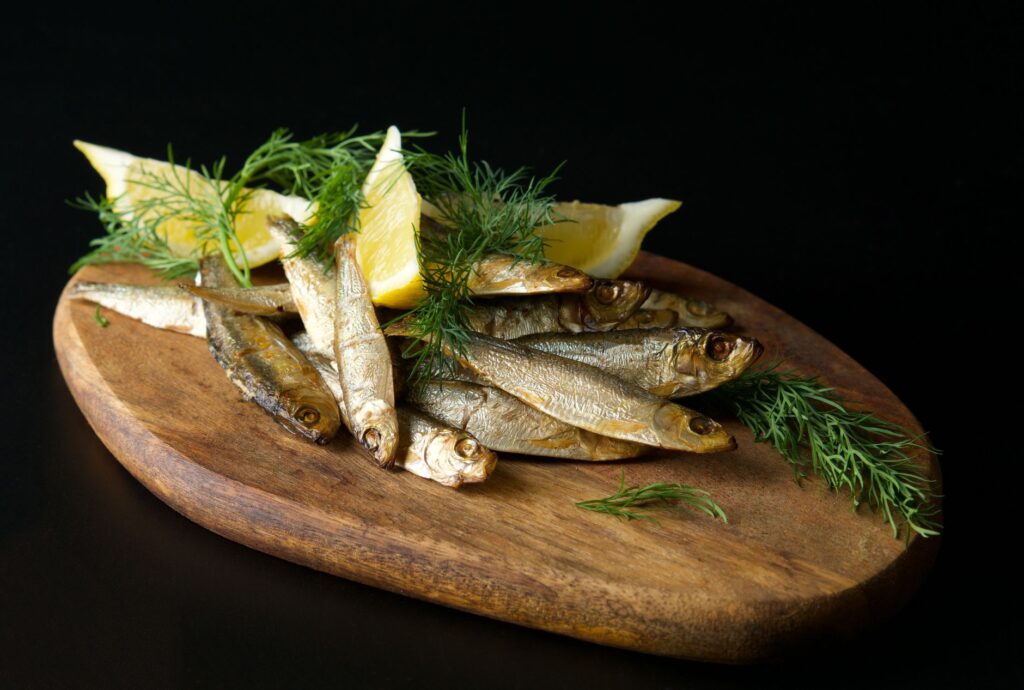
Masurian cuisine faithfully mirrors the duality of its geography: a larder nourished both by the fish wealth of its lakes and the wild fruits of its boreal forests. In the maritime taverns of Mikołajki and Giżycko, the quintessential main dish is freshwater fish prepared according to centenarian recipes. Zander (sandacz) and lake trout are typically baked with local herb butter, accompanied by new potatoes and wild mushrooms foraged in surrounding beechwoods.
Likewise, the influence of Lithuanian, German, and Polish traditions manifests in pastry-making and home-canned preserves. Cranberry and juniper berry jams accompany game meats, while sourdough fermented rye bread remains the central element of any communal meal. This territorial cuisine, stripped of modern artifices, directly connects the visitor to the rustic, honest essence of the rural communities inhabiting these shores.
Practical guide
Planning a trip to the Masuria region requires understanding its seasonality and the specific mechanics of its transport network. The navigation season officially runs from May through late September, with July and August bringing peak local sailing traffic, though June and September offer the greatest climate stability and tranquility for river exploration.
Getting There
Primary air access is through Warsaw Chopin Airport (WAW) or Gdańsk Lech Wałęsa Airport (GDN). From both cities, rail connections to regional hubs like Olsztyn or Giżycko take approximately three to four hours. For travelers desiring total autonomy in exploring minor hamlets and locks, renting a vehicle at major airports before heading into the lake district is strongly recommended.
Navigation and Boat Rental
Navigating the canals does not strictly require a nautical license if renting low-power motorboats (up to ten kilowatts) or small sailboats, widely available in marinas such as Mikołajki, Ruciane-Nida, and Węgorzewo. Local companies offer brief introductory river piloting courses and provide updated nautical charts detailing shallow areas and passage regulations at historic locks.
Accommodation and Sustainability
Accommodation options range from hotels integrated into former fortifications to ecologically constructed timber cabins and agritourism farms run by local families. Booking several months in advance is advised when traveling during mid-summer. As a fundamental tenet of sustainable tourism, visitors are reminded of the strict prohibition against discarding waste into lakes and the obligation to use greywater pump-out facilities established in authorized marinas.
The Final Beat in Lake Śniardwy’s Mist
As the sun begins to dip over Masuria’s flat horizon, the surface of Lake Śniardwy transforms into a canvas of copper and violet hues that dissolve the boundary between sky and water. On the wooden piers of villages like Popielno, where wild tarpans still graze freely in the protected meadows of the peninsula, time acquires unusual density. There are no ocean liner sirens or urban horns; only the soft creaking of masts matched to the evening breeze and the distant splash of a fish breaking the water’s surface tension. In that moment of absolute stillness, the amber route reveals its deepest purpose: reminding us that the most transformative journey is not the one taking us farthest away, but the one returning us to pause, to nature’s rhythm, and to the ancient silence of essential elements.