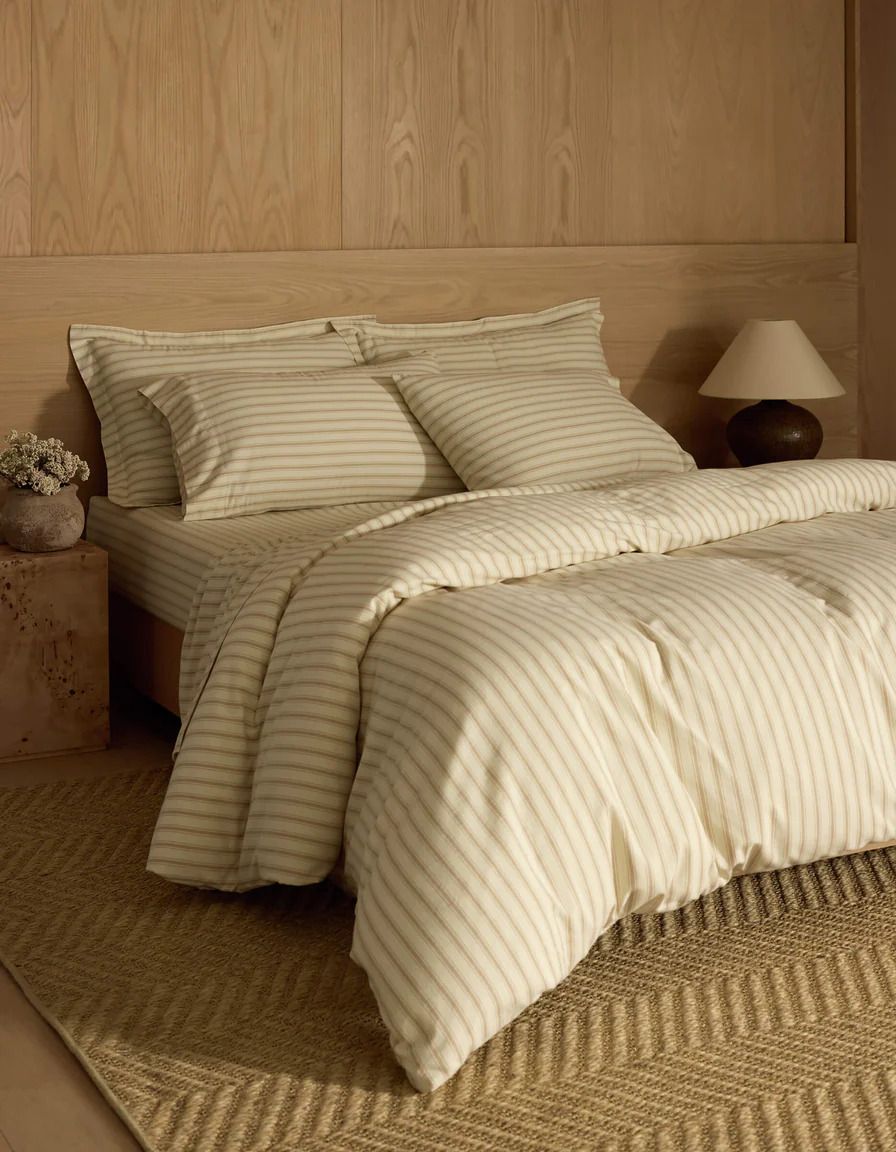

Introduction to the Modern Sanctuary of Rest
In an era of hyper-connectivity and relentless pacing, the home has transformed from a mere transitional space into the ultimate stronghold against contemporary stress. Interior architecture and spatial design no longer focus solely on visual aesthetics, but rather on the neurobiological restoration of the individual. The bedroom, in particular, has emerged as the epicenter of a new wellness movement where every element—from lighting to the materiality of textiles—serves an essential therapeutic function. Environmental neuroscience demonstrates that tactile and thermal stimuli during sleep directly dictate the quality of cognitive and physical recovery, elevating rest from a basic biological necessity to a conscious self-care discipline.
The pursuit of restorative sleep has driven a radical transformation in the textile design industry, prioritizing sustainability, breathability, and the ethical origin of raw materials. Bamboo-derived fibers, for instance, have revolutionized the luxury market thanks to their natural thermoregulating properties, offering a superior alternative to conventional cottons in both ecological footprint and sensory comfort. This report examines how the conscious selection of bedding elements influences the architecture of sleep, analyzing the quality standards that define true contemporary luxury and how to access them intelligently through strategic savings and exclusive memberships.
The Science Behind High-End Textiles and Thermoregulation
The microclimate formed between the bedsheets and the human body is a critical factor in maintaining the continuity of deep and REM sleep stages. Throughout the night, core body temperature fluctuates naturally, and any disruption in this heat dissipation cycle can cause semi-conscious awakenings that fragment rest. Advanced fabrics, especially those derived from closed-loop processed bamboo cellulose, possess a moisture absorption capacity significantly superior to traditional cotton, dispersing excess body heat and maintaining a stable temperature throughout the eight-hour sleep cycle.
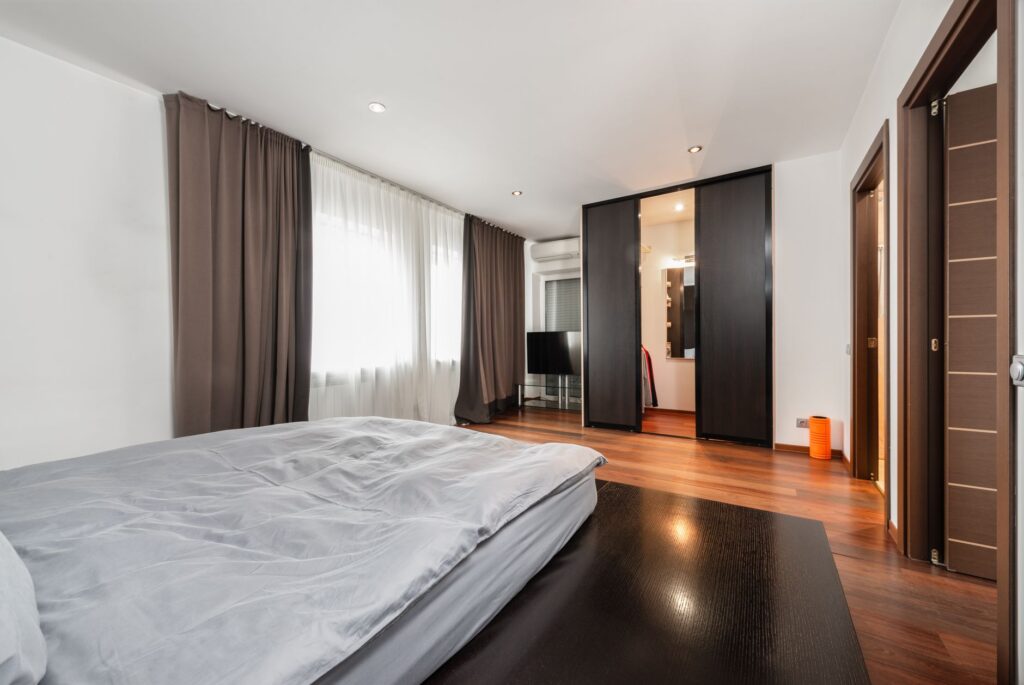
In addition to thermoregulation, the hypoallergenic softness of these materials prevents skin irritation and minimizes the accumulation of environmental mites and allergens. For individuals with sensitive skin or dermatological conditions such as eczema, the choice of bedding is not a matter of ostentation, but an almost medical prescription to ensure the integrity of the skin barrier during peak cell regeneration hours. Investing in certified, high-quality textiles represents a long-term commitment to dermatological and systemic health.
True luxury in the modern home does not lie in the accumulation of ostentatious objects, but in the purity of the materials that come into direct contact with our skin during the vulnerable hours of sleep.
The Architecture of Wellness: Multisensory Bedroom Design
Transforming a room into an environment conducive to disconnection requires a holistic approach that engages all five senses. Sight, touch, smell, and scent play a crucial role in signaling the brain to transition from a state of alertness to a state of repose. Biophilic design experts recommend neutral color palettes inspired by nature—sand tones, soft terracotta, and mossy greens—that reduce amygdala activity and naturally promote melatonin production. Lighting, meanwhile, should be structured in warm layers, completely eliminating blue light sources at least two hours before bedtime.
The tactile element takes center stage on the sleeping surface. Layering the bed—from lightweight sheets to balanced weighted blankets and ethical down or plant-based alternative duvets—allows individuals to modulate comfort according to the changing seasons and physiological needs. This flexibility in bed design fosters a nightly preparation ritual, where the act of making and unmaking the bed acquires an almost meditative significance, marking the symbolic separation between daytime obligations and nighttime quietude.

Sustainability and Traceability: The New Standard of Textile Luxury
The rest industry has experienced unprecedented scrutiny regarding its environmental impact, forcing high-end brands to adopt rigorous standards of traceability and ethical production. Cultivating bamboo for premium bedding requires a fraction of the water used in conventional cotton farming and demands no harsh synthetic pesticides. However, discerning consumers demand transparency regarding the chemical processes used to transform the plant into textile fiber, requiring international certifications that guarantee the absence of harmful substances for both the user and the ecosystem.
This transition toward a circular economy in the sleep sector is also reflected in product durability. High-quality sheets not only offer a superior sensory experience but are engineered to withstand dozens of wash cycles without losing their original structure or softness, reducing the need for frequent replacements and combating throwaway culture. Investing in durable pieces is, at its core, an act of ecological responsibility that redefines the concept of conscious consumption at home.
Budget Optimization Strategies in the Comfort Market
Acquiring high-end sleep products does not have to disrupt financial stability if informed purchasing tactics are applied and brand loyalty ecosystems are utilized. The domestic wellness sector frequently implements seasonal promotional windows, particularly during September’s seasonal shifts and autumn transition periods, launching exclusive discount codes and returning member benefits that significantly reduce the initial investment cost.

One of the most effective practices for maximizing budgets when purchasing luxury bedding and loungewear is combining bundle deals with verified discount codes. Leading brands in this segment often offer cumulative price reductions when purchasing complete sets that include sheets, duvet covers, and matching sleepwear. Additionally, subscribing to specialized newsletters often grants priority access to private sales and unique promotional codes with savings of 30% or more, securing access to premium goods through smart purchase planning.
The Impact of Loungewear on Disconnection and Remote Work Rituals
With the consolidation of hybrid and remote work models, loungewear has evolved from simple utilitarian attire into a fundamental component of mental health and sleep hygiene. Wearing garments crafted from ultra-soft, breathable fabrics at the end of the workday acts as a psychological trigger that signals the nervous system to wind down. This wardrobe change facilitates the mental transition between professional productivity and personal rest.
The choice of materials for loungewear should be guided by the same quality and sustainability criteria as bedding. Natural fibers that adapt to body temperature allow skin to breathe without accumulating static or moisture, offering a continuous sense of well-being that extends from the late afternoon hours to morning awakening. Integrating these garments into the daily routine reinforces a commitment to a lifestyle where comfort is not an occasional luxury, but a constant priority.
Caring for our rest is the most subtle and necessary act of resistance against the demands of a world that never stops.
Practical guide
How to identify high-quality textiles: Examine fabric density, tactile softness, and look for official certifications such as OEKO-TEX that guarantee the absence of toxic chemicals in the manufacturing process.
Recommended savings strategies: Subscribe to official wellness brand channels during seasonal transition months, such as September, to leverage verified promotional codes and bundled offers providing up to 30% off.
Maintenance and care of natural fibers: Wash bamboo bedding on delicate cycles with cold water and neutral detergents; avoid synthetic softeners and high-heat drying to prolong fiber lifespan.
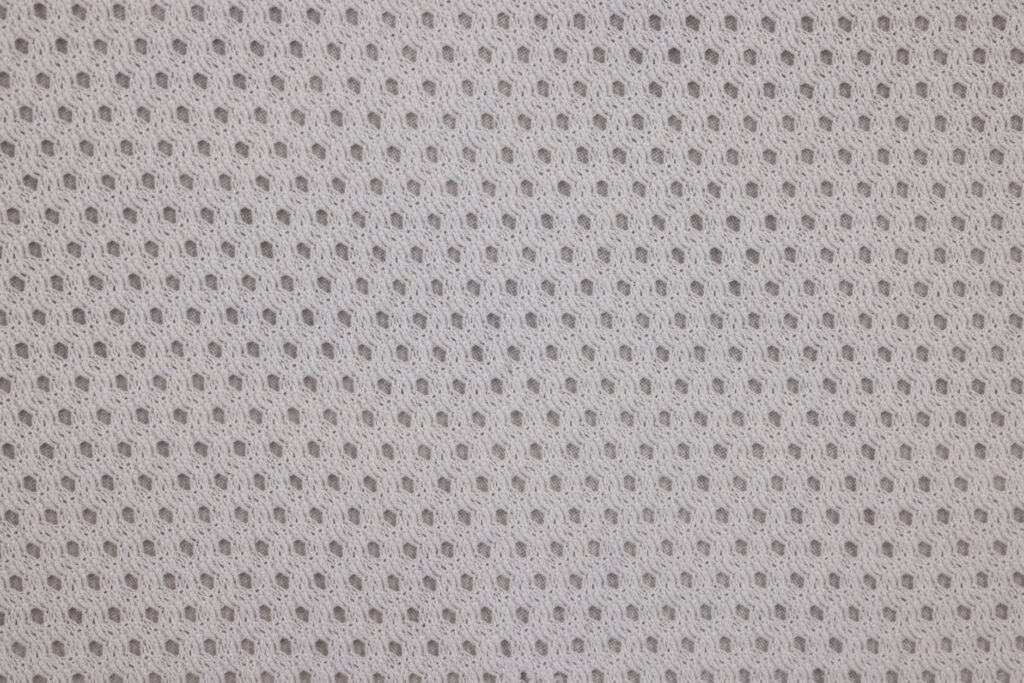
Optimizing the nighttime microclimate: Maintain bedroom temperatures between 15°C and 19°C and combine thermoregulating sheets with lightweight blankets to facilitate the body’s natural core temperature drop during sleep.
The Ultimate Refuge: Toward a Culture of Regenerative Rest
The contemporary bedroom thus solidifies not as a static space, but as a living organism evolving in tune with our biological and emotional needs. By prioritizing sensory quality and sustainability in every detail of the resting environment, we rediscover the primordial value of silence and pause. In this personal sanctuary, every night becomes an opportunity for profound regeneration, reminding us that the most genuine well-being always begins in the quiet of our own bed.
Source: Information adapted and verified from the original report published in Condé Nast Traveler (https://www.cntraveler.com/story/cozy-earth-coupon-code).