
The recent ground stop orders at major airports across the northeastern United States have once again laid bare the chronic vulnerability of the air transportation system in one of the most densely populated regions on Earth. When severe weather, congestion, or technical failures paralyze runways from Boston to Washington D.C., thousands of passengers find themselves stranded within minutes, turning terminals into hives of uncertainty. This recurring phenomenon not only disrupts individual travel plans but destabilizes logistics and economic chains nationwide, proving that an exclusive reliance on aviation as the backbone of regional mobility represents an unacceptable systemic risk.
Faced with this chaotic reality, experts and frustrated travelers are once again turning their gaze toward the ground. While air traffic falters at the slightest meteorological or administrative adversity, high-density rail corridors emerge as an indispensable counterbalance. The current crisis is not merely an operational glitch in commercial aviation, but a structural warning about the urgent need to diversify transport options. Analyzing this collapse entails examining how U.S. transportation infrastructure struggles between obsolescence and the pressing need for a long-delayed transformation.
The Vulnerability of the Skies in the Northeastern Corridor
The airspace blanketing the northeast of the United States permanently operates at the edge of its theoretical capacity. With international hubs on the scale of JFK, LaGuardia, Newark Liberty, and Logan concentrating a disproportionate volume of daily operations, any minor disruption triggers a domino effect spanning the entire nation. Air traffic controllers grapple daily with an aging navigation architecture and a volume of traffic that vastly exceeds the projections used to design much of the current infrastructure.
Ground stops have become an increasingly frequent resort for managing safety when weather conditions deteriorate or critical saturation arises in approach sectors. However, this containment mechanism highlights a lack of systemic flexibility. Unlike other economic powers where intermodal systems absorb localized incidents efficiently, in the northeastern U.S. a flight cancellation frequently means total journey interruption for the average passenger due to the scarcity of viable rapid land transport alternatives.

From Air Breakdown to the Rediscovery of the Rails
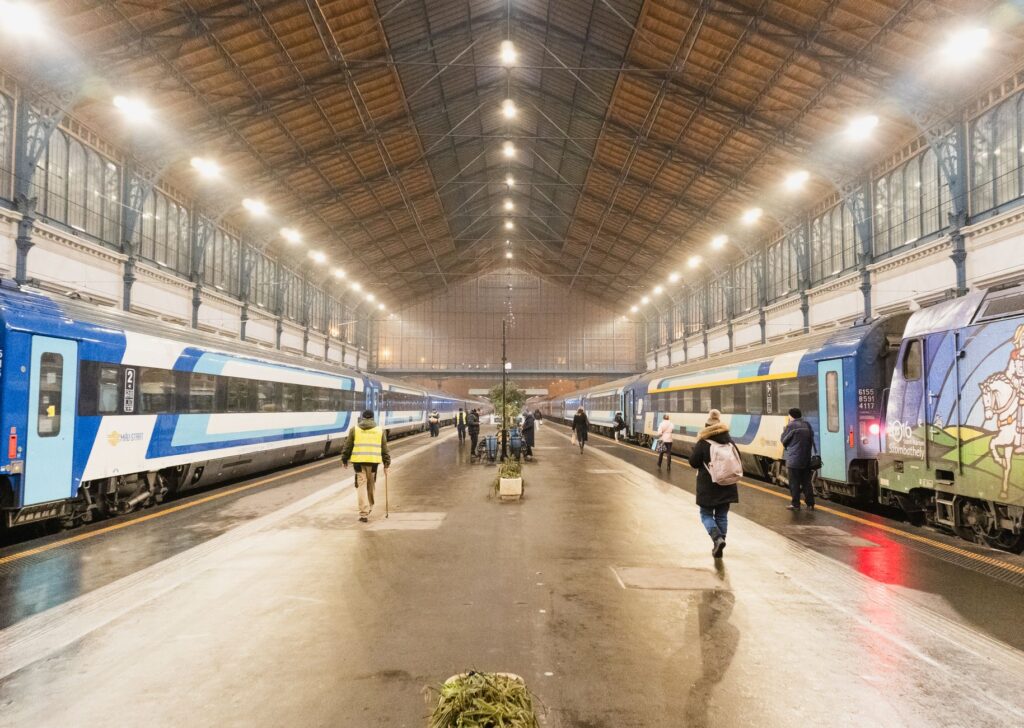
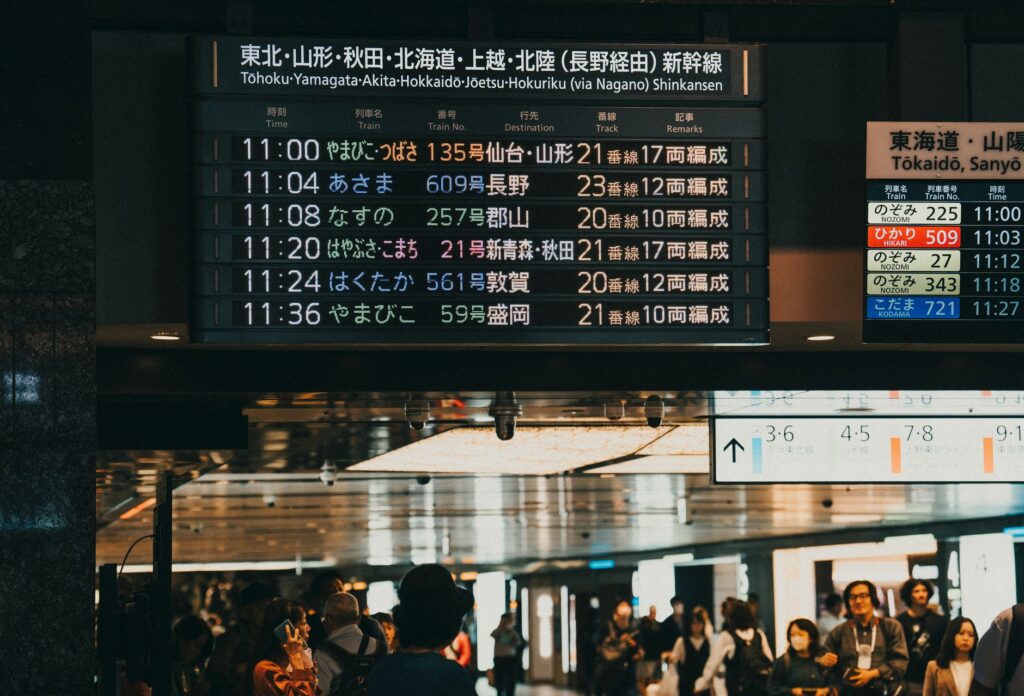
When airport departure boards fill with cancellation notices, users experience an immediate sense of helplessness. It is precisely in these moments of crisis that rail transport demonstrates its inherent strategic value. Unlike aviation, which depends on invisible atmospheric corridors and strict visibility protocols, trains travel along fixed infrastructure that, while also vulnerable to certain weather factors, offers far superior operational resilience during episodes of congestion or moderate storms.
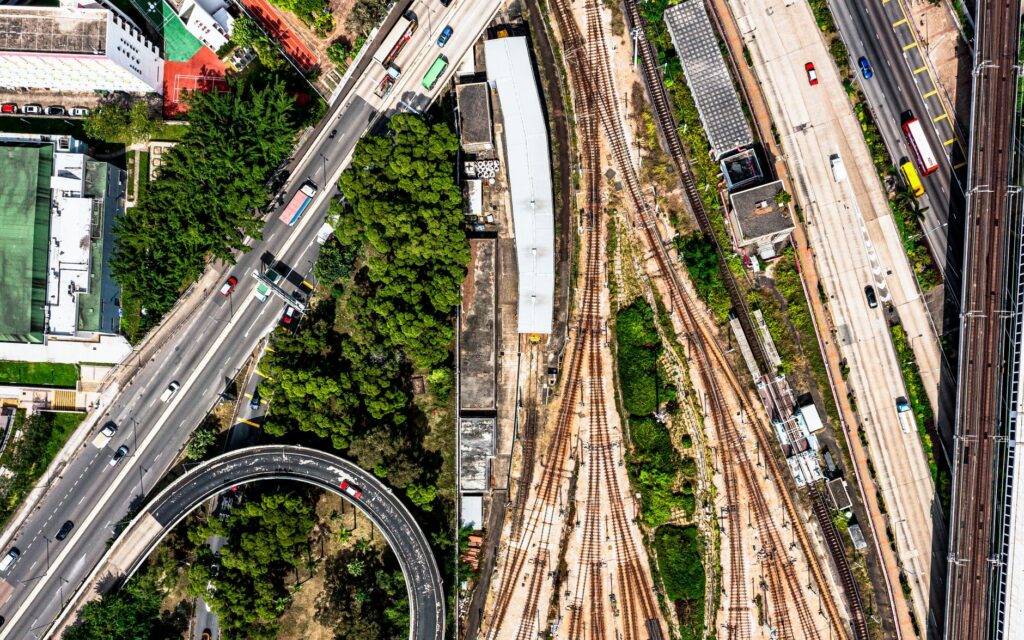
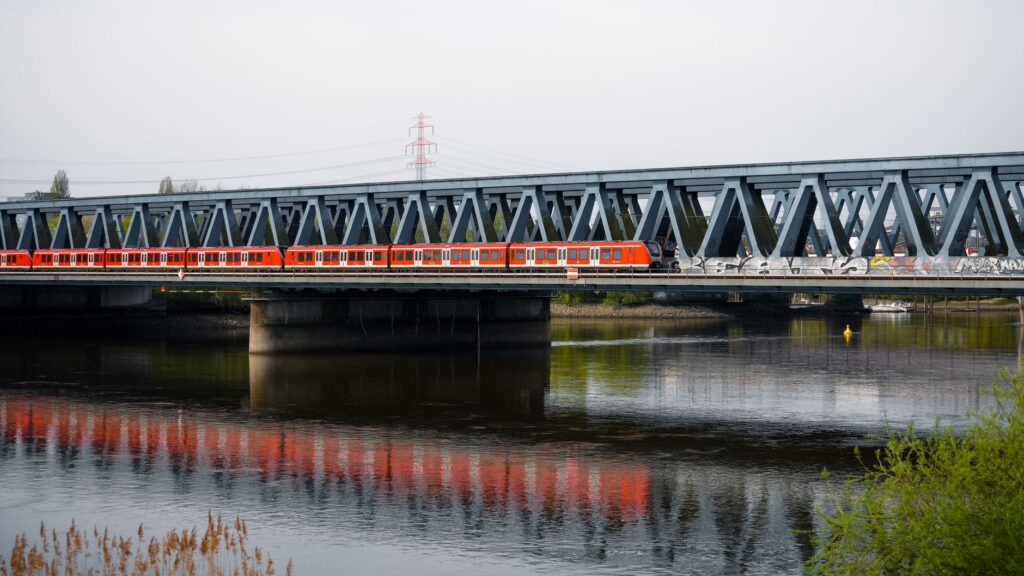
The rail corridor linking Washington D.C., Philadelphia, New York, and Boston constitutes the clearest testbed of this reality on the American continent. Although this route suffers from historical limitations in speed and component age compared to European or Asian networks, its capacity to absorb thousands of travelers diverted from air terminals proves the indispensable complementarity that must exist between both transport modes. Sky saturation is not merely a temporary nuisance; it is a symptom of an imbalance in public investment that has historically favored skies over tracks.
The fragility of air traffic in the northeastern U.S. proves that a modern transportation system cannot rely on a single medium vulnerable to congestion and weather.
The comparison of energy and spatial efficiency between commercial airplanes and medium-to-long-distance trains further reinforces the urgency of this rethink. While an aircraft consumes massive quantities of fossil fuel during takeoff and climb phases—the most critical and polluting—a high-capacity electric train moves hundreds of people with a considerably lower carbon footprint per passenger. In a global context marked by climate urgency, the inability to manage regional traffic effectively through sustainable land alternatives represents a missed opportunity for sector decarbonization.
The Human Factor: Stranded Passengers and Traveler Fatigue
Behind every cancellation statistic and headline about temporary airport closures lies a complex human dimension. Millions of travelers moving for professional, medical, or family reasons experience growing fatigue over the unpredictability of air travel. Hopes pinned on a punctual flight frequently dissolve amid endless lines, overwhelmed customer service desks, and the frustrating search for makeshift lodging in cities where the cost of living is already steep.
This chronic traveler fatigue is transforming consumer habits and the social perception of mobility. Citizens are beginning to question the normality of a system where flight cancellations due to rain or wind are accepted as inevitable inconveniences rather than avoidable management failures. Professionals relying on connectivity between the major financial centers of the Northeast actively seek alternatives ensuring a minimum level of predictability, finding in traditional rail services an escape route from airport stress.
Infrastructure and Modernization: Unresolved Rail Challenges
Despite theoretical advantages over flight disruptions, the U.S. rail network bears monumental challenges limiting its capacity to emerge as the definitive solution to the mobility crisis. Decades of public underinvestment have left a legacy of century-old bridges, obsolete tunnels, and signaling systems requiring urgent replacement. The Hudson River tunnel, for instance, a critical bottleneck for rail transit into Manhattan, operates near structural collapse, threatening to paralyze ground transport with the same force that storms halt air traffic.
Modernization plans announced in recent years aim to inject capital into these key corridors, but executing complex works in densely populated urban areas proceeds slowly. Introducing faster, more efficient trains collides with the reality of infrastructure sharing heavy freight tracks and outdated segments where rolling stock cannot unleash its full speed potential. For rail to effectively compete with commercial aviation over distances up to 370 miles (600 kilometers), it requires not only political will but a comprehensive transformation of the regulatory and financial framework governing public works.
The Economic Impact of Regional Paralysis
Disruptions in the northeastern U.S. transportation system generate shockwaves shaking the national economy. This region concentrates a disproportionate share of U.S. GDP, housing the country’s most influential financial markets, corporate headquarters, and political decision centers. When airports close unexpectedly, business meetings are canceled, critical deliveries delayed, and entire sectors like hospitality, tourism, and professional services suffer.
Economic costs from lost productivity far outweigh budgets needed to modernize alternative transport infrastructure. Airlines sustain millions in losses for compensation, rescheduling, and unforeseen maintenance costs, while corporations tally hours of work evaporated in crowded terminals. In this scenario, investing in a robust, fast, and redundant rail network ceases to be a dispensable expense and becomes an indispensable insurance policy for regional macroeconomic stability.
Investing in a robust rail network is not an aesthetic luxury, but a vital economic necessity to shield Northeast productivity against sky crises.
Likewise, local and federal authorities are beginning to understand that the long-term competitiveness of North American metropolises depends on their ability to fluidly and sustainably connect urban centers. Cities lacking efficient multimodal transport systems risk losing appeal against global capitals where integration between train, subway, and aviation operates with higher synchronization and emergency resilience.
Practical guide
Planning a trip through the northeastern United States requires a flexible strategy incorporating intermodality and anticipation regarding potential airport disruptions.
Real-time monitoring: Use official FAA and airport authority applications to verify flight status before heading to the terminal.
Rail alternatives: Check Northeast Corridor rail services operated by Amtrak as a primary option during weather alerts or airport closure notices.
Itinerary flexibility: Avoid tight connections and schedule travel with sufficient margin to absorb potential operational delays.
Passenger rights: Familiarize yourself with current airline refund and rebooking policies for service suspensions caused by force majeure.
Hand luggage: Travel whenever possible with light luggage that you can carry with you on the train or in case of unexpected route changes.
Alert subscriptions: Enable automatic transport status notifications on your mobile device to receive instant incident alerts.
Toward a New Paradigm of Integrated Mobility
The airport collapse in the northeastern United States is not an isolated incident, but the clear symptom of an exhausted transportation model requiring deep revision. Solving these bottlenecks requires more than expanding runways or modernizing air traffic control towers; it demands building a truly multimodal system where train and airplane stop competing in isolation and begin operating as coordinated pieces of a single mobility network. Only through a decisive commitment to high-capacity rail infrastructure will it be possible to ensure northeastern citizens can travel safely, predictably, and sustainably, even when the skies decide to close.
Source in EN: The Traveler – Ground stop at major Northeast airports snarls US travel (https://news.google.com/rss/articles/CBMijgFBVV95cUxPay11N25yaUNUMHgxSHpOSGhaRWJMQ3YyNE1KMWVJY3ZaMGdwb0ZWS2RLd0R1LVZ6alJhV0hVc3RnYlB3NXoxYk1kT3A3Z0s4Y0hLM0M2WkEyaVFRWDlnQ29RSk1zYkJLMHRqdjhBTFJtd3BEbWlBamV5MWE2UWdhZ3VVMjlGZWJnZjY5WG5n?oc=5)