
The Atlantic Larder of Our Lady of Africa
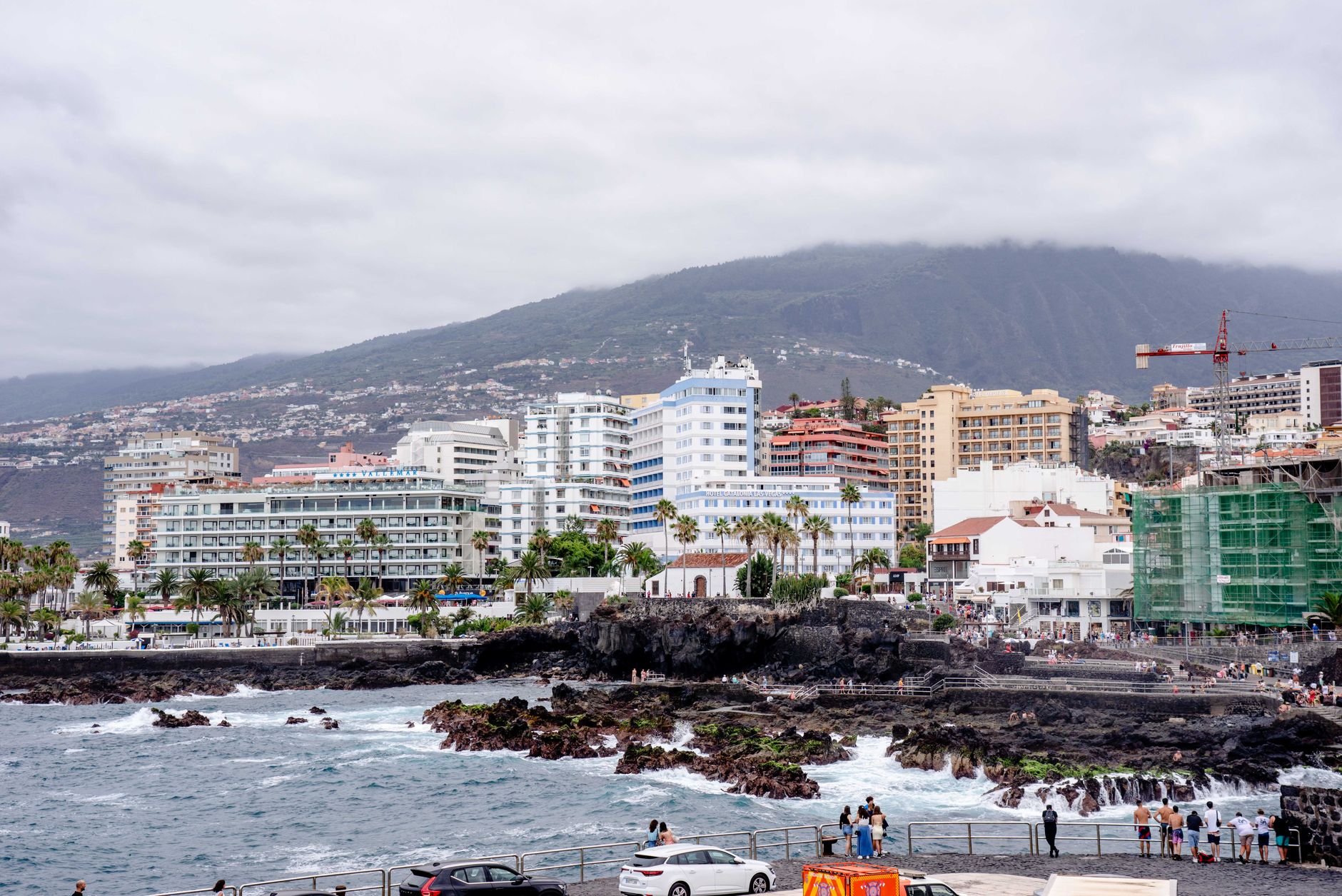
Dawn on the red-brick facade and semicircular arches of the Market of Our Lady of Africa in Santa Cruz de Tenerife does not resemble the commercial hustle of a continental shopping center, but rather an island liturgy where the Atlantic seems to pour forth its daily treasures. From early morning, wholesalers and local farmers display the fruits of a territory marked by subterranean fire and the saline caress of the trade winds. Walking through this market, inaugurated in the 1940s, is an immersion into the island’s most genuine pulse, a space where historicist colonial-inspired architecture houses an agrarian biodiversity found nowhere else in Europe.
At this oceanic crossroads, stalls showcase heirloom potatoes that preserve the genetic secret of the Andes, goat cheeses crafted with pastoral techniques passed down through generations, and fish freshly hauled from the deep channel separating Tenerife from Gran Canaria. The island’s abrupt geography, with microclimates stacked across short distances, endows every ingredient with an unmistakable personality. Here, the act of shopping transforms into a communion with the landscape, where the customer converses with the producer about the influence of Saharan dust storms or the grace of recent highland rains.
Charcoal and the Green Gold of the Forest
Just a few miles from the market’s vibrant hum, winding roads lead upward into the Anaga massif, and the landscape transforms dramatically. Concrete walls and asphalt yield to a dense, humid laurel forest—a fossil woodland surviving since the Tertiary era thanks to the horizontal condensation of clouds. In this realm of moss-draped trunks and reverent silence, Tenerife’s gastronomy finds its deepest, wildest roots. The ancient inhabitants of these basaltic ridges learned to harness the resources of a volcanic soil that is extraordinarily fertile yet fiercely steep.
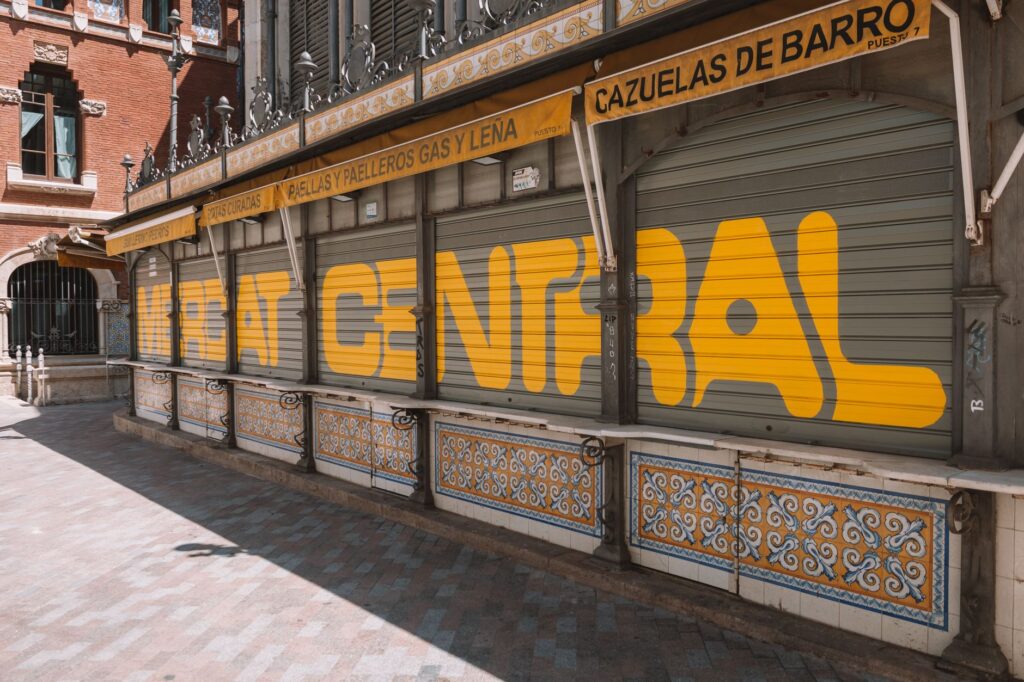
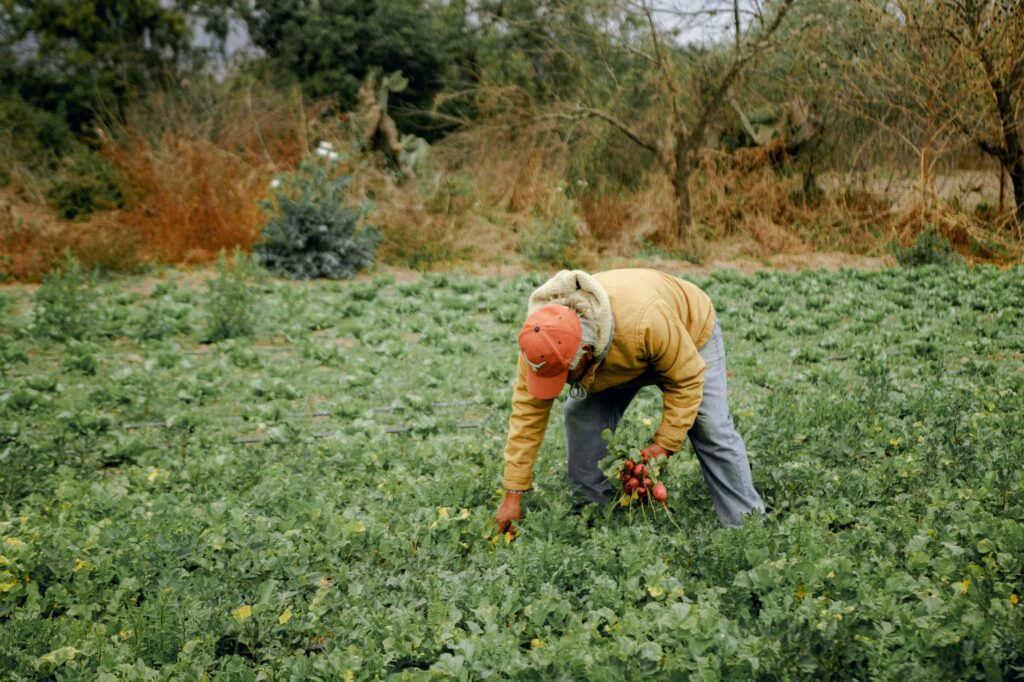
The terraced agricultural plots clinging to ravine walls stand as silent witnesses to a monumental effort to reclaim land from slopes. Here, artisan growers cultivate cilantro, flat-leaf parsley, and local garlic that form the foundation of traditional mojos—ancestral emulsions accompanying both seafood and meats. The presence of vegetable charcoal and heather wood in the kitchens of guachinches —traditional establishments where winemakers originally served surplus wine— guarantees an honest, smoky footprint defining the gustatory profile of the northern hills.
Tenerife’s territory does not merely feed those who inhabit it; it demands a profound understanding of its steep slopes, its winds, and its volcanic silences.
The Alchemy of Gofio and Caldera Fire
Few things are as representative of Canarian survival and identity as gofio, the flour made from toasted cereal grains—primarily wheat and corn—that formed the staple diet of the aboriginal Guanches and now crowns modern island gastronomy. In traditional mills still dotting the rural landscape, grain is slowly roasted in metal cylinders before being crushed by basalt stones. The unmistakable sweet, nutty aroma of the toast permeates the air, a reminder that the island pantry was built upon the necessity of food preservation in an isolated setting.
The use of gofio transcends mere accompaniment; it is folded into broths, kneaded with nuts and honey into dense pella, or dissolved in warm morning milk. This culinary versatility reflects a pantry that has learned to converse with historical scarcity to transform it into a badge of identity. In the island’s restaurants, contemporary chefs reinterpret this heritage through subtle textures, foams, and ice creams, demonstrating that tradition and avant-garde are two sides of the same volcanic coin.
The Liquid Treasure of Impossible Slopes
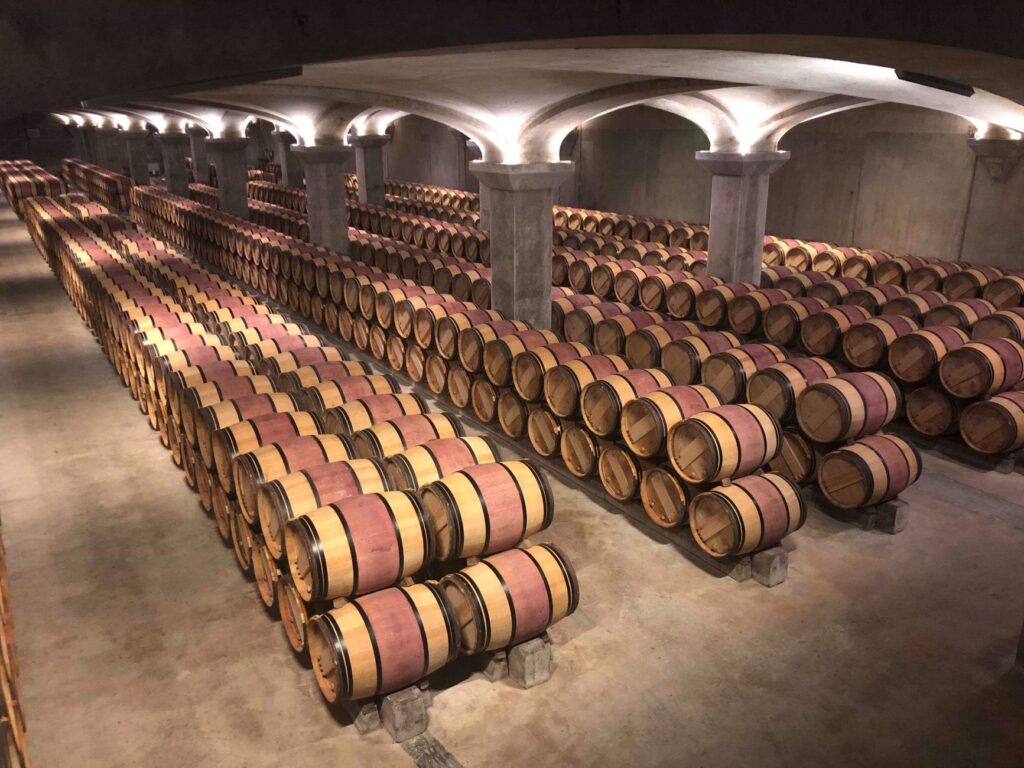
Viticulture in Tenerife is, above all, an act of heroic resistance. On the northern slopes and within the steep valley of La Orotava, centennial vines of Listán Blanco, Malvasía, and Negramoll grow on trellises or are braided using the traditional multiple-cordon system—a unique technique requiring expert hands for maintenance. The roots of these vines sink deep into volcanic ash and lapilli soils, untouched by the phylloxera plague thanks to island isolation, preserving original ungrafted rootstocks centuries old.
The wines emerging from these extreme conditions possess a saline minerality and vibrant acidity that baffle those associating the islands solely with tropical warmth. In every sip, one perceives the breath of the sea of clouds and the heat retained by volcanic stone during sunlit hours. Local winemakers, many managing tiny parcels on forty-percent inclines, defend an oenological heritage increasingly drawing attention from international sommeliers in search of geological authenticity.
Rock Fish and Sea Salt
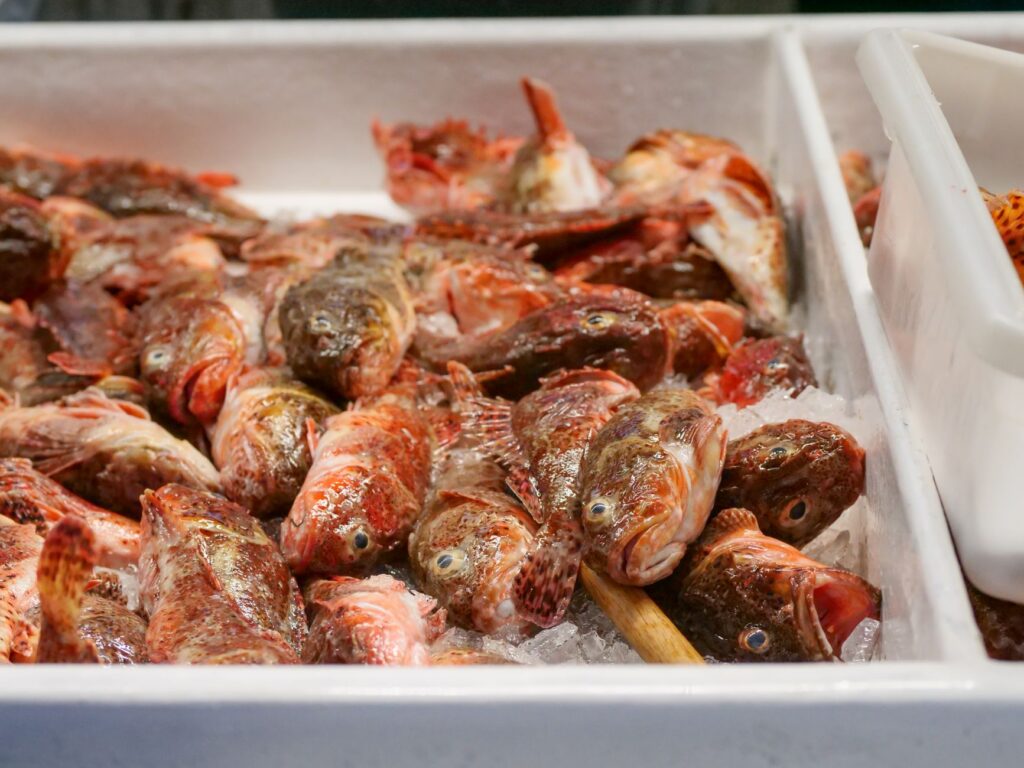
Santa Cruz and its coastline share an indissoluble bond with the sea. At fish markets and central stalls, artisanal catches—secured via traditional hook-and-line or traps—range from parrotfish with delicate white flesh to wreckfish, white seabream, and blackspot seabream. Culinary simplicity is the supreme rule here: fresh fish requires little more than a brief boil in sea-salted water, a few sprigs of cilantro, and a drizzle of extra virgin olive oil to achieve excellence.
Coastal salt flats, where ocean water evaporates patiently under the combined action of the sun and trade winds, provide the essential seasoning that elevates without masking. This sea salt, sometimes enhanced with local herbs or wild blossoms, acts as the definitive bridge between the marine environment and the volcanic garden. Each seafood dish on the Tenerife coast stands as a manifesto of absolute respect for the product, where the cook’s hand merely accompanies the Atlantic’s generosity.
The Sweet Memory of Fire and Honey
Traditional Canarian pastry-making maintains a close relationship with high-mountain beekeeping and sugarcane cultivation, which played a fundamental historical role in the islands before expanding to the New World. Tenerife’s honeys, cataloged under multiple protected designations of origin, vary drastically according to floral sources: from the delicate codeso and retama honey of Teide’s summits to the intense chestnut and wildflower honey of northern forests. These golden nectars serve as the secret ingredient in convent desserts and home-baked cakes perfuming rural kitchens during festivities.
Similarly, almonds from southern terraces and eggs from local farms are transformed into rosquetes, examples of a restrained yet comforting confectionary tradition. These flavors do not seek refined sugar excess, but rather a balance with the toasted notes and balsamic aromas of the surrounding vegetation. Enjoying a slice of homemade cake alongside a glass of sweet Malvasía wine at dusk is a way to halt time and understand that island gastronomy is, essentially, an archive of collective memory.
Practical guide
How to get there: Tenerife North Airport (TFN) is located fifteen minutes by car from downtown Santa Cruz, while Tenerife South Airport (TFS) connects to the capital via the TF-1 highway in approximately forty-five minutes.
When to go: Spring and autumn offer stable temperatures ideal for exploring both urban food markets and the hiking trails of the Anaga massif without the crowds of peak summer tourism.
Essential addresses: The Our Lady of Africa Market opens every morning. For tastings of singular wines, small-scale producers in the La Orotava Valley and Tacoronte-Acentejo arrange visits by appointment.
Local etiquette norms: In traditional guachinches and island markets, personal warmth, respect for preparation times, and the mindful use of natural resources are highly valued. Carrying cash for smaller vendors is advised.
The Final Embrace in Mountain Mist
When dusk begins to settle over the Anaga massif, mist descends gently among giant ferns and twisted trunks, enveloping the traveler in an atmosphere of absolute introspection. It is in this moment of vegetal silence, with the damp aroma of volcanic earth permeating the air, that the true meaning of this gastronomic journey becomes clear. It is not merely about collecting flavors or visiting bustling markets, but about tuning into the deliberate rhythm of a land that has turned its isolation and rugged topography into an unrivaled sanctuary of authenticity.
The cuisine of Anaga and its markets serves as a reminder that the world’s finest flavors are invariably born from effort, patience, and a sacred respect for the earth that sustains them.