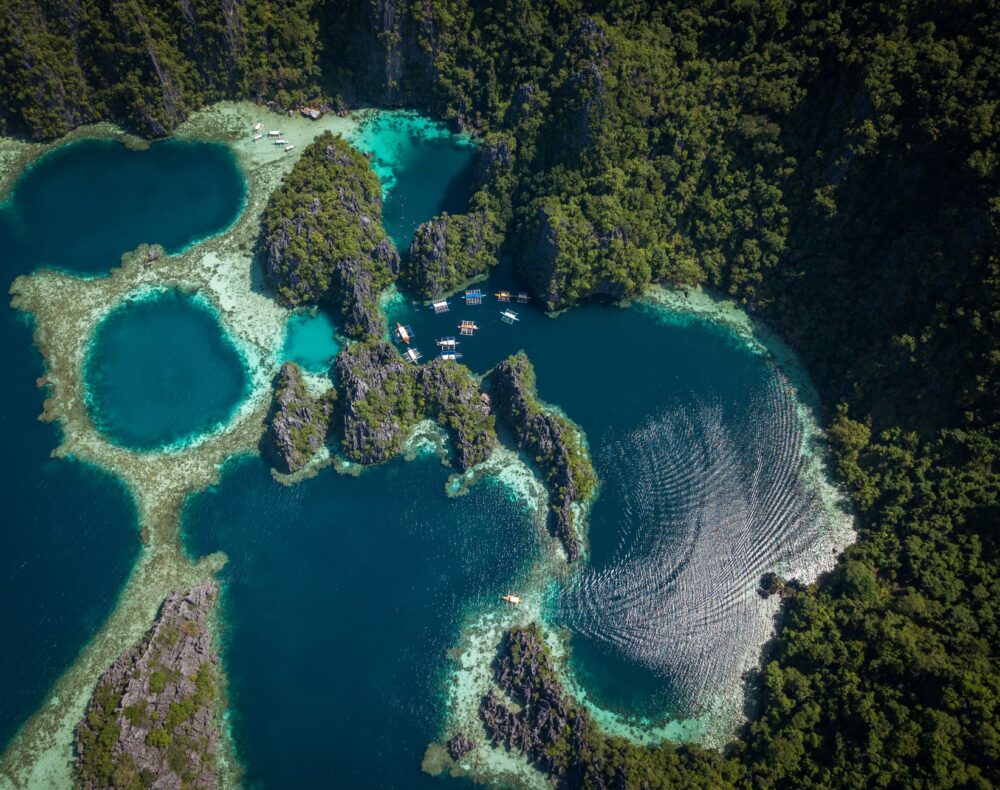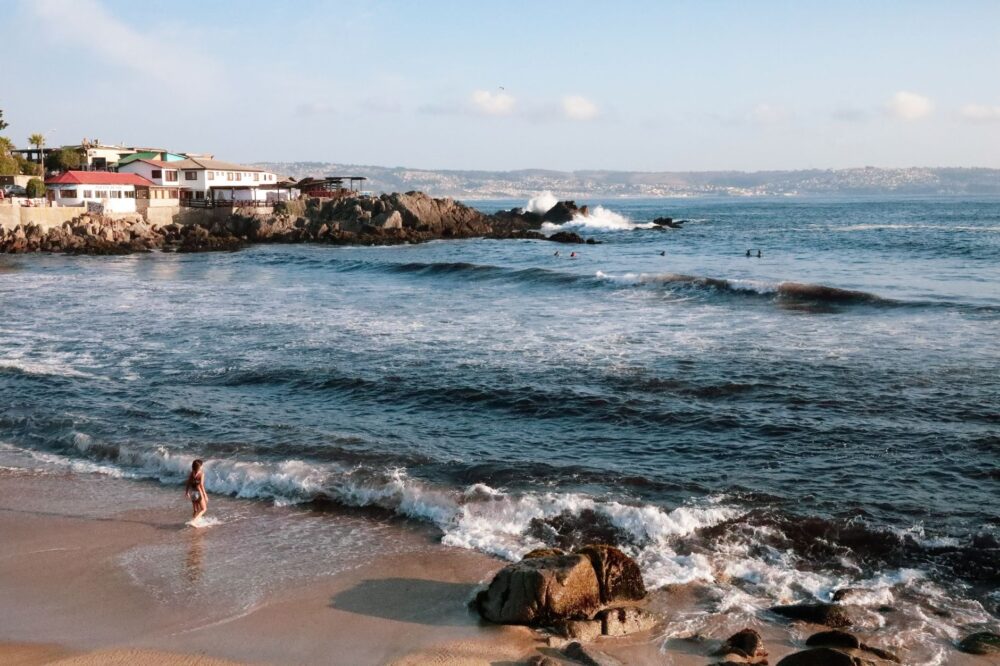

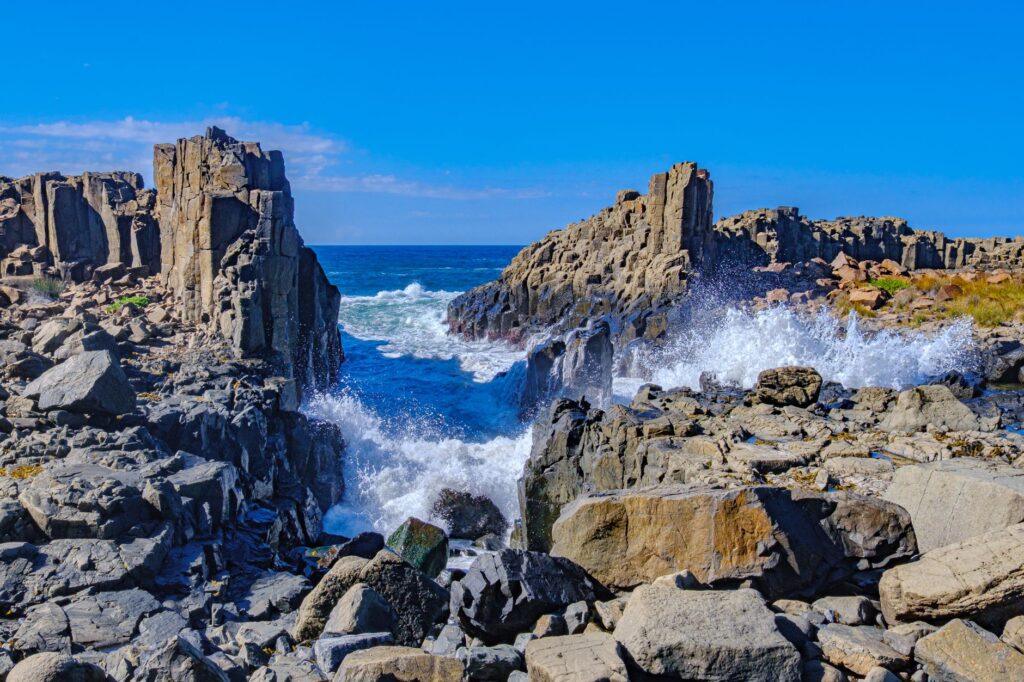
The northwestern coast of Honshu, where the steep foothills of the Echigo mountain range plunge relentlessly into the cold and dynamic waters of the Sea of Japan, has historically constituted one of the most complex geographical corridors for transportation engineering in the Japanese archipelago. In this remote territory where severe winter storms batter the basalt cliffs, the Yamansan coastal railway line emerged at the dawn of the twentieth century as a bold technical response to unite traditionally isolated fishing communities. Today, this route stands not only as a living monument to the constructive perseverance of the Meiji and Taisho eras, but also as a fundamental backbone for understanding sustainable mobility in Japan’s peripheral regions, linking urban port centers with millennia-old thermal spring enclaves and high-tradition agricultural rural zones.
The deployment of this infrastructure required unprecedented logistical planning, characterized by the successive excavation of tunnels through live rock and the construction of marine viaducts exposed to constant saline erosion. Spanning over two hundred kilometers of primary route, the railway engages in a permanent dialogue with a geographical setting as fascinating as it is unforgiving. The combination of unstable slopes, strong seasonal winds known locally as だし (oroshi), and the necessity of maintaining a punctual and safe service turned track maintenance into a discipline of surgical precision. This report examines the evolution of this rail corridor, analyzing how the modernization of its fleet, integration with regional bus networks, and adoption of advanced safety protocols have transformed a historical topographic challenge into an international benchmark for low-density, high-scenic-value rail tourism.
The Genesis of an Impossible Route: Topography and Geotechnical Challenges Facing the Sea
The history of the Yamansan line is deeply intertwined with the overcoming of orographic barriers deemed insurmountable by traditional land transportation methods. By the late nineteenth century, the transport of freight and passengers between the northern prefectures depended almost exclusively on coastal navigation, a system vulnerable to the unpredictable winter climate of the Sea of Japan. The governmental decision to project a continuous rail route along the coast forced civil engineers to confront vertical cliffs where solid earth seemed to dissolve into the surf.
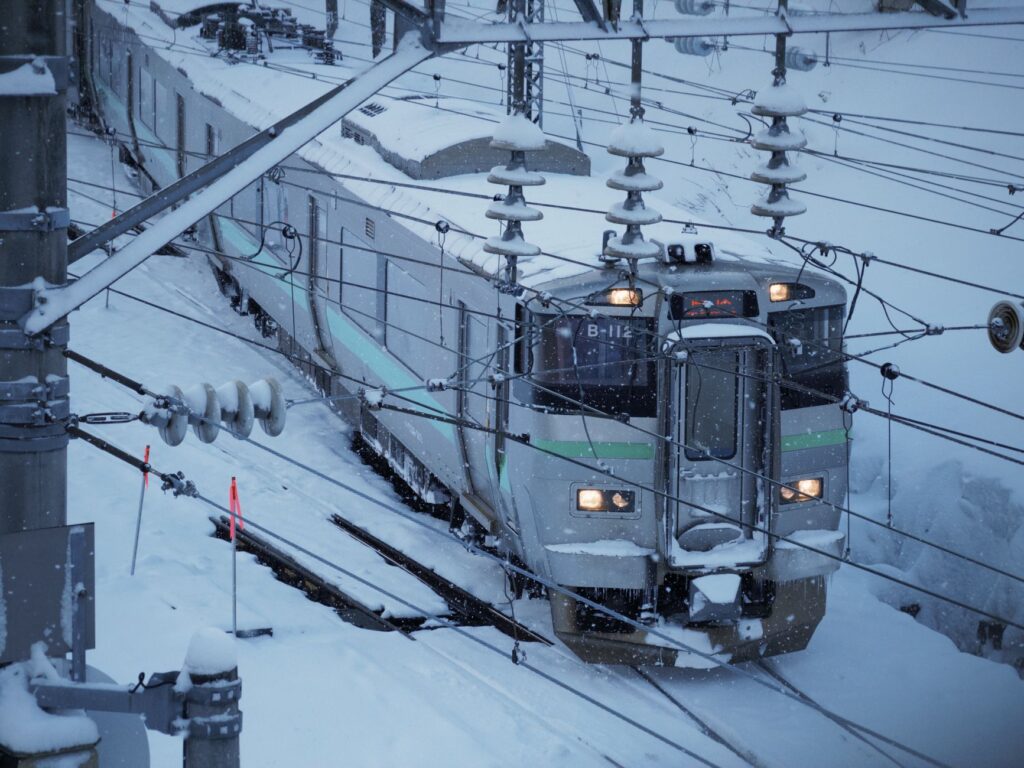
Historical construction archives reveal that the primary obstacle lay not solely in the hardness of metamorphic rock, but in the frequent instability of coastal slopes, prone to massive landslides triggered by water saturation following heavy snowfalls. To mitigate these risks, labor crews implemented pioneering containment techniques using cyclopean masonry walls and the design of windbreak galleries in sections most exposed to hurricane-force gusts originating from Siberia. Every kilometer of track won from the cliffside was an exercise in engineering where topographic precision averted structural disasters and guaranteed the long-term viability of the connection.
Century-Old Architecture and Tunnel Engineering: The Constructive Legacy
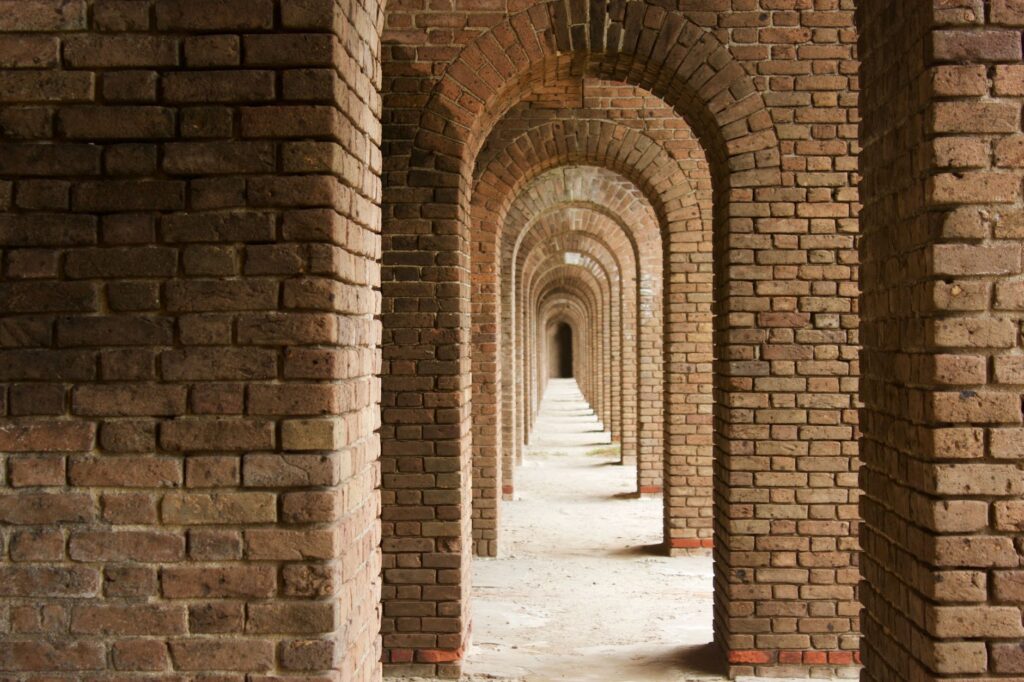
The architectural heritage accumulated along the Yamansan rail corridor constitutes a genuine open-air museum of early twentieth-century Japanese civil engineering. Tunnels manually bored during the Meiji period, characterized by robust fired-brick arches and carved granite portals, alternate with lattice iron bridges that defy marine ravines. These structures, subjected to constant marine humidity for over a century, continue to operate thanks to rigorous heritage maintenance programs that combine traditional restoration methods with modern polymer structural reinforcement.
One of the most notable construction milestones of the route is the nested tunnel complex on the Kakuda Peninsula, where the route plunges into the mountain to bypass the most hazardous coastal segments, emerging abruptly into small valleys housing noble-wood intermediate stations. These stops, meticulously maintained by local communities, preserve original elements such as wrought-iron canopies, restored mechanical signaling systems, and rainwater drainage configurations designed to withstand snow accumulations exceeding two meters. The preservation of this architectural fabric is not merely an exercise in nostalgia, but a deliberate strategy to safeguard the visual and operational authenticity of the journey.
Seasonal Logistics and Climatic Resilience in the Single-Track Network
Operating a single-track railway in a high-mountain coastal environment demands extraordinary logistical deployment, especially during winter months when the region is buried beneath a dense mantle of snow. The Yamansan traffic management system is governed by strict meteorological monitoring protocols combining wind speed sensors on exposed viaducts with nightly inspection patrols traversing the tracks aboard specialized anti-tip rail vehicles.
Coordination between centralized control centers in Niigata and local switching stations is vital for managing train crossings on an infrastructure where double-track segments are strictly limited. Likewise, the regional train fleet has been adapted with reinforced traction systems, high-resistance front snowplow wedges, and bogie-integrated heating systems to prevent the freezing of switch mechanisms. This capacity for logistical resilience ensures that the annual punctuality rate exceeds ninety-nine percent, even on days marked by extreme weather alerts.
Multimodal Connectivity: Integration with Ports, Ferries, and High-Altitude Routes
The strategic value of the Yamansan railway transcends its function as a local passenger line; it acts as the backbone of a multimodal transport system interconnecting the fishing ports of the Sea of Japan with the Shinkansen high-speed rail arteries descending toward Tokyo. At key nodes such as the port of Naoetsu and the maritime terminal of Sakata, stations have been configured as seamless interchanges where travelers can transition directly between regional trains and ferry services connecting Honshu with Sado Island.
This logistical synergy has articulated integrated tourism routes promoting the decentralization of visitor flows, drawing travelers away from congested urban circuits in Japan’s central axis and toward immersive experiences in rural and coastal nature. Combined tickets, timetable synchronization between private and public operators, and the provision of carriages adapted for bicycle and hiking equipment transport reflect a contemporary vision of mobility where railway infrastructure leads the transition toward a balanced and sustainable regional development model.
The Renaissance of Slow Rail Tourism and the Local Economy
Over the past decade, the profile of travelers traversing the Yamansan line has undergone a significant transformation, driven by a renewed global interest in slow travel and the revaluation of local economies outside mass-market circuits. Communities situated along the corridor have capitalized on this trend by repurposing former merchant houses into traditional inns, promoting local sake breweries that utilize mountain snowmelt water, and creating interpretive trails linked to the railway’s industrial heritage.
blockquote
The train is not merely a vehicle to move from one point of the coast to another; it is the guiding thread that allows visitors to comprehend the intimate pulse of communities that have made coexistence with the wild sea their defining identity.
This economic revitalization has halted the demographic decline characteristic of rural Japanese areas, attracting a new generation of cultural entrepreneurs and artisans. Railway stations, far from functioning as simple functional halts, act today as community hubs where local agricultural products are marketed, photographic archives of the line’s historical construction are exhibited, and detailed information is offered on coastal trails connecting cliffs with Shinto shrines hidden in cedar forests.
Practical guide
Planning a journey along the Yamansan coast requires understanding the operational particulars of a regional rail line characterized by high climatic and geographic complexity.
How to get there: Primary access to the rail network is achieved from Niigata station or Yamagata station, both directly connected to Tokyo via the Joetsu Shinkansen or Yamagata Shinkansen high-speed services, with travel times ranging between two and three hours.
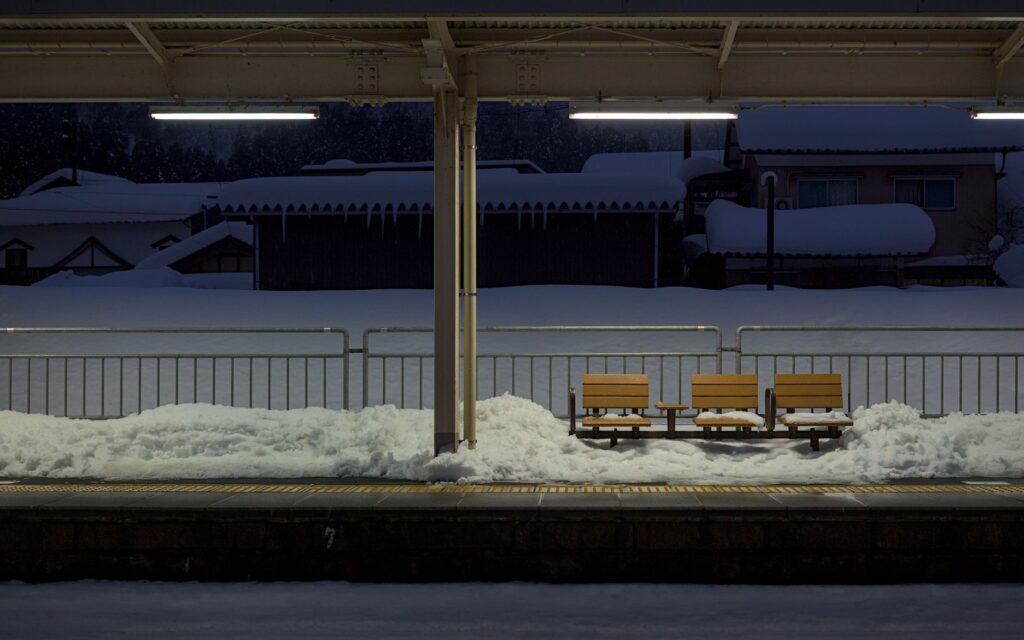
When to travel: Although summer offers clear skies and optimal access to beaches and rocky coves, spring (with cherry blossoms blooming in inland valleys) and autumn (with coastal forests tinged in ochre tones) represent optimal seasons due to their mild climate. Winter presents extreme scenic appeal with snow-covered cliffs, though it demands flexibility regarding potential temporary disruptions caused by blizzards.
Transport logistics: It is highly recommended to acquire the regional JR East Pass or use rechargeable IC cards at major stations. For specific coastal stretches, consulting real-time traffic apps is useful due to the line’s sensitivity to high winds.

Accommodation and gastronomy: The thermal spring (onsen) towns of Awashimaura and Yunohama offer stays in traditional ryokans where visitors can taste fresh seafood from the Sea of Japan, especially snow crab (zuwiganai) and local rockfish (mebaru).
blockquote
Traveling along the Yamansan line in the dead of winter, with the steam of the onsen awaiting at dusk while the blizzard lashes the carriage windows, reveals the purest and most hospitable essence of northern Japan.
The experience of traversing this maritime frontier aboard its iconic convoys leaves an indelible mark on the observant traveler. Beyond the technical efficiency and schedule precision characterizing the Japanese railway system, the Yamansan line embodies a profound lesson in human adaptation to an extreme geographical environment. Observing how the steel rails run with millimetric elegance between the indomitable mountain and the ceaseless surf of the Sea of Japan makes it clear that the true magnitude of this infrastructure lies not solely in its transport capacity, but in its perpetual vocation to build bridges between geographic isolation and the warmth of human hospitality.