
The New Horizon of Oceanic and Sustainable Tourism
The horizon of global travel is undergoing a profound transformation. It is no longer merely about discovering remote geographies or collecting passport stamps, but about rethinking the very relationship between the traveler and the natural environment. In this context, oceans and coasts emerge as the most fragile territories and, at the same time, those most in need of conscious tourist intervention. The initiatives leading this change do not seek aesthetic posturing or greenwashing, but the scientific and economic regeneration of marine enclaves historically plagued by overcrowding and industrial exploitation.
Throughout this report, we will examine how scientists, naval architects, coastal communities, and cutting-edge tour operators are weaving a network of practical solutions. From floating laboratories to marine reserves managed by indigenous peoples, 2026 marks the turning point where tourism ceases to be an environmental pressure factor and becomes the primary tool for defense and study of the planet’s seas.
Science as the Compass of the Contemporary Traveler
For decades, scientific tourism was considered an exclusive niche for researchers with hefty grants or professional divers with advanced academic credentials. However, the current paradigm democratizes access to marine knowledge through citizen science formulas that integrate the ordinary traveler into coral reef monitoring programs, cetacean sighting initiatives, and microplastic logging. This integration not only provides vital financial resources for non-profit foundations, but also radically transforms the traveler’s experience, imbuing it with an unwavering intellectual and ethical purpose.
Leading institutions in the Pacific and the Caribbean have demonstrated that expedition vessels can operate as mobile oceanographic research platforms. Passengers, far from being passive spectators, collaborate in collecting environmental DNA samples, acoustic mapping of migratory species, and the maintenance of underwater nurseries for corals resilient to global warming. This symbiosis between tourism and science redraws the industry’s quality standards, proving that contemporary luxury lies in the ability to actively contribute to the preservation of the world.
True luxury in the Anthropocene is not isolation or excess, but the privilege of being part of the biological solution of the ecosystems we visit.
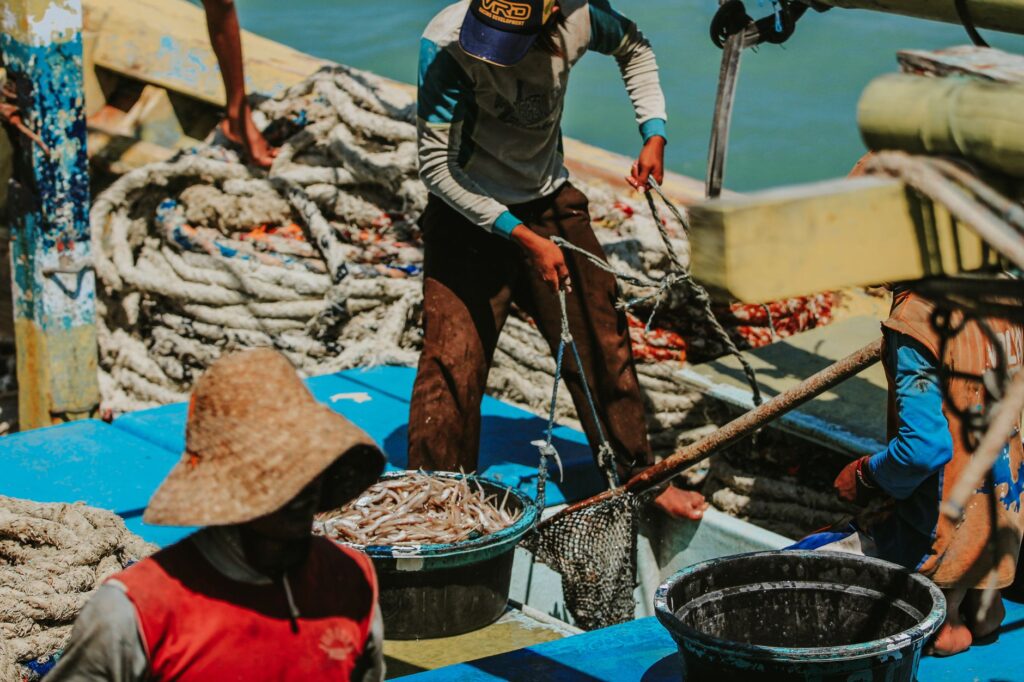
The impact of these scientific expeditions extends far beyond the strictly biological realm. By involving local communities in data management and analysis, stable circular economies are generated that drastically reduce dependence on bottom trawling and coastal real estate speculation. Local fishermen, once marginalized by mass tourism, now act as science captains and expert guides, revaluing their traditional knowledge through rigorous international methodology.
Floating Architecture and Zero-Emission Nautical Mobility
The decarbonization of maritime transport and floating hotel infrastructure represents one of the greatest technological challenges of the decade. The most advanced shipyards in Northern Europe and the Mediterranean are delivering vessels powered by green hydrogen fuel cells and hybrid-electric propulsion systems that drastically reduce carbon footprints and underwater acoustic pollution, a critical factor for the survival and communication of marine mammals.
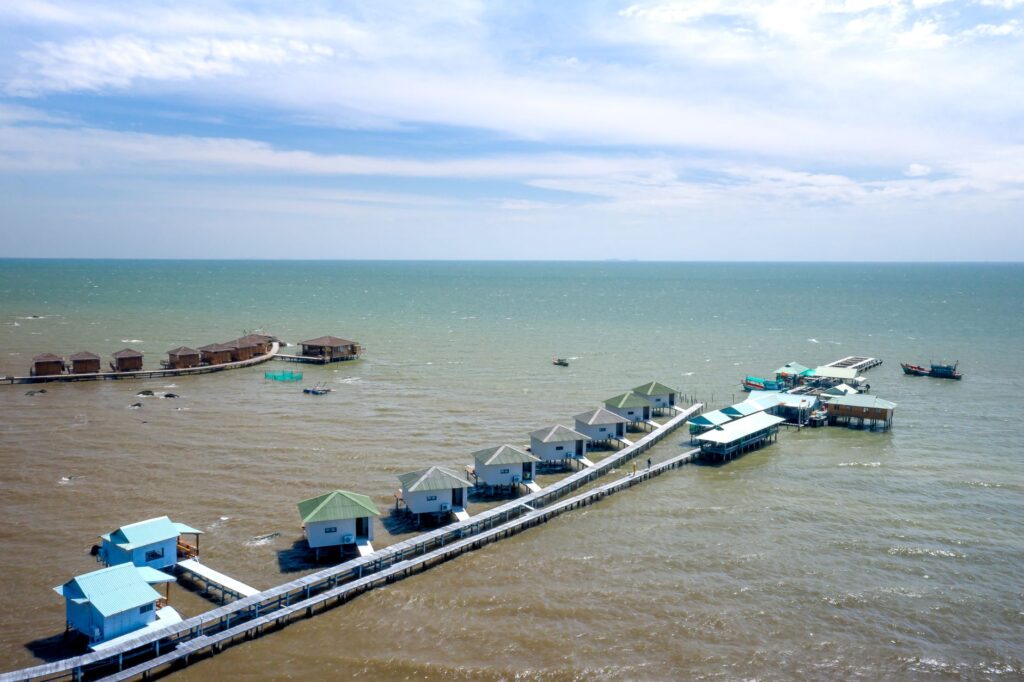
Simultaneously, modular floating architecture concepts allow for the development of research stations and small lodging enclaves that neither alter the seabed nor interfere with littoral currents. These modules, constructed from recycled and bio-based composite materials, mimic the structure of natural reefs, attracting benthic flora and fauna from the very first day they are launched. The integration of flexible solar panels and small-scale wave turbines guarantees total energy autonomy without the need for polluting land grids.
The Blue Economy and the Renaissance of Coastal Communities
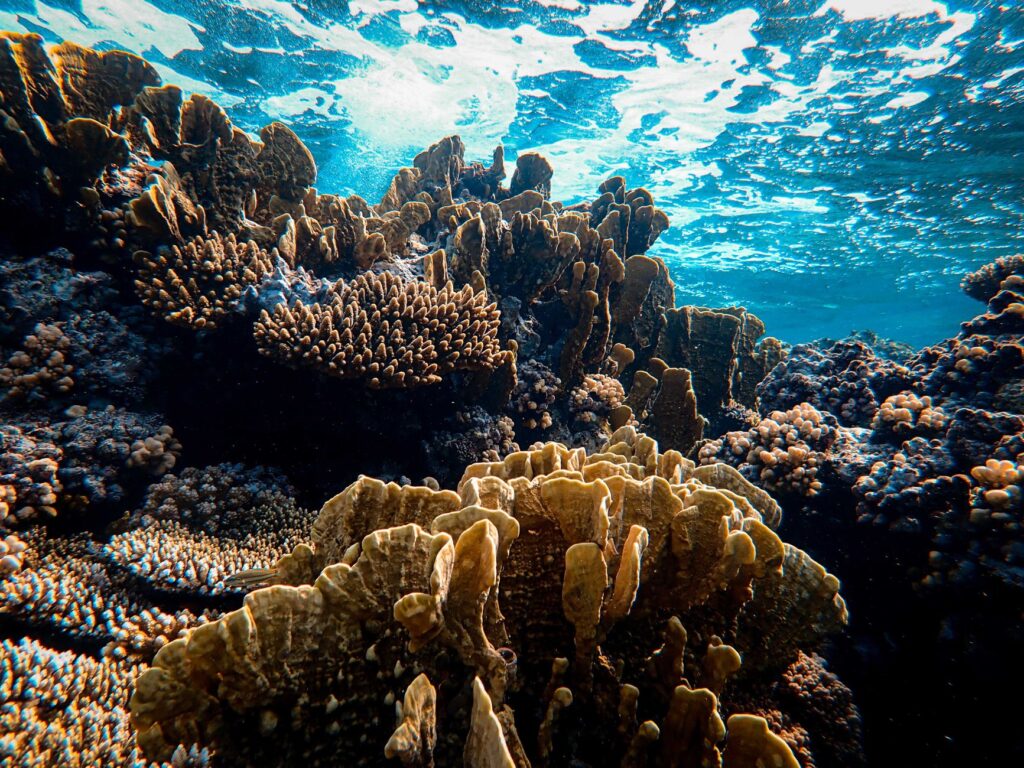
Marine sustainability is meaningless without the socio-economic well-being of the populations inhabiting coastline lines. In 2026, the blue economy concept consolidates as the regulatory and operational framework governing the planet’s best tourism projects. This model prioritizes local food sovereignty, the restoration of hurricane-protective mangroves, and the creation of regenerative tourism cooperatives where economic benefits are distributed equitably among all community stakeholders.
In regions of Southeast Asia and Latin America, the transition from traditional sun-and-sand tourism to models based on marine conservation has allowed entire populations of sea turtles and herbivorous fish essential for reef health to recover. Visitors choosing these destinations participate in mangrove restoration workshops, learn ancestral sustainable navigation techniques, and directly finance community trust funds dedicated to local education and healthcare.
Restoring the ocean requires returning to coastal communities the historical prominence that large tourism corporations stripped from them during the past century.
This decentralized approach avoids the perverse effects of tourist gentrification. By strictly limiting daily visitor numbers and establishing long-term partnerships with fishing cooperatives, it is ensured that sector growth does not compromise the territory’s habitability or artificially inflate permanent residents’ cost of living.
Technological Innovation Against the Plastic Crisis
Plastic pollution remains the greatest direct threat to ocean fauna. However, the projects awarded and promoted in recent years demonstrate that technology can offer effective and scalable responses. Autonomous interception systems in river mouths, powered by solar energy, retain tons of waste before it reaches the open sea. These collected materials are subsequently processed and reintroduced into the supply chain to manufacture everything from nautical equipment to structural elements for new visitor centers.
Hotels and expedition operators adhering to these standards have completely eliminated single-use plastics, implementing their own high-efficiency desalination plants and greywater reuse systems that return a fully purified resource to the environment. The traveler, meanwhile, receives prior training on waste management and responsible consumption, becoming an ambassador of these practices upon returning home.
The Crucial Role of Marine Protected Areas
The designation and effective management of Marine Protected Areas (MPAs) is the most powerful instrument for regenerating oceanic biodiversity. The most innovative projects of 2026 combine real-time satellite surveillance with the active presence of community patrols and authorized tour boats acting as eyes and ears against illegal fishing and unregulated maritime traffic.
These protected zones are not strictly closed sanctuaries, but regulated use spaces where low-impact tourism is promoted, such as strictly controlled observation diving and scientific underwater photography. Data demonstrates that areas where tourism participates in MPA surveillance and financing recover their fish biomass up to three times faster than those managed exclusively through terrestrial state bureaucracy.

Practical guide
When to travel: For marine wildlife observation and participation in scientific projects, travelers should prioritize seasonal transition months, avoiding boreal or austral summer peaks to reduce pressure on fragile ecosystems.
How to get there: Always prioritize maritime and air transport operators holding emission offset certifications based on local mangrove and seagrass meadow reforestation projects.
Accommodation: Exclusively select coastal ecolodges and floating facilities operating off the conventional electrical grid that dedicate an auditable percentage of their revenue to marine scientific research.
Reservations and participation: Places in citizen science expeditions and stays in community reserves must be booked at least six to nine months in advance due to strict conservation quotas.
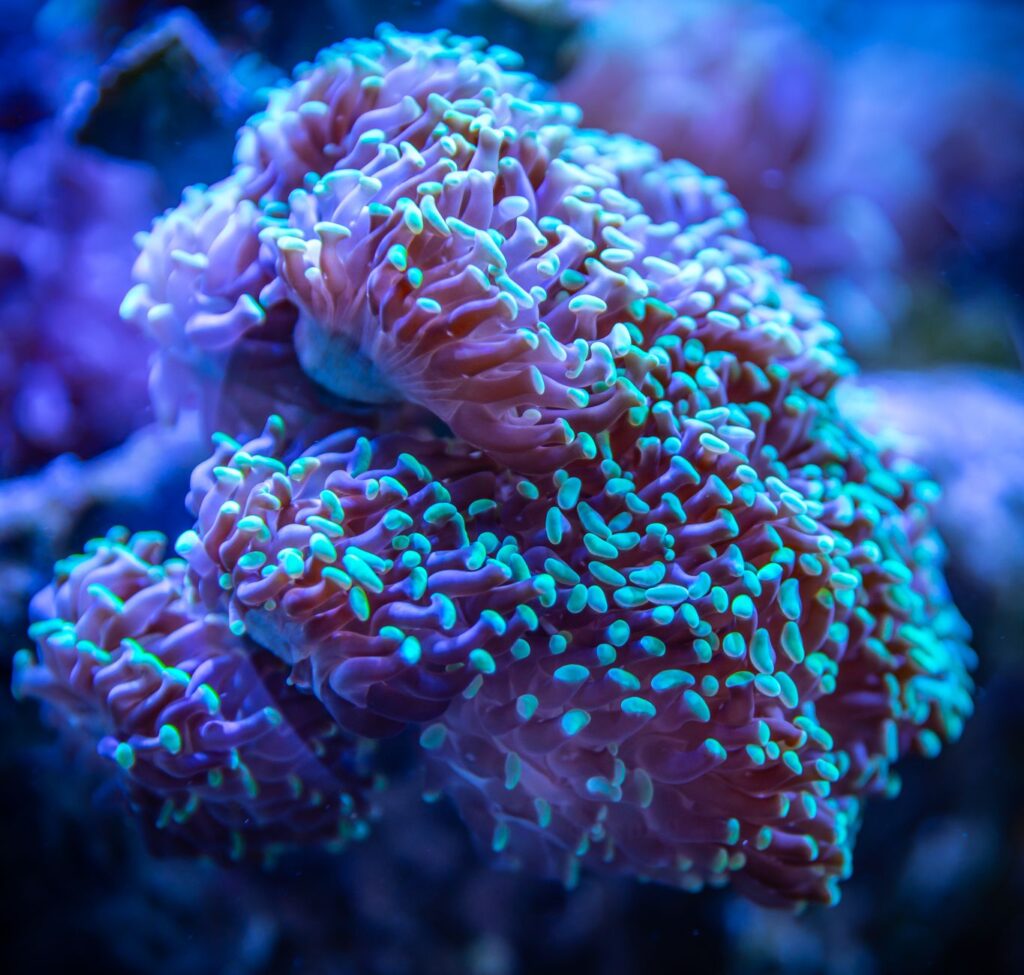
Ethical requirements: Strictly comply with underwater codes of conduct, prohibiting sunscreens containing oxybenzone and maintaining a mandatory minimum distance from wild marine fauna.
The Blue Heartbeat Defining Our Future
Looking at the ocean from the perspective of innovation and radical responsibility forces us to rethink our very condition as travelers. We are no longer simple tourists in transit seeking momentary escapism, but witnesses and participants in an urgent pact with the marine biosphere. Every decision we make when choosing an operator, a destination, or a way of navigating resonates across the vastness of a sea that sustains life on Earth. Ultimately, the health of the oceans is the ultimate mirror of our own conscience and the most honest legacy we can leave to generations to come.
Source in EN: Condé Nast Traveler (https://www.cntraveler.com/story/bright-ideas-in-travel-2026)