
The stone ramparts defying the global map
In Southwest Asia, where tectonic plates buckled the earth until it melted into the sky, the Zagros Mountains stretch like a backbone of limestone and shale. This mountain range, winding from the borders of Armenia to the Strait of Hormuz, is not merely a monumental geographical feature; it is a historical sanctuary and an ecosystem of extreme contrasts where human life has negotiated with the harshness of the terrain for millennia. Today, these towering heights host a phenomenon as improbable as it is fascinating: a renaissance of nature tourism that flourishes outside conventional international circuits and despite the suffocating pressure of global economic sanctions.
While international headlines often reduce the geopolitical reality of the region to a constant pulse between diplomacy and financial restrictions, the reality on the ground acquires profoundly local and human nuances. In the high valleys of the Zagros, rural communities, traditionally marginalized by the shifts of a centralized economy, have found in ecological hiking and adventure travel a pathway to resilience. This is not about large hotel complexes or massive flows of Western visitors, but rather a microscopic network of family-run guesthouses, local guides, and self-managed trekking routes that demonstrate an admirable capacity for economic adaptation.
To understand this tourism mutation, one must observe how the sector has reoriented its compass. With the drastic drop in tourist flows from Europe and North America due to financial climate and consular complexities, the outdoor leisure industry in Iran has shifted towards strengthening the domestic market and attracting visitors from neighbouring countries and the global South. This transition has not been without friction, but it has forced a professionalization of small-scale services, prioritizing authenticity over artifice and strict respect for fragile mountain ecosystems that cannot tolerate overcrowding.
The architecture of water and rock in the Persian heart
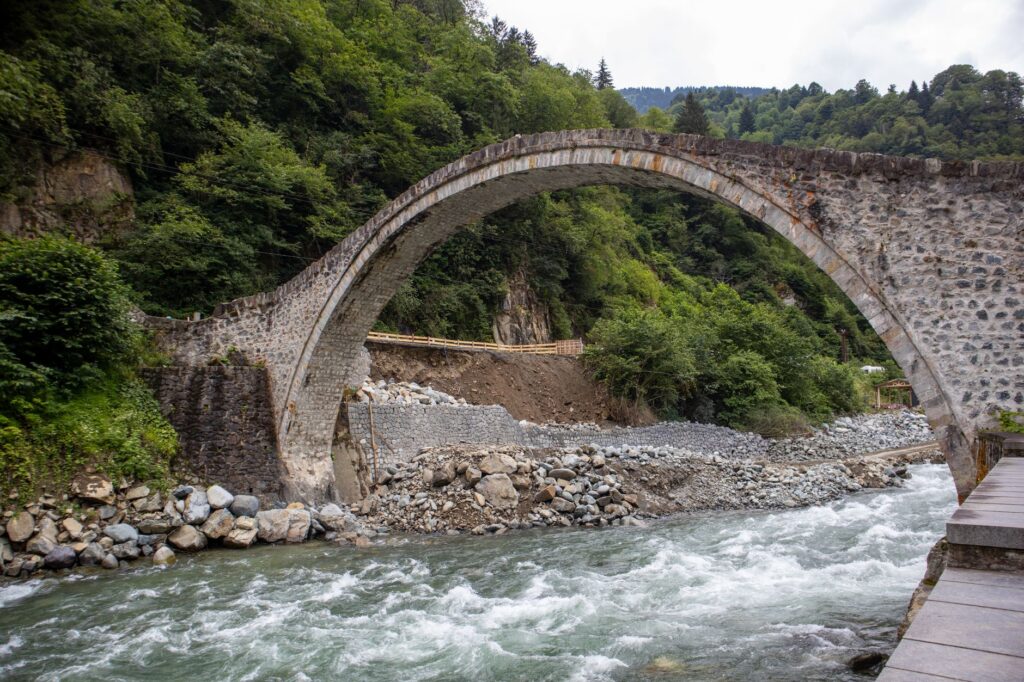
The landscape of the Zagros is defined by dramatic verticality and capricious geology that has carved deep canyons, arid plateaus, and isolated river basins. In this environment, the relationship between humans and water is a daily exercise of survival and ancestral geometry. Pastoral villages inhabiting the slopes have inherited water management systems that harness the spring thaw, channelling crystal-clear streams into terraced plots where dry-farmed wheat and high-altitude fruit trees are cultivated.

Walking these trails is traversing an open-air geological archive. Flysch formations and anticlinal folds tell the story of prehistoric seas that rose to form peaks exceeding four thousand meters, such as Mount Dena. At these elevations, vegetation gives way to high-mountain steppes and alpine meadows where endemic milkvetch and medicinal herbs bloom, gathered by nomadic shepherds following calendars passed down through generations.
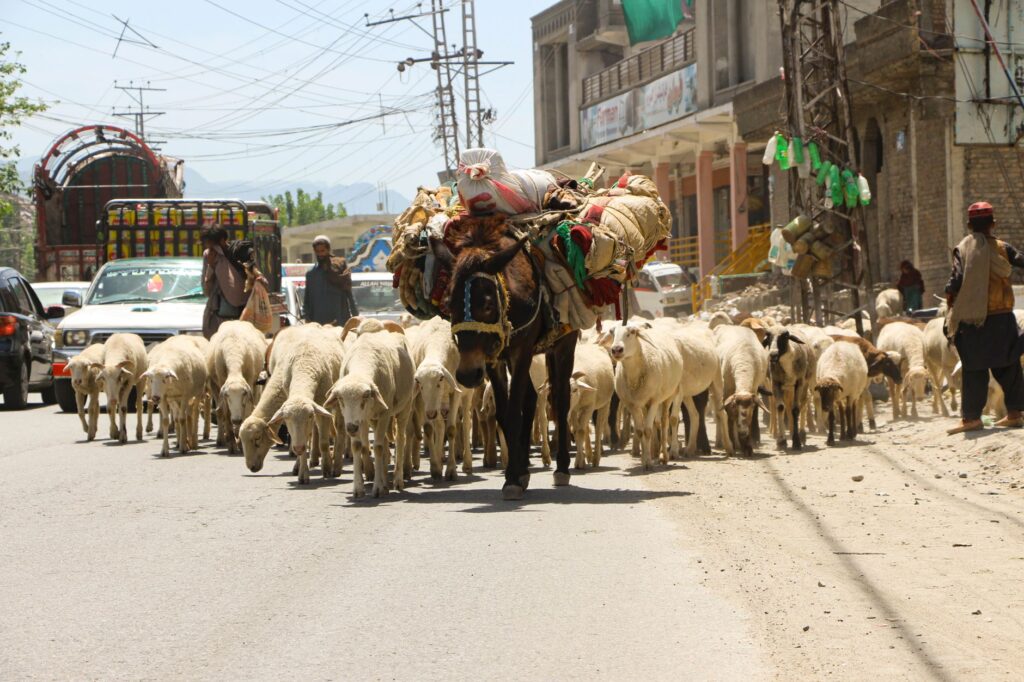
Human presence in the Zagros is inextricably linked to the culture of mobility. Seasonal migrations of Qashqai and Bakhtiari pastoralists, though diminished by past sedentarization policies and current economic challenges, continue to impart a dynamic character to the territory. These movements with herds across implausible mountain passes constitute one of the most impressive living cultural heritages in the Middle East, a spectacle of vertical nomadism that attracts the few yet bold international hikers willing to document these traditions before they transform irrevocably.
The mountain understands neither decrees nor banking restrictions; it demands respect, a firm step, and the humility of knowing oneself a guest in a territory that belongs to the wind and time.
Trench economy: ecotourism as a lifeline
The adaptation of nature tourism in Iran facing international financial isolation is a case study in how endogenous resources can sustain entire communities. Severe economic sanctions have drastically driven up the cost of importing technical mountain equipment, from climbing ropes to satellite communication systems, forcing local operators to make do with domestic materials or maintain alternative supply networks across regional borders.
Despite these severe logistical limitations, the sector has grown. The devaluation of the national currency, while impoverishing the urban middle class, has turned domestic tourism into an accessible option for professional sectors in major cities like Tehran or Isfahan seeking escape from urban stress and chronic air pollution. On weekends, trails near mountain passes fill with young hikers and amateur naturalists, energizing a rural economy that previously depended exclusively on an increasingly unprofitable subsistence livestock industry.

This boom in domestic tourism is not without ecological tensions. The lack of strict environmental regulation in certain protected areas has led to waste accumulation problems and pressure on freshwater sources during summer periods. However, local environmental organizations and independent guide collectives are promoting awareness programs and ‘Leave No Trace’ best practices, attempting to anticipate the irreversible damage that disorganized tourism typically inflicts on fragile ecosystems.
High-altitude trails and endangered biodiversity
Ecologically, the Zagros represent a critically important biodiversity corridor. They harbour fragmented yet resilient populations of large mammals, including the elusive Persian leopard, whose future strictly depends on the preservation of its natural prey, such as wild goats and mouflons. Local conservationists wage a titanic battle to protect these habitats from poaching, which often increases during times of economic crisis when rural populations face food shortages.
Well-understood ecotourism initiatives have become the best line of defense for wildlife. By demonstrating that a living leopard or an intact landscape generates sustainable income through photographic tourism and bird watching, local communities begin to perceive conservation not as a distant government imposition, but as a direct economic asset. Local guides frequently act as informal rangers, patrolling the territory and denouncing illegal logging and the uncontrolled expansion of livestock infrastructure.
Nevertheless, climate change exerts relentless pressure on the mountain range. Winters with lower snow accumulation reduce the flow of summer rivers, altering agricultural cycles and generating unprecedented water vulnerability in the lower valleys. Local tour operators must constantly adapt their itineraries, avoiding traditional routes that have become dangerous due to rockfalls or water scarcity in high-altitude refuges.
The voice of the valleys: communities resisting with hospitality
The true engine of tourism in the Zagros does not lie in its imposing geology, but in the legendary hospitality of its people. In villages perched at over two thousand meters altitude, where dry-stone houses defy the slope, the arrival of a traveller—whether foreign or domestic—triggers an ancestral ritual of welcome that transcends any commercial transaction. Families open their homes, offer tea flavored with wild herbs, and share freshly baked flatbread in communal mud ovens.
This hospitality, deeply rooted in Persian and tribal culture, has been organically professionalized through so-called ecotourism guesthouses (*boomgardi*). These rural homes, mostly managed by local women and youth, allow travellers to immerse themselves in daily mountain life without altering the social fabric of the place. It is in these spaces where daily challenges are discussed: the difficulty in securing spare parts for off-road vehicles, the impact of inflation on maintenance costs, and the persistent hope that the world’s doors will reopen without political restrictions.
The presence of women leading many of these rural tourism projects represents a silent yet profound sociological transformation in rural Iran. By generating their own income through traditional gastronomy and the sale of wool and felt handicrafts, these women gain economic autonomy and community leadership, challenging traditional patriarchal structures from the economic and daily grassroots.
Tourism in these valleys is not a fast-consumption industry; it is a dialogue of resistances where every shared cup of tea defies the invisible walls of geopolitical isolation.
Stone horizons: the uncertain future of self-managed adventure
Looking toward the future of nature tourism in the Zagros Mountains demands an exercise in critical realism. Macroeconomic pressures persist, and high-altitude transport and rescue infrastructure remains precarious compared to European alpine standards. However, the determination of local actors demonstrates that tourist activity in prolonged crisis contexts can be reinvented from the bottom up, prioritizing human sustainability over quantitative growth.
The great challenge for the next decade will be to prevent the pressure of uncontrolled domestic tourism from degrading the very landscapes it seeks to preserve, while maintaining attractiveness for a niche segment of international travellers specialized in anthropology and extreme mountaineering. Local authorities and civil collectives find themselves at a crossroads where environmental regulation and community education will determine whether the Zagros remain a natural sanctuary or become a degraded mass destination.
Ultimately, the experience of traversing the Zagros today transcends mere aesthetic or sporting pleasure. It constitutes an immersion in the complexity of a country that refuses to be defined solely by its sanctions and international isolation, showing the world a dynamic, hospitable face deeply connected to the land that sustains it.
Practical guide
When to go: The optimal window for trekking in the Zagros Mountains spans the spring months (from April to June), when valleys turn green and snowmelt feeds streams, and early autumn (from September to November), featuring stable temperatures and clear skies. Winter months should be avoided due to high avalanche risk and the closure of high mountain passes.
How to get there: Main access is through international flights to Tehran’s airport (IKA), from where domestic flights or land transport can be taken to base cities such as Shiraz, Isfahan, or Shahrekord, usual departure points for entering different sections of the range.

Accommodation: It is recommended to prioritize local rural guesthouses (*boomgardi*), which offer an authentic experience and directly support the community economy of mountain villages. On high routes, bringing your own tent and autonomous equipment is essential.
Safety and health: Mountain rescue infrastructure is limited. It is crucial to travel with experienced local guides, register itineraries with host communities, and carry private travel insurance covering adventure activities in remote areas (verifying coverage at destination beforehand).
The ultimate silence of the peaks
At dusk, when golden light falls obliquely on the limestone cliffs of the Zagros, the mountain reclaims an ancient silence that seems to suspend all the urgencies of the modern world. In these moments of absolute stillness, seated before a bonfire of dry scrub while the aroma of mountain tea blends with the freezing altitude air, the true dimension of this territory is understood. It is not simply a remote landscape where ecotourism barely survives amid financial restrictions and geopolitical isolation; it is a living reminder of human capacity to persist with dignity, rooted in rock and wind, weaving community on the margins of the global map.
Source: Nomad Lawyer (Journalistic translation and editorial adaptation based on background sources regarding ecotourism in Iran).