Introduction to the Volcanic Labyrinth of the Tyrrhenian
The southern horizon of Italy conceals a territory where maps dissolve into fragments of obsidian and pumice, rising from the depths of the Tyrrhenian Sea like smoking scars. The Aeolian Islands, a volcanic archipelago situated north of Sicily, form an insular ecosystem where the lives of their inhabitants have historically been subordinated to the fury of the elements and the capricious swelling of ocean currents. For centuries, this necklace of seven principal islands—Lipari, Salina, Vulcano, Stromboli, Panarea, Filicudi, and Alicudi—operated as a hermetic world, accessible only to daring deep-sea fishermen and navigators capable of reading subtle shifts in barometric pressure and the color of sea foam. Today, the connectivity of this fragmented territory rests upon an amphibious infrastructure as complex as it is fascinating, where traditional cargo cabotage vessels coexist with a high-speed fleet of hydrofoils and catamarans.
Understanding the true scale of this maritime transport system requires abandoning the continental perspective and embracing the syncopated rhythm of the tides. Here, a simple shift in the western wind direction can paralyze port activity within minutes, transforming a bustling pier into a deserted, salt-sprayed basin. Through this report, we will explore the invisible machinery that binds these islands together, unravelling the daily logistics that permit the survival of isolated communities, the supply of fresh provisions, and the precise movement of thousands of travelers seeking to decode the primal heartbeat of the volcanic Mediterranean.
The Geography of Salt: The Geological Challenge of the Archipelago
The geographic isolation of the Aeolian Islands is not a minor topographical accident, but the direct result of violent submarine tectonic activity spanning hundreds of thousands of years. The islands do not share a continuous continental shelf; instead, they emerge from abyssal trenches exceeding one thousand meters in depth along parts of their contour. This extreme bathymetric discontinuity precludes the construction of conventional large-scale port infrastructure and entirely rules out any utopian dream of connection via bridges or underwater tunnels. The sole pathway for survival and communication has been, is, and always will be water.
Each island presents a radically different morphology that conditions its nautical accessibility. While Lipari boasts sheltered coves and deeper docks capable of receiving heavy cargo ships, Alicudi and Filicudi plunge straight down into the sea in vertical cliffs of basaltic rock where ships must execute complex lateral docking maneuvers. This geological diversity demands an encyclopedic knowledge of seabeds, tidal currents, and local winds such as the siroco and mistral from the captains of the local merchant navy. Applied naval engineering here does not seek to conquer nature, but to adapt with surgical precision to its whims.
The Amphibious Spine: Hydrofoils and the Evolution of Speed
The revolution in Aeolian mobility arrived hand in hand with hydrofoils, locally known as aliscafi. Systematically introduced in the late twentieth century, these elevated vessels riding on submerged foils radically transformed the relationship between the islands and the Sicilian coast, cutting travel times in half compared to the heavy historical steamliners. By lifting themselves out of the water at high speeds, hydrofoils minimize hydrodynamic drag, allowing them to slice across the Tyrrhenian Sea even when surface conditions begin to churn with medium-height waves.
Operating these vehicles in a volcanic environment, however, entails constant mechanical risks. Submarine fumaroles and floating pumice debris following the occasional eruptions of Stromboli or Vulcano represent a latent threat to high-precision turbines and hydrofoils. Crews from companies like Liberty Lines conduct exhaustive inspections at dusk in the ports of Lipari, cleaning propulsion systems and assessing the metal fatigue caused by marine corrosion and constant vibration. Cutting-edge technology coexists here with the most ancestral seafaring intuition.
The Invisible Pulse of Cargo: Cabotage and Insular Provisioning
While hydrofoils transport passengers and morning newspapers with Swiss-clock precision, the true economic and dietary survival of the Aeolian Islands rests upon cargo ships and ro-ro cabotage vessels. Every dawn, sturdy boats laden with containers of potable water, gas canisters, construction materials, and perishable goods set sail from the ports of Milazzo and Messina to trace a meticulous route discharging tons of supplies at each island pier.

This logistical system operates under a strict priority hierarchy where fuel and fresh food occupy the top rung. On islands like Panarea, where motor vehicles are practically banned and internal transport relies on electric carts and hand trucks, the arrival of the daily cargo ship is a social and economic event of the highest order. Local dockworkers, expert in handling rudimentary port cranes, unload entire pallets under the unforgiving midday sun, ensuring pantry shelves in restaurants and private homes do not run dry during peak summer tourism influxes.
The Architecture of Stone Docks and Port Memory
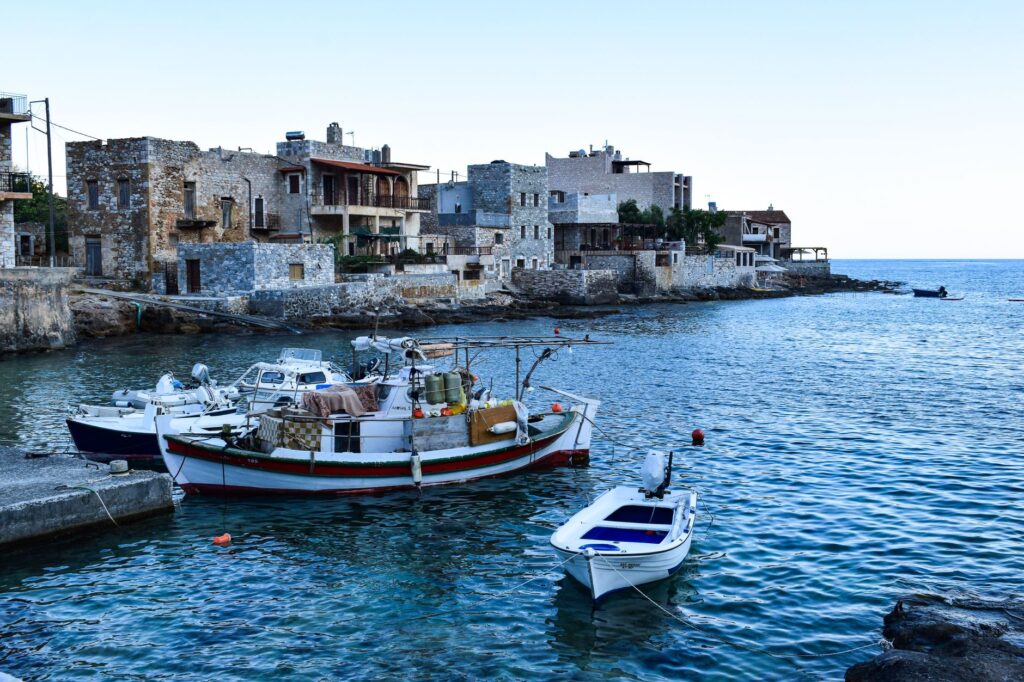
The harbors of the Aeolian Islands are much more than mere docking infrastructures; they function as the primordial public squares of these insular communities. Originally built with black volcanic stone ashlar and reinforced over decades with concrete blocks to withstand winter storm batterings, these piers concentrate the social life of the archipelagos. It is there that elders gather to discuss the weather report and where youth observe incoming strangers with a mixture of curiosity and skepticism.

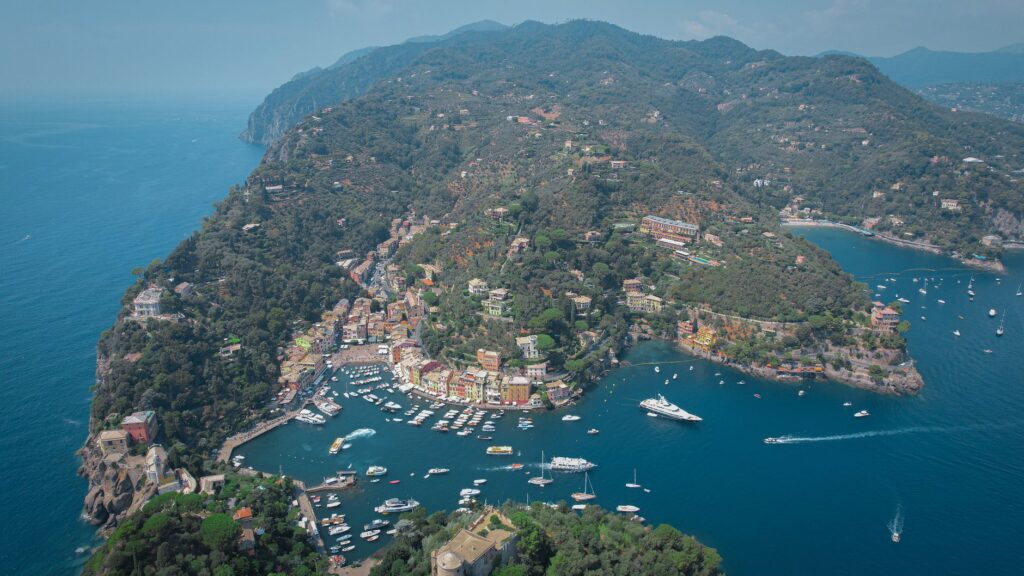
Port architecture responds to a logic of defensive protection against the open sea. Semicircular breakwaters and submerged jetties act as containment barriers to dampen the kinetic energy of waves before they reach the landing ramps. Walking along these breakwaters at dusk reveals the human scale of a territory where volcanic stone and rusted bollards coexist in perfect harmony with the intense blue of the Tyrrhenian Sea.
The sea is not a border separating the islands, but the only true highway uniting them in a shared destiny of fire and salt.
Extreme Seasonality: Between Summer Collapse and Winter Silence
One of the greatest structural challenges of the Aeolian transport system lies in its extreme seasonal duality. During the summer months, between June and September, hydrofoil and ferry frequencies multiply to absorb the massive influx of international travelers seeking the beaches of Vulcano and the nocturnal flares of Stromboli. Piers become saturated with luggage, impatient passengers, and street vendors, pushing the operational capacity of shipping agencies to the limit and straining water and waste management resources on smaller islands.
In stark contrast, the Aeolian winter is an exercise in endurance and silence. With the departure of visitors, maritime connections are drastically reduced to a couple of mandatory daily trips ensuring territorial continuity. Line vessels then become the sole umbilical cord to the mainland for teachers, doctors, and local residents forced to leave the islands temporarily for health or educational reasons. During these grey months, navigating the Tyrrhenian transforms into a deeply introspective experience, where engine roars contrast with the absolute stillness of seafaring villages.

Practical guide
Planning a journey through the Aeolian archipelago requires understanding the schedules and operational limitations of its maritime transport network. Below are the essential keys to moving efficiently through this volcanic territory:
- Continental Departure Points: The vast majority of ferries and hydrofoils depart from the Sicilian port of Milazzo. Additional, less frequent connections operate from Messina, Palermo, and Naples during high season.
- Operating Companies: Liberty Lines manages the main passenger hydrofoil network, while Siremar operates conventional vehicle-and-cargo ferries. Checking official websites for up-to-date timetables is imperative.
- Vehicle Restrictions: Several islands, such as Panarea and Alicudi, strictly ban or limit tourist car access during summer months. Leaving rental cars in the guarded parking lots next to Milazzo’s port is strongly advised.
- Luggage and Weight Limits: Hydrofoils enforce strict regulations regarding carry-on luggage size and weight. Bulky suitcases must be checked into specialized compartments located at the bow of the vessel.
- Weather Contingency Plans: Cancellations due to adverse weather conditions (strong winds and swells) are common between November and January. Always build a safety buffer of at least one day before taking international connecting flights from Sicily.
Visual Epilogue in the Twilight Shadows
When the sun begins to dip behind the dark cone of Filicudi, the silhouette of the Aeolians merges with a sky tinged in violet and ash tones. At the Lipari pier, the final hydrofoil of the day shuts down its main turbines with a metallic sigh as tired passengers disembark, laden with the subtle dust of crater hikes. In that transitional instant, between daylight and the nocturnal mantle of the Tyrrhenian, the true essence of the archipelago reveals itself without artifice. It is neither summer luxury nor tourist postcard that defines these islands, but the silent persistence of their inhabitants, anchored to a volcanic rock and sustained by the fragile, steady heartbeat of the routes crossing the sea.