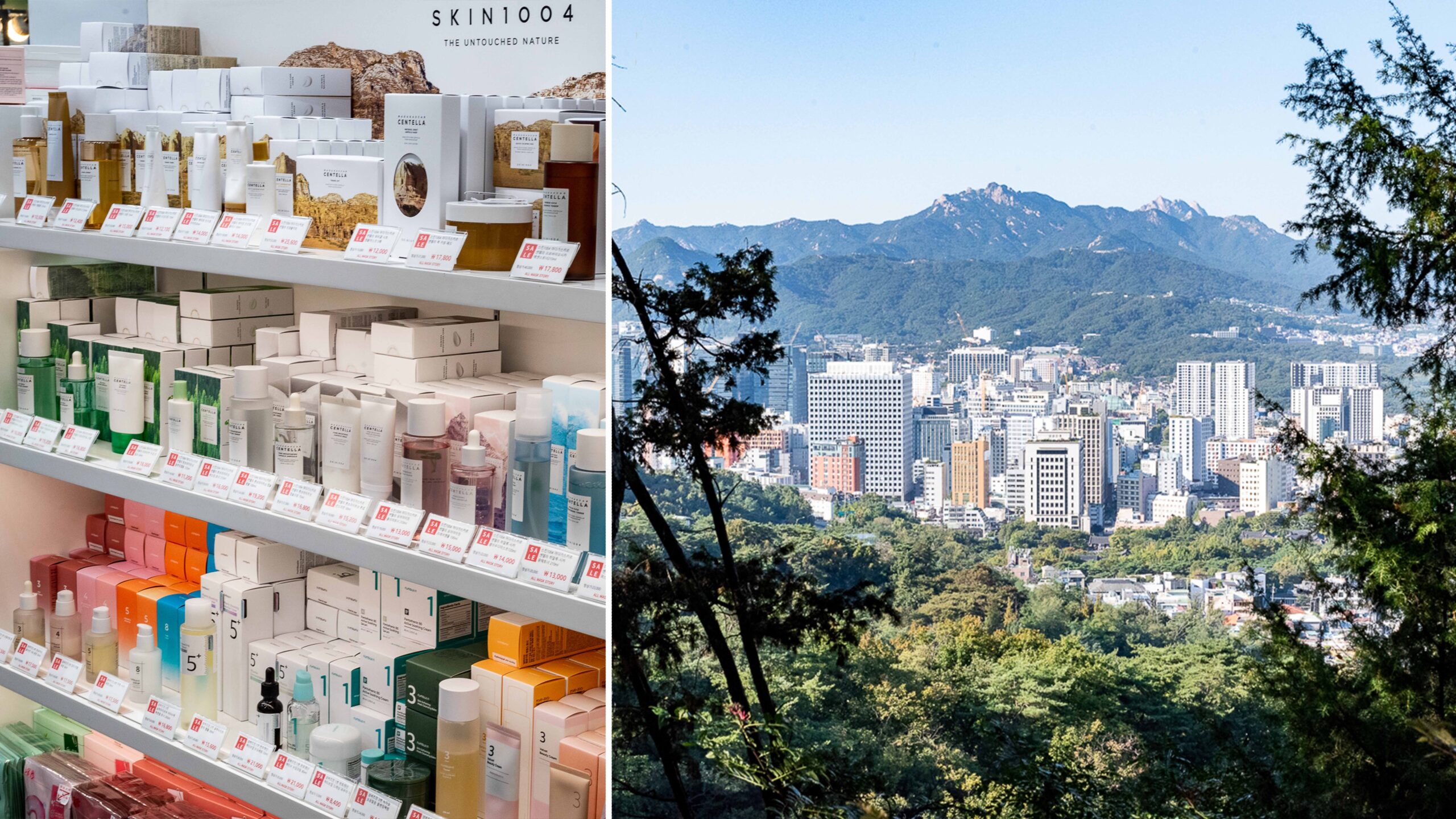

The district of Gangnam, globally celebrated for its commercial vibrancy and cultural pulse, now harbors a medical and aesthetic infrastructure without global peer. Hundreds of international travelers land daily at Incheon with a precise mission: to experience firsthand the vanguard of skincare that has turned South Korea into the world capital of dermatological innovation. Far from being a passing fad driven by social media, this phenomenon responds to a sophisticated integration between the most advanced medical science and a centuries-old cultural philosophy that understands skincare as a form of holistic well-being and self-respect.
For foreign visitors, however, the array of choices can feel overwhelming. Ultra-technological clinics, aesthetic dermatology centers, and salons specializing in cutting-edge treatments multiply block by block. Navigating this ecosystem requires not only curiosity, but rigorous planning, clinical discernment, and a clear understanding of what to expect from each procedure. Experts insist that the success of a K-Beauty-focused trip lies in prioritizing dermatological health over commercial immediacy, transforming a vacation into an authentic journey of self-discovery and renewal.
The K-Beauty Phenomenon in the Era of Global Travel
The rise of beauty tourism in South Korea is no accident; it is the result of decades of investment in dermatological research and biotechnology. Unlike other latitudes where aesthetics are primarily associated with corrective or invasive interventions, the Korean paradigm focuses on prevention, deep hydration, and cellular regeneration. Skin is conceived as a living canvas reflecting the internal balance of the individual.
This holistic approach has resonated deeply with a global audience weary of superficial cosmetic solutions. Today’s travelers seek treatments grounded in scientific evidence, performed with state-of-the-art equipment, and supervised by highly qualified professionals. In Seoul, the boundary between dermatological medicine and wellness blurs, offering a clinical experience that combines millimeter precision with impeccable hospitality.
The Science Behind the Korean Glow
The coveted effect of translucent, luminous skin—popularly known as glass skin—is not achieved through heavy makeup, but through optimal cutaneous health. Korean dermatologists employ technologies such as micro-focused ultrasound, picosecond lasers, and polynucleotide infusion therapies extracted from salmon DNA to stimulate natural collagen production and repair the skin barrier from the deepest layers.
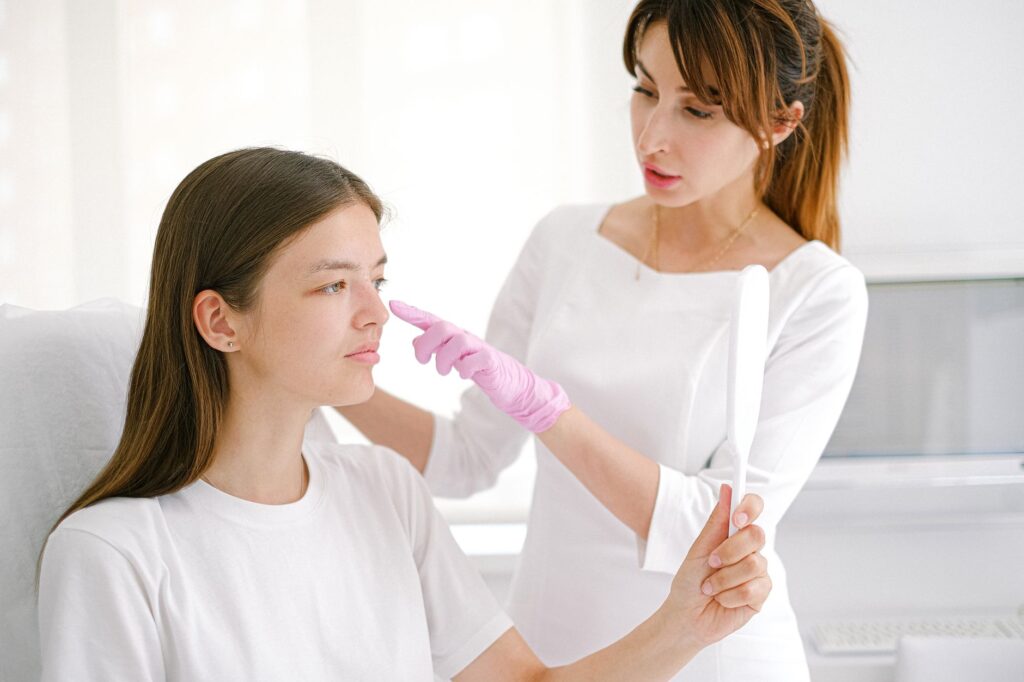
Personalization is the norm. Prior to any procedure, patients undergo a high-resolution three-dimensional skin scan that analyzes hydration levels, hidden hyperpigmentation, elasticity, and pore depth. This precise diagnosis allows for a bespoke protocol, guaranteeing optimal results and minimizing any risk of adverse reactions.
Strategic Planning: When and Where to Start the Journey
Organizing a trip focused on aesthetic treatments demands logistics distinct from conventional tourism. Specialists recommend scheduling medical appointments during the first days of the stay to allow the skin to recover properly before returning to the home country or continuing the vacation itinerary.
Likewise, the choice of season matters. Spring months (April to June) and autumn (September to November) offer mild temperatures that facilitate the post-treatment recovery process, avoiding direct exposure to the intense summer solar radiation or the dry, freezing winter air of Korea.
Selecting Clinics: Beyond Marketing
The market is saturated with options, making it vital to distinguish between centers geared exclusively toward mass tourism and prestigious local dermatological clinics that treat international patients with the same rigor. The best institutions feature board-certified dermatologists and specialized medical translators who accompany the patient throughout the entire process, from the initial consultation to home aftercare recommendations.
Beware of clinics promising miraculous results in a single session or failing to perform a thorough initial medical evaluation. Transparency regarding costs, potential side effects, and downtime are unequivocal indicators of professionalism and medical ethics.
Popular Protocols and What to Expect in Consultation
The catalog of available treatments is vast, but certain procedures stand out for their high demand and proven efficacy. Among them are radiofrequency-assisted microneedling mesotherapy, customized biological peels, and high-intensity LED light therapies designed to calm inflammation and stimulate tissue regeneration.
During the session, patient comfort is an absolute priority. High-potency anesthetic creams and simultaneous cooling techniques are employed to minimize any discomfort. Following post-treatment instructions regarding the use of broad-spectrum sunscreens and specific moisturizing products is fundamental.
True luxury in contemporary dermatology is not ostentation, but scientific precision at the service of natural skin health.
Recovery times vary considerably. While procedures like deep hydration via non-injectable hyaluronic acid require virtually no downtime, deeper laser treatments may cause temporary redness or mild flaking for a few days, a completely normal process preceding visible skin renewal.
The Rhythm of Seoul: Combining Wellness and Cultural Discovery
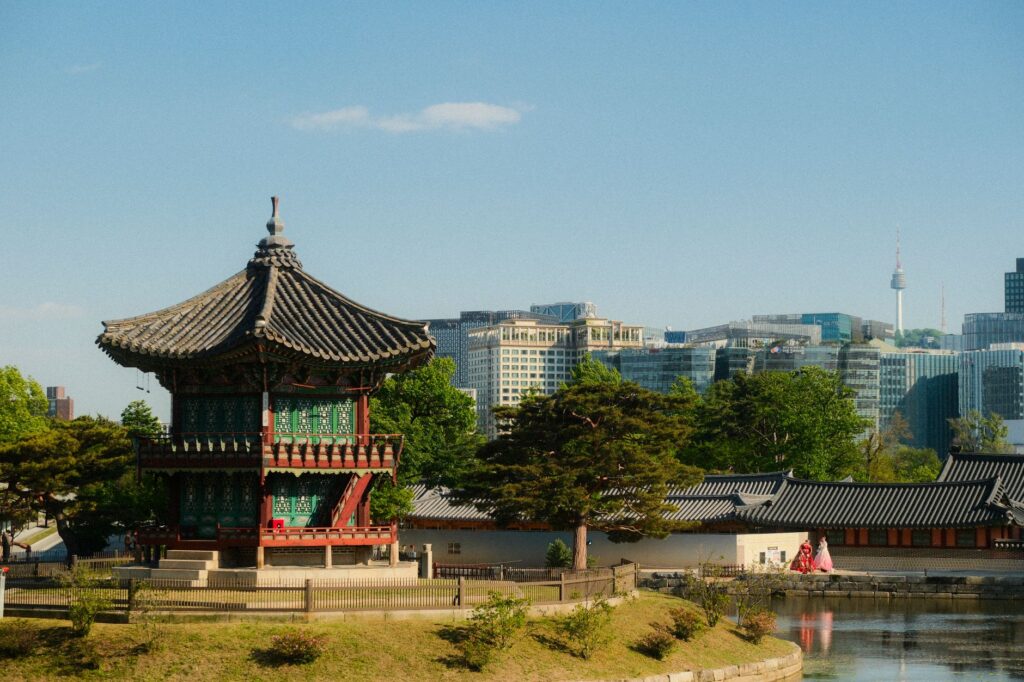
A K-Beauty trip does not have to be confined within the walls of a clinic. Seoul offers a fascinating contrast between the hyper-modernity of its financial districts and the serenity of its royal palaces and traditional houses, known as hanok. Integrating moments of rest in natural or historical settings is key to reducing oxidative stress and enhancing the benefits of aesthetic treatments.
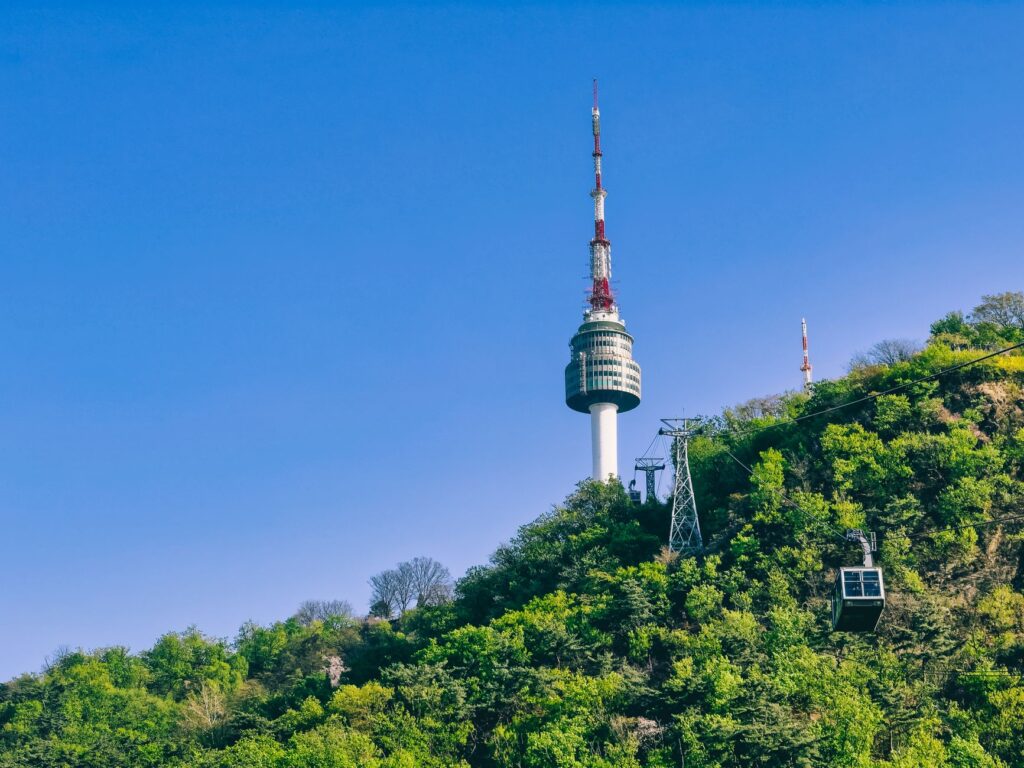
Strolling along the tree-lined paths of Namsan Mountain or enjoying a traditional tea ceremony in the Bukchon neighborhood are activities that perfectly complement physical care. Wellness in Korean culture encompasses mind, spirit, and environment, reminding the traveler that outer beauty is inseparable from inner peace.
Gastronomy and Cutaneous Nutrition
The connection between diet and skin health is a foundational pillar in Korea. Traditional Korean cuisine, rich in fermented foods like kimchi, nutritious bone broth-based soups, and a wide variety of fresh vegetables, provides essential antioxidants and probiotics that promote a balanced cutaneous microbiome.
During your stay, take the opportunity to explore local food markets, where ingredient freshness is the standard. A balanced diet during the trip not only supports post-treatment recovery but introduces the traveler to a deeper dimension of local culture.
Aftercare: Maintaining the Glow at Home
The end of the trip does not mark the end of the process. The true challenge and long-term reward lie in maintaining the results achieved once back home. Home skincare routines must be adapted to the climate and lifestyle of the home country, integrating Korean principles of gentle cleansing, layered hydration, and daily sun protection.
Specialists advise maintaining fluent communication with the Korean clinic through digital platforms to resolve any questions regarding skin evolution. Purchasing cosmetic products should be based on the personalized diagnosis obtained in Seoul, avoiding impulsive purchases of items that do not address the actual needs of the skin barrier.
Practical guide
Getting there: Incheon International Airport features excellent rail and bus connections that link directly to central Seoul in less than an hour.
Documentation: Verify current entry requirements, including the potential need to apply for the Electronic Travel Authorization (K-ETA) prior to departure.
Language and communication: Although major Gangnam clinics have multilingual staff and interpreters, downloading an instant translation app will facilitate urban mobility.
Security and payments: International cards are accepted in virtually all establishments. It is advisable to notify your bank about the trip to avoid transaction blocks abroad.
Clinical etiquette: Always respect punctuality for medical appointments; timeliness is an essential value in Korean professional culture.
The Inner Refuge: Beauty, Time, and Memory
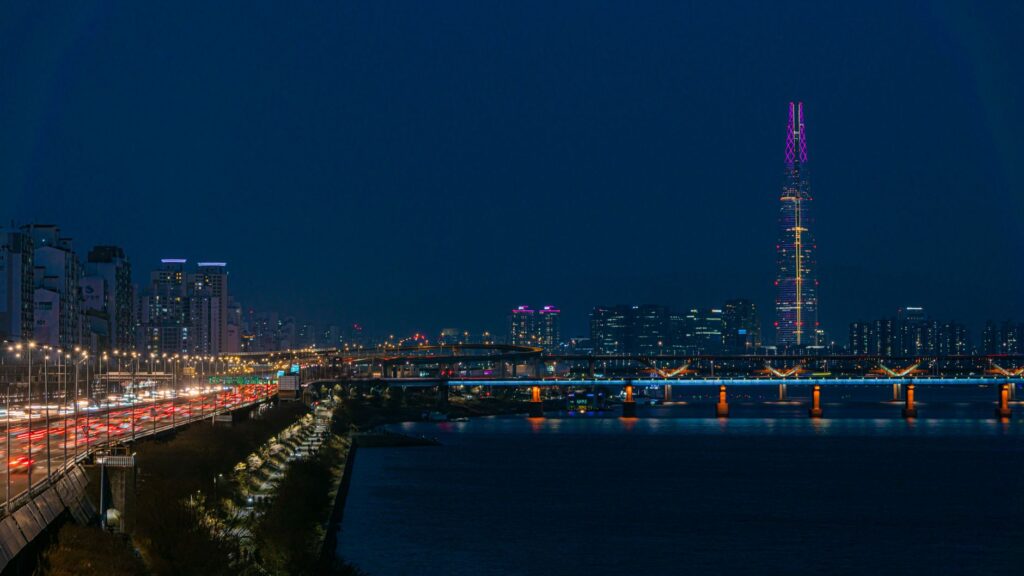
As evening falls, when neon lights begin to reflect on the glass and steel facades of Gangnam, the city acquires a unique visual texture that invites introspection. Beauty tourism in South Korea transcends mere commercial transaction; it reveals itself as a conscious exercise of transformation and self-care in an environment where advanced technology dialogues harmoniously with respect for the individual. Upon embarking on the return journey, the traveler carries not only a renewed and luminous skin in their luggage, but also a deeper perspective on how art, science, and mindfulness can unite to redefine the contemporary concept of well-being.
Source in EN: Condé Nast Traveler