The Intermodal Labyrinth of the Azores Archipelago: Volcanic Barges, Windy Runways, and the Fragile Connectivity of an Atlantic Outpost
An in-depth and rigorous analysis of the transport system sustaining the Azores archipelago in the North Atlantic, exploring its complex network of ferries, windy airfields, and insular logistical challenges.
Introduction to Atlantic Isolation and Its Lifeline Network
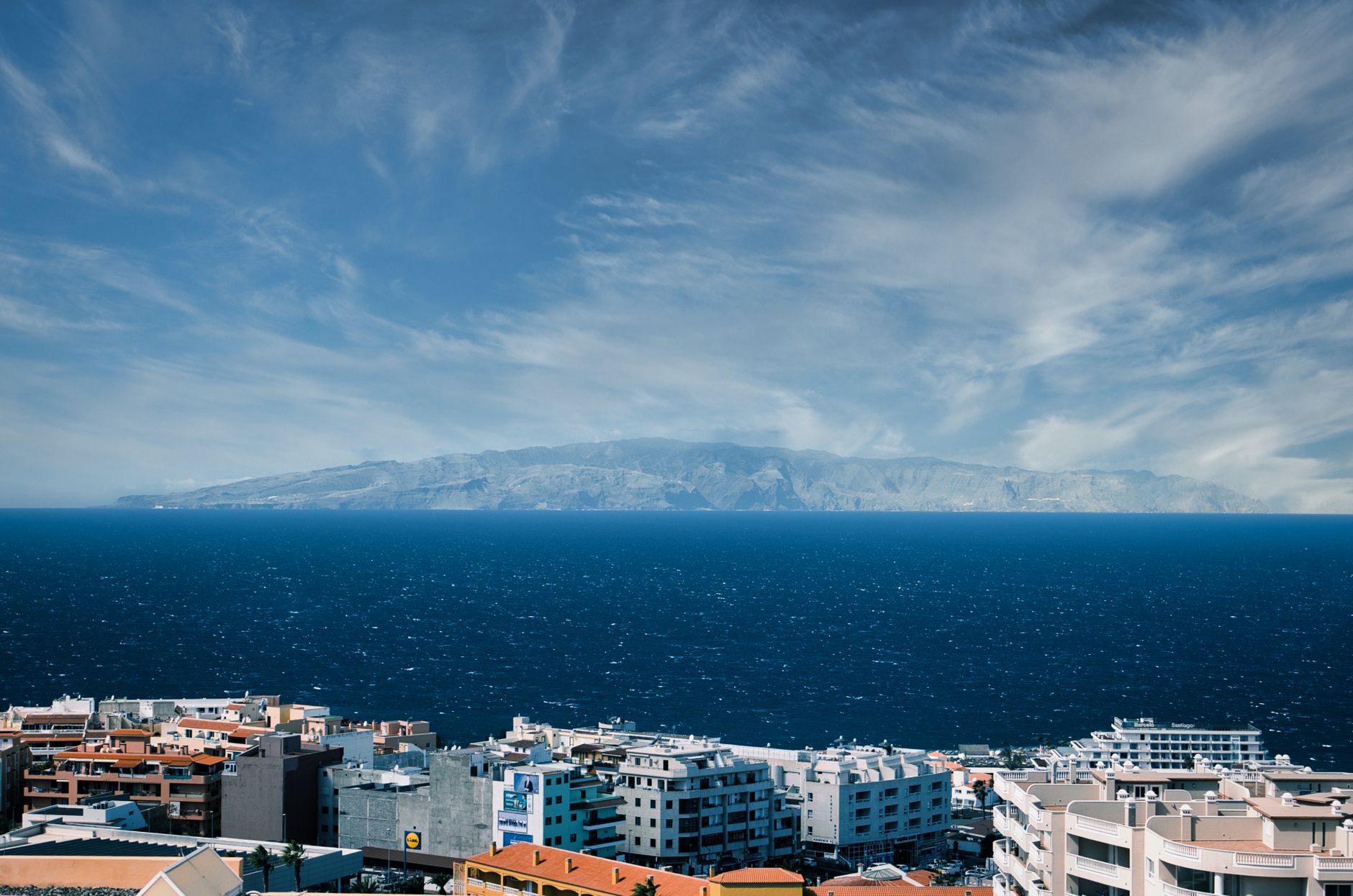
In the vast expanse of the North Atlantic, halfway between Europe and North America, the Azores archipelago rises as a volcanic stronghold where human survival and development depend entirely on millimeter-precision logistical choreography. Nine islands fragmented by immense ocean depths shape this Portuguese territory, an environment where the force of the elements dictates every human movement and every supply of goods. The geology of these lands, sculpted by smoking calderas, basaltic cliffs, and intensely green slopes, imposes a formidable physical barrier that humanity has had to overcome through a transport network as ingenious as it is vulnerable. Understanding the operation of this insular connectivity is not merely a technical exercise, but an approach to human endurance against geographic isolation in the twenty-first century.
For decades, the isolation of the Azores posed a structural brake for its communities, limiting trade, the mobility of its inhabitants, and access to specialized healthcare services. Today, connectivity between the eastern, central, and western islands relies on a delicate intermodal balance combining short-haul regional aviation with a fleet of maritime ferries operating under the constant dictate of Atlantic gales. This report examines the complex machinery keeping these islands alive, analyzing the challenges faced by authorities, operators, and residents alike in a scenario marked by energy transition, infrastructure obsolescence, and the pressure of seasonal tourism testing the limits of local carrying capacity.
The Aerial Backbone: Airfields Between Cliffs and Crosswinds
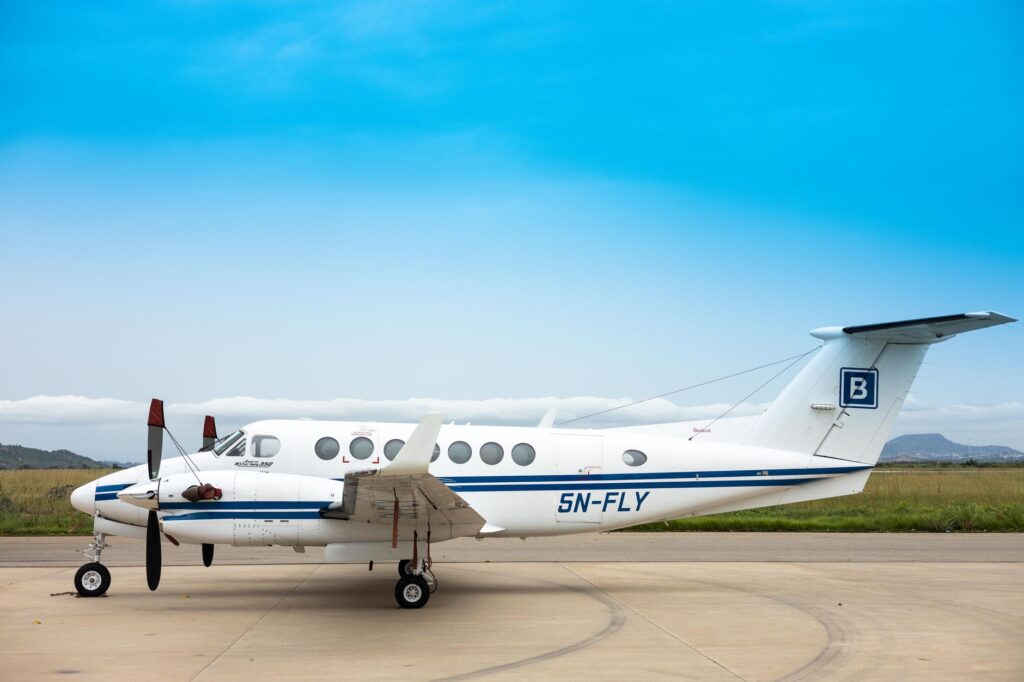
The Azorean sky is the primary umbilical cord binding the archipelago to the European mainland while simultaneously connecting the nine islands among themselves. However, operating aircraft in this geographic environment is one of the most demanding disciplines in international civil aviation. Short runways flanked by steep volcanic slopes and exposed to violent crosswinds and sudden fog banks define airports such as those in Flores or Corvo, where every landing demands extraordinary skill from flight crews. The regional airline plays an indispensable monopolistic role, ensuring territorial cohesion through a fleet of turboprops adapted to takeoffs and landings in extremely confined spaces.
The reliance on internal air transport generates, nevertheless, profound structural vulnerability. When winter storms or tropical depressions strike the archipelago, smaller airfields remain inoperative for days, completely isolating peripheral islands such as Graciosa or Corvo. This situation turns travel planning into an exercise of patience and constant adaptation for passengers. Investments in instrumental approach systems and the modernization of lighting beacons have improved safety, but extreme weather continues to dictate the rules of the game. Azorean air connectivity demonstrates that the most advanced aeronautical technology still encounters the limits imposed by oceanic nature.
The Route of the Waves: Ferries, Tides, and Heavy Cargo
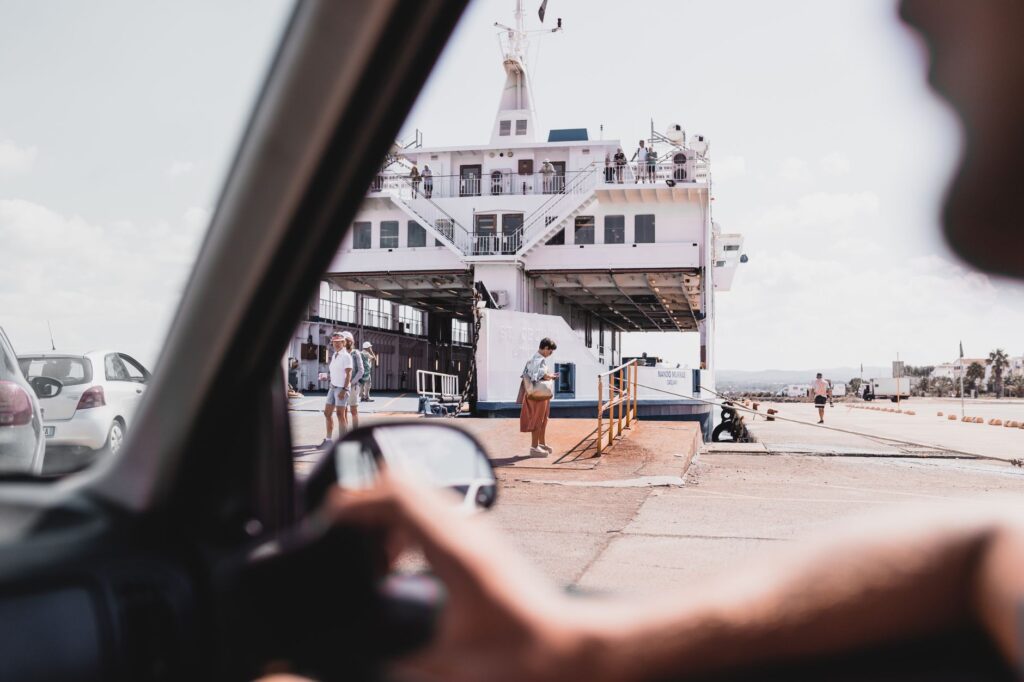
If the airplane represents speed and urgency in the Azores, the sea is the true economic lung carrying heavy cargo, vehicles, fuel, and construction materials essential for daily life. Maritime connections, operated primarily during the summer months through high-speed ferries and conventional roll-on/roll-off cargo barges, link the main ports of islands like São Miguel, Terceira, and Faial with the rest of the archipelago. However, seasonality deeply marks this sector: while passenger and tourist traffic peaks to record numbers in summer, winter drastically cuts frequencies due to sea conditions and the hazard of storms.
The sea in the Azores is not a neutral transit route; it is a living, shifting organism that dictates the rhythm of the island economy and tests the patience of those relying on its currents.
Azorean port infrastructure is a testament to tenacious engineering. Monumental breakwaters, built to withstand the impact of massive waves driven by thousands of kilometers of oceanic fetch, protect docks where docking precision is vital. Despite these defenses, winter storms cause recurring damage to basins, forcing temporary closures that paralyze the supply chain. Fleet renewal and port expansion feature on government agendas, but submarine geography, characterized by abyssal depths mere meters from the coast, enormously increases the cost of any marine expansion project.
Local Land Transport: Winding Roads and Sustainable Mobility
Once on solid ground, mobility within the interior of the Azorean islands presents its own particularities. The road network has undergone a profound transformation over the past two decades, shifting from cobblestone, winding rural roads to modern highways equipped with tunnels and viaducts facilitating cross-island transit. Nonetheless, driving across islands like São Jorge or Pico involves facing steep inclines, sharp curves, and the frequent presence of livestock or heavy fog reducing visibility to mere meters. Maintaining these routes requires constant budgetary effort due to erosion caused by persistent humidity and volcanic landslides.
Regarding public transport, the insular reality shows significant contrasts. While more populated islands boast regular bus lines connecting major towns, rural municipalities and high-altitude areas rely on scarce services complicating mobility without a private vehicle. Aware of this mismatch, local authorities have begun implementing sustainable mobility initiatives, promoting the use of electric vehicles for rental fleets and designing hiking trails and bike lanes enhancing natural heritage without overcrowding fragile secondary roads. The transition toward a carbon-neutral land transport model stands out as an inescapable goal to preserve the fragile island ecosystem.
Digital Connectivity as Invisible Infrastructure
In the machinery of modern transport and insular logistics, physical infrastructure can no longer be understood without its digital counterpart. For the Azores, located over a thousand kilometers from the Iberian Peninsula, submarine fiber-optic cables and global positioning systems constitute infrastructure as vital as docks and runways. Coordinating ferry fleets, real-time tracking of inter-island flights, and managing hotel and transport bookings depend on a robust telecommunications network preventing informational isolation.
The modernization of air and maritime traffic control centers has optimized routes and minimized cancellations derived from imprecise weather forecasts. Yet, the vulnerability of these submarine links to underwater earthquakes or maritime accidents remains a latent concern for logistics operators. Ensuring redundancy in digital communications is the new front in the battle to ensure geographic remoteness does not translate into economic or social disadvantage for citizens choosing life in this Atlantic outpost.
Socioeconomic Challenges and the Mass Tourism Dilemma
The exponential growth of tourism across the archipelago over the past decade has critically strained existing transport infrastructures. Airports operating with ease now register bottlenecks during peak summer hours, and major ferry routes experience high demand hindering local residents’ access to basic inter-island mobility services. This imbalance between territory carrying capacity and visitor volume poses a top-tier ethical and political dilemma: how to fund transport modernization without sacrificing the tranquility and authenticity attracting travelers?
Local administrations debate implementing specific tourist taxes aimed at funding public infrastructure maintenance and subsidizing transport fares for local residents. Likewise, efforts promote tourism de-seasonality to spread visitor flows throughout the year, easing pressure on connections during core summer months. The challenge lies in designing a connectivity model serving both economic development and social cohesion for communities rooted in a territory as beautiful as it is relentless.
Practical guide
Planning a trip or logistical journey across the Azores archipelago requires rigor, flexibility, and deep knowledge of its transport particularities.
Air connections: SATA Air Açores operates flights between all nine islands. Booking months in advance during peak season (June to September) is essential, and always allow at least a 24-hour buffer for international flight connections in case of weather cancellations.
Maritime transport: Atlanticoline manages ferry lines in the central group and between islands. Schedules depend strictly on sea conditions; check the official port status application before initiating any travel by water.
Car rental: Essential on islands like Pico, São Jorge, or Flores to reach isolated natural areas. Book compact cars with manual transmissions, ideal for narrow rural roads and tight parking spaces.
Travel insurance: Purchase policies specifically covering trip interruptions, extended weather delays, and medical assistance on island evacuation flights.
Emotional Epilogue: The Siren’s Echo at the Pier of Calms
As evening falls over the port of Velas on São Jorge Island, and the dark profile of the insular peak merges with the grey ocean horizon, the hum of ferry diesel engines ceases for a few hours. In that moment of truce, coastal inhabitants contemplate the sea not as a threat or logistical obstacle, but as the liquid mirror reflecting their own identity. The Azores teach that human mobility at the ends of the world is not a matter of technical conquest, but of humble adaptation to the sovereign grandeur of the Atlantic. At journey’s end, every stamped ticket and every runway won from the wind stand as tangible proof that insular humanity will always find a way to bridge the abyss.
ATLAS LUME · BEFORE YOU GO
A story that continues at the destination
DocumentsCheck visas, health requirements and document validity with official sources.
BookingsConfirm the final price, taxes and conditions directly with the provider.
Responsible travelRespect local communities, heritage and ecosystems.