There are places on Earth where time seems frozen in a postcard of weather-beaten isolation and salt. The Atacama Desert, historically regarded as the driest and most desolate place on earth, nonetheless harbors a latent plant memory that challenges the boundaries of biology. When atmospheric conditions converge in an exceptional manner, this Chilean frontier undergoes a radical metamorphosis known as the flowering desert, an event where millions of dormant seeds awaken simultaneously to paint the ocher monotony of the terrain with intense colors.
This report examines the scientific, environmental, and human keys surrounding this seasonal event. Through a rigorous analysis of meteorological factors, the fragility of local ecosystems, and the testimony of those who inhabit the land, we will explore how a millimeter of unexpected rain is capable of triggering one of the most breathtaking natural spectacles in the southern hemisphere, reminding us of the profound interconnection between climate, soil, and life.
The Geography of Silence and the Paradox of Scarce Rain
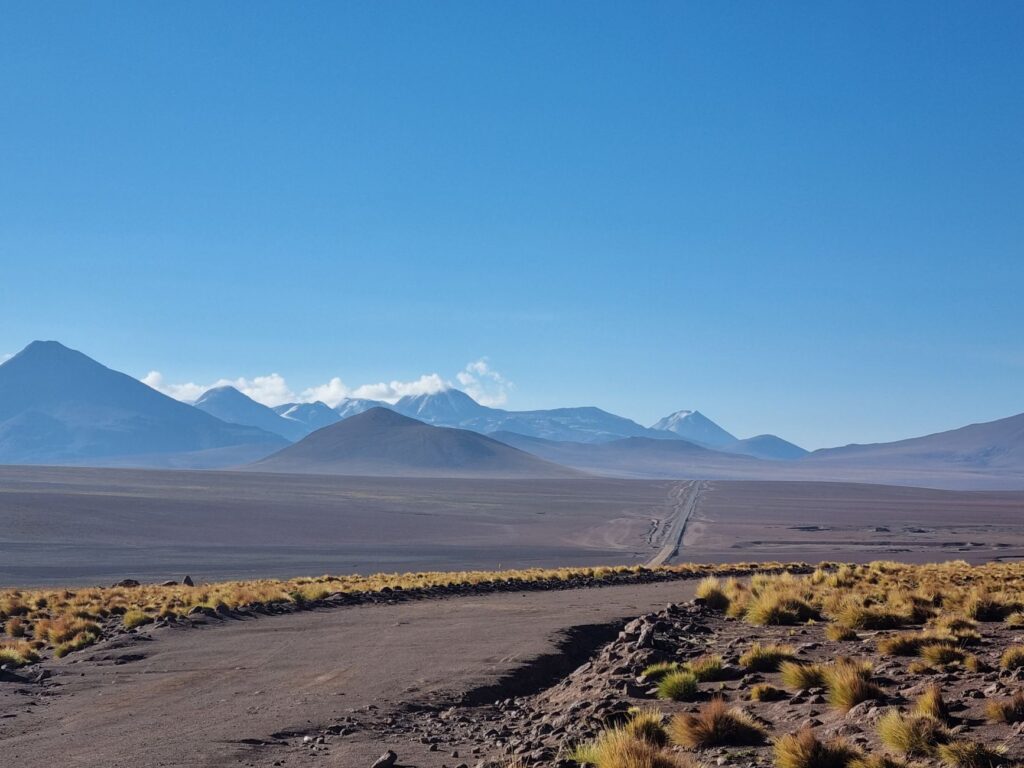
To understand the magnitude of the flowering desert, one must first look at the ground itself. Atacama is not a uniform plain; it is a complex mosaic of salt basins, volcanic mountain ranges, and high plateaus where relative air humidity can approach absolute zero for long periods. Extreme aridity is the direct result of the combination between the cold Humboldt Current along the Pacific coast and the rain-shadow effect cast by the Andes cordillera, blocking moisture-laden clouds from reaching the area from the Amazon basin.

Yet the apparent inertia of this landscape hides a fascinating subterranean dynamic. Bad-weather fronts originating from the Andean winter, known locally as the Bolivian winter, or occasional incursions of cold fronts from the south, can dump unusual precipitation over traditionally dry zones. When these rains exceed a critical threshold—typically estimated at a few millimeters concentrated at precise moments—water infiltrates the surface layers of the soil and breaks the dormancy of buried seeds.
This activation is neither homogeneous nor does it happen every year. Botanists studying the area point out that an exact combination of temperature, solar radiation, and water volume is required for the germinative cycle to complete successfully. If the rain is insufficient, plants die before blooming; if it is excessive combined with extreme heat, it can cause bulbs to rot. It is a delicate thermodynamic balance that turns each manifestation of the flowering desert into an unrepeatable and fleeting event.
The Seed Bank: An Ancient Evolutionary Strategy
The biological heart of this phenomenon lies in the resilience of its flora. The species participating in the flowering desert are not accidental visitors, but organisms rigorously adapted to extreme drought. Geophytes, therophytes, and endemic cacti have developed extraordinary survival mechanisms over millennia of evolution under limit conditions.

The seeds of these species possess highly specialized protective coats that prevent premature germination during episodes of ephemeral surface moisture. Only when water penetrates deeply enough into the soil and dissolves the natural chemical inhibitors present in the seed coat does internal cellular metabolism activate. This biological clockwork mechanism ensures that the plant germinates solely when real probabilities exist to complete its life cycle, produce flowers, be pollinated, and generate a new generation of seeds before the soil dries out completely once again.
Among the most representative taxa of this ecosystem are the guanaco paw (Calandrinia grandiflora), with its characteristic fuchsia petals; the suspiro (Nolana elegans), which carpets coastal slopes in blue and violet tones; and various species of wild lilies and poppies that emerge forcefully after the first weeks of humidity. Each of these plant forms plays a fundamental ecological role in the microfauna of the desert, attracting specialized insects, birds, and small rodents that actively participate in the area’s temporary trophic chain.
The Awakening of the Trophic Chain and Invisible Pollinators
The chromatic explosion of the flowering desert immediately triggers a cascading response throughout the local ecosystem. As the first corollas open under the northern Chilean sun, a multitude of pollinating insects—native bees, butterflies, and beetles adapted to aridity—emerge from their underground refuges or migrate toward areas with higher plant density.

This sudden flow of nectar and pollen radically transforms the region’s feeding dynamics. Insectivorous birds and small mammals find an abundant source of resources in territories that, weeks earlier, offered barely enough for mere survival. Researchers have documented how species of reptiles and birds of prey adjust their reproductive cycles to coincide with the food bounty generated by the blooming, proving that life in Atacama is a system highly synchronized with the pulses of the climate.
The Delicate Balance Against Anthropogenic Pressure
Despite its apparent robustness, the flowering desert constitutes an extremely fragile ecosystem. Unchecked mass tourism and irresponsible vehicular traffic on unauthorized routes represent severe threats to the persistence of endemic flora. Massive trampling compacts the soil, destroys delicate underground bulbs, and breaks the biological crust that protects seeds from wind erosion.
Faced with this vulnerability, Chilean environmental authorities and local communities have promoted various initiatives aimed at regulating access to areas of highest floral concentration. The creation of temporary protected areas, the establishment of demarcated trails, and the promotion of environmental education programs for visitors are essential measures to reconcile public enjoyment of this natural heritage with its long-term conservation.
Protecting the flowering desert does not mean banning access to its beauty, but learning to observe it with the reverent respect demanded by a fragile balance built over thousands of years.
Scientists insist that any drastic alteration in the coastal and interior areas of Atacama—such as unregulated groundwater extraction or solid waste accumulation—can irreversibly compromise the plant genetic bank that sustains the phenomenon. Sustainable management of this territory requires coordinated effort among science, public administration, and regional tour operators.
Practical guide
Planning a visit to witness the flowering desert requires flexibility and rigorous attention to the meteorological and geographical conditions of northern Chile.
When and Where It Occurs
The phenomenon usually manifests between the months of September and November, following winter rains occurring between July and August. Areas with the highest activity extend mainly across the Atacama and Coquimbo regions, covering coastal and interior sectors such as the surroundings of Copiapó, Huasco, and the Salado River basin.

How to Get There and Get Around
The main air access point is the Atacama Desert Airport, located near Copiapó. From there, the most efficient option to tour the flowering sectors is renting a vehicle suitable for dirt roads. It is strongly recommended to use exclusively authorized routes to prevent irreparable damage to the ecosystem.
Ethical and Safety Recommendations
- Do not step on areas carpeted with flowers or uproot wild specimens.
- Bring comfortable footwear, broad-spectrum sunscreen, sunglasses, and sufficient drinking water.
- Strictly respect the signage of national parks and protected areas.
- Hire authorized local guides to correctly interpret the flora and geology of the site.
The Emotional Footprint of a Transitory Landscape
Contemplating the immensity of Atacama tinged by millions of ephemeral flowers leaves an indelible mark on the spirit of anyone who experiences it. It is not merely a visual record of intense colors over sand and rock, but a profound lesson on the persistence of life in the most hostile settings on the planet. In an era marked by climate urgency and global environmental degradation, this desert blooming against all odds acts as an eloquent reminder of nature’s resilience, provided it is granted the time and care needed to breathe.
Source: Adapted from information regarding the flowering desert in Chile, originally published by Viajando.Travel.