
Origins and Geology of Millennial Waters in the Miño Valley
Southern Galicia conceals one of Europe’s greatest thermal concentrations, a geological phenomenon where water gushes from the earth’s interior at temperatures exceeding sixty degrees Celsius. Along the fluvial course of the Miño River, tectonic fractures and the granitic composition of the terrain act as a natural filter, enriching the flow with minerals of undisputed therapeutic properties. This environment, far removed from conventional wellness circuits, maintains a direct connection with ancient Roman baths whose traces remain visible beneath the current urban and suburban layout.
The formation of these underground aquifers is the result of a decades-long hydrogeological cycle, during which rainwater infiltrates deep into the tectonic faults of the Ourense depression. Upon coming into contact with the geothermal heat of deep Earth strata, the water ascends driven by natural pressures, emerging on the surface free of organic impurities yet laden with sulfides, chlorides, and bicarbonates. Hydrogeologists studying the area emphasize that the uniqueness of this system lies in its thermal constancy and inexhaustible flow, which has not diminished even during the driest summer periods of recent decades.
From a historical perspective, human presence around these springs dates back to the founding of Aquae Flaviae and the Gallaecian settlements that preceded Roman domination. Granite stone, omnipresent in local architecture, has served for centuries as a containment and canalization element for a resource that locals have traditionally used to alleviate rheumatic and muscular ailments. Today, the recovery of these fluvial spaces has transformed the landscape into a model of scenic integration where contemporary engineering respectfully dialogues with natural heritage.
Thermal Architecture and Landscape Design Along the River
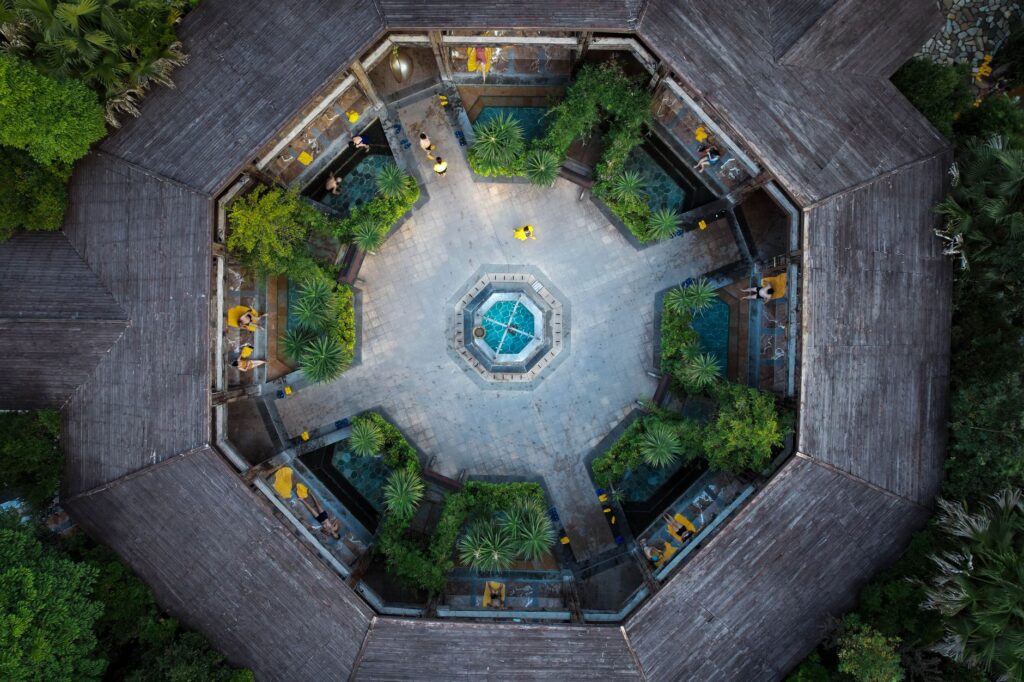
The development of Ourense’s thermal areas has represented a remarkable exercise in landscape architecture. Far from closed, large-scale hotel complexes, municipal and institutional efforts have focused on creating open-air enclosures integrated into fluvial pathways. Spaces such as Outariz, Chavasqueira, or A Calda combine noble timber structures, suspended walkways, and stone pools that mimic the natural layout of river basins, allowing visitors to immerse themselves in warm water while contemplating the dense riparian vegetation and the leisurely flow of the Miño.
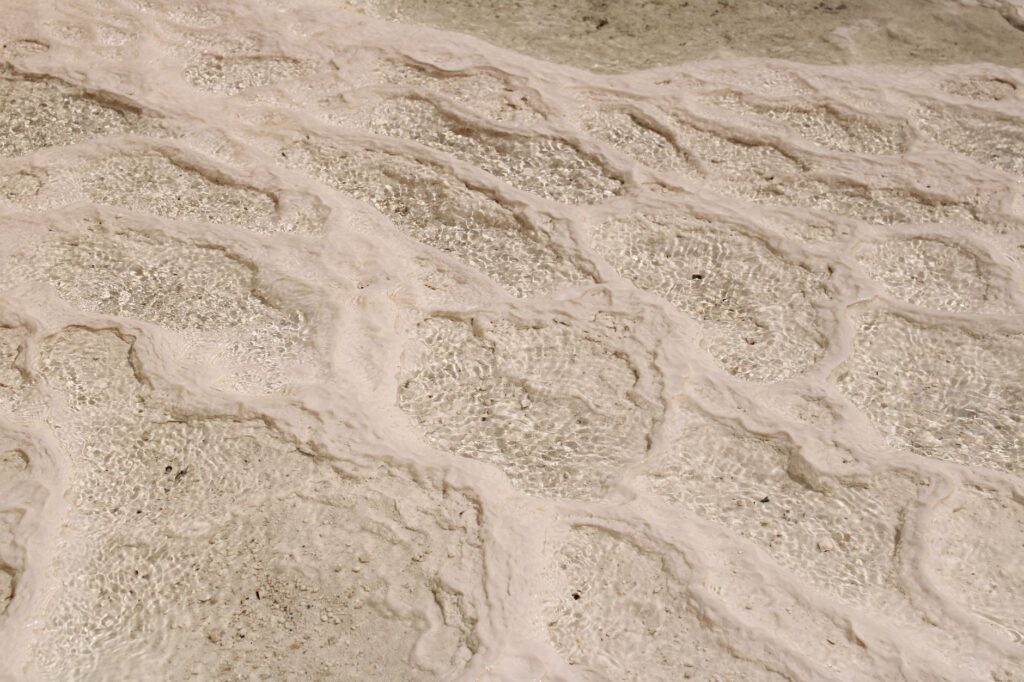
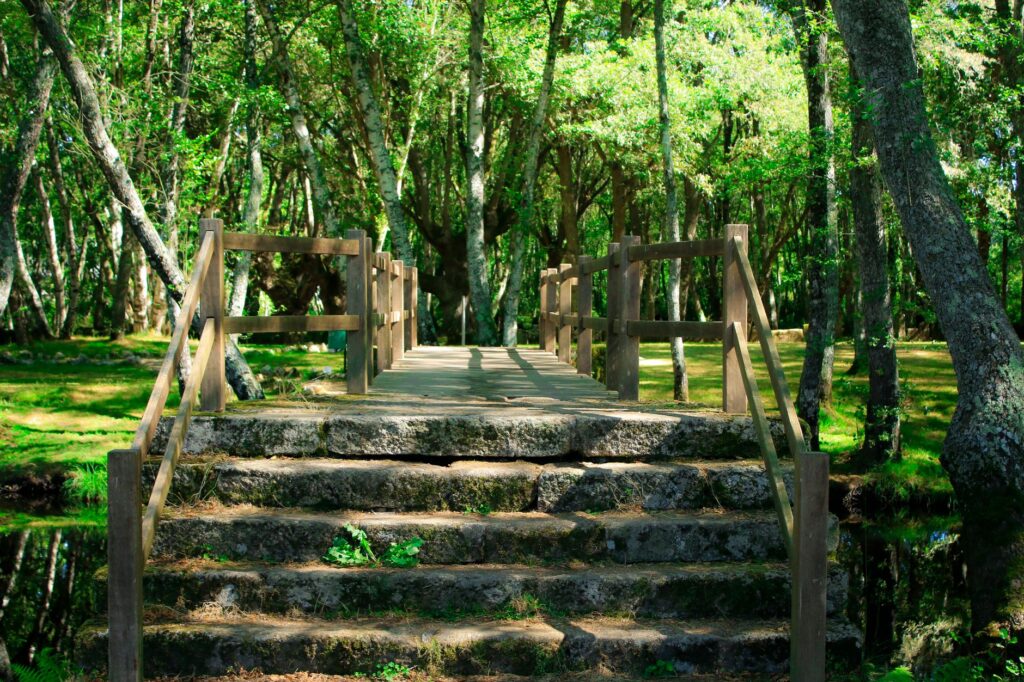
The design of these facilities prioritizes sustainability and the reversibility of interventions. The architects responsible for their planning have used indigenous materials such as treated oak wood and traditional dry-stone masonry, avoiding the intrusion of ostentatious aesthetic elements that alter the visual harmony of the valley. Wooden walkways not only facilitate pedestrian and bicycle access from the historic city center but also act as visual dikes that protect the fragile fluvial ecosystem from direct human pressure, channeling the flow of bathers through strict carrying-capacity criteria.
Thermal water in the Miño Valley is not a mere recreational resource, but a structuring element of the territory that defines the ancestral relationship between inhabitants and their fluvial surroundings.
This architectural approach has also required complex technical solutions for the capture, cooling, and purification of water. Because the springs emerge at temperatures incompatible with direct bathing, mixing and regulation systems have been installed that harness the river’s own hydraulic energy to climate-control the circuits without relying on external energy sources. The result is a low-impact tourism infrastructure model that serves as an international reference in the sustainable management of urban and suburban hydrothermal resources.
Capture Systems and the Complex Ritual of Hot-Water Bathing
Immersing oneself in Ourense’s thermal waters involves understanding a series of unwritten protocols that form part of the local wellness culture. Unlike modern commercial spas, the bathing ritual here responds to a community tradition where physical health and mental disconnection are achieved through progressive immersion in different thermal ranges. Local users typically alternate forty-degree pools with cold-water showers sourced from the river, a circulatory contrast that enhances the tonic effects of the minerals dissolved in the aquatic medium.
The technical catchment network supplying these pools consists of deep boreholes and thermally insulated stainless-steel piping to prevent heat loss during transit from the aquifer to the bathing surface. Automated systems continuously monitor the flow rate, pH, and bacteriological concentration of each basin, ensuring rigorous sanitary standards without altering the original mineral purity of the water. This balance between technological control and sensory experience is the pillar supporting the high loyalty of visitors who return year after year.
The experience is complemented by the integration of rest areas paved with non-slip stone and surrounded by native plant species such as willows, alders, and ferns. These green zones act as a natural acoustic buffer that isolates bathers from the surrounding urban bustle, generating an atmosphere of contemplation rarely found in riparian environments so close to densely populated areas. The transition between the historic city and the thermal sanctuary occurs imperceptibly, guided by the constant murmur of water and riparian vegetation.
Pedestrian Routes and Connection to Fluvial Heritage
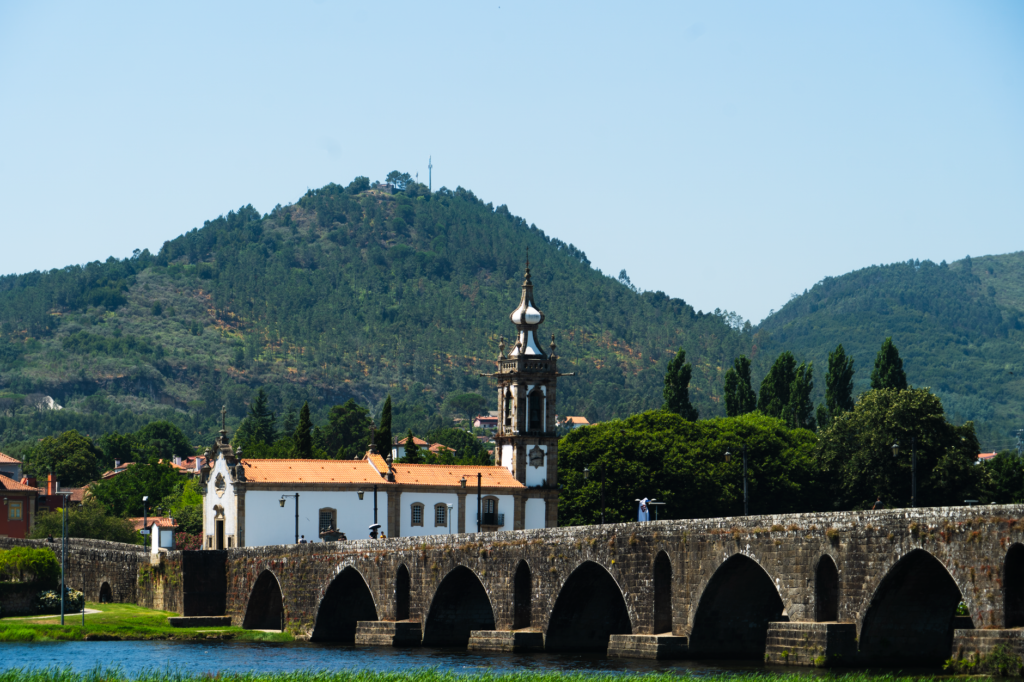
The Miño thermal trail extends over several kilometers of conditioned riverbanks, forming a backbone for active and cultural tourism. Walking or cycling along this path allows visitors to discover forgotten industrial and civil heritage, from restored old water mills to medieval and Roman bridges that testify to the historical importance of these communication routes. The landscape intervention has recovered these architectural milestones, integrating them into an interpretive discourse that explains the economic and social evolution of the region linked to the river.
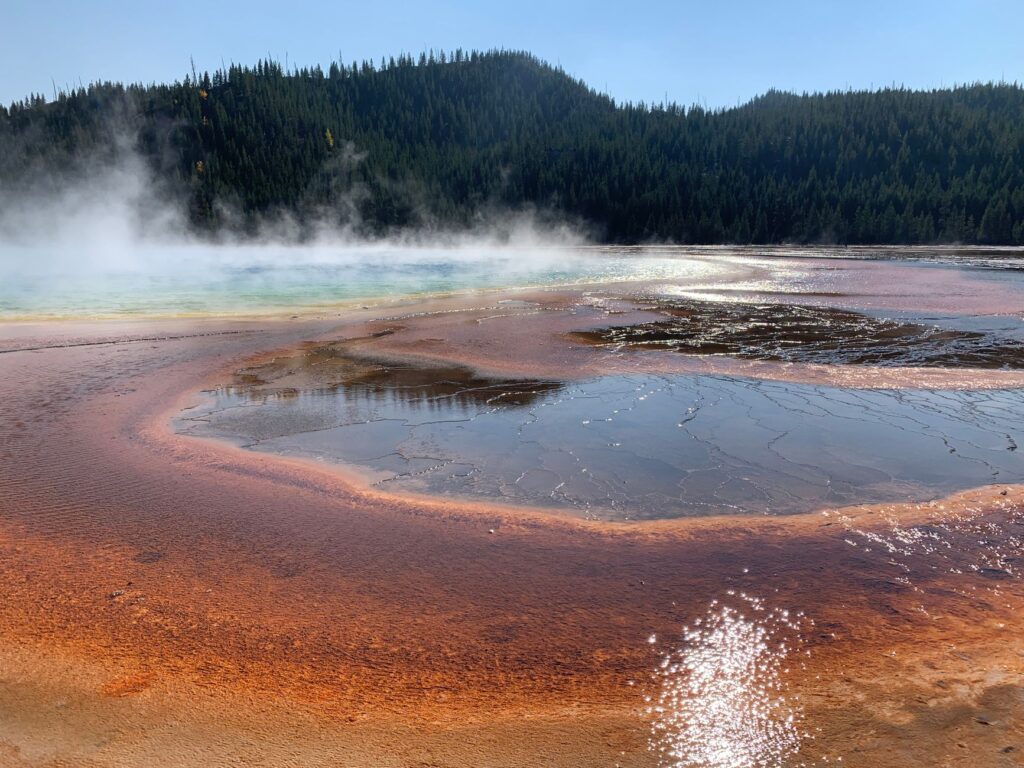
- Oira Pedestrian Path: Starting point of the thermal route, equipped with public pools and free-access landscaped areas.
- Chavasqueira Hot Springs: Located near the remains of an old spa, combining Japanese-inspired architecture with traditional Galician stone.
- Outariz and A Calda Channeling: The most extensive and best-integrated section in the natural environment, featuring wooden circuits and open-air pools.
- Millennium Bridge and Fluvial Walkways: Milestones of contemporary engineering connecting the urban fabric with the sandy banks and springs of the right margin.
The maintenance of these routes demands a constant effort by local administrations, especially after seasonal floods of the Miño River, which periodically submerge parts of the riparian infrastructure. Far from being a drawback, this natural dynamism reinforces the living character of the project, compelling a resilient design where wood and stone adapt to the temporary fury of winter waters to be reborn each spring with the arrival of the first sunbeams.
Practical guide
How to get there: Ourense features high-speed rail (AVE) connections from Madrid and major Galician cities. The intermodal station is located a fifteen-minute walk from the historic center and the start of the fluvial thermal pathways.
Best time to visit: Autumn and spring offer the most balanced conditions for enjoying open-air thermalism, combining mild outdoor temperatures with the thermal contrast of hot water.
Usage rules: Access to most public pools is free, though non-slip bath footwear, towels, and caps are required in certain managed facilities. Showering before entering the pools is mandatory.
Recommended accommodation: Staying in Ourense’s historic quarter is recommended to enjoy its heritage and gastronomic tourism offerings, highlighting small boutique hotels located in restored noble mansions.
Local gastronomy: Regional cuisine features river fish such as trout, Designation of Origin Ribeiro wines, and Protected Geographical Indication Galician beef.
The Mineral Echo Resonating in the Traveler’s Memory
When morning mist begins to lift over the mirror-like surface of the Miño River and spring vapor blends with the canopy of alder trees, time in Ourense seems to adopt another cadence. This is not merely physical rest after walking riparian paths, but an intimate attunement with an underground flow that has spent millennia sculpting stone and easing the fatigue of those traversing these lands. The Galician thermal experience transcends simple hydrotherapy to become a profound understanding of the landscape, where the earth’s heat offers refuge against the wear and tear of contemporary life.
Those who leave the Miño Valley with skin still imbued with minerals and the memory of vapor suspended over granite understand that this territory’s true luxury lies in its resistance to haste.
Embarking on the return journey, the traveler carries the certainty that there are still sanctuaries where nature and human architecture collaborate in silence to preserve the essential. The waters of the Miño will continue to flow beneath centennial bridges, warmed by the same deep fire that fascinated Roman legions and which today, thanks to respectful and rigorous management, continues to beat in the green heart of Galicia for generations to come.