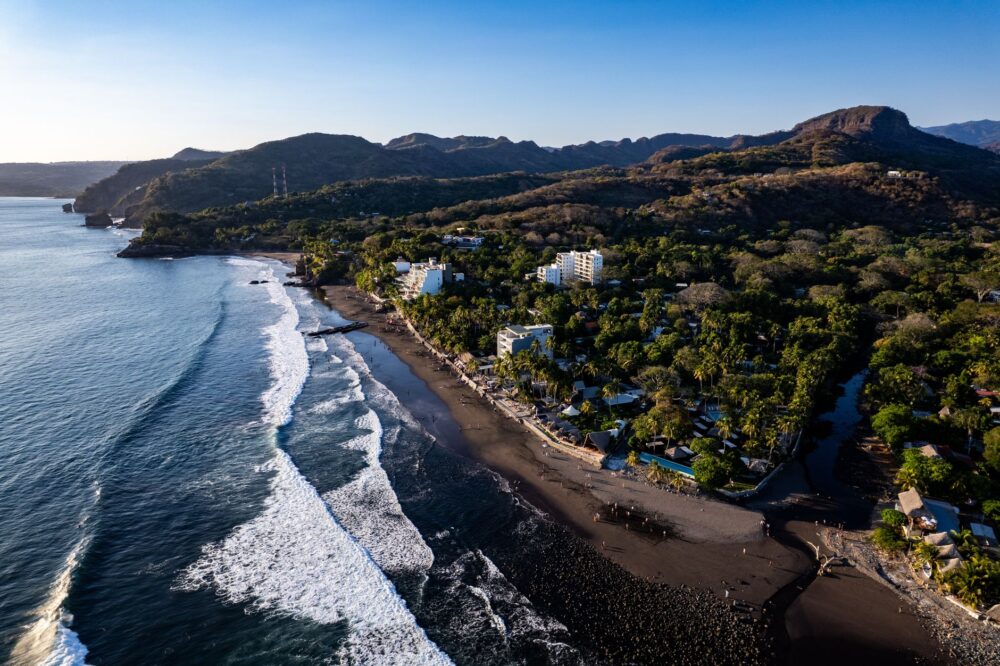

A forgotten sanctuary in the Malay Peninsula
The state of Kelantan, traditionally known across the Malay Peninsula for its rich cultural heritage and unhurried pace of life, conceals within its vast interior geography a territory where biodiversity manifests in its purest state. Amid undulating hills and dense layers of primary rainforest, the Dakoh area has begun to capture the attention of naturalists, researchers, and environmentally committed travelers. Far from the conventional tourist circuits that dominate the country’s west coast, this remote corner offers a unique window into the forest ecosystems of Southeast Asia, where every tree, river, and trail tells an ancient story of adaptation and survival.
The recent promotion of Dakoh as an ecotourism destination does not stem from a strategy of mass commercialization, but rather from a coordinated effort between local residents and regional authorities to protect the natural environment against industrial pressures. The guiding premise of this movement is clear: to demonstrate that nature conservation can generate sustainable livelihoods for rural communities without compromising the ecological integrity of the region. Through guided walks, wildlife observation, and environmental education projects, visitors have the opportunity to immerse themselves in a landscape where time itself seems to slow down.
The living geography of Kelantan’s forests
Understanding the ecological significance of Dakoh requires looking beyond its green surface and delving into the complex network of interactions sustaining its ecosystem. Situated in a transition zone between lowland plains and mid-altitude mountain formations, this territory acts as a vital biological corridor for numerous endemic mammal, bird, and reptile species. The rivers winding through the region, fed by heavy monsoonal rains, carve through gorges and form crystal-clear waterfalls that serve both as a water source for wildlife and a scenic attraction for travelers.
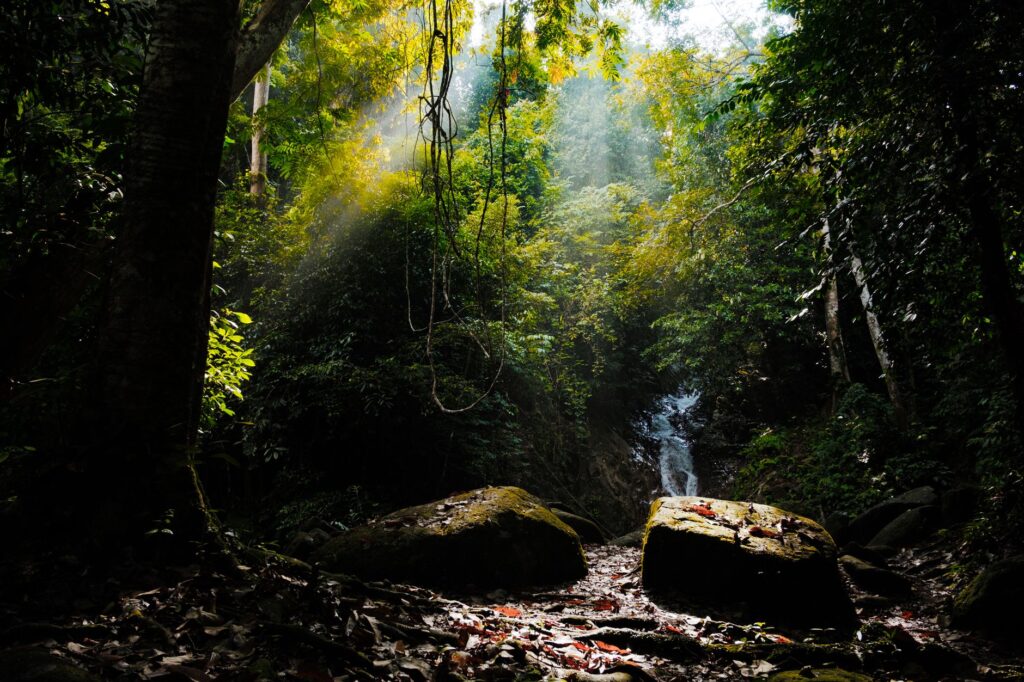
The forest canopy of Dakoh is a complex vegetable web where centuries-old hardwood trees, giant ferns, and an overwhelming variety of epiphytes and wild orchids coexist. Botanists point out that the density of species per hectare in these forests far exceeds that of other, more altered regions in Southeast Asia. The forest biodiversity of Kelantan constitutes a living archive of botanical evolution in the humid tropics. Each stratum of the forest, from the shadowy leaf-littered floor to the high crowns exposed to sunlight, harbors specialized ecological niches supporting delicate and complex trophic chains.
The pulse of wildlife in its natural habitat
For wildlife enthusiasts, Dakoh represents a fascinating yet demanding territory for exploration. Dense vegetation and the elusive nature of many species require patience, silence, and a deep respect for the rhythms of the forest. During the early morning hours, when morning mist still clings to the valleys, the air fills with the calls of numerous bird species, from colorful hornbills to elusive woodpeckers. Footprints in the mud and marks on tree trunks quietly recall the occasional presence of large mammals traversing these protected corridors.
Local guides, many of them belonging to communities that have inhabited the forest periphery for generations, play an irreplaceable role in interpreting this environment. Their empirical knowledge of animal habits, passed down orally over decades, enables visitors to comprehend subtle signs that would pass unnoticed by the untrained eye. Traditional interpretation of the natural environment frequently surpasses the rigor of modern scientific manuals. Thanks to this expert guidance, hiking in Dakoh transforms into an immersive learning experience regarding the fragility and resilience of Malaysian wildlife.
Local communities and environmental governance
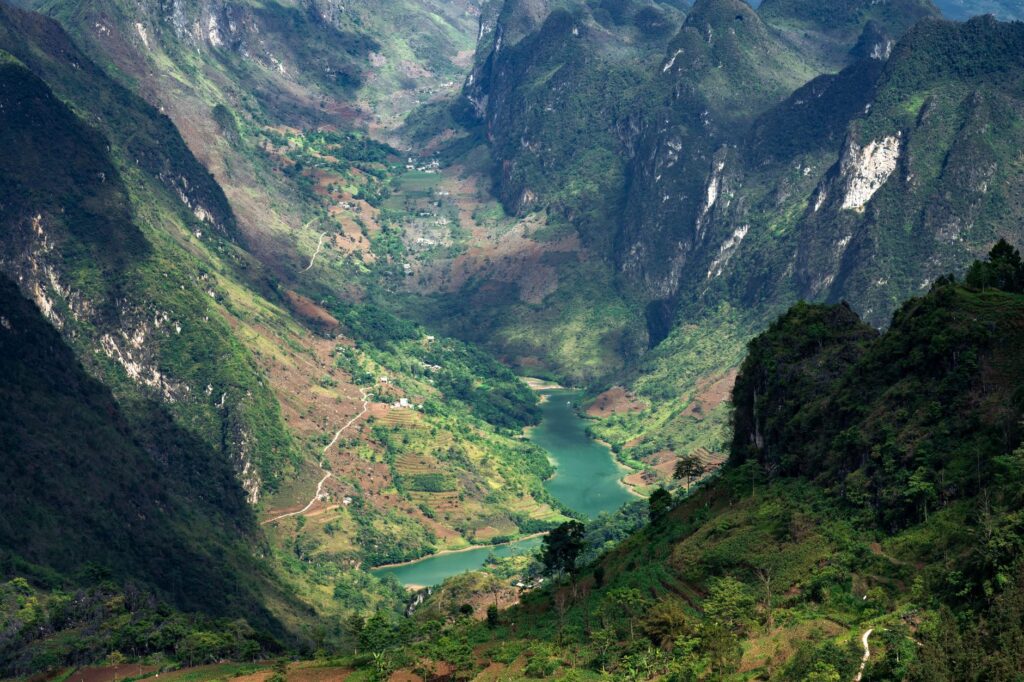
The development of ecotourism in Dakoh cannot be understood apart from the social and human reality of Kelantan. Communities bordering the protected zone have assumed a leading role in managing tourism resources, establishing local cooperatives that regulate access, manage low-impact accommodations, and offer guiding services. This participatory governance model seeks to avoid the pitfalls of mass tourism, ensuring economic benefits from the activity flow directly to local families and foster a communal sense of environmental stewardship.
This community-driven approach has also revitalized the transmission of traditional knowledge, such as the medicinal use of forest plants, basketry craft techniques, and local gastronomy based on wild and organically grown ingredients. Travelers arriving in Dakoh are not mere spectators, but active participants in a respectful cultural exchange valuing rural wisdom. Sustainable tourism in vulnerable areas demands above all the return of decision-making power to those who inhabit the territory. In this way, nature conservation becomes an effective tool for preserving cultural identity and economic autonomy.
Scientific challenges and long-term conservation
Despite initial enthusiasm surrounding the opening of Dakoh to responsible ecotourism, scientists and environmental managers emphasize the need to maintain rigorous vigilance over human activity impacts. Pressure from infrastructure projects in surrounding areas, global climate change, and the risk of invasive species introduction represent latent threats that must not be underestimated. Implementing management plans based on updated scientific data is an essential requirement to ensure increased visitor numbers do not alter animal behavior or degrade water and soil quality.
Furthermore, citizen science programs are being promoted, allowing travelers to record species and monitor ecosystem health during their stays. These initiatives not only enrich university researchers’ databases but also deepen the environmental awareness of participants.
True conservation does not consist in isolating nature from human beings, but in redefining our relationship with it through respect and reciprocity.
The balance between tourism accessibility and strict preservation remains a daily challenge requiring constant dialogue between scientists, public administrators, and local communities.

Vernacular architecture and sustainable mobility
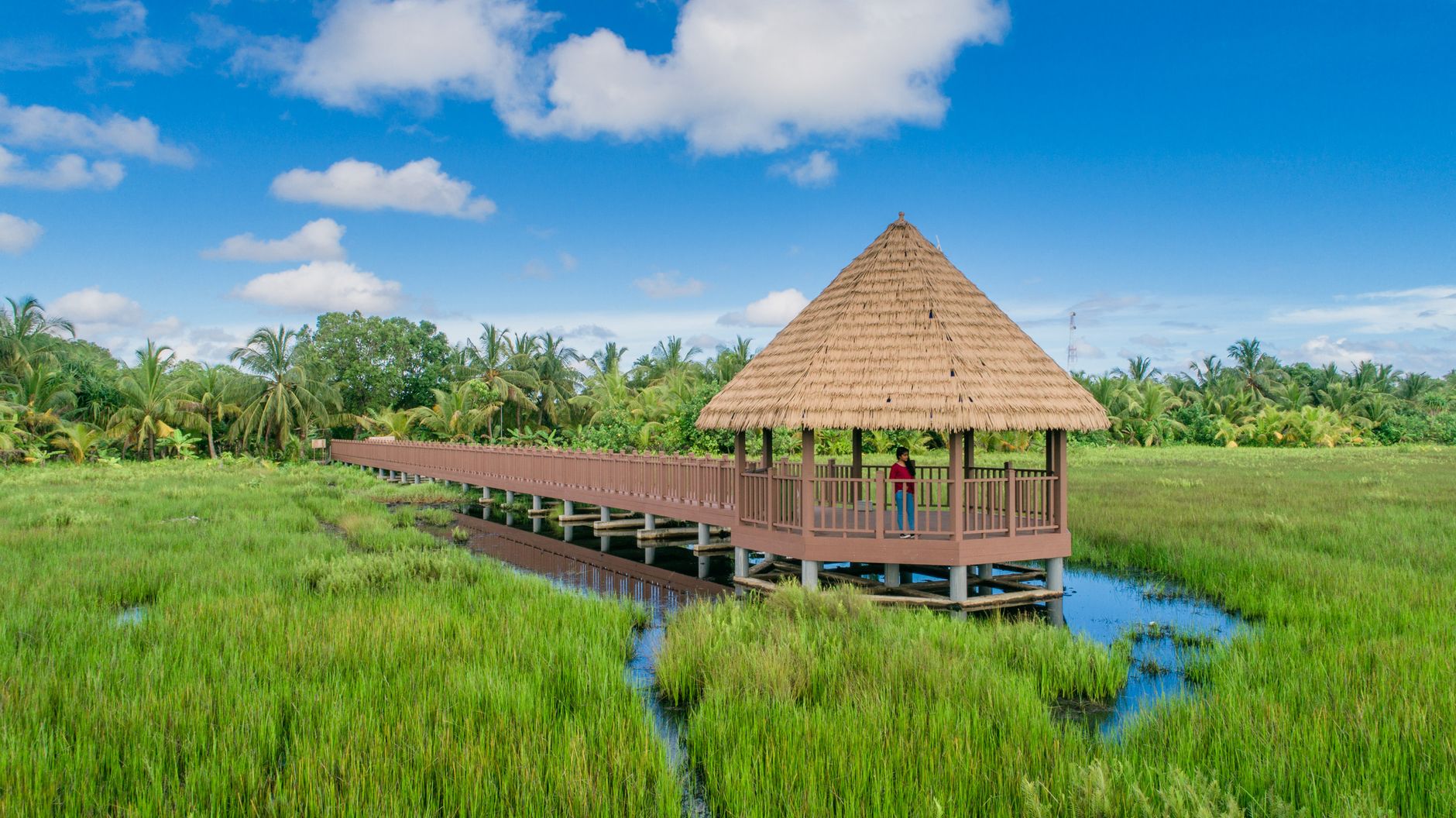
The design of tourist infrastructure in Dakoh reflects deep integration with the surrounding landscape. Far from massive concrete blocks and conventional hotel complexes, hosting facilities draw on traditional Malay vernacular architecture, utilizing renewable local materials such as treated wood, bamboo, and palm leaves for roofs. These structures elevated on stilts protect buildings from soil moisture and potential seasonal river floods while minimizing terrain alteration and allowing free transit for small animals beneath rooms.
Mobility within the ecotourism zone is strictly limited to non-motorized transport. Movement occurs exclusively on foot along marked trails or, on certain river sections, via traditional oar-propelled boats. The absence of internal combustion vehicles preserves the acoustic purity of the forest and drastically reduces the destination’s carbon footprint. This minimalist approach to tourist infrastructure demonstrates that providing comfort and safety to travelers is entirely possible without disturbing the peace or physical integrity of the natural surroundings.
Material culture and living traditions in the valley

The experience in Dakoh is remarkably enriched by exploring the material culture of its people, deeply tied to resources offered by the forest and river environments. Local craft workshops demonstrate how plant fibers are transformed into durable daily utensils and aesthetic items using ancestral techniques valuing the perfection of the imperfect. Each crafted piece tells a story of patience, manual skill, and deep knowledge of tropical forest material properties.
Local gastronomy complements this sensory journey through traditional dishes prepared with sustainably harvested wild herbs, river fish, and rice cultivated in surrounding valleys. Recipes passed down through generations reflect a complex flavor palette dominated by native spices and fresh bush aromas. Kelantan’s cuisine is a living testimony of human adaptation to a generous yet demanding natural environment. Sharing a table with local residents offers an intimate perspective on the hospitality and worldview defining this rural community.
Practical guide
- How to get there: Access to Dakoh is primarily from Kota Bharu, Kelantan’s capital, via authorized four-wheel-drive vehicles or community transport services organized by local cooperatives. Advance booking of transfers is strongly recommended.
- Best time to visit: The period between March and September offers the most stable weather conditions, with lower incidence of monsoonal rains and trails in optimal trekking condition.
- Accommodation: Offerings are based on community homestays and low-impact campsites managed by local residents, designed to harmonize seamlessly with the natural environment.
- Requirements and permits: Certain restricted areas of the reserve require accompaniment by a certified local guide. Checking current regulations at the visitor center before embarking on extended hikes is essential.
- Recommended equipment: Sturdy waterproof mountain boots, lightweight quick-dry clothing, biodegradable insect repellent, binoculars for wildlife viewing, and a reusable bottle to minimize plastic use are advised.
- Code of conduct: Extracting plants, feeding wildlife, littering of any kind, or lighting fires outside designated zones is strictly prohibited. Absolute respect for forest silence is a basic rule of coexistence.

The enduring echo of an undiscovered landscape
When late afternoon light begins to filter horizontally through centuries-old tree trunks, the Dakoh forest acquires a golden, silent tone that seems to suspend the passage of time. It is in this moment of stillness that visitors grasp the true dimension of the ecotourism effort undertaken in this corner of Kelantan. It is not merely an alternative vacation destination, but a silent pact between humanity and the earth, a tangible reminder that the planet’s wild beauty can endure if approached with humility, knowledge, and deep respect.
Dakoh’s future will depend on the firmness with which these sustainability principles are maintained against growing pressures from global tourism. Every traveler crossing its thresholds with a conscious attitude becomes an ambassador for a model prioritizing forest life over ephemeral consumption.
The green horizon of Kelantan teaches us that the most transformative journey is not the one conquering new territories, but the one learning to inhabit them with gratitude and moderation.
Bidding farewell to these hills, the river’s echo and the forest canopy’s whisper remain in memory as a constant call to protect that which sustains and transcends us.
Source in EN: The Star (https://news.google.com/rss/articles/CBMirwFBVV95cUxPRTJQemJ6ZzBxLWphbVFmZTZud1dNTHc4YmpUaVJVSEVtYzdEeTZ4dHJjdlZjcU8xSTMyTHlURFExMF9BTjBwR2dwemtVMDdJWW5USzE0bkFUUlg0NG1ORXBLa25VdjhqT0txclZtUTdsRVRlN3g3Rk16ZFNnTUhJNW1BQlBYRXg4M2dweUgyTXU5T1paTzZwUGdPYkQxVVNDQzJmNlIxZ2FRUFFFak1v?oc=5)