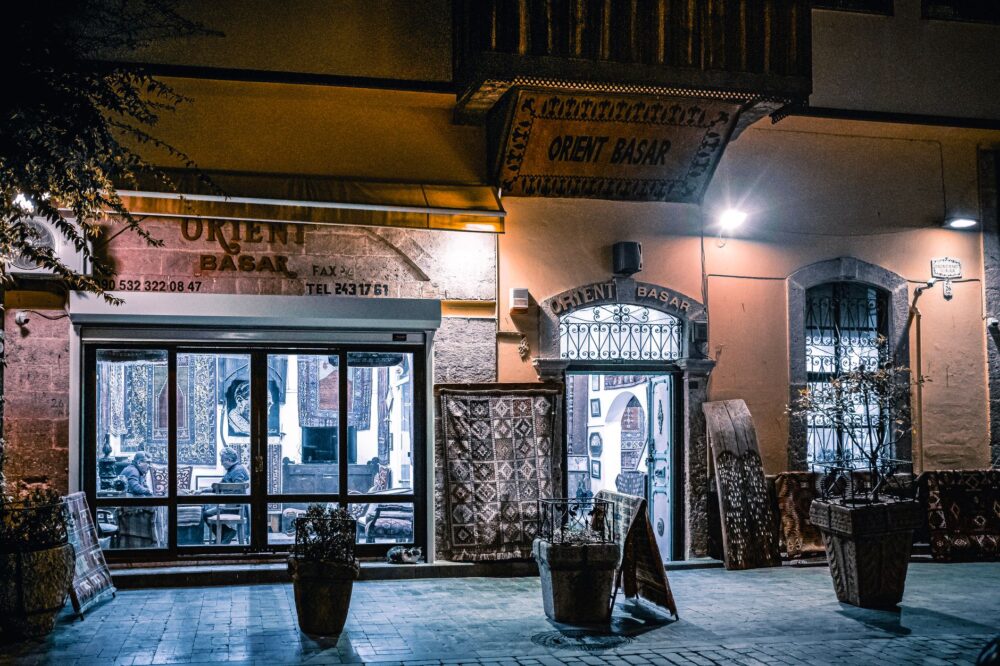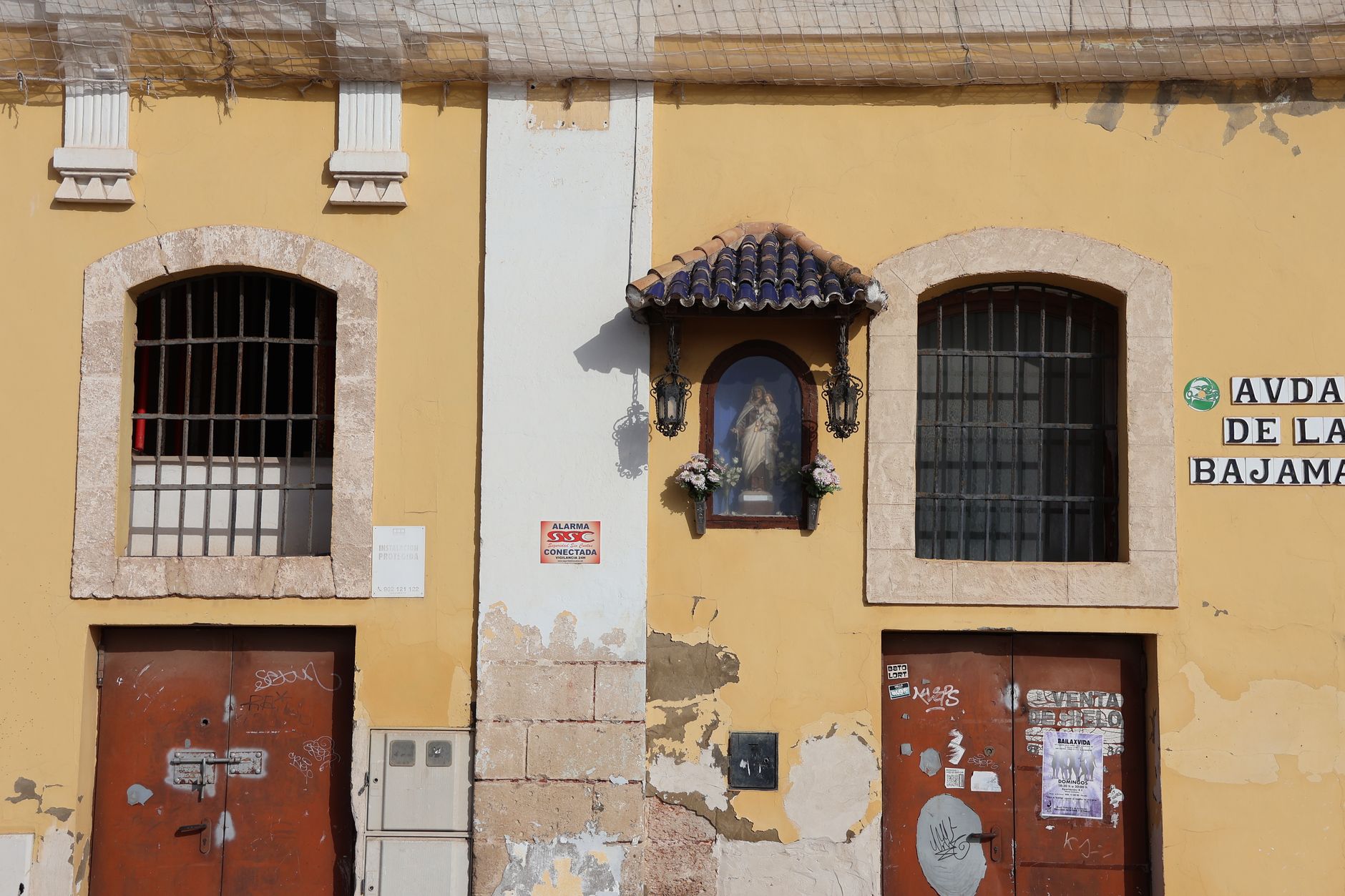

In the heart of the Manchego plain, where the horizon dissolves between vineyards and windmills, one of the most delicate and complex textile traditions in Europe survives: the bobbin lace of Almagro. Far from being a mere folkloric curiosity, this millimetric craft represents a form of ephemeral architecture constructed with linen thread, infinite patience, and a spatial geometry that challenges the eye. In the workshops hidden behind the whitewashed facades of this Ciudad Real town, time is not measured in seconds, but in passes of spindles and the rhythmic tapping of wood against wood.
The history of this art is intrinsically linked to the Iberian Peninsula’s cultural transit and the trade routes of the Spanish Golden Age. Although thread-interlacing techniques were already circulating through Flanders and Italy, it was in Almagro that the craft acquired its own distinct personality, driven by noble families and convents who found in lace an avenue of aesthetic expression and economic sustenance. Today, deciphering this legacy requires stepping into workshops where oral tradition remains the primary vehicle of transmission, resisting the industrial homogenization of contemporary textiles.
The Anatomy of the Pillow and the Role of the Pattern
The creative process begins long before the first thread is manipulated. Resting on the artisan’s lap is the mundillo, a cylindrical cushion stuffed with straw or pressed wool that translates the ergonomics of an ancient trade. Surrounding this support is an entire tactile universe. The picada, a cardboard pattern perforated with thousands of tiny holes, acts as the architectural blueprint upon which each piece is built. Without this geometric map, executing traditional floral and geometric motifs would be mathematically impossible.
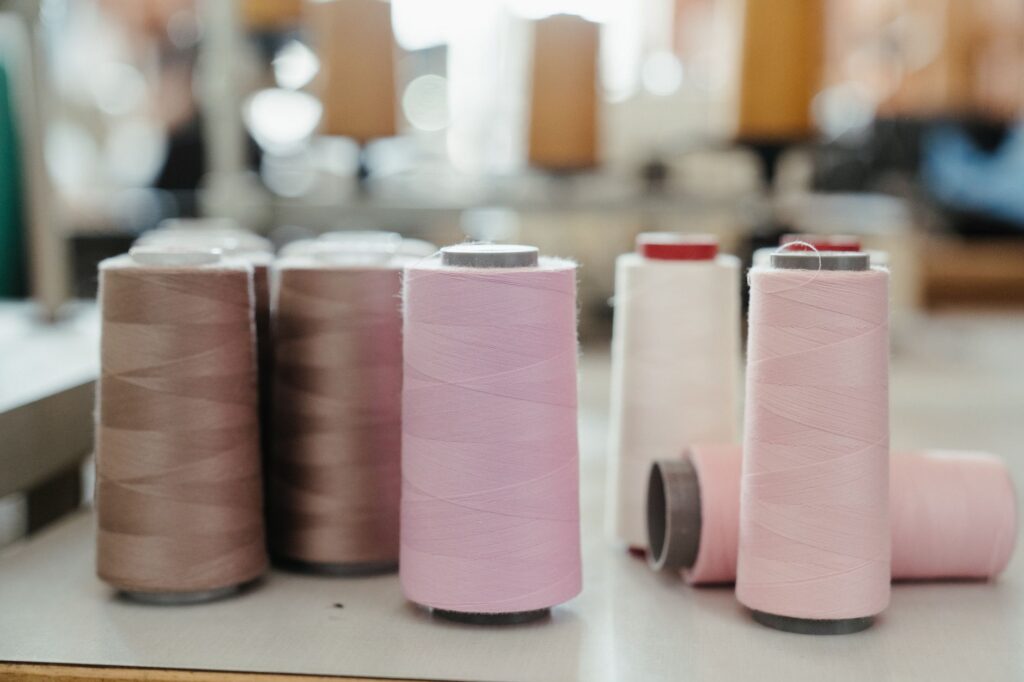
Expert hands tension the threads wound around the bobbins—small pieces of boxwood or holm oak turned with millimetric precision. Each bobbin represents a tension, a vector of force that must be balanced with exactitude so the lace maintains both rigidity and flexibility. Mastery lies in the constant pressure exerted by the fingers, an invisible effort that prevents any deformation in the final weave of the textile.
The Secret Language of Pins and White Linen
Working with raw linen or mercerized cotton demands uncommon visual dexterity. Pins do not merely fix the structure to the cushion as work progresses; they act as the temporary foundations of a bridge that is dismantled and rebuilt every second. As the bobbins cross, twist, and knot the threads in combinations of pairs, the design emerges with the precision of an ancient engraving. This silent dialogue between the metal of the pin and the natural fiber is the core of the technique.
In modern workshops, although experimentation with metallic fibers and avant-garde colors for high fashion occurs, white or raw linen remains the undisputed king. Master artisans insist that the purity of the material is the only way to evaluate the perfection of the stitch. A mistake ten centimeters away can force the unraveling of hours of meticulous work, a constant reminder that haste is the absolute antithesis of this craft.

Bobbin lace does not decorate space; it redefines it through the precise tension between void and fiber.
The complexity of the pieces ranges from linear borders for traditional clothing to monumental tablecloths requiring months of exclusive dedication. Each workshop maintains books of ancient patterns, authentic bibliographical treasures recording designs passed down from generation to generation. These yellowed paper archives are the living memory of a community that understood design as an act of cultural resistance.
Generational Transmission Facing the Digital Mirror
The great challenge facing Almagro’s workshops in the 21st century is not a lack of beauty in their product, but a scarcity of generational renewal. While screens absorb the attention of younger generations, sitting before the lace pillow requires a mental and physical discipline few are willing to cultivate. However, recent years have seen a phenomenon of reconnection: young designers and visual artists visit the workshops to hybridize traditional technique with contemporary art and textile architecture.
This symbiosis has allowed bobbin lace to appear on international runways and in museum installations, proving that tradition is not a fossil to be protected under glass, but a living tool. Municipal lace schools and local associations play a crucial role, organizing international gatherings that attract masters from around the world and turn the town into an epicenter of debate on the future of manual crafts.

Economic and Social Impact in the Campo de Calatrava Region
Beyond its aesthetic dimension, lace sustains a decentralized local economy. Traditionally, the work was carried out in homes by women who balanced agricultural chores with textile production, generating vital income for family survival. Today, this model has evolved into small studios and cooperatives where the origin and authenticity of each piece are certified through quality seals.
This institutional recognition protects consumers from industrial imitations imported from Asian markets, which mimic the visual appearance but lack the physical structure of authentic handmade lace. Product traceability is the shield guaranteeing the economic survival of dozens of families who continue to live directly or indirectly from this art in the province of Ciudad Real.
The Route of the Workshops and Architectural Heritage
Visiting Almagro means exploring a historic ensemble declared a Site of Cultural Interest, where noble stone and columned courtyards invite tranquility. The workshop route overlaps with the Renaissance architecture of the Plaza Mayor and the famous Corral de Comedias, the only 17th-century theater preserved intact in its original structure. Stepping into a workshop-shop in the old town is a sensory experience where the scent of aged wood blends with the fineness of thread on display in glass cases.

Visitors can watch lacemakers work live beneath the arcades or inside interior courtyards during the central hours of the day. This openness is not a superficial tourist gimmick, but a form of pedagogical outreach aimed at explaining the true value of an object before it enters a private collection or family heirloom.
Preserving slowness in a world devoured by immediacy is the most radical political act an artisan can execute today.
Practical guide
How to get there: Almagro is located about 200 kilometers south of Madrid. The most efficient way to arrive is via the AVE high-speed train to Ciudad Real station, situated 25 kilometers away, and from there connect via regional bus or rental car along the A-43 highway.
When to go: Spring and autumn offer ideal weather for exploring the historic heritage on foot. In late July, the town hosts the prestigious International Classical Theater Festival, though for a quiet immersion in the lace workshops, it is preferable to avoid those peak weeks.
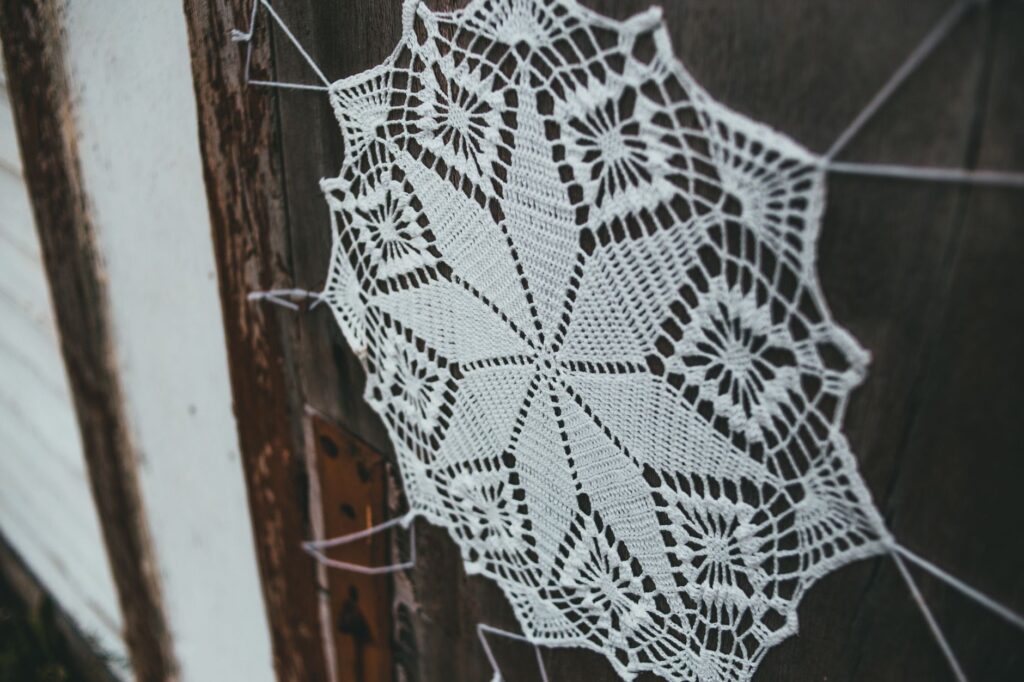
Where to buy: Always look for the artisanal guarantee seal in establishments affiliated with the Provincial Association of Lacemakers. The workshops in the old town, especially around Calle Claverías and the Plaza Mayor, offer pieces with certificates of authenticity and origin.
What to observe: When visiting a workshop, pay attention to the symmetry of the background stitches and the absence of added knots; authentic bobbin lace is woven entirely through the combination of crosses and twists of continuous thread.
A few kilometers from the bustling tourist circuits of the plateau, the leisurely pace of the bobbins continues to mark Almagro’s invisible rhythm. At dusk, when golden light bathes the volcanic stones of the Palace of the Fúcares and the last rays pierce the open workshop doors, the town’s silence fills with a subtle, persistent murmur. It is the sound of spindles striking one another, a sonic reminder that the purest beauty requires time, silence, and hands willing to weave collective memory thread by thread, without rush or pause.