

The Gathering Redefining Africa’s Tourism Horizon
In the dynamic heart of Nigeria, the annual Akwaaba African Travel Market has evolved far beyond a conventional gathering for travel agencies and mainstream airlines. In its twentieth edition, held in Lagos, the event shifted its gravitational axis toward a territory once relegated to promotional margins: culture, visual arts, and creative industries. Across three intense days, entire pavilions buzzed with gallery owners, filmmakers, heritage content creators, and tourism ministers who shared a single premise: the true magnet for the contemporary traveler is not merely untouched landscapes, but the symbolic density of living communities.
This paradigm shift responds to a global transformation in how destinations are consumed. Far from traditional mass tourism, today’s visitor seeks authentic narratives, immersion in reinvented secular traditions, and direct contact with local artistic avant-gardes. This year, Akwaaba functioned as an exact thermometer for that demand, proving that culture is not a mere folkloric ornament to entertain visitors, but the backbone of a sustainable, deeply rooted experience economy.
Lagos: The Vibrant Epicenter of Contemporary Art
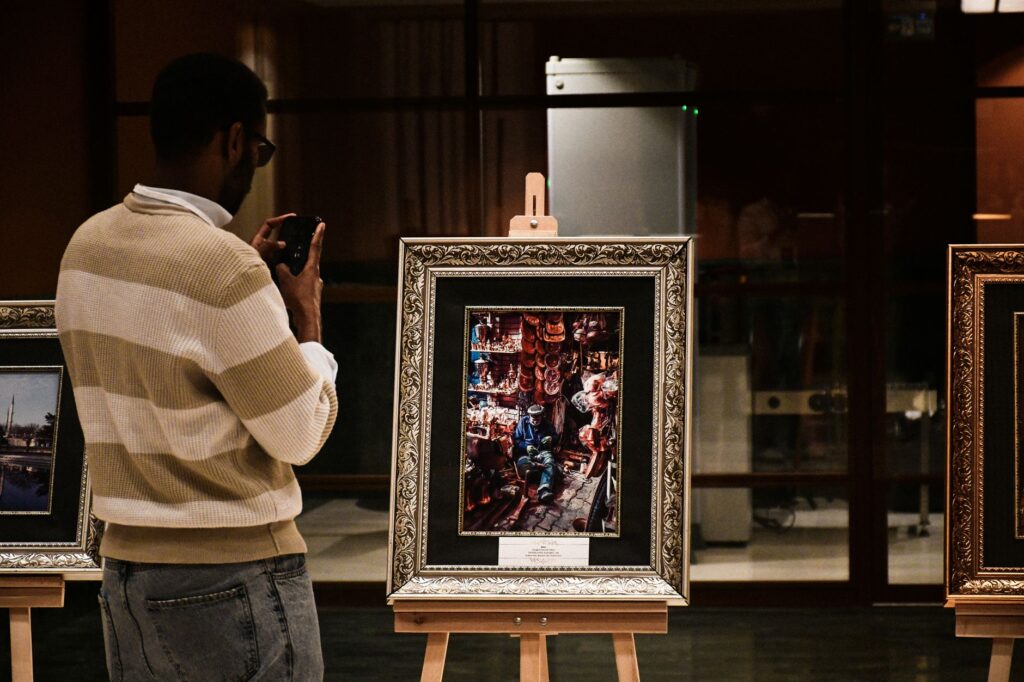
The choice of Lagos as a permanent host city is no coincidence. Over the past decade, the Nigerian metropolis has established itself as one of the most stimulating cultural capitals on the planet. From Victoria Island to the bohemian enclaves of Yaba, the city pulses with a creative energy that attracts international collectors, museum curators, and travelers eager to discover new languages in African visual arts. During the fair, local galleries and independent spaces organized parallel exhibitions highlighting the vitality of contemporary painting, recycled-material sculpture, and multimedia installations.
The phenomenon extends far beyond the visual arts. The audiovisual sector, popularly known as Nollywood, took center stage in Akwaaba’s sectoral debates. Experts analyzed how cinema now acts as the most potent involuntary tourism promotion campaign. Millions of viewers worldwide discover the architecture, gastronomy, and streets of Lagos through the big screen, generating a steady stream of visitors eager to walk the real sets of their favorite films. Film tourism routes and festivals thus emerge as key tools for diversifying urban tourism offerings.
Material and Intangible Heritage in Dialogue
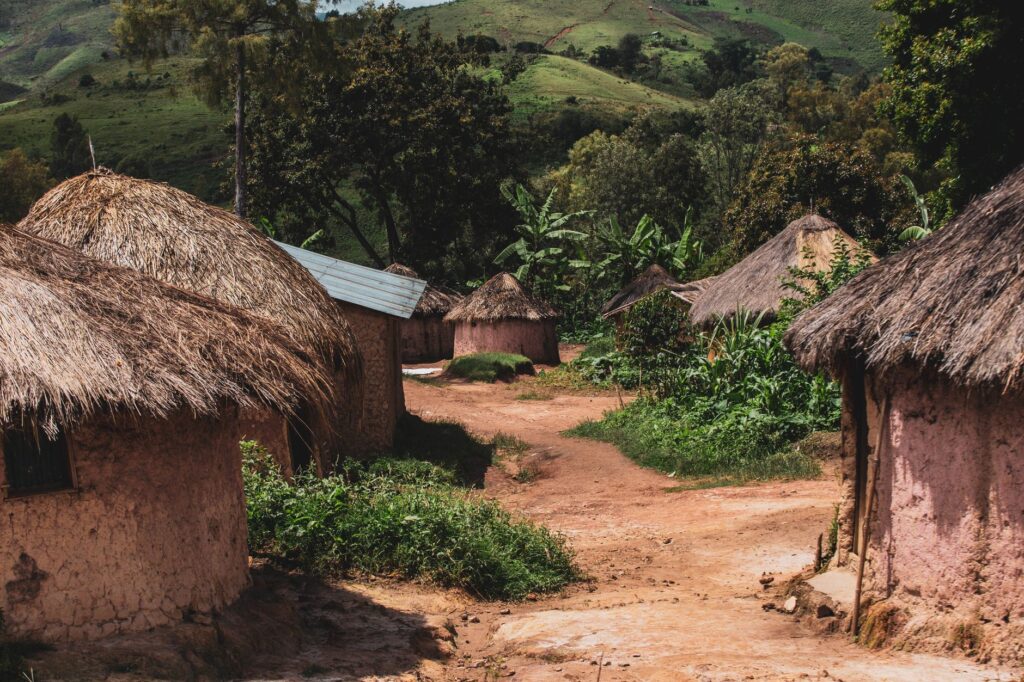
Beyond urban and avant-garde expressions, the event dedicated ample space to preserving and valorizing historical heritage and intangible traditions. Representatives from various West African nations showcased strategies to protect ancestral festivals, fading artisanal techniques, and world-class archaeological sites. Heritage conservation is no longer viewed as an exercise in institutional mummification, but as a living process where local communities retain direct control over the narrative of their past.
Heritage tourism demands a delicate balance between public access and the safeguarding of cultural integrity. In technical forums held during the fair, anthropologists and tourism managers debated the risks of over-commercializing sacred ceremonies. They stressed the need for clear regulations ensuring economic benefits flow directly to families safeguarding these traditions, thereby avoiding invasive touristification and promoting mutual respect.
Culture is the only resource that multiplies when shared with the traveler, provided the traveler approaches with respect and active listening.
Gastronomy and Design: New Identity Anchors
The contemporary travel experience is tasted just as much as it is observed. At Akwaaba, gastronomy took a leading role, transcending mere restaurant offerings to emerge as a primary diplomatic and cultural language. Internationally acclaimed chefs and traditional cooks shared kitchens to highlight the complexity of West African flavors, from sophisticated indigenous spice preparations to modern reinterpretations of popular dishes.
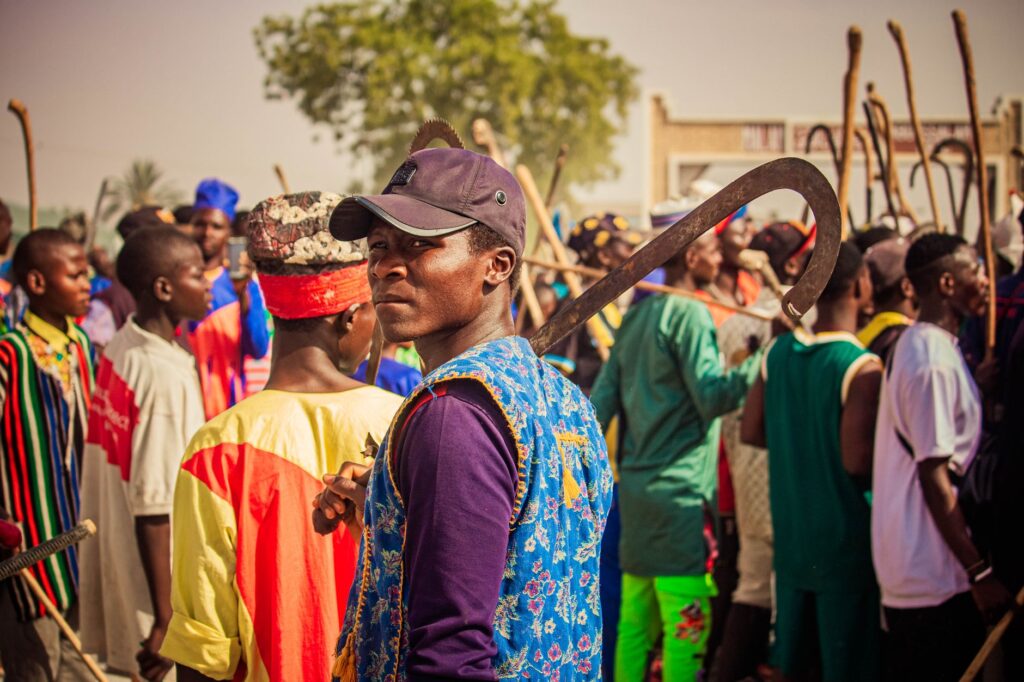
Alongside cuisine, fashion design and utilitarian craftsmanship proved to have formidable drawing power. Workshops featuring traditional textiles, such as Nigerian adire or kente cloth, demonstrated how ancestral craftsmanship merges with sustainable haute couture. Visitors witnessed firsthand how purchasing a piece of local design becomes an act of cultural patronage and a travel memento endowed with a genuine story, far from mass-produced industrial souvenirs.
Infrastructure and Connectivity: The Great Regional Challenge
Despite the creative enthusiasm permeating every corner of the fair, professional debates also addressed structural obstacles holding back the definitive takeoff of cultural tourism in the region. One of the most frequently cited bottlenecks by tour operators and ministerial authorities was the complexity of visa procedures between African countries themselves and high intra-continental airfares. The free movement of creators, artworks, and travelers continues to face bureaucratic barriers limiting regional initiatives.
Nevertheless, significant progress was presented regarding the digitalization of tourism services and the creation of cross-border cultural corridors. Several countries announced pilot projects to facilitate joint electronic visas specifically for travelers interested in artistic and heritage circuits. Improvements in ground transport infrastructure and the expansion of direct air routes were identified as urgent priorities to consolidate West Africa as a world-class reference destination.
Sustainability and Community Tourism: The Ethical Commitment
The growth of a culture-driven tourism industry cannot be sustained at the expense of local communities or the environment. This was one of the firmest consensus points emerging from Akwaaba’s roundtables. Ecotourism project managers and sustainable development experts presented models where rural and peri-urban populations autonomously manage visitor flows, deciding which areas open for exploration and which spaces remain reserved for community privacy.
This ethical approach focuses on the fair redistribution of wealth generated by cultural tourism. The importance of training local guides not only in foreign languages, but in the rigorous and independent transmission of their own history, was heavily emphasized. Consequently, visitors cease to be passive spectators and become allies in preserving the natural and cultural heritage of the visited territory.
Practical guide
Planning a cultural trip to Nigeria and key West African hubs requires rigorous preparation and an open attitude toward controlled improvisation.
When to Travel
The dry season, spanning from November to March, offers the most favorable weather for exploring cities and attending major outdoor cultural festivals.

How to Get There
Murtala Muhammed International Airport in Lagos operates as the primary connection hub with direct flights from major European, North American, and African capitals.
Entry Requirements
A valid visa (with electronic visa options managed in advance) and an international yellow fever vaccination certificate are essential.
Accommodation
Lagos and Abuja boast a wide lodging range, spanning international establishments to locally designed boutique hotels integrated within art districts.
Urban Transit
It is recommended to use private transportation services booked through accredited agencies or secure mobility apps for urban transit.

The Invisible Pulse That Transforms the Traveler
At the end of each day at Akwaaba, when the bustle of exhibition booths subsides in the halls of Lagos, an undeniable certainty lingers. Travel that uses culture as a compass promises neither easy relaxation nor the aseptic disconnection of large, decontextualized resorts. It demands curiosity, a willingness to question prejudices, and an innate capacity for listening. In contemporary art galleries, markets where centuries-old textiles and tools are negotiated, or informal conversations with filmmakers and musicians, the true substance of a continent that no longer waits for others to narrate its story is revealed.
Visitors who venture into this cultural circuit return home with more than memorable photographs or artisanal pieces in their luggage. They carry the certainty of having witnessed a renaissance in real time—a historical moment where art and heritage become the sharpest tools for building a future, dignity, and mutual understanding among peoples. The Akwaaba fair has demonstrated that culture is, at its highest expression, the most valuable passport for understanding the contemporary world.
Source in EN: THISDAYLIVE