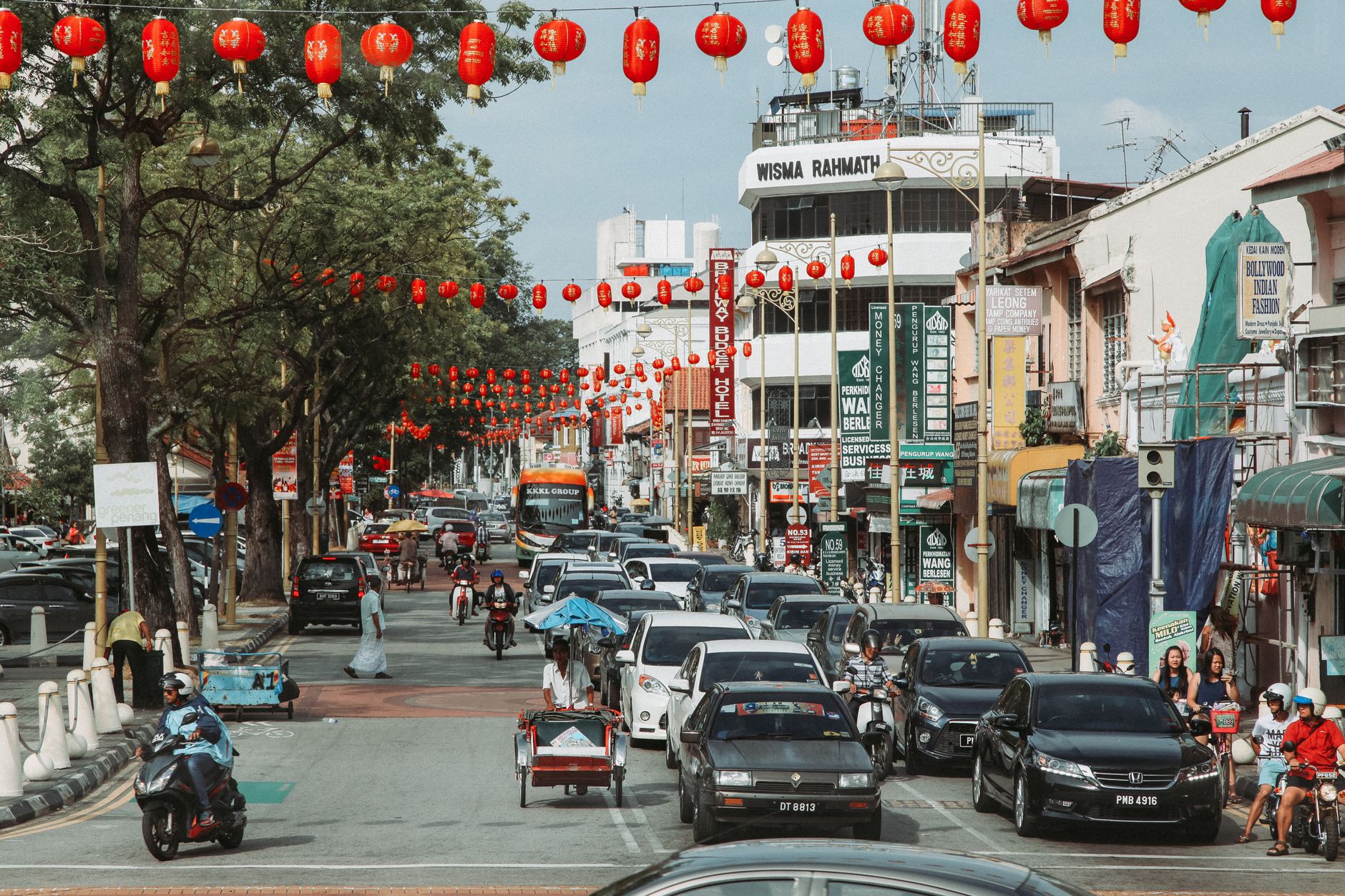

The Transformation of the Moving Landscape
The Malaysian territory has always been a complex tapestry of ancient rainforests, vertical metropolises, and coastal communities where time seems measured by the monsoon. Yet the way travelers approach this heritage is undergoing a profound mutation. For decades, venturing into less accessible cultural enclaves required heavy combustion vehicles that left an unsustainable ecological footprint on fragile ecosystems. Today, the rise of hybrid mobility in the Malaysian tourism sector represents not merely a technological evolution, but a philosophical shift in how we traverse the land.
This transition redefines the concept of road travel, allowing the journey between colonial heritage urban centers and natural sanctuaries to be carried out with unprecedented efficiency and environmental care. The integration of dual propulsion systems in exploratory fleets enables visitors to penetrate national parks and indigenous reserves with a novel acoustic and environmental discretion. It is no longer simply about reaching the destination, but about minimizing disruption to the landscape while navigating the paved arteries connecting the peninsula with Borneo.
The Promise of Hybrid Connectivity
At the heart of this transformation lies the necessity to bridge geographical and cultural points that have historically remained isolated by topographic barriers. Recent initiatives in the automotive sector applied to tourism demonstrate that hybrid technology acts as an invisible bridge between tradition and modernity. By drastically reducing refueling stops and optimizing fuel consumption on long journeys, visitors gain greater autonomy to explore secondary routes where the true artisanal and culinary pulse of Malaysia resides.
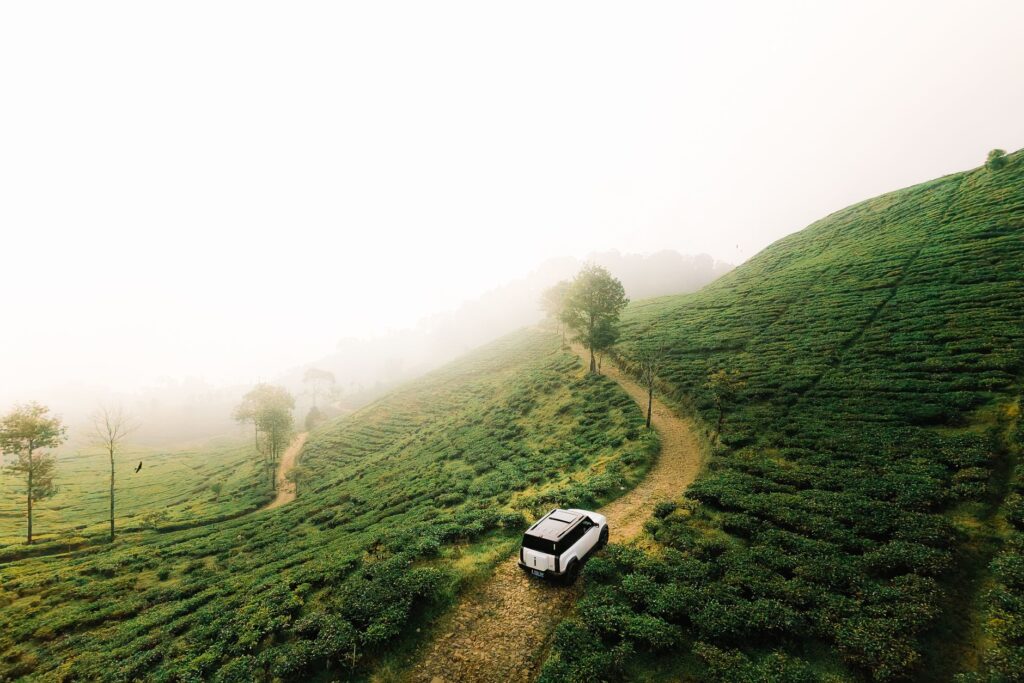
This deployment of advanced mobility directly influences the decentralization of tourism. Traditionally concentrated in Kuala Lumpur, Penang, and Malacca, the flow of visitors is beginning to branch out toward interior regions such as Pahang or Terengganu. Hybrid vehicles facilitate these incursions thanks to their reliability and adaptability to Southeast Asia’s varied climate, allowing the contemporary traveler to discover ancestral textile workshops and floating markets without fear of stranding in hard-to-reach areas.
Road Architecture and Energy Transition
Malaysia’s road infrastructure has had to evolve in parallel to accommodate this new generation of vehicles. The highways connecting the west coast to the east coast now feature technical assistance points specialized in alternative propulsion technologies. This modernization is not merely aesthetic; it responds to meticulous territorial planning aimed at balancing economic growth driven by tourism with the international carbon emission reduction commitments assumed by the federal government.
The true innovation in travel lies not in the speed with which we move, but in the quality of the silence we leave behind in natural sanctuaries.

Transportation architects and urban planners work hand in hand to design green corridors where energy recharging and traveler rest integrate seamlessly with the natural surroundings. These 21st-century service stations also function as cultural interpretation centers, offering drivers detailed information about local communities ahead, thus fostering mutual respect even before crossing municipal boundaries.
The Human Pulse: Communities Welcoming Change
Behind every kilometer traveled with hybrid assistance lie human stories that deserve to be heard. In traditional villages, locally known as kampungs, the arrival of quieter vehicles has transformed daily dynamics. Local residents, accustomed to the constant roar of traditional diesel engines, now perceive the arrival of visitors with less intrusion. This subtle acoustic improvement facilitates a more genuine and respectful rapprochement between tourists and the custodians of local heritage.
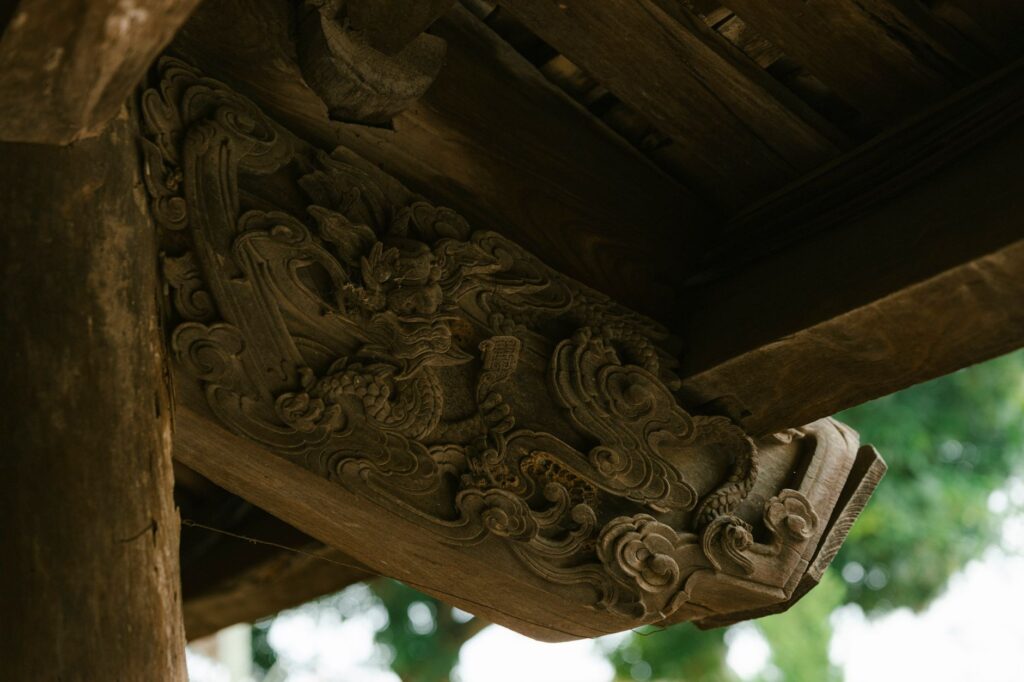
Artisan cooperatives and community guides have found in this new traveler profile a more conscious visitor, interested in the preservation of secular techniques such as songket weaving or traditional wood carving. Equipped with more reliable and cleaner transportation means, local tour operators can offer extended itineraries that include homestay overnights, distributing the economic benefits of tourism more equitably at the grassroots level.

Heritage in Motion: Art and Transportation
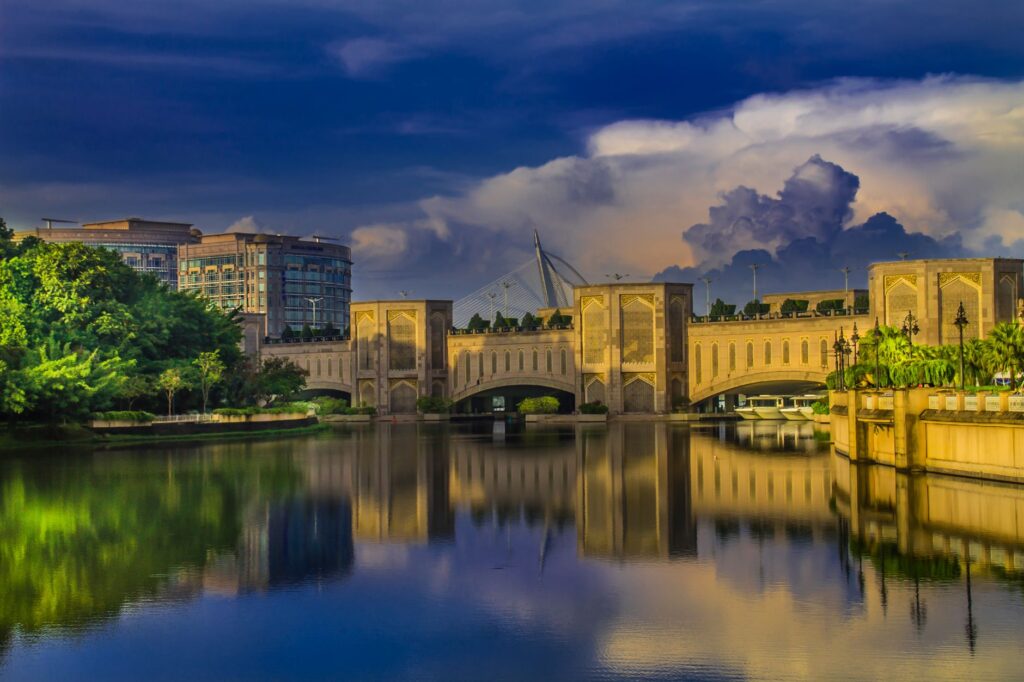
The relationship between mobility and artistic expression in Malaysia runs deep, from historic perahu boats to the colorful basikal buses of the past. Today, the aesthetics of travel modernize without losing visual identity. The aerodynamic designs of new hybrid vehicles converse with the eternal green of tea plantations in the Cameron Highlands and the brutalist silhouettes of modern architecture in Putrajaya, creating a visual contrast that fascinates contemporary photographers and chroniclers.
This aesthetic dialogue extends to how travel is documented. Current expeditions prioritize capturing local essence over fast-consumption tourism. Dispatched content creators and journalists utilize the extended range of these vehicles to reach remote sunrises at secular temples or capture morning mist over the Kinabatangan River, documenting a cultural heritage that finds an unexpected ally in clean technology for long-term conservation.
Sustainability as a Cross-Cutting Axis
Discussing hybrid mobility within Malaysia’s heritage context requires moving beyond the superficial view of fuel economy. Sustainability has become the guiding criterion defining which routes are promoted and how visitor flows are managed in ecologically sensitive areas. National park authorities collaborate closely with the automotive industry to monitor the impact of travel, establishing speed limits and access restrictions based on the carrying capacity of each ecosystem.
The contemporary challenge of cultural tourism lies in transitioning toward models where the visitor’s footprint is light enough to allow heritage to endure intact for future generations.
This comprehensive approach ensures that the modernization of transport does not compromise the integrity of natural and cultural resources. Investments in clean technologies are accompanied by educational programs aimed at both tour operators and independent travelers, emphasizing that the privilege of exploring these landscapes carries the inescapable responsibility of protecting them against mass wear and tear.
Practical guide
- Best time to visit: May to September for the east coast and November to March for the west coast and Borneo, avoiding the most intense monsoon periods.
- Recommended vehicles: Hybrid automobiles with good ground clearance and extended range, ideal for alternating between main highways and secondary mountain roads.
- Connectivity: Purchase a local eSIM upon arrival at Kuala Lumpur International Airport (KLIA) to ensure uninterrupted GPS navigation in rural areas.
- Driving rules: Driving is on the left side in Malaysia. Seat belt use is mandatory in all seats, and using mobile phones without a hands-free device is strictly prohibited.
- Cultural respect: Dress modestly when visiting mosques, Buddhist temples, and Hindu shrines, covering shoulders and knees. Always remove footwear before entering sacred spaces or local homes.
- Sustainable accommodation: Prioritize stays in certified eco-lodges and community-managed homestays that reinvest their profits into local conservation.
- Responsible gastronomy: Support traditional street food markets and farm-to-table restaurants that use ingredients grown by regional farmers.
Final Reflection on the Malaysian Horizon
The journey across Malaysia’s roads reveals that modernity and tradition are not opposing forces, but complementary elements in the construction of a dynamic national identity. By embracing hybrid mobility, the country not only optimizes its tourism infrastructure but proposes a more reflective way of inhabiting and understanding its vast cultural legacy. Each silent journey through the jungle or along the coasts is a declaration of intent: a reminder that it is possible to move toward the future without forgetting the roots that sustain us.
The experience of traversing this territory behind the wheel of environmentally friendly technologies leaves an indelible mark on the traveler, who understands that true contemporary luxury lies in the ability to explore without destroying. With a horizon where sustainability and heritage walk hand in hand, Malaysia consolidates itself as a living laboratory of conscious tourism, demonstrating that movement can simultaneously be an act of preservation.
Source in The Manila Times: JETOUR connects Malaysia’s travel culture through hybrid mobility (https://www.manilatimes.net)