
Stone as the Backbone of the Breton Landscape
The interior of French Brittany is understood not through its rugged coasts or tidal estuaries, but through the silent weight of its granitic floor. In this region where the earth appears to breathe through mineral outcrops, every wall, every calvary, and every medieval abbey tells a story of geological resilience and human endeavor. Stone is not merely a building material in these latitudes; it constitutes the primordial language with which rural communities have negotiated their survival against an untamed environment for centuries.
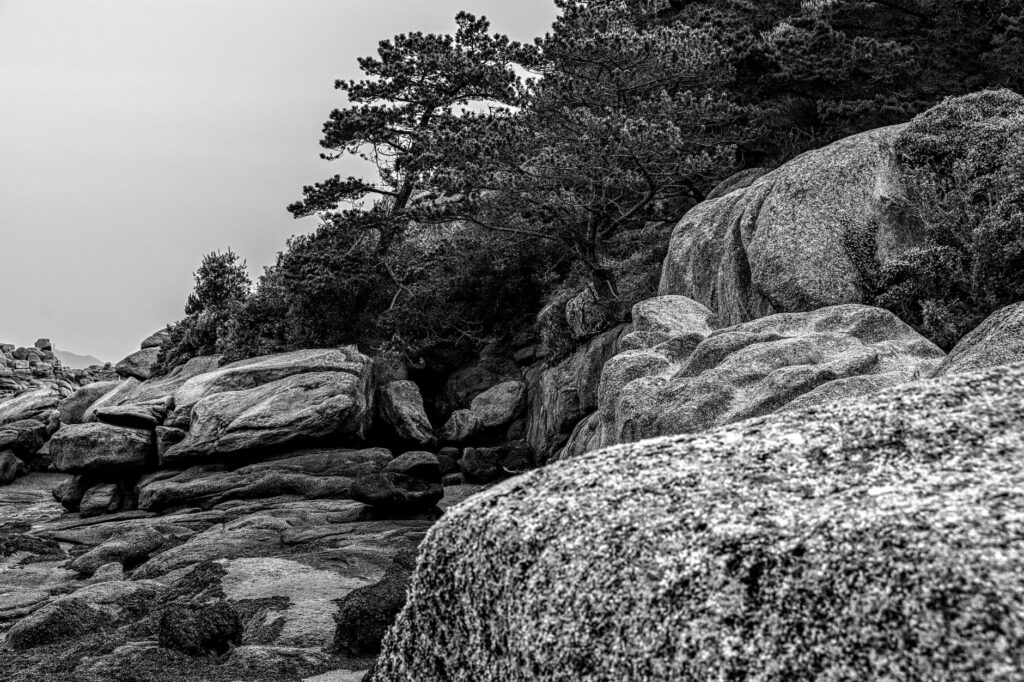
Venturing into the forests of Huelgoat or the vicinity of the Arrée Mountains means recognizing a territory where the boundary between nature and human intervention blurs in a fascinating way. Erratic boulders, sculpted by millenary erosion, served as inspiration for Celtic legends but also as an inexhaustible quarry for generations of local stonemasons. These artisans, endowed with an almost geological patience, learned to read the invisible veins of the rock to extract monoliths capable of defying the passage of time and the harshness of the North Atlantic.
The collective memory of this district is inextricably linked to the dry sound of the pickaxe and manual dressing. Unlike large urban cathedrals funded by opulent crowns or prelates, the architectural heritage of interior Brittany possesses a resounding sobriety. Parish closes, sacred enclosures, and dry-stone bridges rise with an austere dignity that reflects the character of their inhabitants, men and women hardened in the laborious cultivation of acidic soils and the mastery of a geological medium as fascinating as it is implacable.
The Sacred Geology of the Arrée Mountains
To comprehend the magnitude of this stone architecture, it is imperative to ascend toward the silhouetted ridges of the Arrée Mountains. Here, the landscape opens into vast moors of heather and gorse where granite breaks through like the fleshless bones of the earth. This relief, modeled by the Hercynian orogeny hundreds of millions of years ago, provides the physical substrate upon which the spirituality of the ancient settlers was structured, translating megalithic cults into the earliest Christian sanctuaries.
Parish closes, an architectural typology unique in the world, represent the ultimate expression of this symbiosis between geology and devotion. Comprising a church, an ossuary, a monumental calvary, and an enclosure wall, these complexes were erected using kersantite—a dark, fine-grained magmatic rock—and local granite. Masons applied their mastery to sculpt scenes of the Passion with a level of detail so astonishing that the hard stone appears to adopt the flexibility of wax beneath their weathered hands.
The technical expertise required to raise these monuments defied the technological limitations of the era. Each block had to be extracted using wet wooden wedges which, upon expanding, fractured the bedrock with millimetric precision. Subsequently, using complex systems of pulleys and animal traction, the pieces were transported along muddy tracks to the construction site. This titanic effort explains why the construction of a single parish close could span several generations, turning the temple into the community’s authentic genealogical and cultural archive.
The Invisible Guild of Master Masons
Behind every sculpted facade and pointed arch in interior Brittany lies the anonymity of a fascinating guild: the tailleurs de pierre. These itinerant artisans, organized into strict confraternities, transmitted their secrets from parents to children or from master to apprentice through mason’s marks engraved on hidden ashlar blocks. Their knowledge was not limited to carving technique; it encompassed advanced notions of geometry, material resistance, and a deep understanding of the thermal behavior of stone.
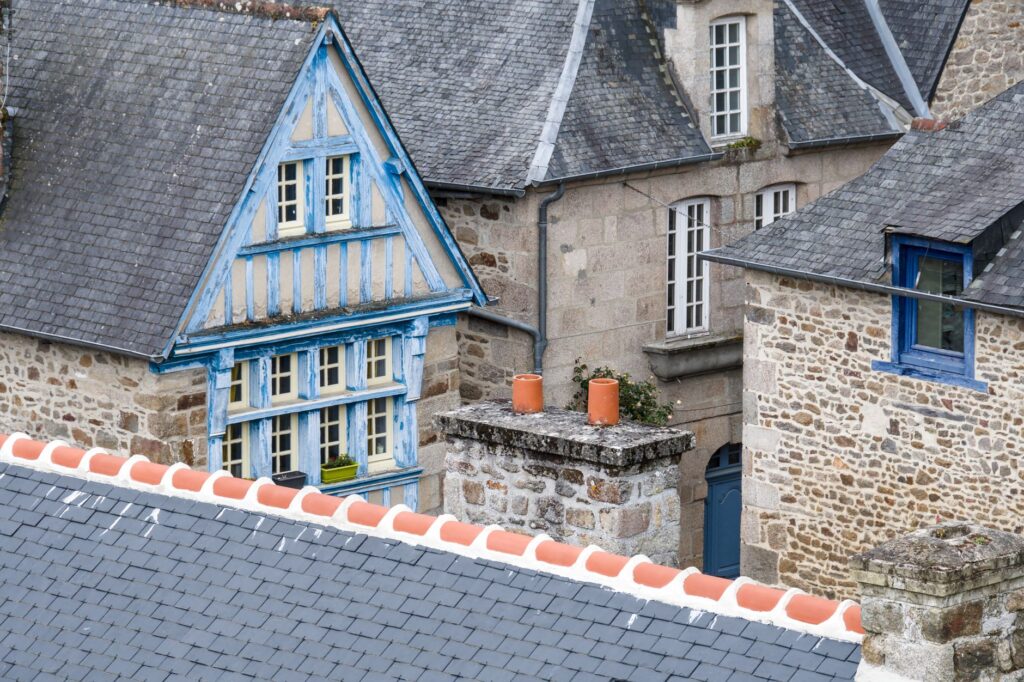
Work in the communal quarries was an activity of extreme risk, marked by silica dust that destroyed the workers’ lungs before reaching maturity and by the constant threat of cave-ins. Despite the harshness of working conditions, the masons developed a distinct culture rich in traditions, work songs, and codes of honor that still resonate today in notarial archives from towns such as Carhaix or Châteauneuf-du-Faou. Their legacy resides not only in the monuments that remain standing, but in the way they shaped the economic landscape of the entire region.
blockquote>Granite does not obey human caprice; it demands a prolonged dialogue where the chisel is merely the mediator between the patience of the earth and the will for permanence.
With the arrival of industrialization and the opening of new transport routes in the 19th century, the traditional craft underwent a radical transformation. The introduction of explosives and heavy machinery gradually displaced manual extraction, relegating former masters to restoration tasks or the production of cobblestones for expanding metropolises. However, respect for the primordial material survived modernization, ensuring that centuries of accumulated knowledge were not entirely lost to oblivion.
Vernacular Architecture and Dry-Stone Refuges
Beyond major religious monuments, the true hallmark of Breton lapidic culture manifests in vernacular architecture. Traditional dwellings, known as longères, are typically arranged with their facade facing south to shelter from dominant Atlantic winds, utilizing thick masonry walls that act as effective natural thermal regulators. These constructions demonstrate a dwelling intelligence deeply integrated into the immediate environment.
The surrounding fields are bounded by kilometers of dry-stone walls, erected without any mortar through the skilled overlapping of flagstones and boulders. These enclosures not only fulfilled the function of delimiting agricultural property and protecting crops from livestock, but served as sinks for stones extracted during plowing, clearing the ground to make agriculture possible in a geologically hostile soil. Today, these mineral corridors act as fundamental ecological corridors for local flora and fauna.
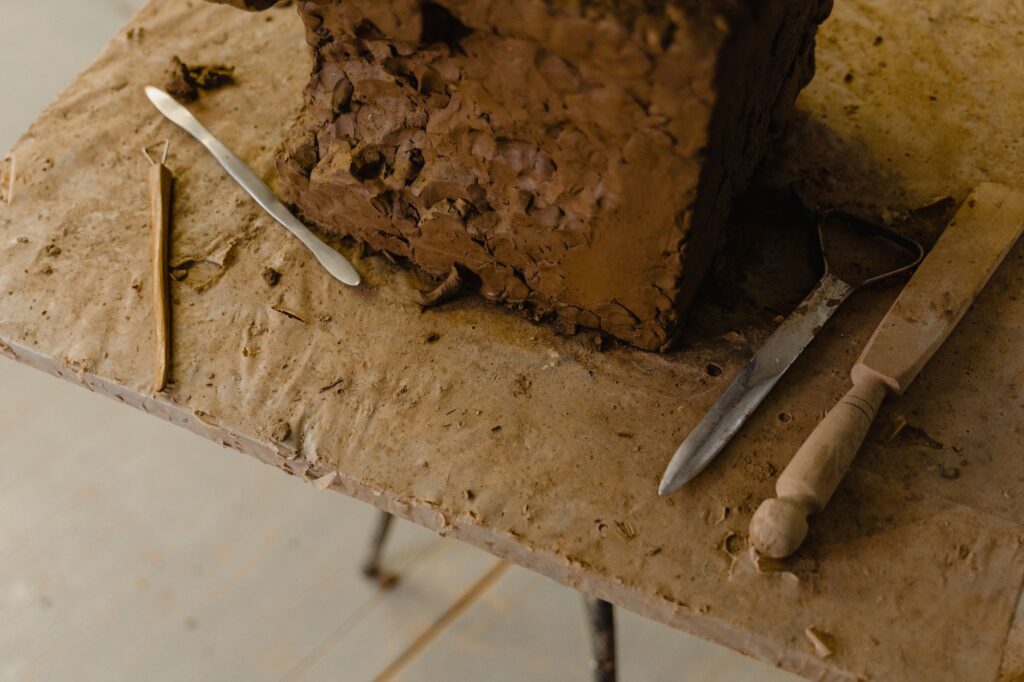
The conservation of this minor architecture poses significant contemporary challenges. Rural depopulation and the abandonment of traditional farming practices threaten to crumble kilometers of wall heritage. Nonetheless, recent community initiatives driven by local associations promote dry-stone restoration workshops, recovering the ancestral gesture of fitting each block into its exact spot to guarantee structural stability without altering the original aesthetics of the landscape.
Contemporary Workshops and the Transmission of Knowledge
Today, the interior valleys of Brittany harbor a silent revival driven by a new generation of restorers, sculptors, and architects specializing in historical heritage. These professionals combine traditional craft tools—mallets, carbide chisels, and tooth chisels—with modern non-destructive testing technologies to diagnose pathologies in centuries-old structures. Their work is indispensable to ensure that abbeys such as Landévennec or the fortified churches of the region do not succumb to environmental decay.
Technical training centers in Quimper and Rennes keep alive apprenticeship programs teaching the art of stereotomy, the complex geometric calculation for the three-dimensional cutting of stone. Young apprentices spend years mastering the creation of voussoirs for arches and vaults, understanding that a millimetric error in the workshop can compromise the stability of an entire structure. This commitment to artisanal excellence contrasts with the speed of contemporary industrial production, vindicating the value of the handmade.
The preservation of this mineral heritage demands sustainable resources and institutional recognition that transcends mere seasonal tourist appeal. Historic quarries, many abandoned and converted into wetlands or protected natural areas, continue to exhale an aura of mystery that attracts slow travelers seeking authenticity. The true value of these spaces lies in their capacity to remind us of a different temporal scale, where human work integrates humbly into the secular cycles of geology.
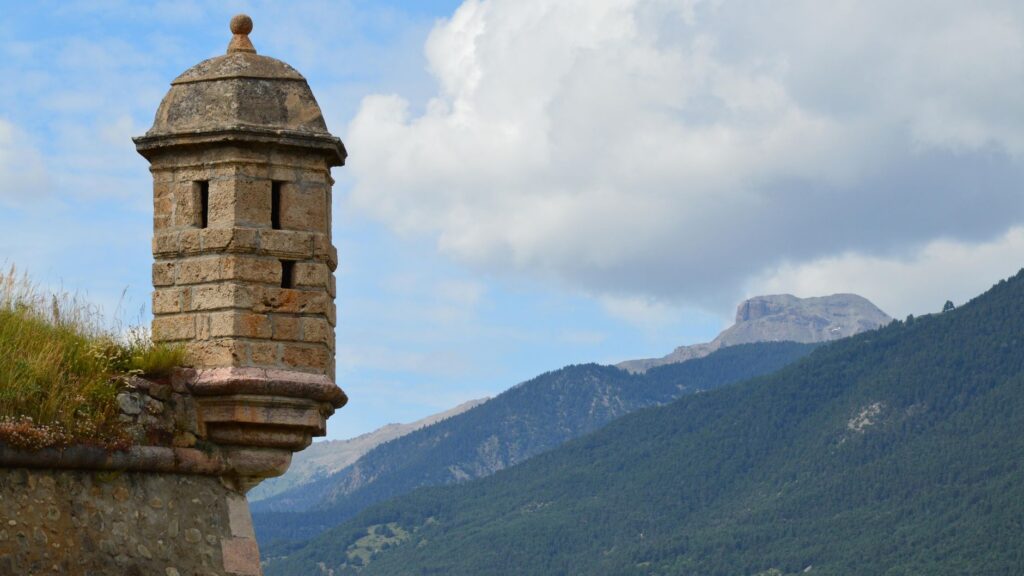
Practical guide
How to get there: Access to interior Brittany is typically achieved via the airports of Brest or Rennes, although the high-speed rail network (TGV) connects Paris to Rennes in just over an hour and a half. To tour the villages of the Arrée Mountains and the forests of Huelgoat, renting a vehicle is essential due to the dispersion of sites of interest.
Best time to visit: The spring months (May to June) and early autumn (September) offer moderate weather conditions and optimal light for landscape and architecture photography. Summer tends to concentrate greater influx in coastal areas, keeping the interior in peaceful tranquility.
Recommended accommodation: Staying in traditional stone-rehabilitated rural houses («gîtes de France») or charming small hotels located in former manor houses near Carhaix and Commana is strongly advised.
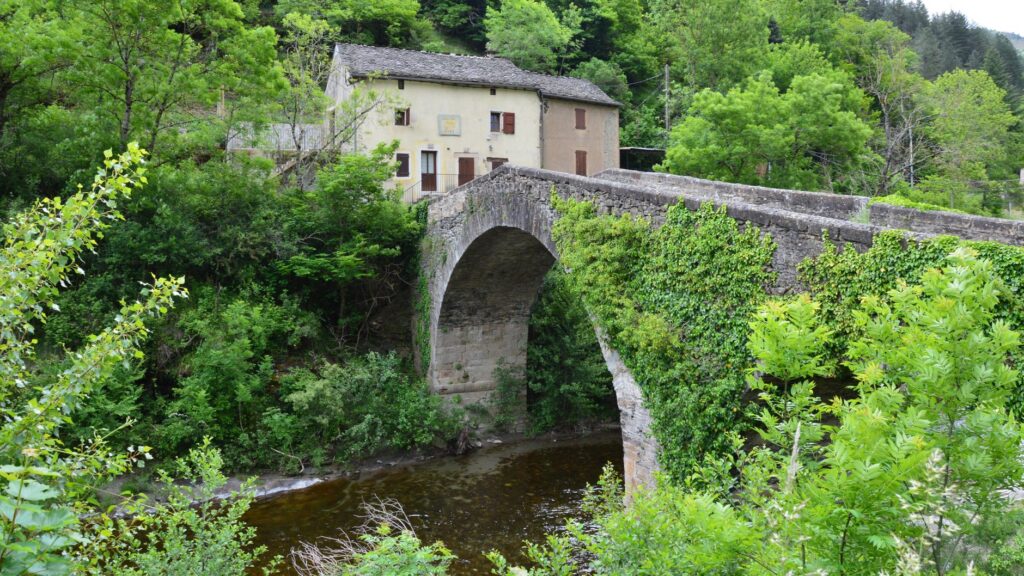
Local gastronomy: The cuisine of interior Brittany is hearty and honest. Highlights include far breton, buckwheat galettes, and traditional stews slow-cooked in iron pots over stone hearths.
Heritage respect guidelines: Climbing or altering dry-stone walls and megalithic monuments is strictly prohibited. Many of these sites are located on private property or protected areas where conservation depends strictly on visitor civility.
The Mineral Echo of the Atlantic in Memory
Reaching the end of the journey through these interior landscapes leaves a lasting impression that transcends mere visual recording. As evening light begins to recede over the heather moors, the granite blocks of ancient enclosures acquire a coppery hue that seems to connect directly with the chromatic palette of the Celts who populated these lands in the Iron Age. The stone, cold to the touch on misty mornings, retains the sun’s heat as if guarding its own memory, a thermal record of the seasons passing over the Breton massif.
Traveling through this territory is accepting a truce against the immediacy of the contemporary world. In every calvary eroded by centuries of rain and marine salinity, in every wall raised stone upon stone with no mortar other than gravity and skill, beats the certainty that truth requires time. The traveler who pauses to observe the meticulous work of a modern mason or to walk paths flanked by vegetal boundaries understands that the true wealth of interior Brittany lies not in its visible treasures, but in the invisible solidity of its mineral character.