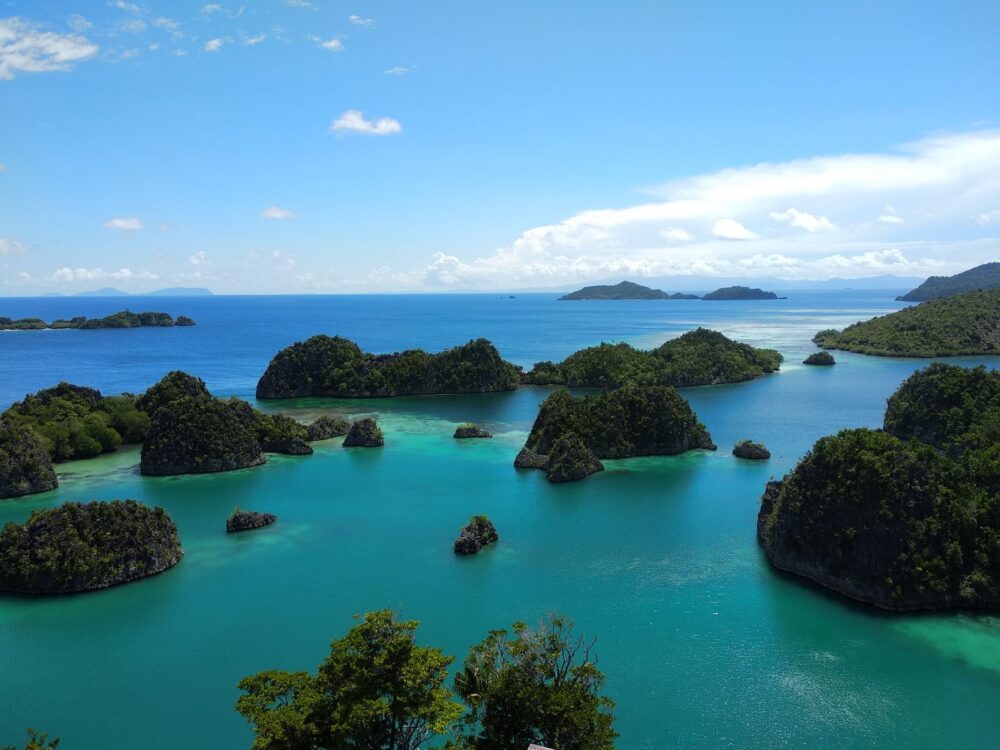
El Salvador has ceased to be a whispered secret, emerging instead as the epicenter of an unprecedented tourism transformation in Central America. What was once a technical stopover or a transitional destination is now a robust protagonist on the agendas of major tour operators from Europe and North America. The key to this phenomenon lies not only in the renovation of its infrastructure but in an alchemical combination of its sheer volcanic geography and a hospitality that foreign visitors almost unanimously describe as one of the most genuine on the continent. Recent visits by international delegations have confirmed that the country possesses a unique competitive advantage: the ability to travel from sea level to the summit of an active crater in less than an hour.
This metamorphosis is supported by a narrative of safety and openness that has allowed for the rediscovery of hiking trails that remained hidden for decades. Tour operators, tasked with designing experiences for high-standard travelers, have found in El Salvador a canvas where adventure does not compromise comfort. From the misty peaks of Alotepeque to turquoise-colored calderas, the territory offers a catalog of experiences that go beyond simple observation; it is an immersion into an ecosystem where geology and local culture walk hand in hand, creating a tourism product that is simultaneously sophisticated and wild.
The Awakening of a Dormant Power
For years, El Salvador’s potential as a world-class hiking destination lay dormant, waiting for the precise moment to hatch. That moment has arrived with the consolidation of strategies like Surf City, which, while born facing the sea, has served as a gateway for travelers to explore the mountainous interior. Foreign tour operators who have recently toured the country highlight that the Salvadoran offering breaks the traditional regional mold. Here, logistics is the great ally: the proximity between destinations allows a seven-day itinerary to be as dense and varied as a fifteen-day one in larger countries.
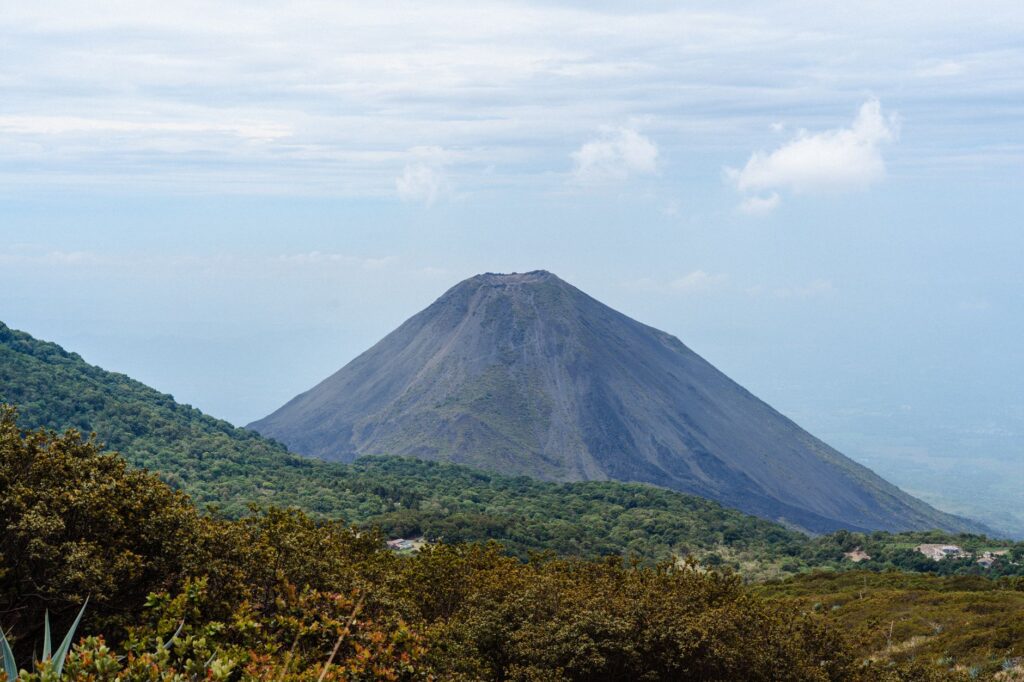
The interest of international agencies focuses on authenticity. In a global market saturated with overexploited destinations, El Salvador offers the freshness of the unexplored. The trails winding through the Apaneca-Ilamatepec mountain range are not just physical routes but journeys through coffee-growing history and the biodiversity of a country that has decided to bet on its natural heritage as an engine for sustainable development. The response from source markets has been immediate, increasing demand for packages that combine the physical effort of volcanic ascent with relaxation in luxury rural settings.
«El Salvador is no longer a hidden gem; it is a loud, vibrant statement of resilience and natural wonder that challenges the expectations of even the most seasoned traveler.»
Ilamatepec: Walking on the Earth’s Breath
The Santa Ana Volcano, or Ilamatepec, has established itself as the crown jewel for adventure tourism. Standing at 2,381 meters above sea level, it is the highest point in the country and offers one of the most rewarding hiking experiences in the region. The ascent, which passes through cloud forests and volcanic moorland zones, culminates in a crater housing a sulfurous lagoon of hypnotic emerald green. For international operators, this is the flagship product: a technical yet accessible hike that rewards the traveler with panoramic views of Lake Coatepeque and the Izalco Volcano.
The management of this national park has been cited as an example of how collaboration between the State and local communities can elevate service quality. Local guides, many of them former farmers turned to tourism, provide a narrative value that foreign visitors deeply appreciate. It is not just about reaching the summit, but about understanding the geology of the Pacific Ring of Fire and the resilience of a flora that defies constant sulfur emanations. This human connection is what ultimately seals the deal for major adventure travel wholesalers.
Warmth as a Personal and National Brand
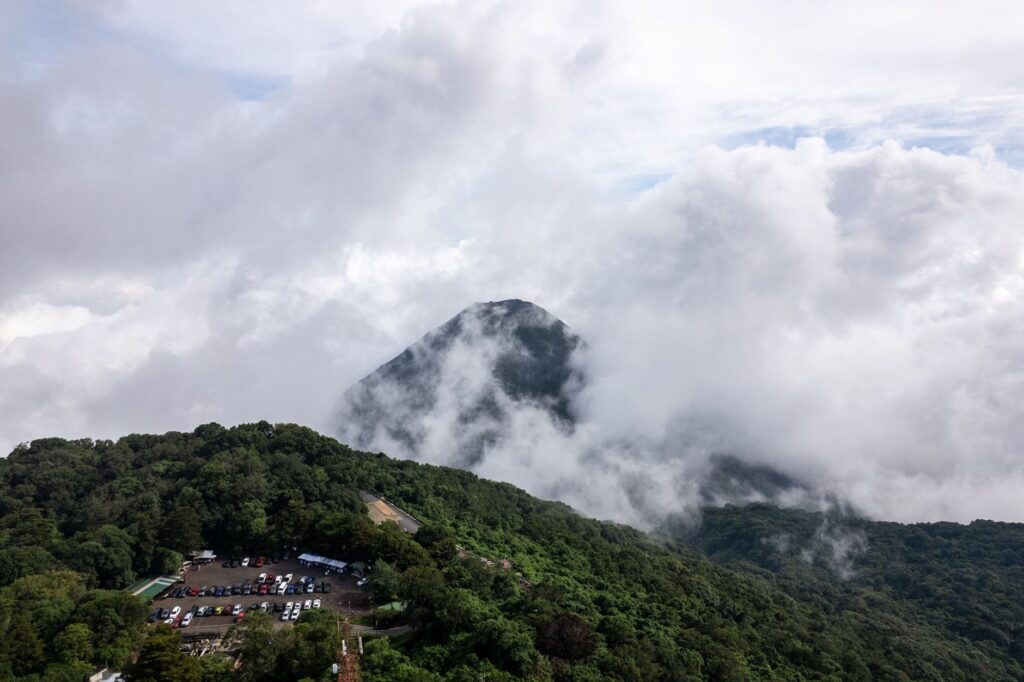
If there is one term repeated in the reports of tour operators visiting El Salvador, it is warmth (calidez). This concept, often abstract, materializes in the smile of those serving coffee on a high-altitude plantation or in the willingness of transport staff to explain local customs. Salvadoran warmth is perceived as organic hospitality, not staged for the tourist, generating an emotional bond difficult to replicate in more industrialized destinations. This human factor is, according to experts, the greatest asset for client retention for agencies.
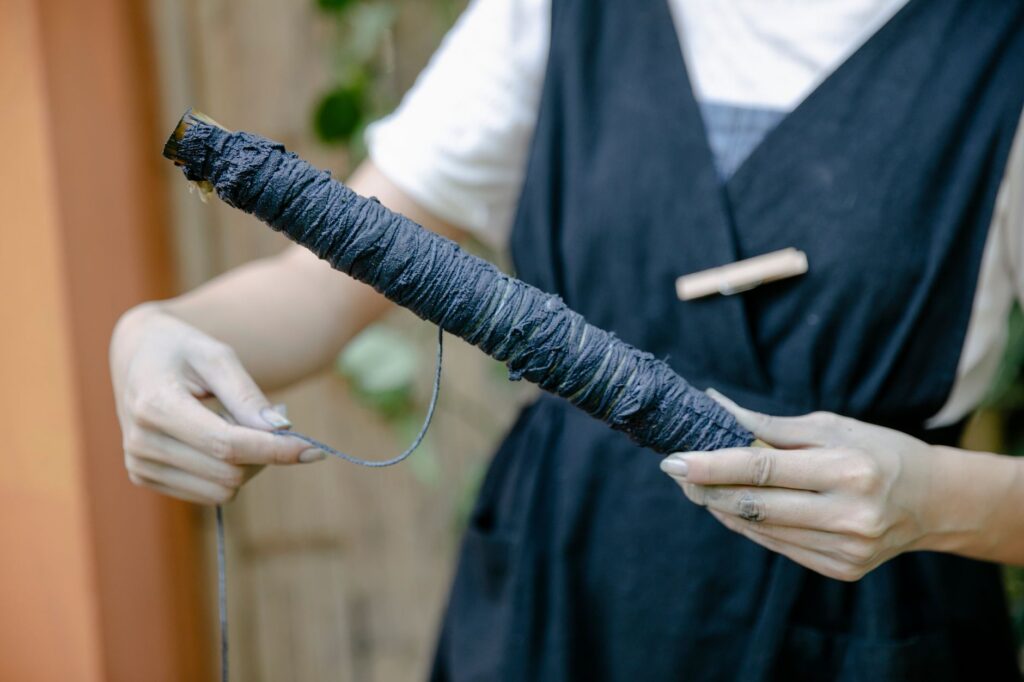
Operators have observed that this kindness translates into perceived safety. Visitors feel welcome in the communities, allowing for the development of community tourism activities in areas like the towns of the Flowers Route (Ruta de las Flores). Here, hiking blends with indigo workshops, specialty coffee tastings, and gastronomic festivals. The strategy of international operators is to integrate this warmth into their sales narratives, positioning El Salvador as a destination where the traveler is not a stranger but an honored guest.
The Logistics of Proximity
One of the biggest surprises for foreign delegates is time efficiency. In a single day, it is possible to have breakfast in front of the waves in El Tunco, lunch in the coolness of a mountain in Ataco, and dinner in the capital. This structure allows hiking itineraries to be extremely dynamic. For example, half-day hikes can be done in El Boquerón National Park, located in the crater of the San Salvador Volcano, without straying far from the urban comforts of the city. This versatility is an unbeatable selling point for the segment of travelers looking to optimize their time without sacrificing the intensity of the experience.

El Pital and the Northern Challenge
For the most demanding hikers, the department of Chalatenango offers Cerro El Pital. Located on the border with Honduras, this mountain massif represents the most alpine side of El Salvador. With temperatures that can drop to near freezing on clear nights, El Pital is a sanctuary of pine and oak forests, home to the quetzal and other exotic bird species. Adventure operators are designing multi-day routes here that include high-altitude camping and visits to agricultural communities that grow cold-climate vegetables and flowers.
This destination represents the diversification of the offering. While the volcanoes offer lunar landscapes and steaming craters, the north of the country provides a cloud forest experience and total disconnection. The infrastructure of mountain cabins and improved access roads have allowed this once-remote corner to become a mandatory stop for groups seeking intimate contact with nature. The commitment to hiking in El Pital underscores the country’s ambition to cover all niches of active tourism.
«The country’s greatest asset isn’t just its volcanoes or its modern roads, but the profound human connection found at every trailhead and in every shared story.»
Suchitoto: Colonial and Cultural Respite
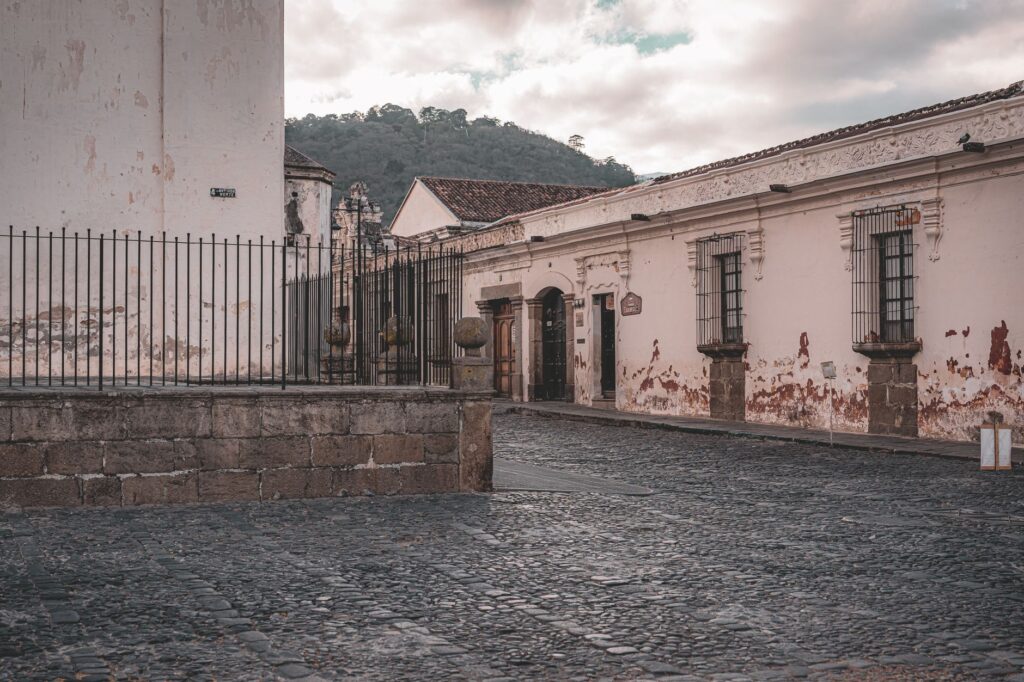
No adventure route in El Salvador is complete without an immersion into its history. Suchitoto, the country’s cultural capital, serves as the perfect counterpoint to the physical exertion of hiking. Its cobblestone streets and well-preserved colonial architecture offer a sanctuary of peace. From here, travelers can hike to the Los Tercios waterfall, famous for its hexagonal basalt geological formations, or explore the shores of Lake Suchitlán, a wetland of international importance for migratory birds.
Foreign tour operators see Suchitoto as the ideal place to close an adventure cycle. The cultural offering, which includes art galleries, indigo interpretation centers, and a gastronomy that rescues ancestral ingredients, allows the traveler to process their experiences in an environment of aesthetic beauty and serenity. It is here where one understands that El Salvador is a country of harmonious contrasts, where the ruggedness of volcanic rock coexists with the delicacy of an izote flower or the softness of a hand-dyed fabric.
Practical Guide
For those wishing to explore El Salvador under the standards of international operators, it is essential to consider certain logistical and preparation recommendations. The country is accessible, but adventure requires proper planning to maximize the enjoyment of its unique landscapes.
- Entry Requirements: Most nationalities only require the purchase of a tourist card upon arrival at El Salvador International Airport (approximate cost $12 USD). The use of Bitcoin is legal, but the US Dollar remains the daily currency and most practical for small transactions in rural areas.
- Best Time for Hiking: The dry season, from November to April, is ideal. Skies are clear, guaranteeing spectacular views from volcanic summits. However, the rainy season (May to October) offers vibrantly green landscapes and waterfalls at their peak.
- Recommended Gear: Hiking shoes with good grip (volcanic ash can be slippery), high-spectrum sun protection, breathable clothing, and a light jacket for high areas like El Pital, where temperatures drop considerably.
- Safety and Guides: It is strongly recommended to perform volcanic ascents accompanied by certified guides or the Tourism Police (POLITUR). This not only ensures safety but enriches the experience with local knowledge of fauna and flora.
- Connectivity: Mobile network coverage is surprisingly good even in mountainous areas, but it is always advisable to download offline maps if planning to explore less-traveled routes.
The Horizon Ahead
El Salvador has achieved what seemed impossible: changing its stigma for a brand of quality and adventure. The enthusiastic response from foreign tour operators is not a product of chance, but of a clear vision that places the territory and its people at the center of the stage. Walking its paths, one not only discovers landscapes of breathtaking beauty but also witnesses a country rediscovering itself through the eyes of those who visit.
The future of tourism in the country points toward sustainability and specialization. With each new group of hikers reaching the summit of Ilamatepec or getting lost in the mist of El Pital, an industry that respects the environment and generates national pride is consolidated. El Salvador invites you to leave prejudices behind and lace up your boots to discover that, in this small corner of the world, the greatest adventure is the one lived with an open heart and eyes set on the next volcano to conquer.
Source: elsalvador.com