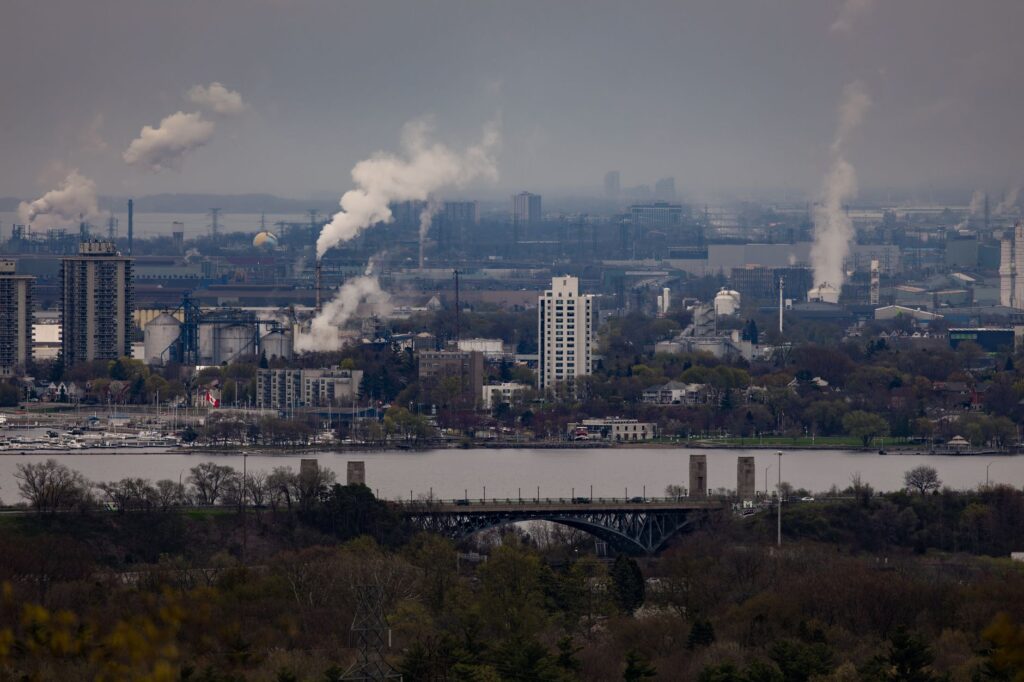
Hamilton, perched at the western tip of Lake Ontario, has spent decades shaking off its reputation as merely Canada’s industrial heartland. For those who venture beyond the highway bypasses, the city reveals itself as a complex, beautiful, and deeply authentic destination. Often called «Steeltown,» it has undergone a remarkable metamorphosis, emerging as a sanctuary for artists, foodies, and nature enthusiasts seeking a more grounded urban experience than the frantic pace of nearby Toronto.
A trip to Hamilton always feels a little like coming home for those who appreciate character over polish. There is a tactile quality to the city—a blend of weathered brick, wrought iron, and the lush greenery that spills over the Niagara Escarpment. It is a place where the industrial past isn’t hidden but serves as a backdrop for a new generation of entrepreneurs who have breathed life into old neighborhoods, turning defunct factories into galleries and quiet streets into hubs of independent design.
The Steel City’s Green Transformation: More Than Industry
Hamilton’s identity is forged in steel, but today that strength is directed toward creativity and community. Walking through the downtown core, the contrast between massive industrial structures and delicate urban parks is striking. The city has carefully embraced its architectural heritage, preserving Victorian buildings that now house artisanal coffee shops and boutique studios. This balance between the gritty and the refined defines the modern Hamiltonian experience.
The most palpable change is the energy of its people. Hamilton is no longer a stopover; it is a destination. An influx of talent from more expensive urban centers has injected a dose of vitality into sectors like tech and the visual arts, creating an ecosystem where traditional blue-collar values and avant-garde ideas coexist in a harmony rarely found in North American cities.
«Hamilton isn’t just a city that makes things; it’s a city that remakes itself every morning on the shores of the lake.»
Chasing Waterfalls on the Niagara Escarpment
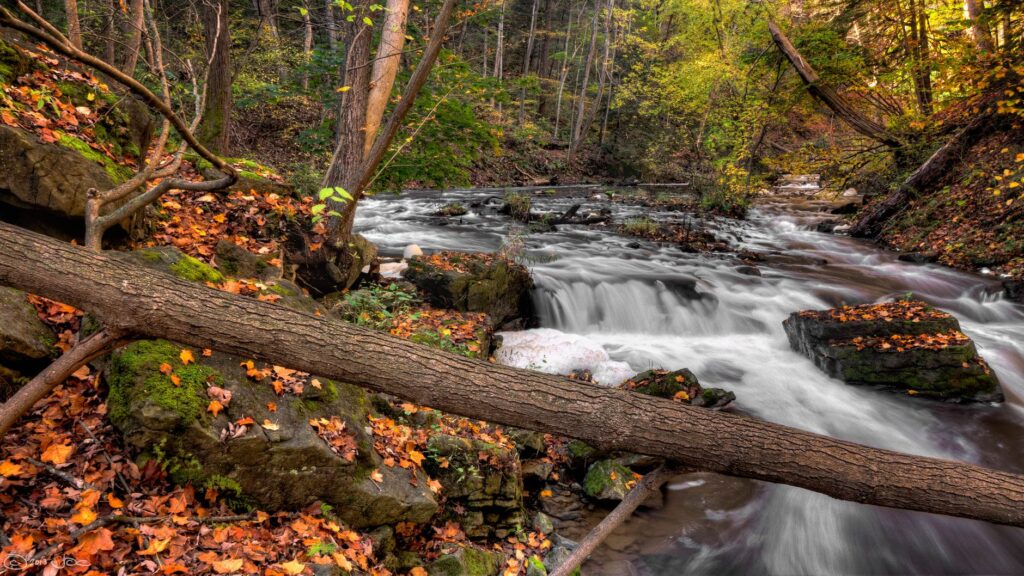
What few travelers suspect before arriving is that Hamilton is home to over 100 waterfalls within its city limits. This geographical wonder is thanks to the Niagara Escarpment, a UNESCO World Biosphere Reserve that cuts through the city, creating spectacular cascades just minutes from the urban center. Webster’s Falls and Tew’s Falls are iconic, offering vistas that look like they belong in a 19th-century landscape painting, especially during the autumn months when the foliage turns vibrant shades of orange and red.
Exploring these falls often involves trekking the Bruce Trail, Canada’s oldest and longest marked footpath. Walking these trails allows you to experience Hamilton’s duality: one moment you are surrounded by the city’s stone architecture, and the next, you are standing before the thundering curtain of Tiffany Falls or the quiet serenity of Sherman Falls. It is a constant reminder that nature always reclaims its space, even in the industrial heart of the country.
Living History at Dundurn National Historic Site
High on a hill overlooking Burlington Bay stands Dundurn Castle, a 40-room Neoclassical mansion that tells the story of 19th-century Canadian high society. Built in the 1830s by Sir Allan MacNab, a former Premier of the Province of Canada, the castle is now a national historic site. Visitors can immerse themselves in the daily lives of both the aristocrats above stairs and the domestic staff who kept the vast estate running below stairs.
The surrounding grounds, including The Kitchen Garden, are a living extension of history. Here, heirloom varieties of vegetables and fruits are grown just as they would have been for MacNab’s table nearly two centuries ago. Wandering through these gardens is an exercise in historical nostalgia, where the landscape design reflects the ambitions of a young nation striving to establish its own aesthetic identity against European influences.
Wings of History: The Canadian Warplane Heritage Museum
For fans of engineering and military history, the Canadian Warplane Heritage Museum is an essential stop. This is not a static museum; it is a working conservation center where the roar of engines still echoes. The crown jewel is undoubtedly the Avro Lancaster, one of only two in the world still in flying condition. Seeing this massive piece of history take to the skies over Hamilton is a profound experience that connects visitors to the technical innovation and sacrifice of the Second World War.
The museum houses over 40 aircraft spanning the history of Canadian aviation. Interactivity is central here, with opportunities to climb into cockpits and understand the mechanical complexity of these machines. It is a tribute to resilience and ingenuity, values that resonate deeply in a city built on the foundations of hard work and technical precision.
Botanical Wonders at the Royal Botanical Gardens
While technically spanning the border between Hamilton and Burlington, the Royal Botanical Gardens (RBG) is a vital part of the region’s ecological fabric. It is the largest botanical garden in Canada and a globally significant center for biodiversity. With over 1,100 hectares of nature reserves, the RBG offers everything from meticulously manicured rose gardens to wild wetlands that serve as a haven for migratory birds.
- Hendrie Park: Renowned for its rose collections and medicinal gardens.
- Rock Garden: A masterclass in landscape design set within an old quarry.
- Laking Garden: The place to be for iris and peony enthusiasts during the summer.
- Arboretum: A vast collection of trees offering shaded, peaceful walking paths.
The RBG is more than a place to look at flowers; it is an institution dedicated to conservation and environmental education. Its research programs are vital for protecting the native species of the escarpment, making every visit a direct contribution to the preservation of the local ecosystem.

The Artistic Soul of James Street North
To feel Hamilton’s current pulse, one must head to James Street North. Once a traditional commercial district, it has transformed into the epicenter of the city’s art scene. Here, contemporary art galleries stand alongside record shops, independent bookstores, and some of the best restaurants in Ontario. The monthly Art Crawl attracts thousands, turning the street into a community celebration of music, food, and visual expression.
The architecture of James North is a testament to urban evolution. Vintage neon signs live next to large-scale modern murals decorating the alleyways. It is the perfect place for people-watching, enjoying a craft coffee, and discovering why Hamilton has earned its reputation as the new creative pole of Eastern Canada.
Culinary Districts: Locke Street and Beyond
Hamilton’s food scene is as diverse as its geography. Locke Street South offers a more boutique experience, with artisanal bakeries and elegant bistros set in a residential area of Victorian homes. It is a favorite for weekend brunches and antique shopping. Meanwhile, Ottawa Street, historically known as the textile district, has flourished as a foodie destination, featuring a permanent farmers’ market and restaurants that prioritize local ingredients from the Niagara region.

«The table in Hamilton is served with honesty; here, luxury isn’t found in pretension, but in the quality of the produce and the warmth of the service.»
From cult-favorite burger joints to refined farm-to-table concepts, the city offers options for every palate. The influence of various immigrant communities is reflected in the culinary offerings, allowing for a flavor journey that ranges from authentic Italian fare to contemporary Asian fusion.
Waterfront Exploration and the Pier 8 Revitalization
Hamilton’s Waterfront Trail is a gem that connects the city to the vastness of the lake. This paved path is ideal for cyclists, skaters, and pedestrians looking to enjoy the lake breeze. The Bayfront Park area offers wide green spaces for picnics and community events, providing an unobstructed view of the bay that changes dramatically with the seasons.
The revitalization of the pier has brought new attractions, such as the Hamilton Waterfront Wheel and play areas that make this a premier family destination. It is here that one truly senses the scale of the city and its vital connection to the water—a resource that was once the engine of its industry and is now the center of its recreation and well-being.
Practical Guide
When planning your visit to Hamilton, keep in mind that the city is highly accessible from Toronto, either via the QEW highway or through frequent GO Transit train services. The best time to visit is during the spring and fall, when the weather is mild and the natural landscapes are at their most vibrant.
Regarding accommodation, options range from international chain hotels downtown to charming Bed & Breakfasts in historic neighborhoods. To get around, the HSR bus system is efficient, though many natural attractions are best reached by car or ride-sharing services. Don’t forget to pack comfortable walking shoes, especially if you plan on exploring the waterfalls and escarpment trails.
- Transportation: GO Train from Union Station (Toronto) or Express bus services.
- Weather: Cold winters and humid summers; fall is ideal for hiking.
- Culture: Check the calendar for Supercrawl in September, the city’s largest arts festival.
- Pro Tip: Book ahead for the most popular waterfall sites during peak season weekends.
Hamilton is a city that rewards the curious traveler. It is a place of sharp contrasts, where steel meets water and industrial history gives way to overflowing creativity. At the end of the day, what remains is the feeling of having discovered a well-kept secret—a city that doesn’t need to shout to prove its worth and beauty.
Walking along the pier at sunset, watching the city lights begin to reflect in the calm waters of the lake, evokes a deep sense of peace. It is the perfect end to a journey that defies prejudice and celebrates both human and natural resilience. Hamilton is not just a destination; it is a lesson in embracing the past to build a vibrant, living future.