
The Silent Transformation of the Peaks
In the heart of the Swiss Alps, the Bernese Oberland has faced a complex paradox for decades: the imperative need to keep commercial and tourist routes open to its deepest valleys without compromising the purity of the glaciers and the stability of the slopes. The massification of road transport, traditionally dependent on fossil fuels, began showing structural signs of exhaustion on access routes to high mountain passes such as Susten and Grimsel, where asphalt erosion and rising local emissions threatened alpine biodiversity. Faced with this diagnosis, a consortium formed by railway engineers, cantonal authorities, and conservation biologists has driven a radical paradigm shift focused on the total electrification of heavy passenger transport and the modernization of historic cogwheel trains.
This transition goes far beyond a simple technological swap of diesel locomotives for units powered by local hydroelectric energy. It involves a profound restructuring of regional mobility that prioritizes intermodal access, disincentivizing private vehicle use right from the valley gates and channeling visitor flows through underground and surface rail networks designed with strict energy efficiency criteria. Transfer stations, strategically located in hubs such as Interlaken and Grindelwald, now function as logistic centers where electric bicycles and hydrogen buses synchronize with millimeter precision, drastically reducing the carbon footprint of millions of annual travelers.
The technical challenge has been monumental. Constructing and updating transport infrastructure in steep terrain where permafrost is undergoing accelerated thawing demands engineering solutions that leave barely a trace on the landscape. The new railway layouts frequently utilize pre-existing tunnels, minimizing the opening of fresh faces in the limestone and gneiss rock. Furthermore, the recovery of ancient bridle paths and their conversion into low-intervention suspended walkways allows hikers to access higher altitudes without relying on high-combustion auxiliary funiculars, returning a measured, respectful cadence of movement to the territory.
Engineering and Ecology at High Altitudes
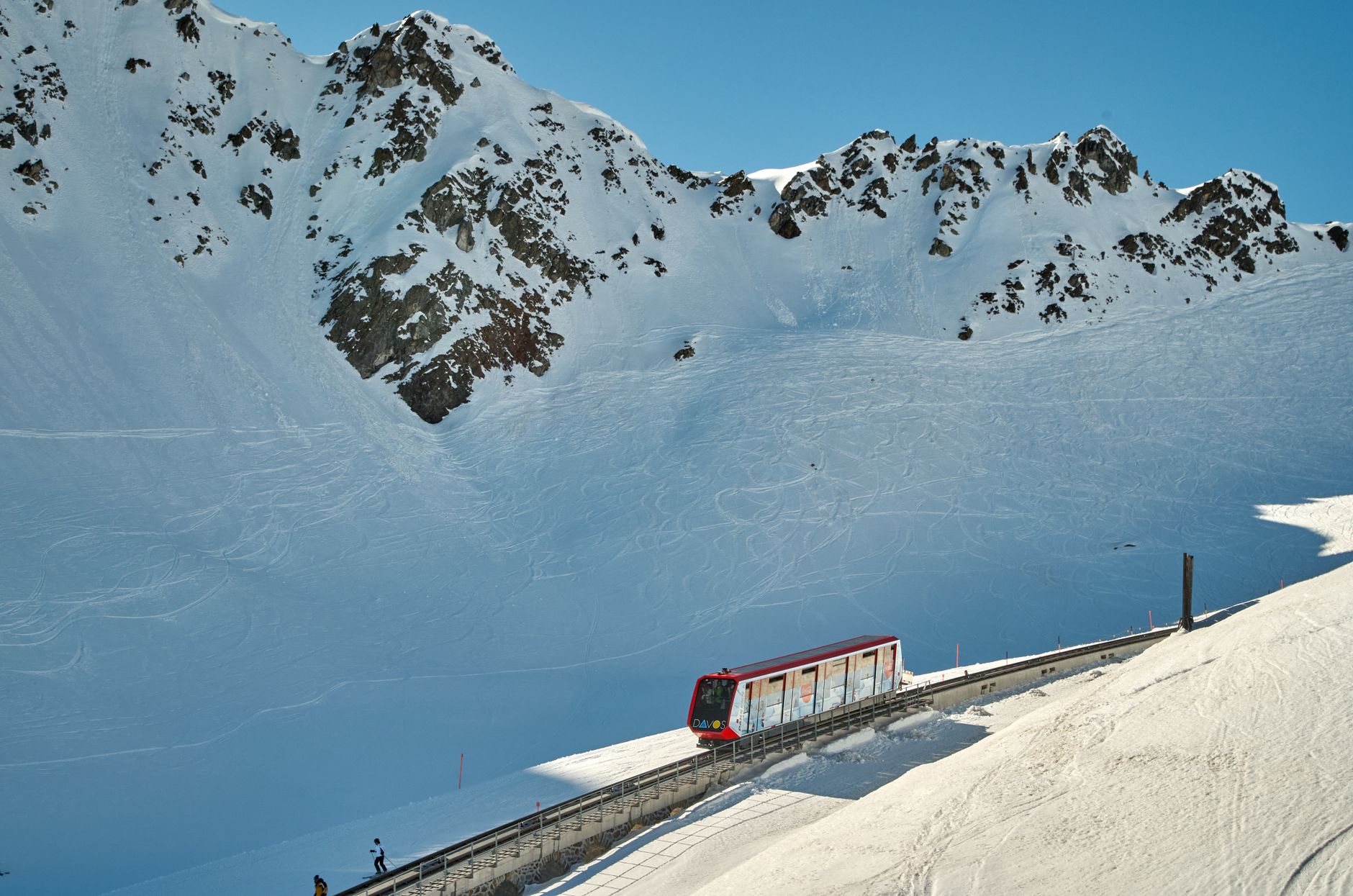
The backbone of this new mobility system lies in the optimization of the cogwheel trains connecting the valleys to the range’s most emblematic viewpoints. These convoys, equipped with regenerative braking systems, return up to one-third of the consumed energy back to the electrical grid during descents along steep slopes that exceed a twenty-five percent gradient in certain sections. This energy self-regulation capacity turns the line into one of the most efficient public transport infrastructures in the European continent, proving that high mountains can be connected without sacrificing local ecological balances.

Simultaneously, public transport managers have implemented integrated ticketing and scheduling policies that discourage peak crowding through dynamic pricing and mandatory seat reservations during periods of high environmental sensitivity. This measure not only enhances the traveler experience by preventing congestion on platforms and carriages, but also allows scientists to monitor anthropogenic pressure on surrounding nature reserves in real time. Collected data is used to adjust train frequencies based on the nesting habits of protected birds like the alpine ptarmigan and the seasonal activity of herds in high-altitude pastures.
The landscape integration of the new electrical installations has been another fundamental axis of the project. Traditional overhead catenaries have been redesigned with lightweight alloys of low visual impact, and energy transformation centers have been camouflaged within the traditional architecture of larch wood and dry stone typical of the Swiss cantons. Thus, transport infrastructure ceases to be an intrusive element on the alpine horizon, becoming instead a harmonious extension of the region’s cultural and natural heritage, once again validating that technological modernization and environmental stewardship can walk hand in hand in the planet’s most vulnerable environments.
The true measure of sustainable mobility in high mountains is not calculated by the speed with which we shorten distances, but by the subtlety with which our routes manage to integrate into the ancient heartbeat of the landscape.
The Intermodal Network and the Role of Local Communities
The success of this transformation in the Bernese Oberland cannot be explained solely from the perspective of heavy civil engineering, but through shared governance with the valley communities. The municipalities of Grindelwald, Lauterbrunnen, and Wengen participate directly on the boards of directors of the transport operating companies, ensuring that decisions regarding schedules, frequencies, and fares respond equally to the connectivity needs of permanent residents and the demands of the tourism sector. This co-management model curbs the gentrification of services and ensures that public transport acts as a cohesive element of the local social fabric.
Last-mile connections have been specifically designed to meet the demands of the rural population and seasonal workers. Low-floor electric minibus fleets connect the main railway stations with more dispersed inhabited centers and high-mountain agricultural holdings, facilitating the transport of local products to regional markets without saturating narrow county roads. This comprehensive approach drastically reduces the need for private car ownership among residents, consolidating a culture of collective mobility passed down from generation to generation in valley schools.
Likewise, the digitalization of transport services has radically simplified the travel experience. Through a unified platform, users can purchase combined tickets that include the high-speed train journey from Zurich or Bern, the transfer to the alpine cogwheel train, the use of local electric buses, and even the rental of electric bicycles at mountain stations. This system removes traditional logistical barriers and encourages international visitors and local hikers alike to naturally choose to leave their cars in peripheral parking lots outside the protected alpine perimeter.
Financial Sustainability and Energy Efficiency
One of the greatest challenges facing any sustainable transport system in high-mountain regions is long-term economic viability, given the heavy seasonality of demand and the high maintenance costs of infrastructure under extreme weather conditions. In the case of the Bernese Oberland, the financial model rests on a cross-compensation fund where profits generated during the intense summer tourism months are entirely reinvested in technological modernization and line maintenance during the winter months, when passenger flows drop noticeably yet connectivity must remain intact to guarantee life in the villages.
The energy supply for the entire rail network and complementary transport systems comes ninety-five percent from local public and community-owned hydroelectric power plants. This energy sovereignty insulates the transport network from the volatility of international fossil fuel markets and guarantees tariff stability for resident users. Furthermore, excess energy generated during the spring thaw periods is fed back into the general cantonal distribution grid, turning the transport system into an active agent of regional energy transition.
Predictive maintenance programs, based on the use of fiber-optic sensors installed along tunnels and embankments, allow the detection of micro-deformations in the terrain before they become structural risks. This technology drastically reduces unforeseen service interruptions and optimizes operating costs, allowing greater resources to be allocated to the continuous improvement of universal accessibility on platforms and carriages, ensuring that people with reduced mobility can fully enjoy high-altitude itineraries on equal terms.
The Future of Alpine Connectivity
Looking ahead to the next two decades, the mobility strategy for the Bernese Alps envisions the complete elimination of internal combustion engines in any public or commercial transport vehicle operating below two thousand meters of altitude within the nature reserve. Pilot tests with heavy vehicles powered by green hydrogen fuel cells are already in their final validation phase on supply routes toward high-altitude shelters, proving that it is possible to deliver food and construction materials without emitting a single gram of carbon dioxide into the atmosphere.
This forward-looking vision also includes the recovery of ancient navigation routes on lakes Thun and Brienz, integrating zero-emission electric ferries into the same unified transport card. In this way, the journey from lowland cities to the foothills of the great glacial summits becomes an experience of fluid continuity, where water, rail, and pedestrian paths converse under the same principle of strict respect for the environment and the human scale of the territory.
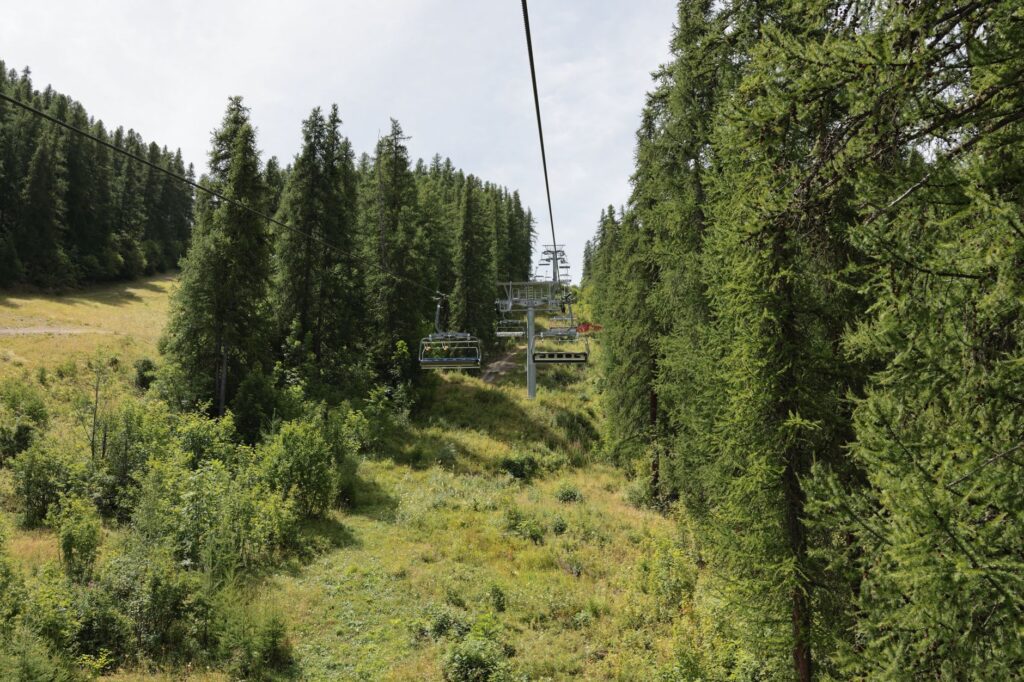
The lessons drawn from this transformation process in the Bernese Oberland are serving as a reference for other European mountain systems seeking similar formulas to escape circulatory collapse. The key to success lies in understanding that sustainable mobility is not an exclusive matter of green engineering, but a social and ecological pact between those who inhabit the territory and those who visit it temporarily—a constant reminder that the planet’s most beautiful summits also demand the most careful and conscious forms of travel.
Practical guide
How to get there: The Swiss rail network (SBB CFF FFS) offers direct and frequent connections from Zurich and Geneva airports to Interlaken Ost, the main gateway to the Bernese Oberland, with trains every hour and a punctuality rate exceeding ninety-eight percent.
When to visit: The months from June to September offer optimal conditions for combining cogwheel trains with high-mountain hiking trails. The winter season, from December to April, is ideal for enjoying skiing and the fully electrified transport network without early morning crowds.
Fares and passes: It is recommended to purchase the Bernese Oberland Pass or the Swiss Travel Pass, which provide unlimited integration for cogwheel train journeys, valley electric buses, and inland navigation boats, alongside significant discounts on associated funiculars.
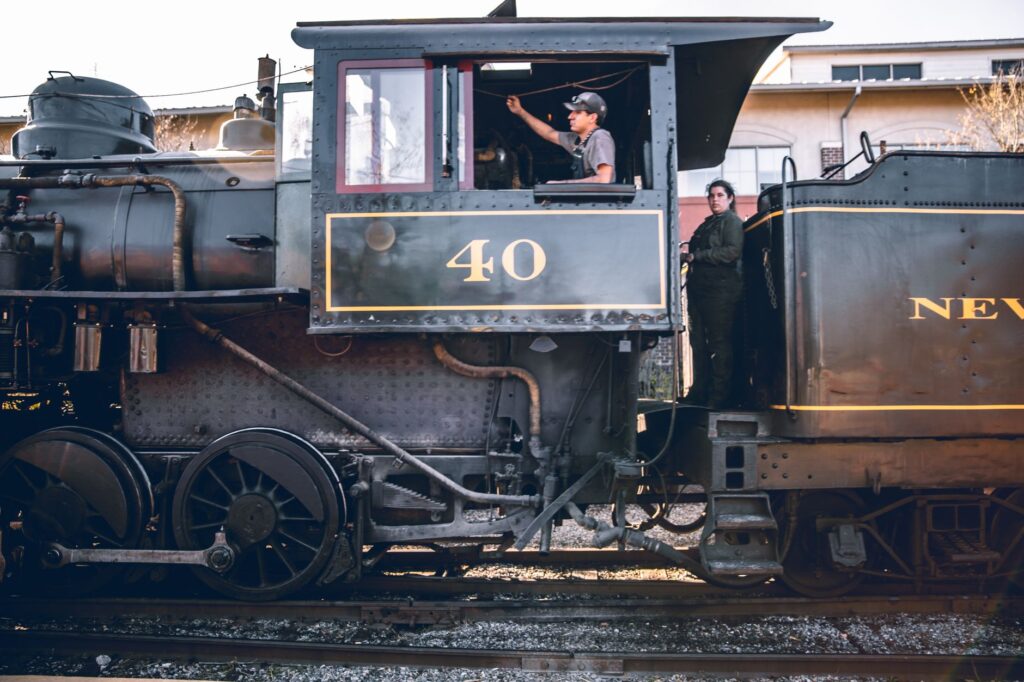
Rules of conduct: Venturing off marked trails in areas of high ecological sensitivity is strictly prohibited, as is generating loud noises that disturb local wildlife. Waste must be carried back to designated collection points at the main stations.
Sustainable accommodation: Opt for hotel establishments and shelters certified with the Swisstainable label, which guarantee the use of one hundred percent renewable energy, comprehensive waste management, and the consumption of locally sourced agricultural products from neighboring valleys.
The Final Echo of the Glaciers
As the last cogwheel train of the day begins its silent descent toward the valley, gliding smoothly over rails bathed in twilight, the peaks of the Bernese Oberland recover their imposing and solemn stillness. In that moment of transition, where the limestone rock wall seems to merge with the dark sky of the alpine night, it becomes evident that the true luxury of traveling through these landscapes lies not in the speed of the machine, but in the privilege of knowing that our passage through the mountain leaves no trace other than the indelible memory of its intact beauty. The valley communities, clinging to their historic commitment to the land, demonstrate every day that the future of mobility in the world’s great natural systems depends entirely on our collective capacity to listen to and respect the deep heartbeat of nature.