

The Silent Transformation of Ancient Pathways
In the heart of the Peruvian Andes, where the mountain range sculpts abysses of rock and emerald vegetation, mobility has ceased to be a mere matter of transit and has become an exercise in ecological balance. The Sacred Valley of the Incas, furrowed by the Urubamba River, faces the monumental challenge of reconciling the constant flow of global travelers with the preservation of its fragile geological and social stability. For decades, the unregulated growth of motor transport saturated secondary roads, accelerating slope erosion and altering the dynamics of the agricultural communities inhabiting the cultivation terraces.
Today, however, a silent metamorphosis runs along the railway tracks and ancient bridle paths. Local engineers, regional authorities, and community associations have forged a strategic alliance to reinvent transit in the region. The goal is no longer to shorten travel time at any cost, but to drastically reduce the carbon footprint by integrating electric traction technologies and highlighting traditional pedestrian routes. This transition redefines the concept of public infrastructure, proving that progress in fragile mountainous environments depends inextricably on respecting geography and the sovereignty of indigenous populations.
High-Mountain Railway Engineering and Clean Traction
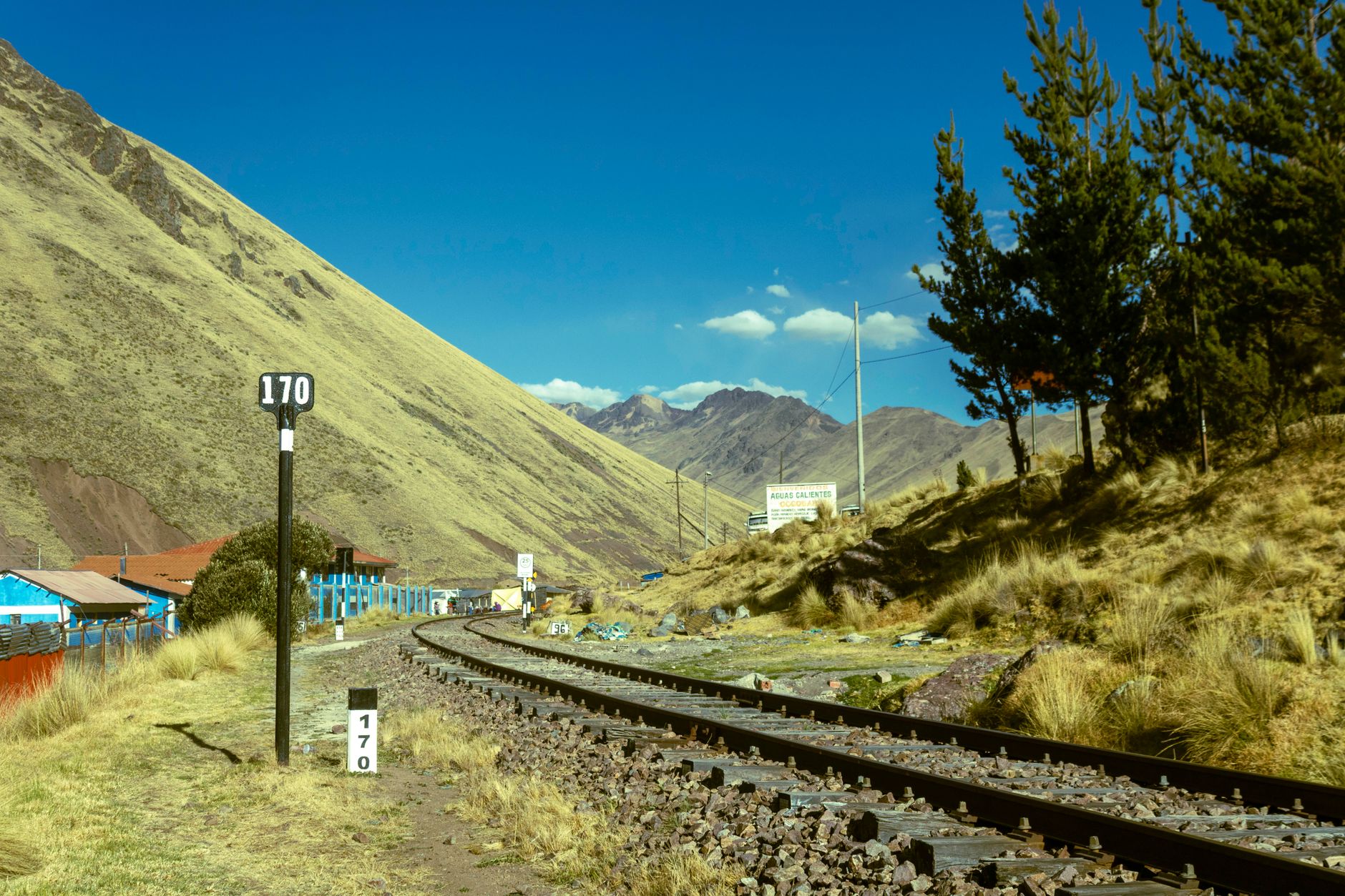
The backbone of this new transport network is the railway connecting the city of Cusco with the foothills of the Machu Picchu citadel, a historic corridor that has completed its transition toward hybrid propulsion and high-energy-efficiency systems. The old diesel locomotives, which for years released tons of greenhouse gases into the narrow river canyon, have been progressively replaced by convoys equipped with next-generation batteries and solar collectors installed at the terminal stations of Ollantaytambo and Urubamba.
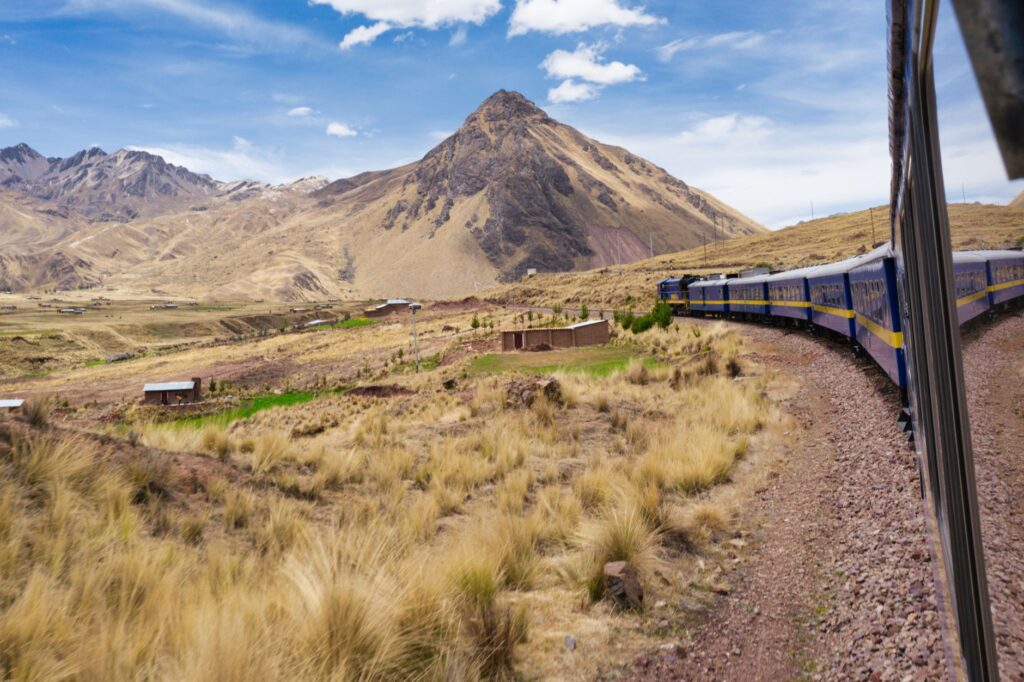
This technological upgrade has not only reduced noise pollution—a critical factor for the endemic fauna of the surrounding cloud forests—but has also optimized energy consumption on steep Andean slopes. Regenerative braking systems recover up to a quarter of the energy used during the descent into warmer valleys, feeding it back into the local distribution grid. For railway operators, the challenge has been adapting nineteenth-century infrastructure to twenty-first-century standards without altering the original layout, respecting the stone bridges and retaining walls that form part of the route’s archaeological heritage.
True modernization in high mountains does not mean imposing concrete and speed, but listening to the rhythm of the earth and restoring its capacity for self-regeneration.
The Community Trail Network as an Alternative to Asphalt
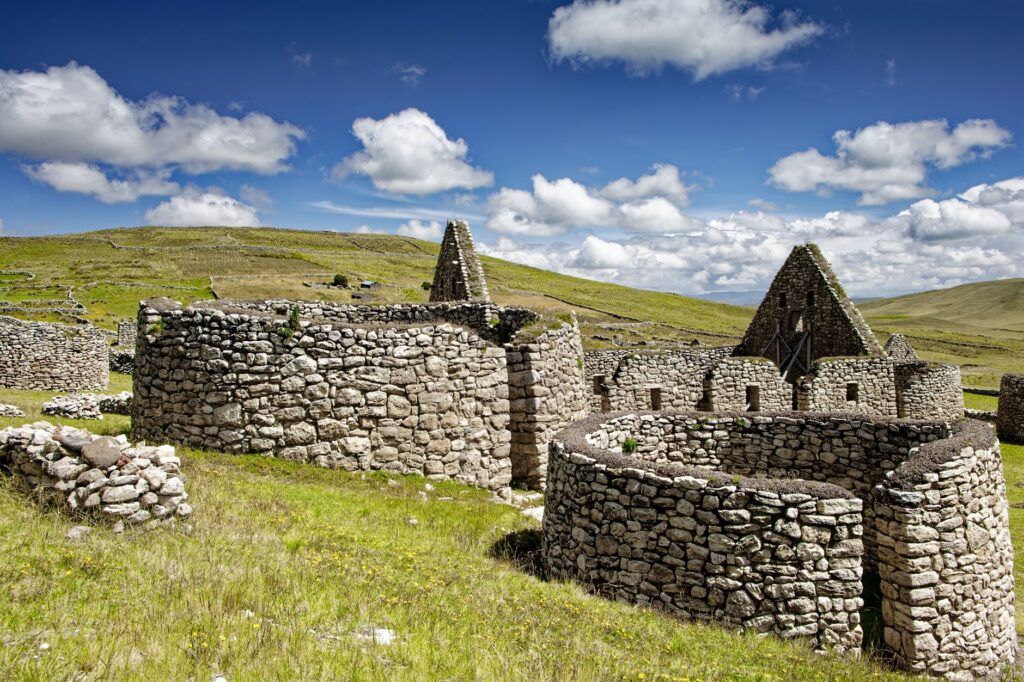
Alongside railway modernization, local authorities have promoted the recovery of the qhapaq ñan, or royal roads, which once connected ancient Incan settlements. Far from being conceived solely as tourist attractions for experienced hikers, these dry-stone routes have been formally integrated into the regional transport system as safe, low-emission pedestrian paths for local inhabitants.
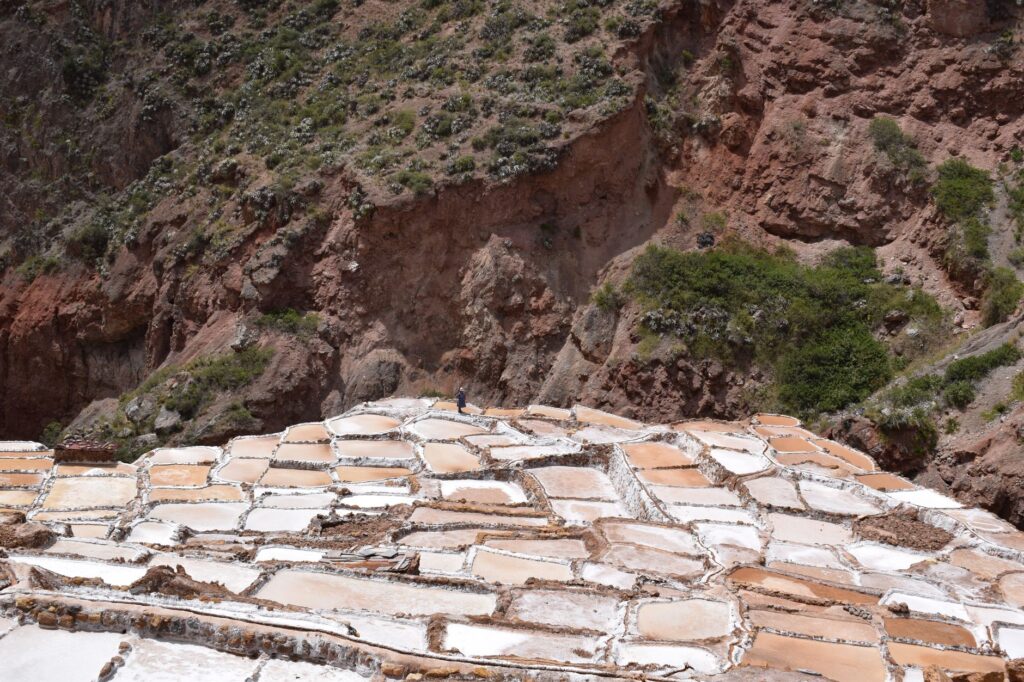
Maintenance of these trails is carried out through traditional community labor systems, where families from the communities of Chinchero, Pisac, and Maras apply ancestral techniques of soil drainage and compaction. This approach avoids the need for heavy machinery, protecting watersheds from sedimentation. By connecting villages through marked, motor-free pedestrian paths, active mobility is encouraged, reducing dependence on informal shared taxis and reviving the social fabric of weekly markets, where local producers can transport goods on foot or via duly regulated pack animals.

The Role of Local Governance in Intermodal Management
The success of this transition toward a sustainable transport model lies in decentralized governance. Unlike large centralized projects driven from capitals, the Sacred Valley’s strategy relies on mobility committees integrated by district mayors, peasant community representatives, and local tourism operators. These councils hold the authority to regulate daily visitor quotas accessing the most sensitive points and to establish differentiated tariffs that prioritize clean collective transport over private vehicles.
Intermodal stations located at strategic points such as Calca and Lamay act as transfer hubs where travelers leave internal combustion buses behind to access electric mountain bikes, local biofuel shuttle buses, or light rail services. This flow-control scheme has decongested the historic centers of colonial towns, reducing road congestion and improving air quality in valleys where wind stagnates during cold austral winter mornings.
Food Sovereignty and Low-Emission Logistics
Sustainable mobility in the Sacred Valley is not limited to passenger transport; it also encompasses the logistics chain supplying local markets and hotels. Traditionally, much of the food consumed in tourist centers arrived in heavy trucks from the coast, an unsustainable model generating high environmental and economic costs. Today, local agricultural cooperatives have established alliances with rail and river transport operators to utilize passenger train cargo spaces during off-peak hours.
This practice, known as collaborative reverse logistics, allows native potatoes, giant white corn, vegetables, and dairy products produced in the highlands to be transported efficiently and without additional emissions to consumption centers. Thus, the transport system acts as a direct bridge between rural producers and final consumers, strengthening the circular economy of Urubamba province and drastically reducing the ecological footprint associated with food supply in one of South America’s most visited regions.
Environmental Education and New Generation Participation
No transport infrastructure can be sustained over time without a profound cultural shift rooted in the community. In the rural schools of the Sacred Valley, educational programs have integrated specific modules on sustainable mobility, water management, and high-Andean biodiversity conservation for several years. Young students participate in practical workshops on air quality monitoring and native flora restoration along railway slopes and Inca trail margins.
This active participation ensures that new generations do not perceive modern transport as an external imposition, but as a tool of their own to improve their quality of life and protect their environment. Participatory cartography workshops, where students record traditional trails and automobile traffic hotspots, serve as a basis for local governments to periodically update their territorial planning maps, ensuring mobility infrastructure development responds to the real needs of permanent residents.
The Challenge of Seasonality and Mass Tourism
Despite progress in electrification and intermodal management, the Sacred Valley faces a complex structural challenge: the heavy seasonality of tourism and pressure from mass travel during dry austral winter months. The concentration of arrivals between June and August strains clean transport systems, generating bottlenecks at railway stations and exceeding the carrying capacity of restored pedestrian trails.
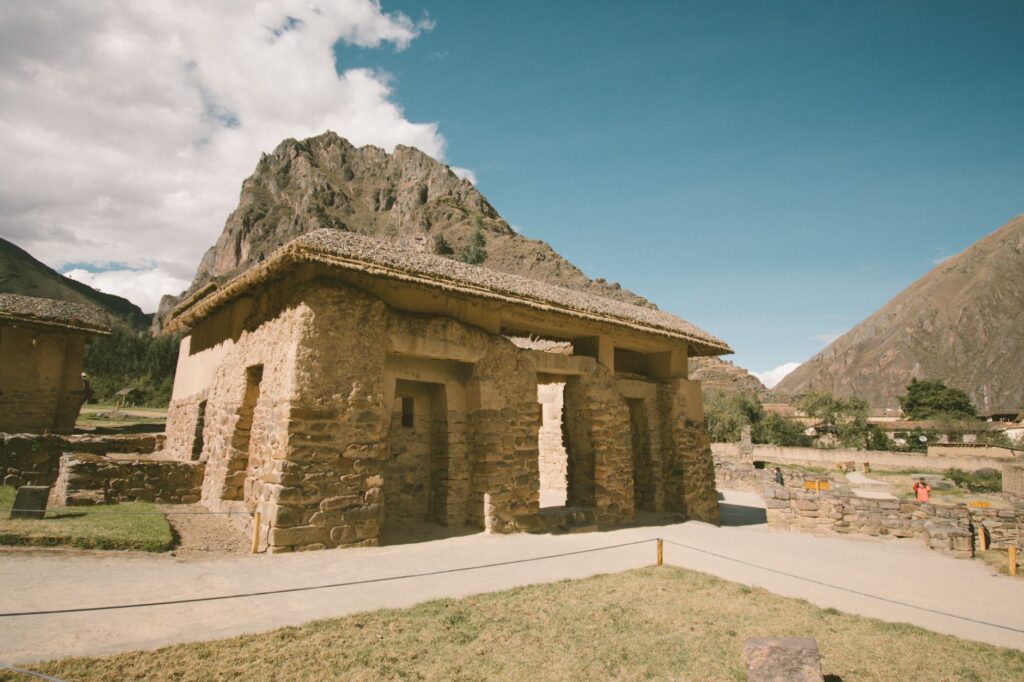
To mitigate this impact, regional authorities and tourism operators have launched de-seasonality campaigns, incentivizing visits during the rainy season through reduced fares on electric trains and specific cultural programs in community museums. Likewise, strict restrictions have been placed on heavy tourist vehicles accessing minor archaeological sites, forcing operators to use shared electric minibus fleets. This rigorous control demonstrates that tourism sustainability demands courageous decisions prioritizing natural and cultural heritage integrity over short-term economic growth.
Practical guide
How to get there: The main access point to the Sacred Valley is Alejandro Velasco Astete International Airport in Cusco, connected by daily flights from Lima. From Cusco, buses and shared taxis operate constantly toward the valley’s towns, though using electrified train lines departing from San Pedro and Poroy stations is strongly recommended.
When to travel: The dry season, spanning May to September, offers clear skies ideal for hiking, though it records the highest visitor influx. The rainy season, from November to March, presents intense green landscapes, fewer crowds, and reduced railway fares.
Local transport options: Use hybrid rail services for long journeys between Ollantaytambo and Aguas Calientes. For short trips between villages, opt for electric bicycles available at intermodal stations or walk the restored sections of the Andean trail system.
Code of conduct: Littering on trails and archaeological sites is strictly prohibited. Respect community transit schedules on rural paths and always purchase agricultural products directly from local cooperatives in traditional markets.
Final Reflections on Andean Balance
Contemplating sunset over the snowy peaks of Chicón and Pitusiray, it becomes clear that the transformation of transport in the Sacred Valley of the Incas transcends the mere adoption of clean technologies. It is, essentially, a renewed pact between humanity and the mountain. The harmonious coexistence between electric convoys crossing the canyon and walkers traversing stone paths demonstrates that sustainable development is not an unattainable utopia, but the fruit of collective will. In this corner of the world, every kilometer traveled without altering the earth’s heartbeat confirms that the true journey is learning to advance while leaving the lightest possible trace behind.


