
The Architecture of the Long Table and the Value of Shared Time
There is a precise moment in the autumn cycle when physical shelter shifts from a seasonal necessity to an aesthetic and emotional purpose. As the days contract and the light acquires that amber density characteristic of November, the dynamics of friend groups undergo a subtle mutation. Urban terraces and fleeting meetups give way to the urgency of the expanded home. It is no longer a matter of catching up for a couple of hours in a noisy restaurant, but of inhabiting a shared space for several days, surrendering to the slow rhythm of home cooking, prolonged after-dinner conversations, and the silence of natural surroundings disconnected from daily noise.
The contemporary phenomenon of seasonal gatherings among friends—deeply rooted in North American culture through the concept of Friendsgiving and reinterpreted globally—has transformed how we understand private hospitality. It is no longer enough to rent a functional accommodation that merely solves overnight lodging; contemporary residential architecture now responds to a more complex demand: creating settings where communal coexistence functions without friction. Large solid-wood dining tables, open-plan kitchens equipped with double cooktops and professional cookware, and living areas conceived around stone fireplaces have become the new temples of modern sociability.
From an anthropological perspective, cooking in groups and sharing bread in unfamiliar territory acts as a powerful catalyst for bonding. Well-designed spaces facilitate this alchemy by eliminating hierarchies. In these properties, the kitchen is not a closed service room, but the true gravitational heart of the house, where professional roles dissolve amid the steam of broths, unceremoniously uncorked wine, and the sound of laughter reverberating against double-height ceilings with exposed beams.
From Rural Design to Sustainable Avant-Garde: Typologies of Group Retreats
The high-end vacation rental market has had to adapt rapidly to this demand for large capacities without compromising aesthetic rigor. Rehabilitated Catalan farmhouses, converted barns in Northern Europe, and contemporary timber-and-glass cabins in temperate forests share a common denominator: the pursuit of silent luxury. This new paradigm discards ostentatious excess in favor of the authenticity of noble materials, respect for the surrounding landscape, and warm lighting that dialogues directly with the outdoors.
When planning such a gathering, the choice of spatial distribution is as crucial as geographic location. A group of eight to twelve people requires highly precise architectural choreography. Sufficient square footage is needed so that each member can find a corner for reading or silence—a well-stocked library, a window framing the forest, a bench beneath the trees—as well as gathering spaces generous enough to host everyone without physical or acoustic crowding.
The true luxury in collective stays does not lie in the number of automated amenities, but in the architecture’s capacity to allow twelve people to breathe simultaneously without crowding and to gather around the fire without distance.
Properties selected by specialized publications like Condé Nast Traveler for these types of retreats stand out precisely for their ability to hybridize vernacular heritage with contemporary comfort. This is not about imitating impersonal catalogs, but about inhabiting spaces with memory, where worn stone floors, masonry fireplaces, and large windows framing nature act as co-authors of the experience.
The Culinary Ritual as the Backbone of the Stay
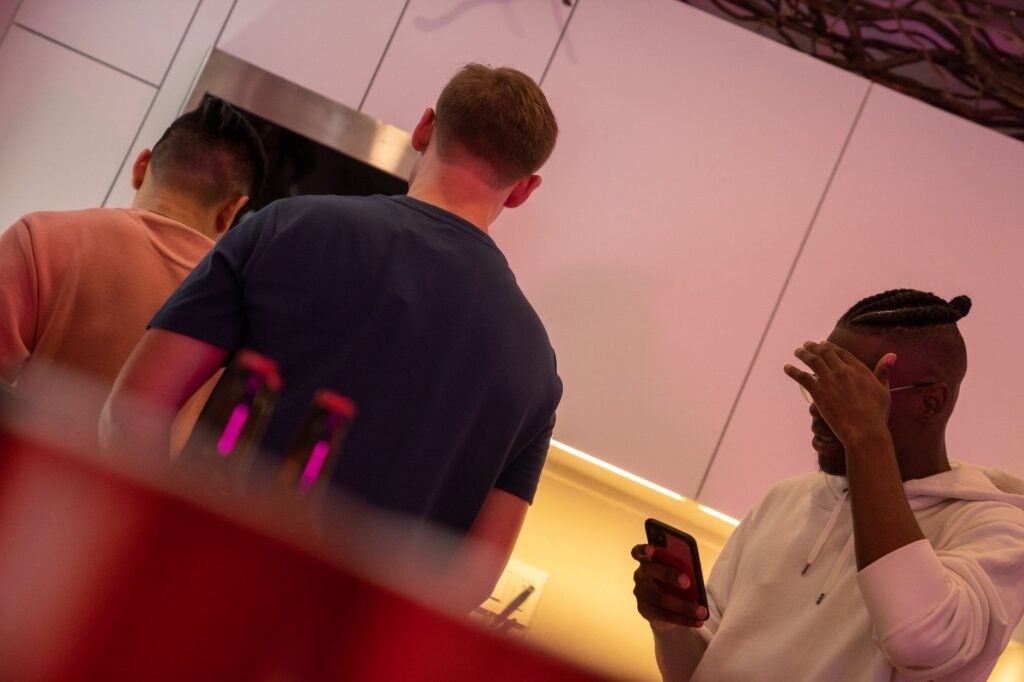
The core of any celebration centered around gratitude and friendship revolves inexorably around local produce and the act of community cooking. In these high-end rentals, kitchens are conceived as authentic domestic gastronomic laboratories. Featuring marble or steel central islands, high-capacity ovens, handmade ceramic tableware, and open pantries that invite experimentation, the culinary space encourages collective participation. The traditional figure of the isolated host laboring behind the scenes disappears; the kitchen opens directly to the living and dining areas, turning the preparation of seasonal stews or the baking of pumpkin tarts into a shared spectacle.
This gastronomic approach extends beyond the property’s walls. Current trends prioritize connection with local producers: neighborhood farmers’ markets, small independent wine estates, and artisanal bread ovens. Stocking the pantries prior to the group’s arrival becomes part of the preparatory ritual, selecting seasonal ingredients that reflect the agricultural and cultural character of the chosen region.
The Importance of Tableware and Mise en Scène
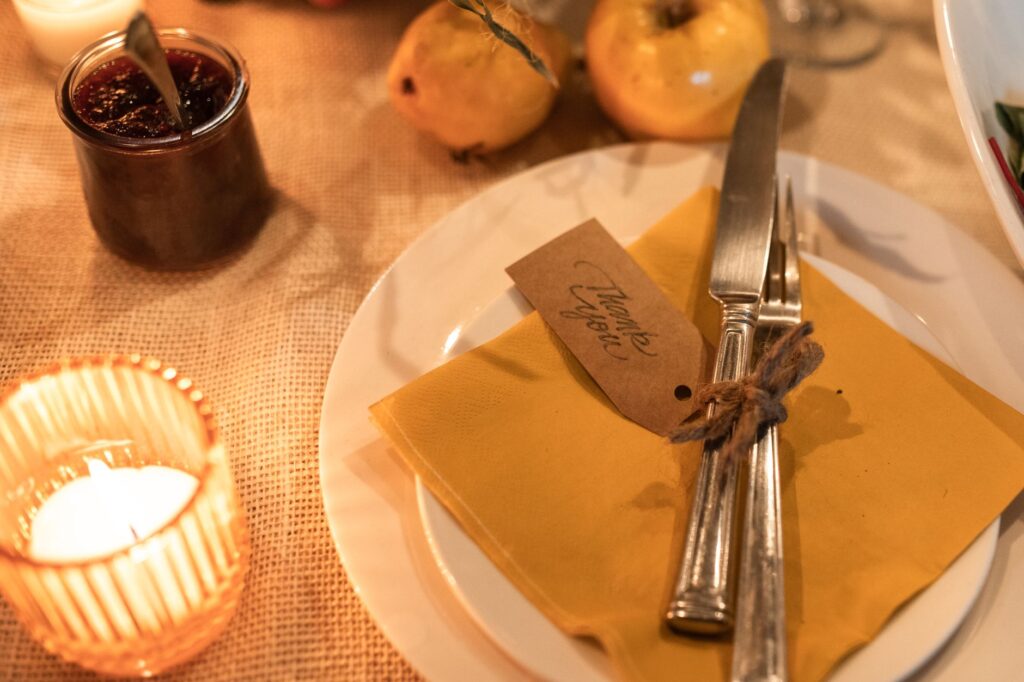
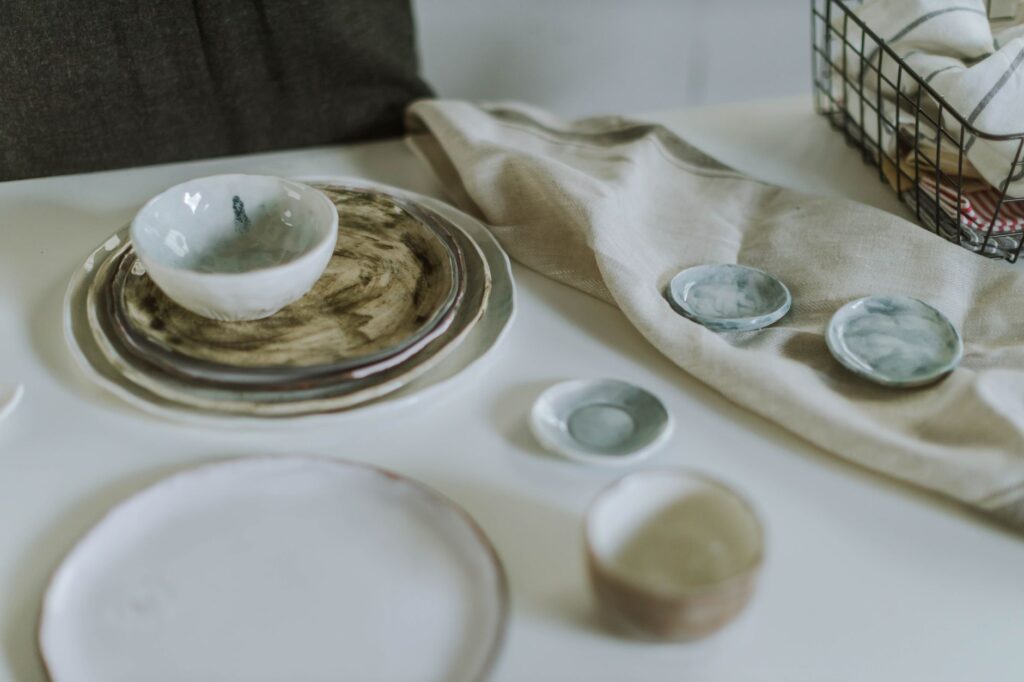
The aesthetics of the communal table play a fundamental role in creating a memorable atmosphere. Far from formal and rigid setups, the trend points toward organic, unstructured elegance. Washed linen tablecloths in earth tones, imperfect handmade ceramic tableware, mouth-blown glassware, and unscented beeswax candles compose a visual still life that invites calm and unhurried conversation. Lighting must always be subdued, supported by the warmth of flames and indirect illumination, avoiding aggressive overhead spotlights.
Landscape Integration: When the Exterior Completes the Interior
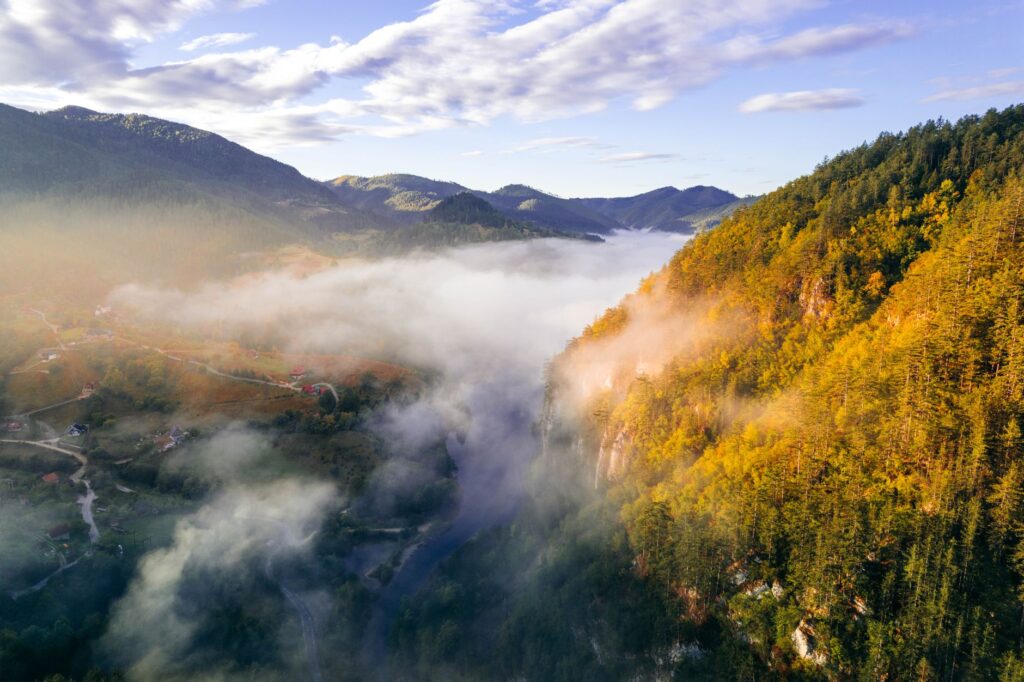
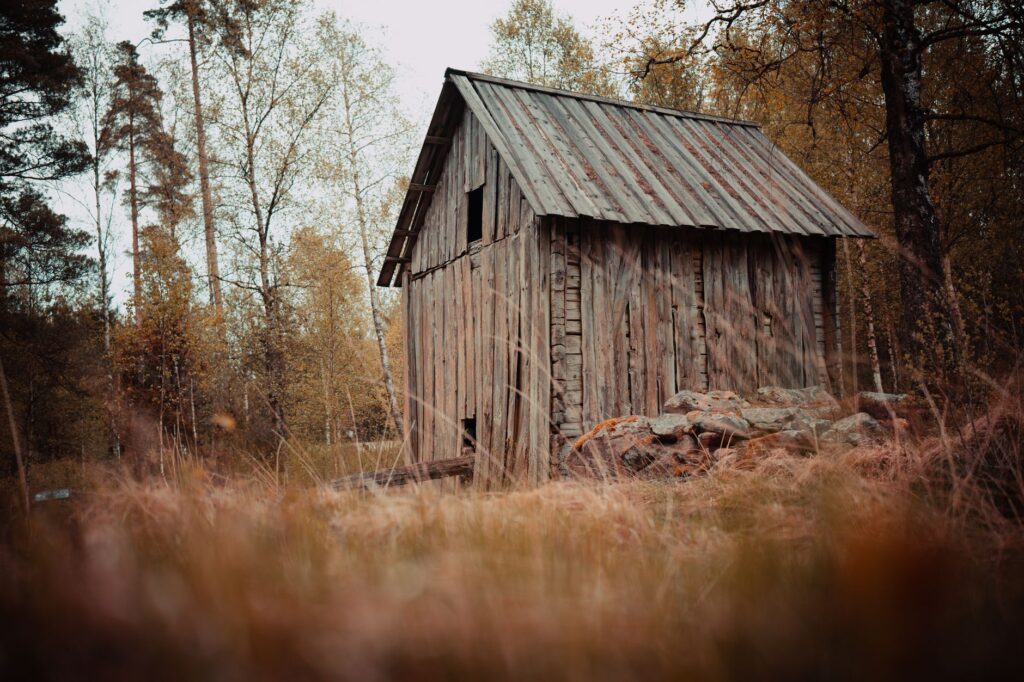
A successful group retreat depends heavily on the fluidity with which architecture merges with the natural environment. In autumn, surrounding forests, fallow fields, or distant hillside silhouettes act as a visual extension of the living rooms. Large operable windows allow the scent of damp earth, rustling leaves, and fresh breezes to become part of the indoor sensory experience.
The outdoor areas of these properties are designed to prolong activities beyond enclosed spaces. Paved patios with outdoor wood-fired ovens, circular fire pits for ending the night under wool blankets, and private trails winding into the vegetation provide the perfect counterpoint to hours spent around the table. Nature ceases to be a mere contemplative backdrop, becoming an active space for morning exploration and walks.
The Art of Digital Disconnection and Analog Conversation
In a hyperconnected era, the greatest extravagance a high-end rental can offer is the promise of genuine disconnection. Many of these rural farmhouses and retreats consciously commit to limited internet signals or the absence of television screens in common areas. This deliberate decision shifts the focus toward more human, analog entertainment dynamics: board games around the fireplace, cross-reading recommended books among attendees, listening to vinyl records on high-fidelity sound systems, and long conversations stretching into the small hours.
This digital pause not only reduces accumulated stress from professional environments but generates a space of vulnerability and active listening among friends who, in many cases, are subject to the rush of urban life. Time suddenly slows down, acquiring a denser, kinder texture.
Practical guide
How to get there: Most of these high-capacity properties are located in exclusive rural or natural settings, making the rental of spacious vehicles or passenger vans from the nearest airport or train station an essential logistical step.
When to book: For key dates such as autumn long weekends or seasonal gatherings, booking six to nine months in advance is strongly recommended due to high demand for accommodations sleeping over eight guests.
Culinary logistics: It is advisable to coordinate beforehand with property managers to arrange large-scale deliveries of local produce or hire private chefs for key evening meals.
Coexistence rules: As these are exclusive properties situated in quiet natural or residential environments, reviewing outdoor noise policies and respecting local wildlife and neighbors during nighttime hours is essential.
The Final Heartbeat of the Borrowed Home: Memory and Gratitude
When the weekend reaches its conclusion and suitcases are hastily zipped shut in the bedrooms, an incorporeal yet persistent sensation lingers in the atmosphere of the house. The ashes have cooled in the hearth, empty bottles rest neatly in the pantry, and wax drippings adorn the candelabras. Yet the physical space has fulfilled its most noble mission: serving as a temporary vessel for friendship and selfless affection.
The walls of a well-habited home keep the echo of the most honest conversations; when we close the door for the last time, we leave behind a fragment of our own shared history.
Choosing the right backdrop for a large gathering is not a superficial exercise in styling, but an act of care toward the people who matter. In the end, what transcends is not the perfection of interior design or the sophistication of appliances, but the warmth of collective memory built around a long table, where time, for a few days, seemed to stop completely.
Source: Condé Nast Traveler (Journalistic adaptation and editorial curation on hospitality trends and group rentals).