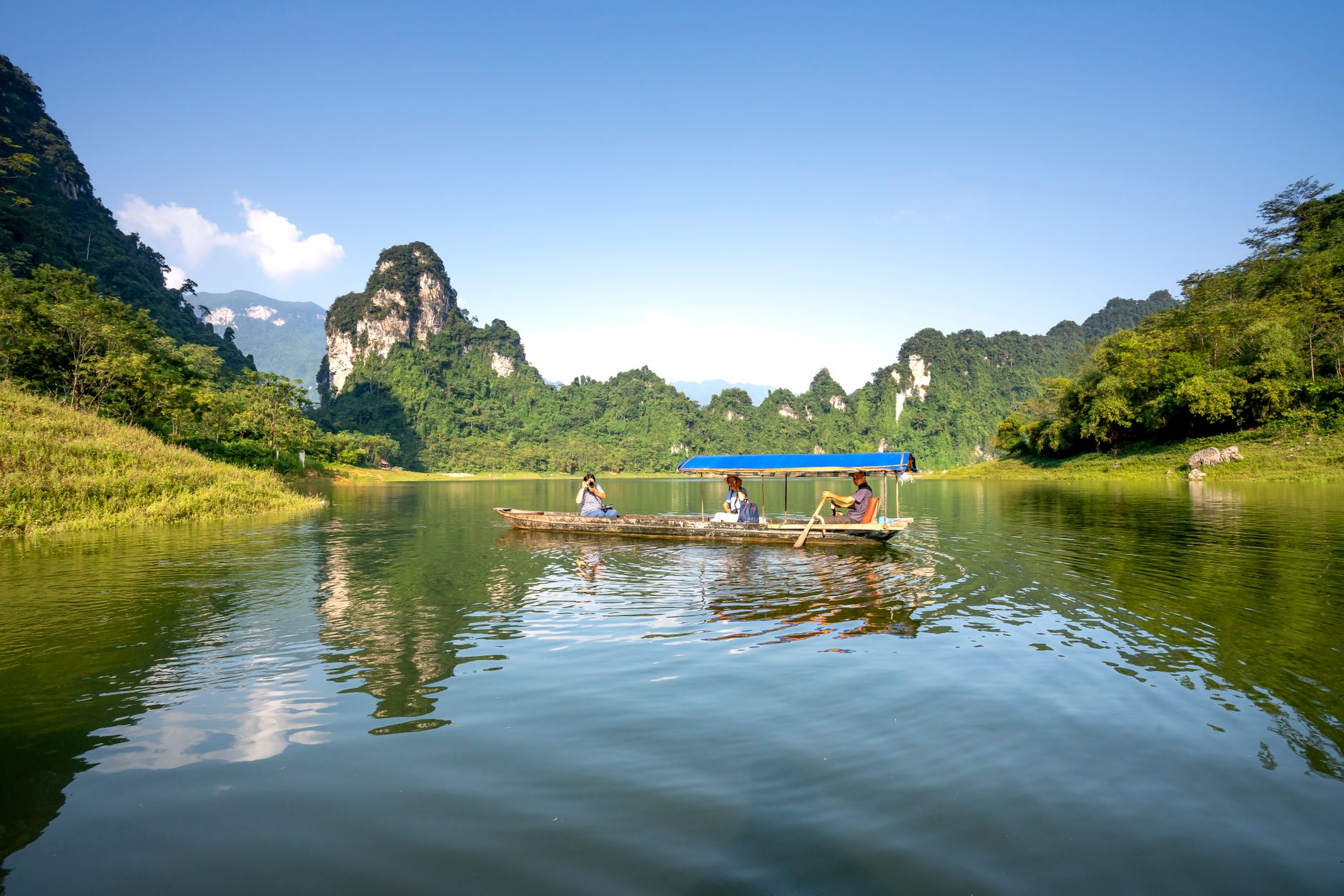

For decades, Southeast Asia’s landscape has been dominated by an unbridled race toward mass tourism, where pressure on natural resources and urban saturation threaten to erase the region’s cultural and ecological authenticity. Yet amidst this landscape of concrete and congested airports, the Lao People’s Democratic Republic has charted a radically different path. Recent reports from Asia News Network place Laos second in ASEAN for ecotourism—an accolade that transcends commercial statistics to become international validation of a development model rooted in community stewardship and the preservation of Indochina’s most vital carbon sinks.
This ascent is neither accidental nor the result of improvised marketing campaigns; rather, it stems from decades of quiet negotiation between government ministries, non-governmental organizations, and remote villages that understood industrial logging and intensive wildlife exploitation represented a dead end both economically and morally. Today, traversing Laos’ protected areas means stepping into a territory where the traveler is not a passive consumer, but a co-responsible actor in preserving fragile ecosystems such as the Khammouane limestone karst and the riparian forests of the Mekong River.
The Development Paradox: Growth Without Urban Suffocation
To understand the scale of the Lao ecotourism phenomenon, one must examine the country’s economic coordinates. Unlike hyper-connected neighbors such as Thailand or Vietnam, Laos has historically maintained a predominantly agrarian economy and moderate urbanization rates. This apparent structural disadvantage has paradoxically transformed into its greatest strategic asset. The absence of heavy industrial metropolises across vast interior regions has preserved continuous biological corridors inhabited by critically endangered species, from the crested gibbon to the elusive saola, discovered in the late 20th century.

Data compiled by environmental authorities indicate that the smokeless sector already constitutes a fundamental lever for economic diversification, surpassing traditional raw material extraction schemes. Nevertheless, the primary challenge lies in avoiding the trap of overcrowding. Public policies implemented in recent years have prioritized visitor caps and decentralized management, delegating to ethnic community elder councils the authority to decide how many outsiders may stay in their ancestral lands each week.
Institutional Architecture and Community Governance
The core of ecotourism success in Laos lies within the framework of National Protected Areas (NPAs). Formally established in the 1990s, these areas cover roughly one-fifth of the country’s total surface area. What makes the Lao system innovative is not the paper declaration of parks, but the legal integration of local populations into their daily governance.
- Territorial co-management: Local committees participate in defining permitted trails and seasonal closures.
- Benefit sharing: Revenues generated from entrance permits are reinvested in community sanitation and educational infrastructure.
- Technical training: Former poachers are hired as rangers and specialized guides due to their encyclopedic knowledge of the terrain.
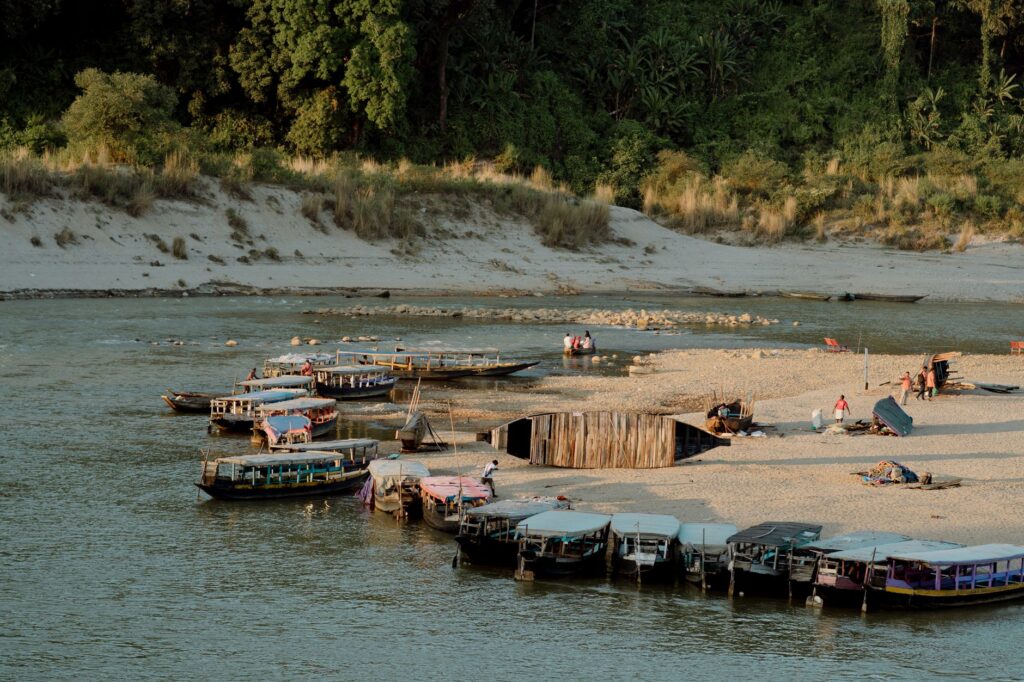
The Nam Ou River and River Basins as Living Arteries
No analysis of ecotourism in Laos would be complete without examining the symbiotic relationship between communities and their hydrological systems. The Mekong River and its main tributaries, such as the Nam Ou and Nam Khan, act as backbones for biodiversity and daily life. Sustainable tourism initiatives in these basins have avoided invasive hotel complexes, opting instead for low-impact lodges and river transport via traditional wooden boats powered with energy efficiency criteria.
This approach minimizes the carbon footprint and allows travelers to understand the hydrological cycles sustaining artisanal fisheries and riparian agriculture. Riverine communities have established freshwater fish conservation zones where fishing is strictly prohibited—a traditional measure adapted to modern scientific standards that has enabled entire fish populations to recover within a few years.
True sustainability is not measured by how many tourists we manage to attract to a natural sanctuary, but by how much dignity and sovereignty we preserve for those who call that sanctuary home.
Conservation experts point out that this approach contrasts sharply with the showcase ecotourism practiced in other latitudes, where nature is disguised as a theme park. In Laos, the experience is raw, unpredictable, and deeply respectful of local flora and fauna biological timelines.
The Invisible Economy of Tropical Forests
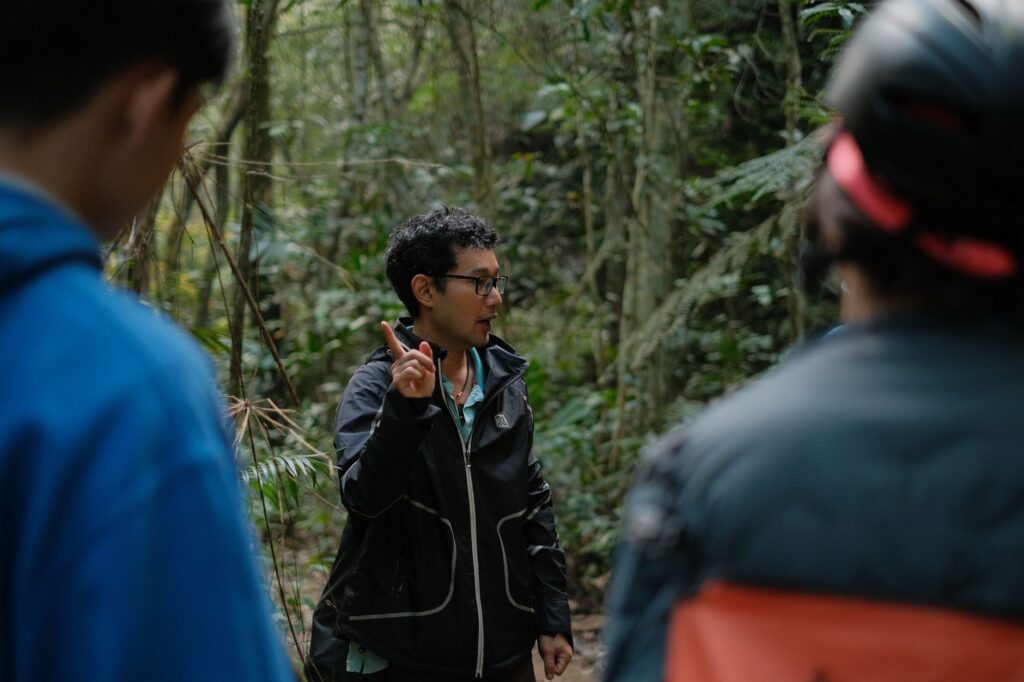
Beyond wildlife watching, ecotourism in Laos promotes the sustainable use of non-timber forest products. During guided hikes through the forests of Luang Namtha or Phongsaly, visitors learn about medicinal plants, resin harvesting techniques, and the ancestral use of plant fibers. This model demonstrates that a standing forest generates more sustained wealth for local families than a hectare converted into commercial rubber or synthetic plantations.
- Food sovereignty: Food consumed in lodges comes from local organic gardens managed by women from the Khmu and Hmong ethnic groups.
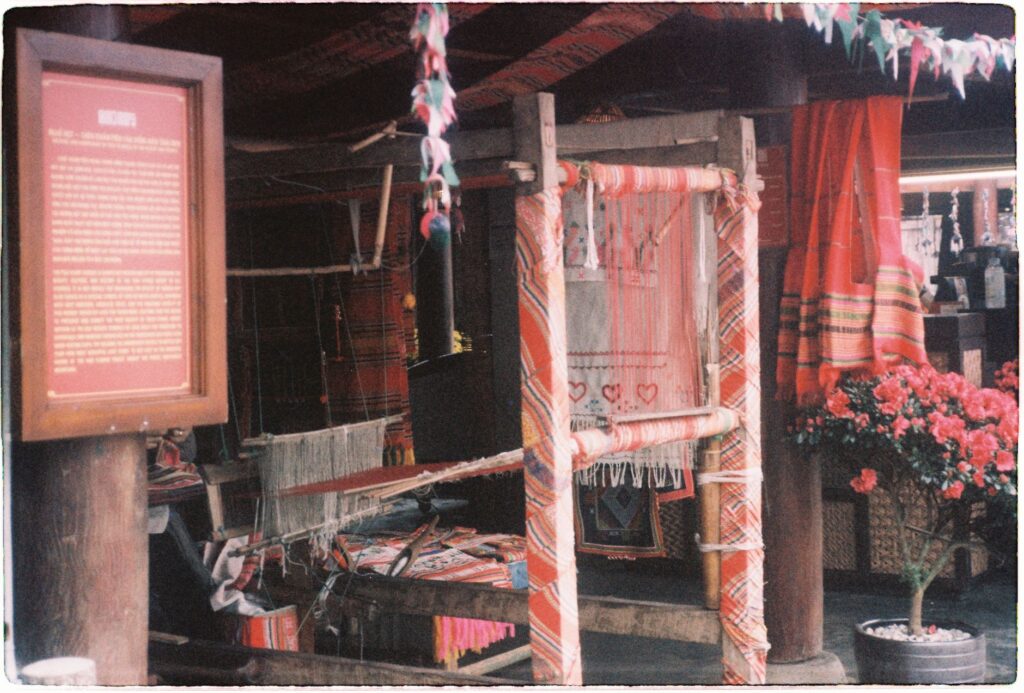
- Certified craftsmanship: Textiles and wooden utensils sold to travelers meet fair trade criteria and use natural dyes.
- Participatory monitoring: Tourists frequently collaborate with local biologists by recording bird and mammal sightings via citizen science mobile apps.
Structural Challenges and the Threat of Climate Change
Despite documented achievements, the sector faces significant vulnerabilities that test the resilience of the Lao model. Climate change manifests in the region through increasingly erratic rainfall patterns, prolonged dry seasons, and flash floods that damage fragile trail infrastructure and threaten rural food security.
Likewise, geopolitical and economic pressures from large cross-border hydropower projects on the Mekong mainstem alter flows and fragment aquatic habitats, complicating marine and river conservation efforts. Local organizations demand greater transparency in environmental impact assessments and closer regional cooperation to protect the ecological corridors Laos shares with its neighbors.

Tourism and Cultural Preservation Against Homogenization
Another critical challenge is preserving cultural diversity against the risk of folkloric commodification. With over forty officially recognized ethnic groups, Laos’ anthropological wealth is immense. However, contact with international tourism can accelerate the loss of authentic traditions if not managed with ethical rigor.
Current guidelines from the Ministry of Information, Culture and Tourism stipulate that any visit to traditional villages must follow a strict code of conduct prohibiting intrusive commercialization of private life and encouraging horizontal cultural exchange. Direct economic benefits allow local youth to value their linguistic and craft heritage rather than migrating to Thai industrial urban centers for precarious employment.
Practical guide
Planning an ecotourism-focused trip to Laos requires rigorous preparation and deep respect for local regulations aimed at minimizing ecological footprints.
- When to travel: The dry season, spanning from November to April, offers the best conditions for trekking and river navigation, though transition months guarantee greener landscapes and fewer crowds.
- Access and transport: Main entry is through Wattay International Airport in Vientiane or via the Laos-China high-speed railway, connecting to strategic points like Luang Prabang and Muang Xay.
- Permits and regulations: Several protected areas require hiring certified local guides and paying conservation fees directly at community offices.
- Recommended gear: Sturdy hiking boots, lightweight quick-dry clothing, reusable water purification systems to avoid single-use plastics, and biodegradable repellents are strongly advised.
The Intimate Pulse of the Lao Land
At dusk, when mist descends over the karst valleys of Vang Vieng and the sun’s reflection turns the calm waters of the Nam Song copper, the true meaning of Lao ecotourism reveals its full human depth. It is not merely a successful economic strategy or a spot in international ASEAN rankings; it is, above all, a silent pact between humanity and its environment. In every village that welcomes the traveler with a steaming bowl of rice and a patient smile, there lies the conviction that progress does not need to be measured by the destruction of forests or the forgetting of traditions. Laos advances firmly toward a horizon where nature conservation and community dignity are the only valid coordinates for the future.
Source in EN: Asia News Network (Laos ranks second in ASEAN for ecotourism).