
Introduction to the Great Rift Valley and Its Geography of Extremes
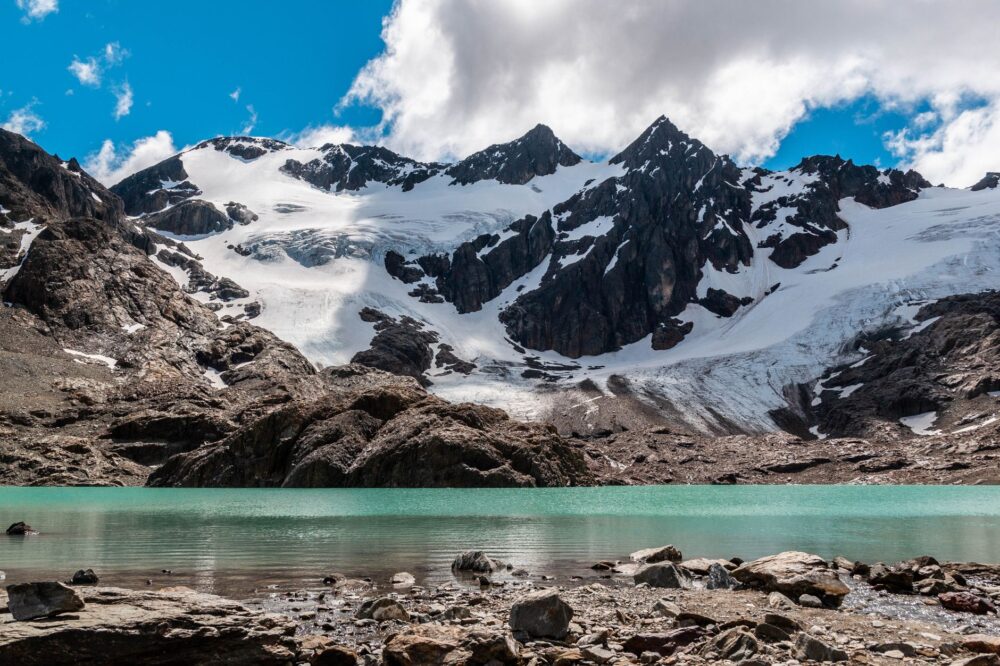
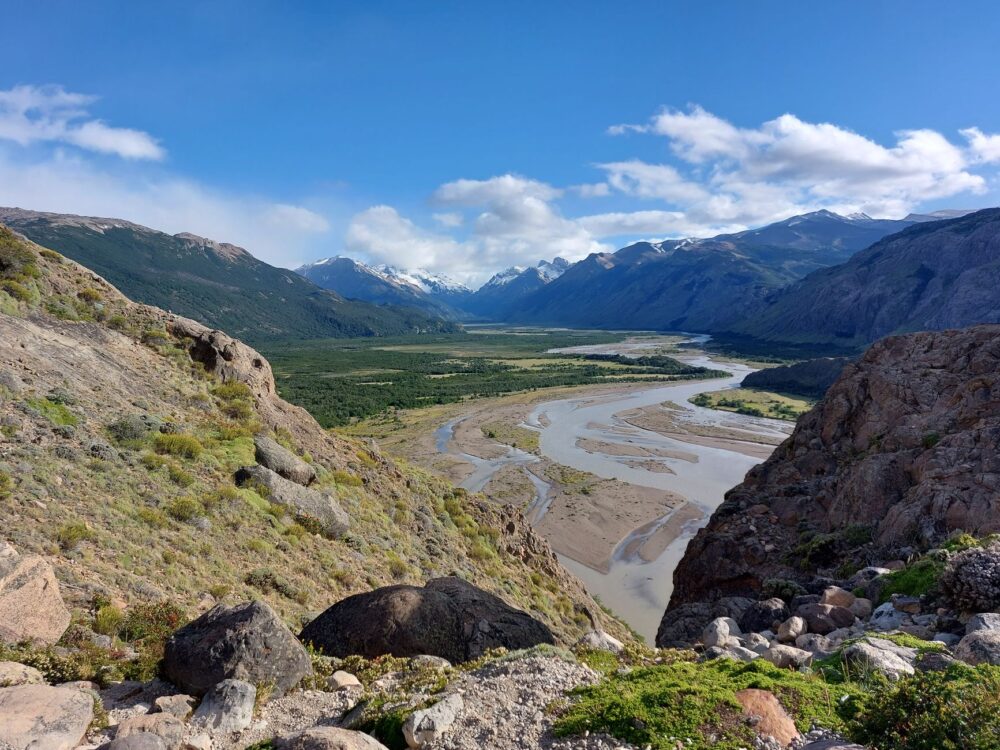
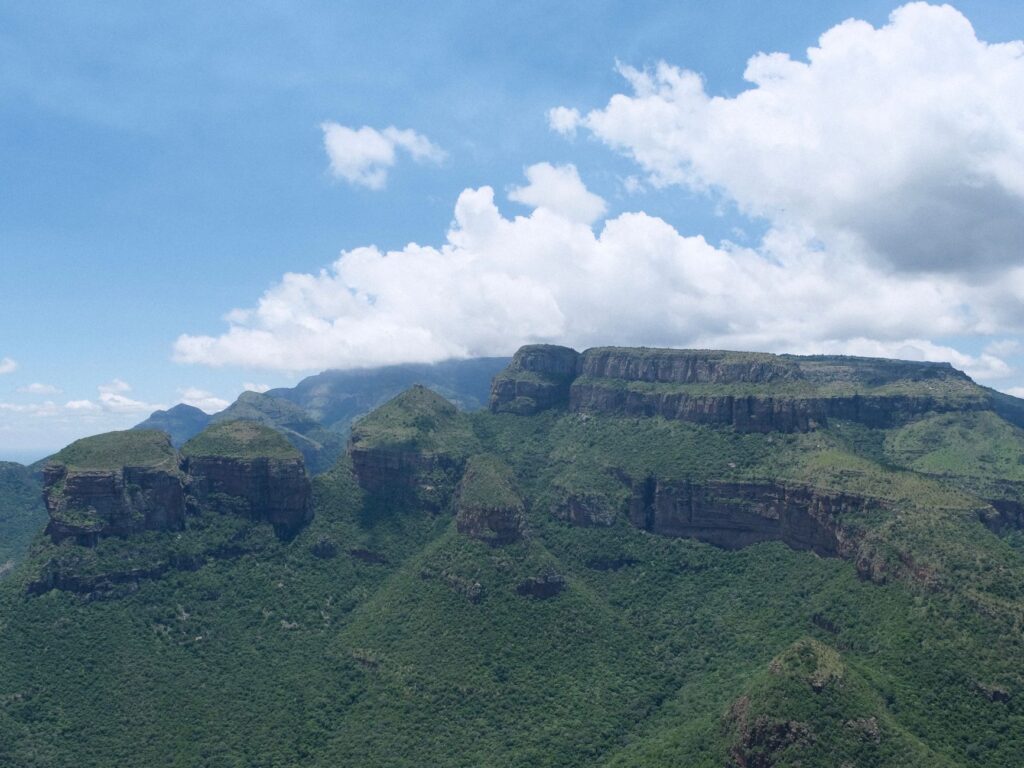
The territory of Ethiopia rises over one of the most imposing geological fractures on the planet: the Great Rift Valley. This terrestrial scar, dividing the country from northeast to southwest, is not merely a tectonic feature of scientific interest, but a formidable barrier that has determined for centuries the routes of commerce, migration, and human survival. In this scenario of vertical basalt slopes, canyons carved by torrential rivers, and plateaus exceeding three thousand meters of altitude, the movement of people and goods does not conform to the conventional logic of modern infrastructure, but rather to a delicate balance between high-mountain engineering and community resilience.
Connectivity in the Ethiopian highlands is a daily challenge against gravity and seasonal erosion. The torrential rains of the monsoon periods transform dirt tracks into impassable quagmires, completely isolating entire villages for weeks whose sole link to the outside world depends on the expertise of local transporters and an intermodal network as precarious as it is vital. Understanding this transport system requires delving into gorges where Russian trucks from the seventies coexist with modern paved routes financed by international cooperation, weaving a network of economic arteries pumping life into the most remote markets of East Africa.
The Great Tectonic Scar and the Challenge of Altitude
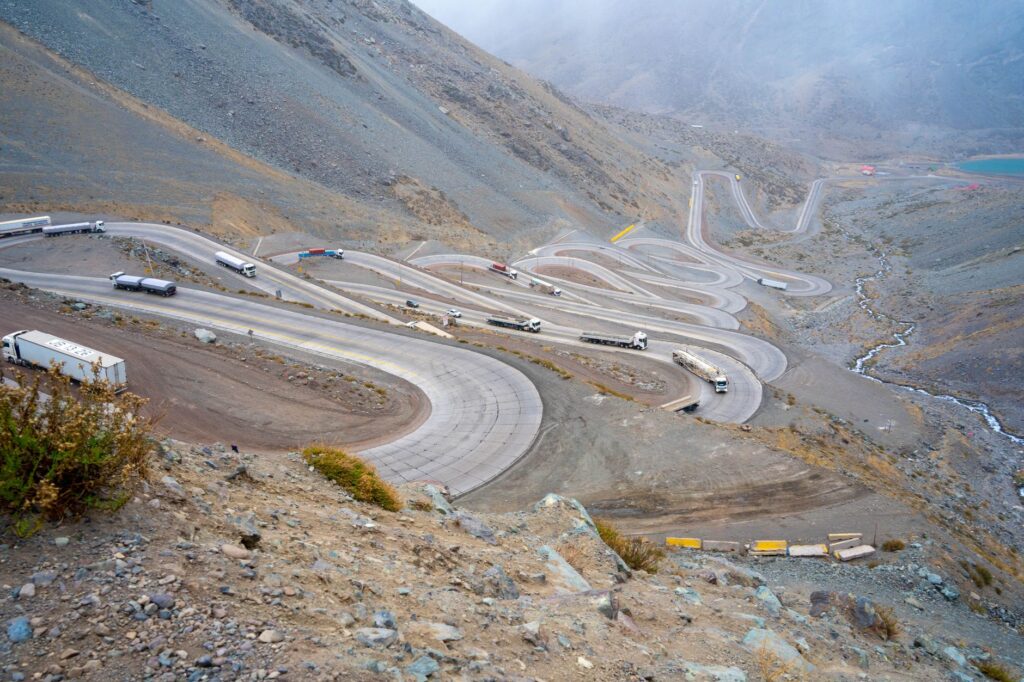
Ethiopian topography is characterized by radical asymmetry. The floor of the valley, arid and of extreme temperatures, contrasts sharply with the cold, misty peaks of the highlands. To overcome this elevation change, communication routes must trace tight curves along the edge of precipices hundreds of meters deep. The construction and maintenance of these roads represent a titanic civil engineering effort, constantly subjected to landslides and minor seismic activity associated with the region’s latent volcanic activity.
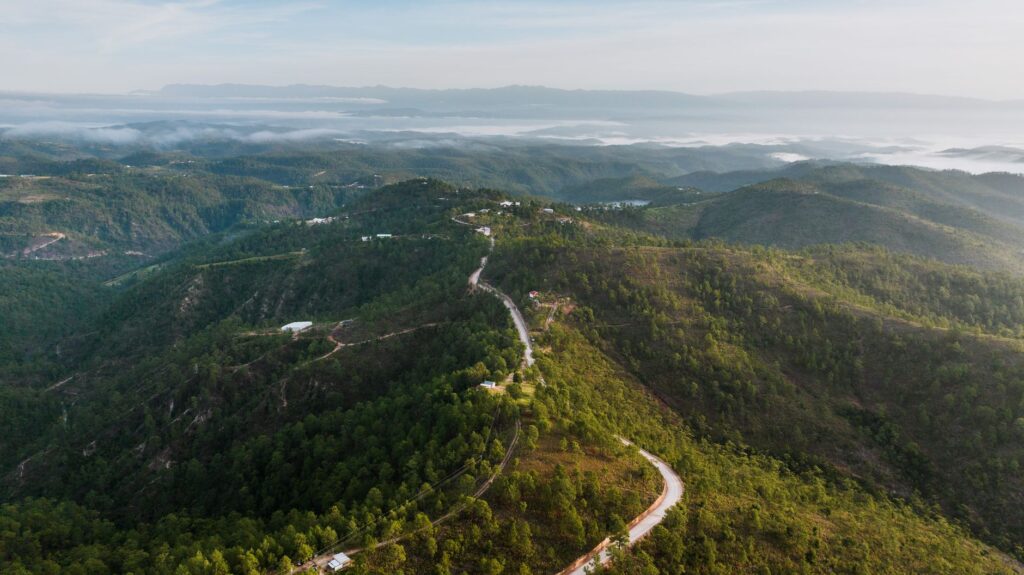
For decades, the transport of essential goods to the interior depended exclusively on mule and camel caravans scaling bridle paths. Today, although asphalt has gained ground on the main axes connecting Addis Ababa with key cities like Dessie or Mekelle, access to interior valleys still relies on packed dirt roads. These journeys test the suspension and endurance of any vehicle, turning each commercial trip into an adventure where mechanical foresight and expert knowledge of the terrain are matters of survival.
Highland Fleets: The Vital Role of Heavy Trucks
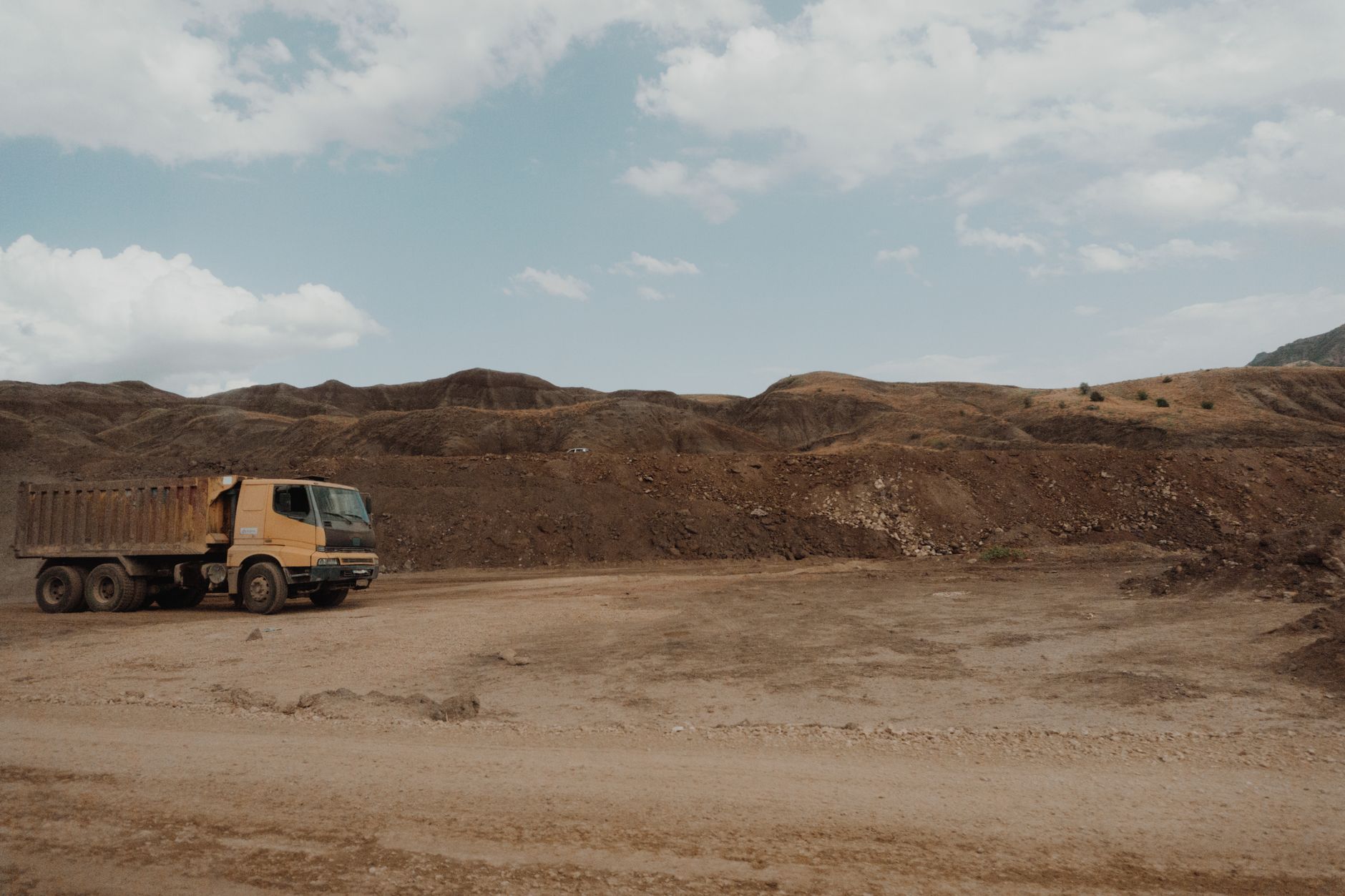
If there is one mechanical element defining the landscape of the Ethiopian escarpments, it is the heavy cargo truck. Robust vehicles, many with decades of continuous service, slowly ascend steep slopes loaded with sacks of coffee, grain, fuel, and construction materials. These colossi of asphalt and gravel operate at the limit of their thermodynamic capacity, facing power loss derived from low atmospheric pressure at over three thousand meters of altitude.
The drivers of these trucks form a respected brotherhood throughout the country. They are true mountain navigators who know every dangerous curve, every unstable rock, and every point where fog reduces visibility to zero within minutes. Stops in small mountain settlements serve not only to cool overheated engines, but also as commercial and informational exchange points where the condition of routes and the feasibility of continuing the journey in the face of sudden storms are decided.
Terrestrial Cabotage Transport and Escarpment Markets
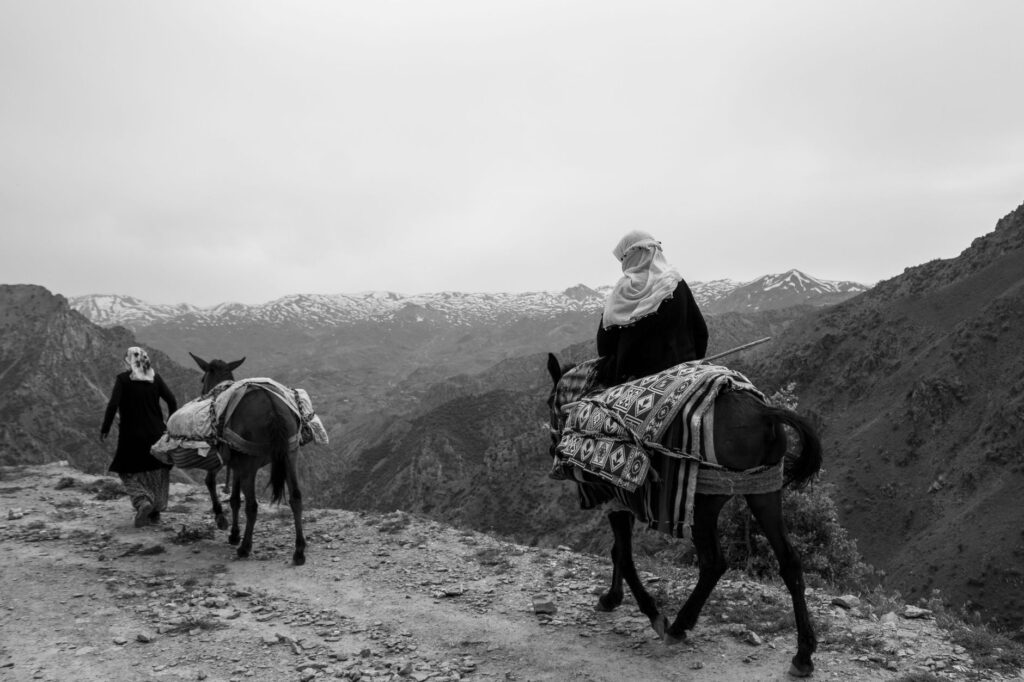
The economy of the Ethiopian highlands revolves around weekly markets held at strategic points of the plateau. Peasants and herders converge on these enclaves, traveling on foot or with pack animals along paths descending from the peaks. Intermodal transport here manifests in its purest form: goods arriving in heavy-duty trucks from the capital are transshipped to light four-wheel-drive vehicles, and from these in turn to local transporters to reach the most isolated villages hanging from the abysses.
This chain distribution system is highly vulnerable to any disruption in the main axes. When a bridge collapses due to seasonal flooding or a truck blocks the only available path in a narrow gorge, the supply of salt, sugar, and medicines immediately halts in dozens of communities. The fragility of this logistics network underscores the dependence of local inhabitants on infrastructure requiring constant repairs and permanent monitoring by road authorities.
Bush Aviation and Gravel Runways in the Abysses
When land roads are completely cut off by landslides or seasonal floods, the only viable communication route with the outside world shifts to the sky. Small fixed-wing aircraft and utility helicopters operate on improvised airstrips atop elevated plateaus or small openings at the valley floors. These air connections, managed by both government services and humanitarian organizations, constitute the sanitary and emergency umbilical cord for inhabitants of the most inaccessible areas.
Landing on these gravel and dirt runways requires extraordinary skill from pilots, who must deal with violent crosswinds generated by valley thermal currents and the unpredictable weather of the highlands. For local communities, the weekly arrival of the bush plane represents not only the delivery of urgent medical supplies, but also the sole regular postal and commercial link with the rest of the country, mitigating the geographical isolation imposed by the relentless topography of the Rift.
The mountain does not negotiate its rules; it imposes the pace of the journey, the slowness of the load, and the deep respect of those who inhabit it.
Infrastructure in Transformation: From Trail to Paved Road
In recent years, the Ethiopian government has promoted an ambitious road infrastructure investment plan aimed at integrating peripheral regions into the national economy. The construction of new paved corridors and complex viaducts bridging the Rift abysses seeks to reduce transport times and lower logistical costs historically penalizing the economic development of the northern and eastern highlands.
However, this accelerated modernization faces formidable challenges. The environmental impact of major engineering works in high-mountain areas is considerable, frequently causing the destabilization of entire slopes and accelerating agricultural soil erosion processes. Likewise, the transition from a transport economy based on animal traction and small cabotaging toward a network dominated by heavy road transport generates profound social transformations in rural communities, which must rapidly adapt to new connectivity or risk marginalization from contemporary commercial flows.

Practical guide
How to get there: The main access to Ethiopia is through Bole International Airport in Addis Ababa, the main hub of Ethiopian Airlines, connected to major world capitals.
Internal transport: To tour the Rift escarpments and highlands, hiring 4×4 off-road vehicles with local drivers experienced in mountain routes is essential. Self-drive car rental is discouraged due to terrain complexity.
Best time to travel: The dry season, spanning from October to mayo, offers the most stable conditions for driving on secondary roads and dirt tracks.
Travel requirements: A passport valid for at least six months and an entry visa are required, which can be processed electronically or upon arrival at Bole International Airport.
Health and safety: Presenting a yellow fever vaccination certificate is mandatory. Extreme caution is recommended on high-mountain routes, along with travel insurance covering emergency medical evacuation.
The Silence of the Peaks and the Memory of the Roads
At dusk, when fog begins to rise from the valley floor and envelops the sharp profiles of the basalt cliffs, the roads of the Ethiopian highlands recover an ancestral stillness. Trucks halt their journey at safe road shoulders and herders guide their animals toward stone refuges, closing a daily cycle of collective effort against a geography that tolerates no errors. In this territory where nature imposes its millenary law, the journey ceases to be mere physical displacement to become a testimony of human resistance, a constant reminder that the connection between peoples is, above all, a daily victory over the abyss.