
Introduction to the New Fluvial Paradigm in the Heart of Europe
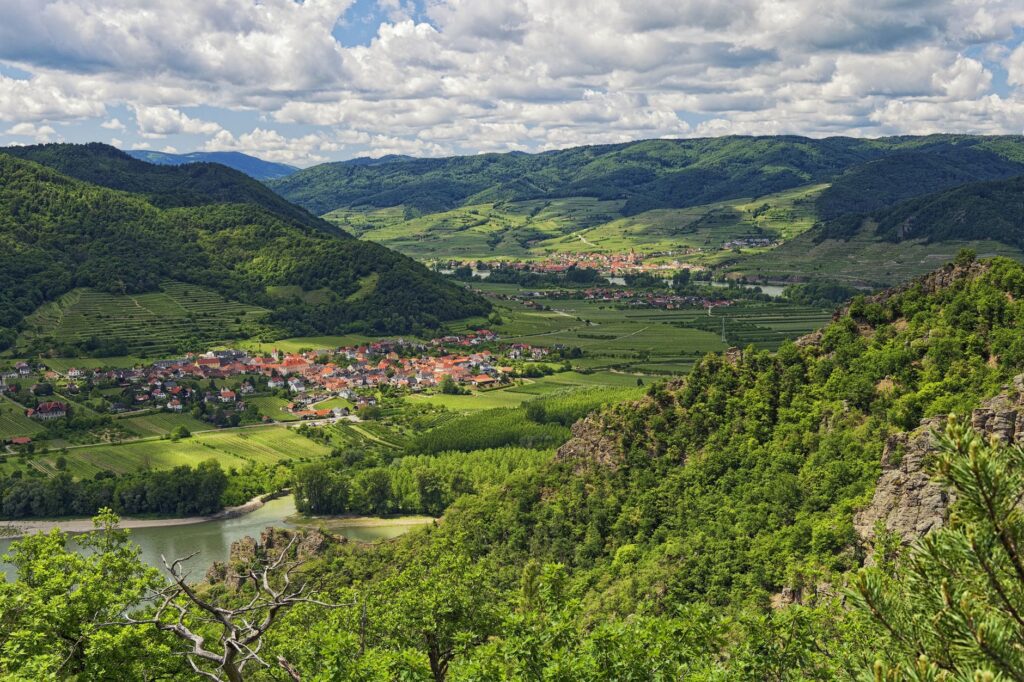
The meandering course of the Danube River through the Wachau Valley in Lower Austria has served for centuries as the commercial and cultural artery connecting the east and west of the continent. However, the traditional model of tourism transport, dominated by heavy diesel-powered river cruise ships and congested road traffic on narrow riverside roads, has reached an unsustainable turning point. Faced with riverbank erosion and rising greenhouse gas emissions, local communities, transport operators, and regional authorities have driven a radical redesign of mobility. This transformation does not merely seek to reduce the carbon footprint, but to redefine the relationship between the traveler and the UNESCO-protected landscape through an integrated network of clean transport.
The transition toward a low-emission system in this river stretch is not limited to replacing naval fleets. It involves a complete reengineering of the travel experience, where seamless transfers between sustainable transport modes—from hybrid catamarans to shared bicycles and electrified regional trains—become the backbone of the territory. Analyzing this process provides insight into the logistical, economic, and ecological challenges facing European river destinations when they choose to prioritize environmental preservation over mass tourism.
Fleet Decarbonization: From Diesel Engines to Hydrogen Hybrid Propulsion
For decades, passenger transport on the middle Danube depended almost exclusively on vessels powered by heavy internal combustion engines. These ships, while efficient in terms of capacity, generated acoustic pollution and atmospheric contamination incompatible with the region’s climate goals. The turning point began with the gradual introduction of the first hybrid navigation prototypes and hydrogen fuel cells, adapted specifically to the complex currents and seasonal variations of the Danubian flow.
The new catamarans and river ferries operating between the towns of Melk and Krems integrate high-capacity battery systems combined with auxiliary electric motors fueled by green hydrogen generated locally from solar and wind energy. This technology allows vessels to navigate entire stretches in absolute silence and with zero direct carbon emissions. Furthermore, the hydrodynamic design of the hulls minimizes wake formation and pressure waves that traditionally accelerated riverbank erosion and affected protected aquatic wildlife habitats.
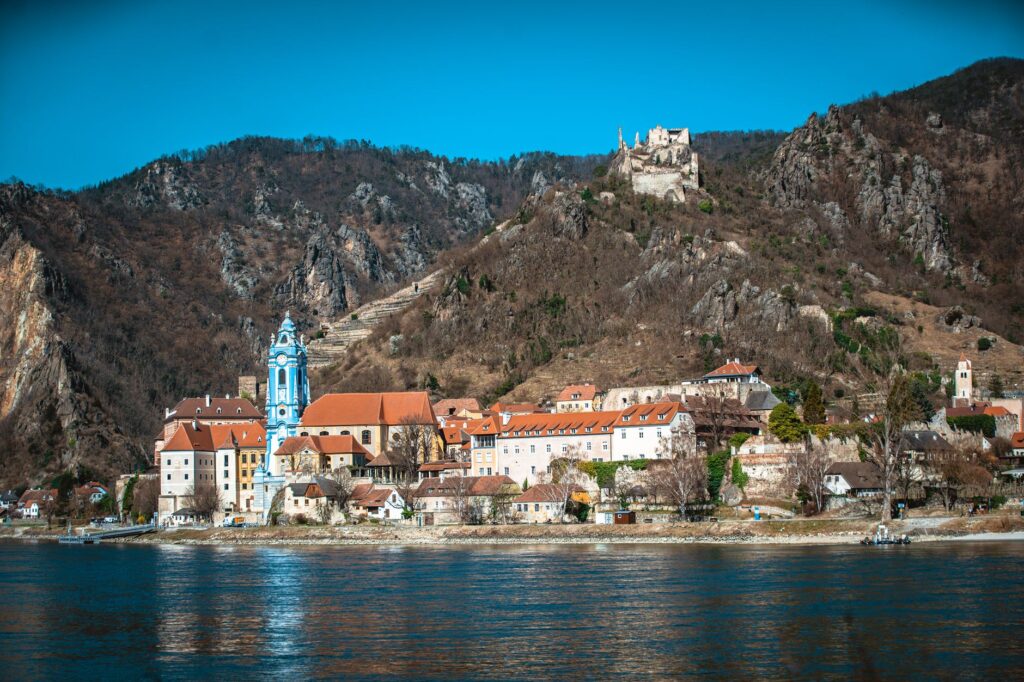
True innovation in river transport lies not only in changing the fuel, but in restoring the river’s capacity to be traversed without disrupting its biological rhythm.
Implementing this renewed fleet has required a parallel transformation in port infrastructure. Traditional docks have been equipped with high-power fast-charging stations and safe hydrogen supply points, turning each stop into a swift and efficient operation. This technical endeavor demonstrates that sustainable fluvial transport is technically viable, though it requires significant initial investments and close cooperation between the public and private sectors.
The Soft Mobility Network: Connecting Riverbanks via Cycle Paths and Regional Trains
The transport strategy in the Wachau goes far beyond the water. Alongside the modernization of boats, regional authorities have consolidated an intermodal network prioritizing soft mobility, integrating the famous Danube cycle path with the local railway service known as the lower basin line. This multimodal approach actively discourages the use of private automobiles, a chronic problem during summer weekends and the grape harvest season in local vineyards.
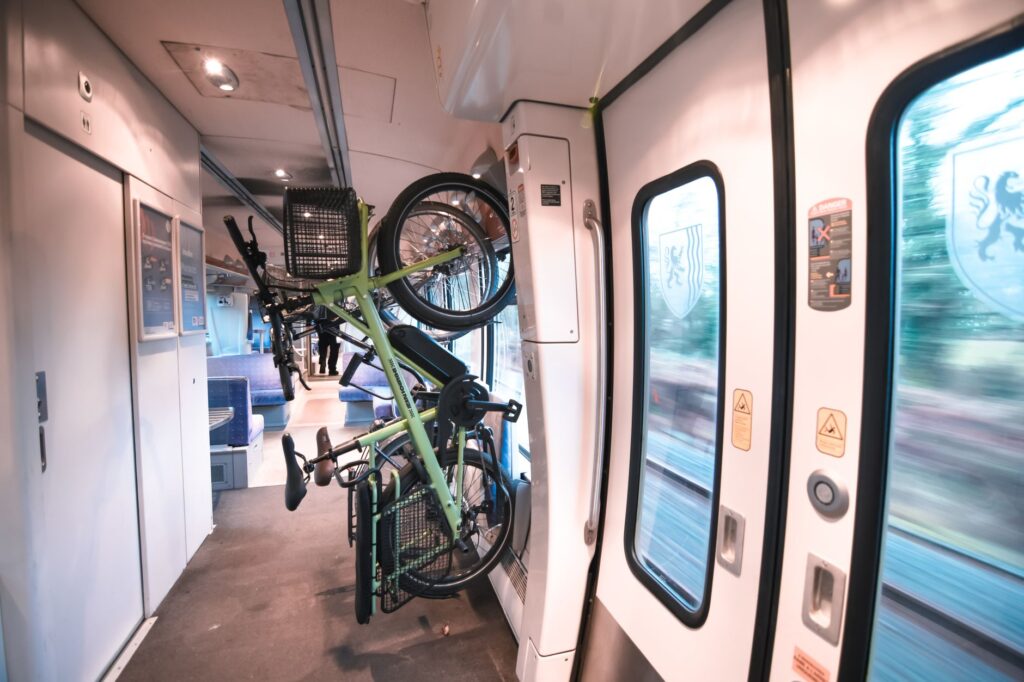
The system allows travelers to board regional trains with their bicycles—trains that have increased frequencies and adapted their carriages for cycling transport—and subsequently use river ferries to cross from one bank to the other without relying on congested bridges. This seamless connectivity is supported by a unified digital platform for information and ticket sales, developed by the region’s municipal association, facilitating door-to-door zero-emission route planning.
- Expansion of segregated cycling corridors to prevent conflicts between cyclists and agricultural vehicles.
- Total tariff integration between trains, electric shuttle buses, and river ferries.
- Creation of peripheral park-and-ride facilities at valley access points, connected with zero-emission electric minibuses.
- Temporary restriction of heavy traffic on riverside roads during peak tourist months.
Socioeconomic Impact on Riparian Communities and Local Producers
Any structural change in a protected territory’s transport systems generates inevitable socioeconomic readjustments. In the case of the Wachau Valley, the transition toward a low-emission model has redefined the role of small municipalities acting as mandatory stopovers. Towns like Dürnstein and Spitz have seen how the reduction of heavy road traffic substantially improves residents’ quality of life and the experience of visitors seeking tranquility and cultural authenticity.
Local wine and fruit producers, pillars of the region’s agrarian economy, have also benefited from this logistical transformation. The consolidation of low-emission transport routes for agricultural products has reduced the carbon footprint of famous local wineries when marketing their goods to regional distribution centers in Melk and Vienna. Likewise, travelers arriving via sustainable means tend to stay longer and consume farm-to-table products, stimulating the valley’s circular economy.
Logistical and Operational Challenges: Currents, Seasonality, and Load Capacity
Despite technological and planning advances, operating a clean energy-based river and land transport system in a geographical environment as dynamic as the Danube presents considerable challenges. One of the main obstacles is the extreme seasonality of the river’s flow, heavily conditioned by alpine snowmelt in spring and summer drought periods that have become more frequent due to climate change.
Hybrid and hydrogen vessels must be constantly calibrated to operate with fluctuating water levels that limit draft in certain critical stretches. Similarly, the load capacity of these vessels is lower than that of traditional large-tonnage diesel cruise ships, forcing operators to manage tourist demand with millimetric precision to avoid overcrowding at docks without compromising the economic viability of the routes.
Managing Capacity and Seasonal Balance
To mitigate peak congestion, authorities have implemented a dynamic capacity management system that incentivizes off-peak public transport usage through tiered pricing. This measure not only optimizes the energy performance of boats and trains but also distributes visitor flows more equitably throughout the day, protecting fragile riparian ecosystems from concentrated human pressure.
- Real-time monitoring of river draft using bathymetric sensors connected to the fleet.
- Automatic adaptation of navigation schedules according to weather and flow forecasts.
- Awareness campaigns targeting international tour operators to diversify visiting seasons.
- Preventive maintenance of hydrogen refueling infrastructure during weeks of lower winter activity.
Cross-Border Cooperation and European Green Navigation Standards
River mobility on the Danube is not an exclusive matter for Austria; as an international river crossing multiple European countries, any regulation or technological advancement must be harmonized within the framework of the International Commission for the Protection of the Danube River and European Union directives on sustainable transport. The model implemented in the Wachau currently serves as a test bench for other European river stretches seeking to comply with Green Deal objectives.
This cross-border cooperation facilitates the transfer of technical knowledge, the standardization of clean fuels like hydrogen, and the creation of green river transport corridors extending beyond Austrian borders. The standardization of safety regulations for storing hydrogen aboard passenger vessels has been one of the greatest regulatory achievements driven from this alpine-fluvial region.
Practical guide
Getting there: The main starting point for exploring the Wachau Valley sustainably is the town of Melk, directly accessible via regional trains from Vienna in approximately one hour. Private vehicle use is discouraged.
When to visit: The optimal months are May to June and September to October. During these periods, the weather is favorable for combining cycling and boating, avoiding extreme summer temperatures.
Getting around: Use the integrated regional mobility card combining unlimited access to hybrid ferries, local electric buses, and bicycle transport facilities on lower basin trains.
Where to stay: Opt for accommodations certified with the Austrian Ecolabel or other sustainability badges in towns like Spitz, Dürnstein, or Krems an der Donau.
Environmental respect tips: Strictly respect marked trails in vineyard zones and protected natural areas, do not litter the river, and support the consumption of local agricultural products in markets.
The Reflection of Water and the Future of Silent Travel
At dusk, when golden light reflects off the terraced slopes where Grüner Veltliner grapes ripen, the Danube recovers a calm that once seemed forgotten. The silent passage of a hydrogen-powered catamaran cutting through the current, leaving nothing more than a light wake of foam, synthesizes the ambition of a territory that has learned to reconcile its history as a communication route with the imperative urgency of environmental conservation. The experience of traversing this river landscape without the roar of traditional engines demonstrates that the mobility of the future does not need to renounce beauty or comfort, but rather learn to listen to the measured pace of nature.