
For decades, Key West has been cast in the mold of the ultimate bohemian outpost—a frontier territory where the American map dissolves into the Gulf of Mexico and sunsets are met with collective applause. Yet, behind this facade of romantic piracy and endless rum-soaked nights lies one of the most sophisticated hospitality scenes in North America. The true character of Cayo Hueso is not found in the clamor of its bars, but in the cool shadow of its nineteenth-century porches, in the private botanical gardens hiding saltwater pools, and on the small private islands floating just minutes from its shore, offering absolute isolation under the whisper of palm fronds.
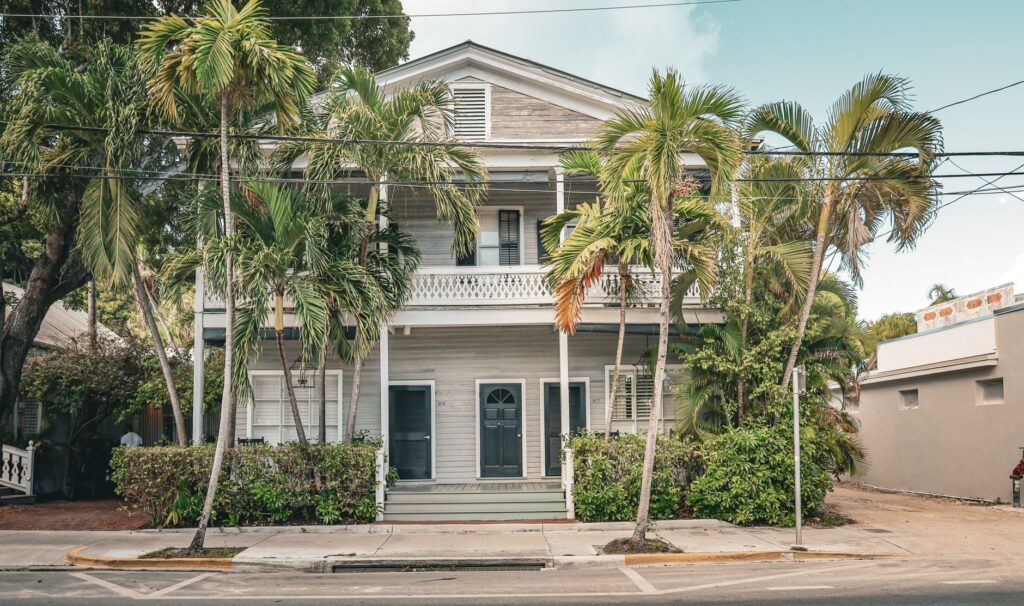
The island’s hotel evolution has carefully respected both human scale and historic preservation. Here, major international brands do not manifest as glass high-rises; instead, they adapt to the traditional Conch architectural style, characterized by Dade County pine, metal roofs, and shuttered windows designed to catch the prevailing ocean breezes. From grand resorts dating back to the golden age of rail travel to discreet bed and breakfasts that once sheltered poets and sea captains, Key West’s accommodations invite travelers to slow down and adopt the unhurried rhythm of the tropics.
The Reinvention of the American Outpost
To understand the magnetic pull of Key West, one must understand its geographical isolation. Located closer to Havana than to Miami, this archipelago has historically served as a sanctuary for wreckers, writers, treasure hunters, and presidents. The island’s hotels are not merely places to sleep; they are the custodians of this frontier identity. In recent years, a thoughtful wave of renovations has transformed historic family-run properties into contemporary boutique retreats, without losing the salt-rimmed nostalgia that makes this corner of the world so distinct.
The contemporary traveler seeks a dual experience in Key West: the vibrant cultural and culinary pulse of the town, paired with the ability to disappear into an oasis of calm. This duality is masterfully resolved in its most iconic establishments, where interior courtyards act as acoustic and visual firewalls against the energy of the main thoroughfares.
The Splendor of Wood: Victorian Inns and Literary Retreats
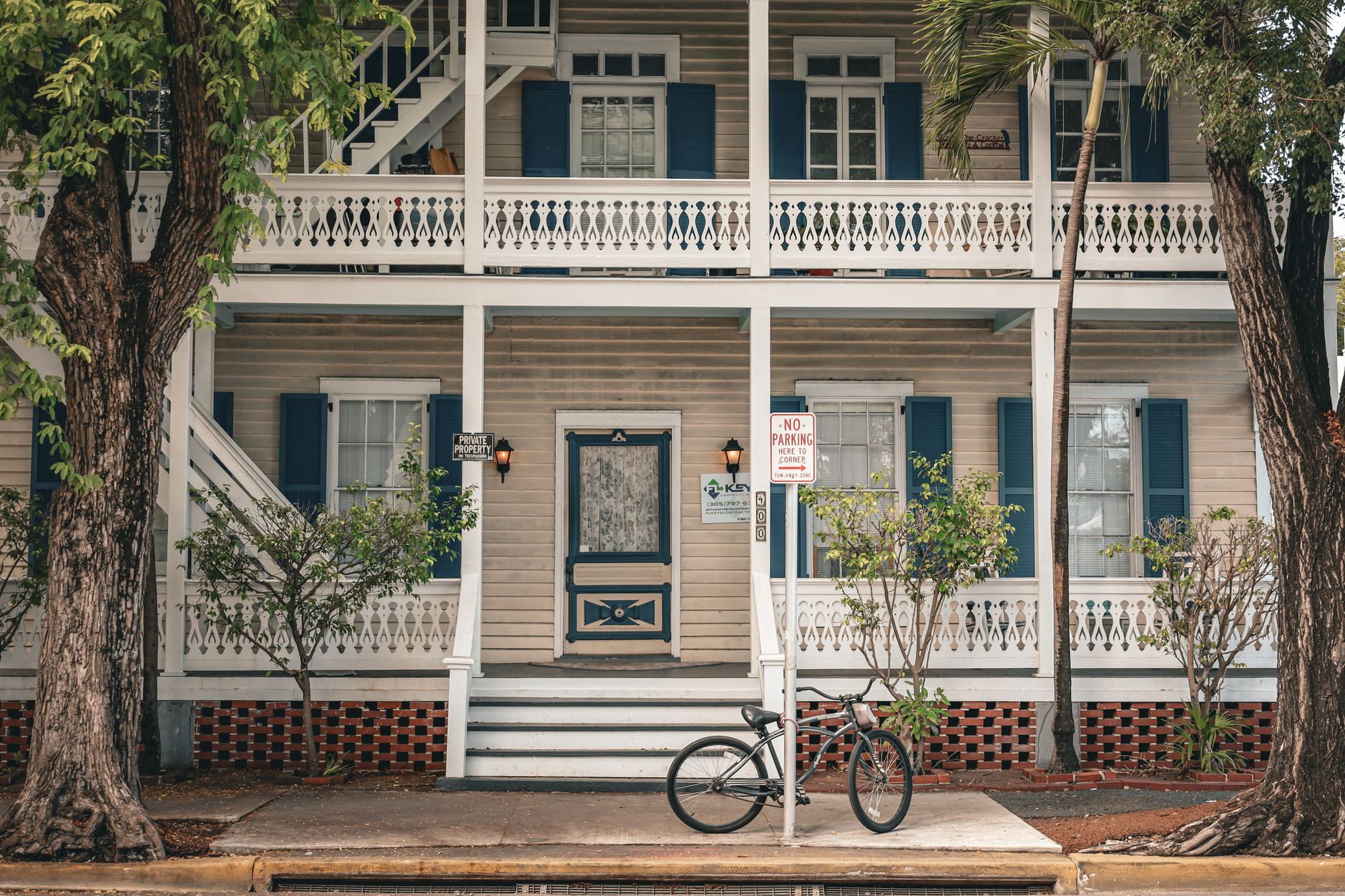
The historic heart of Key West, known as Old Town, boasts the largest concentration of wooden structures in the United States. It is within this architectural treasure trove that hotels like The Marquesa Hotel and The Gardens Hotel flourish. These properties occupy former nineteenth-century merchant estates, meticulously restored to offer contemporary comfort that constantly dialogues with the past.
The Marquesa: The Symmetry of Southern Classicism
Located just steps from bustling Duval Street, The Marquesa is a compound of four historic homes surrounding a quiet courtyard with two sparkling pools. The interior design pays homage to West Indian heritage with teak furniture, paddle fans, and large windows that flood the rooms with natural light. Its restaurant, Café Marquesa, remains one of the island’s most coveted reservations, celebrated for its market-driven menu that pairs local seafood with refined European techniques.
- Atmosphere: Historic sophistication and absolute tranquility in the heart of town.
- Unique Detail: Lush interior gardens designed to ensure complete privacy for guests.
- Gastronomy: Seasonal menus centered around the daily catch from the Gulf.
The Gardens Hotel: Peggy Mills’ Botanical Legacy
Originally a private estate belonging to a passionate botanical collector, this boutique hotel unfolds around one of the most spectacular private gardens in Florida. Featuring over a hundred species of tropical plants and historic brick pathways, staying here feels akin to sleeping in a historic conservatory. The rooms, spread across colonial-style cottages and suites, feature private verandas overlooking the dense tropical canopy.
«In Key West, luxury is not measured by the opulence of materials, but by the density of the shade and the coolness of the breeze that crosses the porch at dusk.»
Offshore Sanctuaries: The Barefoot Luxury of Private Islands
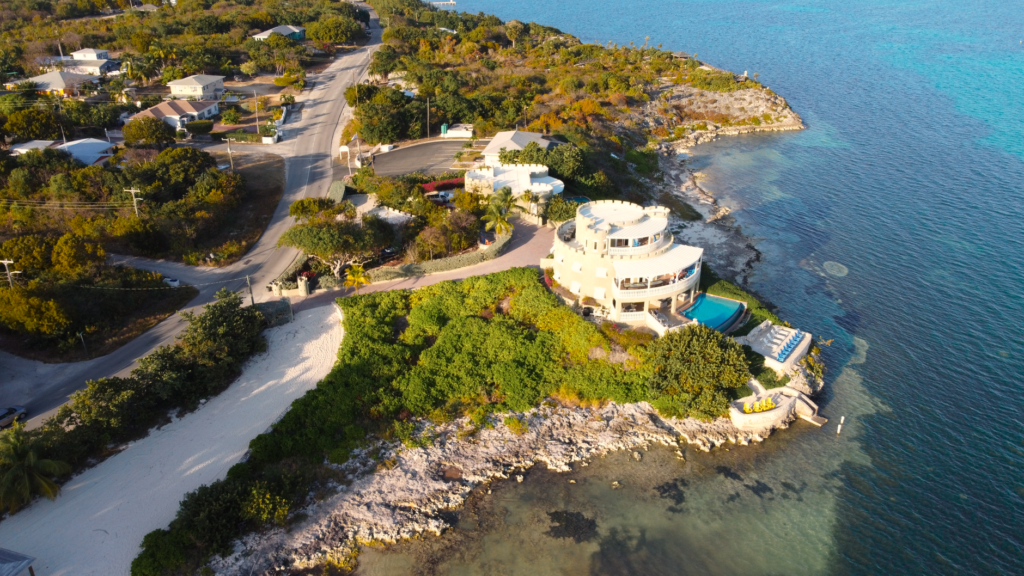
For those seeking absolute seclusion, the geography of the keys offers options that border on tropical fantasy. A short launch ride from the Key West marina lies Sunset Key Cottages, a luxury resort situated on a private twenty-seven-acre island. Here, cars are non-existent, and the only sound interrupting the quiet is the gentle lap of the waves against the white sand.
The cottages, painted in soft pastel hues and appointed with full kitchens and wrap-around porches, evoke the classic aesthetic of historic East Coast summer homes. Service is remarkably discreet: each morning, a basket of freshly baked pastries and seasonal fruit is quietly delivered to each cottage porch. The island’s restaurant, Latitudes, offers oceanfront dining where tables are set directly on the sand, illuminated only by tiki torches and the moon.
Flagler’s Legacy and the Golden Age of Rail
It is impossible to discuss Key West’s history without mentioning Henry Flagler, the visionary tycoon who built the Over-Sea Railroad, connecting the islands to the mainland for the first time in 1912. To accommodate the wealthy travelers arriving on his trains, Flagler commissioned the monumental Casa Marina, which opened its doors on New Year’s Eve in 1920.
Designed by the architects behind the New York Public Library, Casa Marina features an imposing Spanish Renaissance-style facade and a robust concrete structure built to withstand the elements. Following a multimillion-dollar renovation, the resort has reclaimed its original grandeur, blending dark wood ceilings and historic tile floors with bright, airy guest rooms. Its private beach—the largest on the island—remains the premier gathering spot for high society visiting the Keys.
The Casa Marina Experience
The hotel’s lobby, with its massive arched windows framing towering palm trees and the ocean beyond, immediately transports guests to the golden age of travel. Visitors can enjoy beachside massages or lounge beside two heated pools, surrounded by private cabanas offering personalized concierge service.

The Creative Pulse of Stock Island and the New Marinas
On the eastern edge of Key West, connected by a short bridge, lies Stock Island. Historically associated with shrimping docks, boatyards, and working-class grit, this neighboring island has undergone an unprecedented cultural renaissance. The epicenter of this transformation is The Perry Hotel & Marina, a property that celebrates the area’s industrial heritage through a bold, rustic-chic loft aesthetic.
Overlooking a state-of-the-art marina built for superyachts, The Perry utilizes weathered corten steel, exposed concrete, and reclaimed wood to create a contemporary maritime vibe. The hotel also serves as a catalyst for the local arts community, displaying works by neighborhood creators in its public spaces and organizing studio tours. Its two dining venues, Matt’s Stock Island Kitchen and Salty Oyster, honor authentic coastal cuisine, featuring dishes sourced directly from the fishing boats docked just steps away.
«The evolution of Stock Island proves that the true character of the Keys lies in its ability to honor the working waterfront while embracing new waves of design and community.»
Botanical Havens and Hidden Courtyards
Hotel design in Key West pays an almost mystical attention to outdoor spaces. In a tropical climate that invites outdoor living, backyards become lush living rooms and swimming pools serve as temples of contemplation. A prime example of this philosophy is Simonton Court Historic Inn & Cottages, a two-acre retreat occupying the site of a former nineteenth-century cigar factory.
This compound features several pools tucked away amidst a dense jungle of bougainvillea, orchids, and traveler’s palms. Accommodations range from Victorian-era rooms to rustic wooden cottages that retain their original exposed brick walls. The absence of televisions in many of the rooms encourages a complete digital detox, inviting guests to focus on reading, conversation, or the simple sound of the wind in the trees.
Porch Culture and Conch Architecture in the 21st Century
Conch architecture, pioneered by early settlers from the Bahamas, is the thread that binds Key West’s townscape. Properties like The Southernmost House and Ocean Key Resort & Spa interpret this heritage with distinct but equally respectful sensibilities.
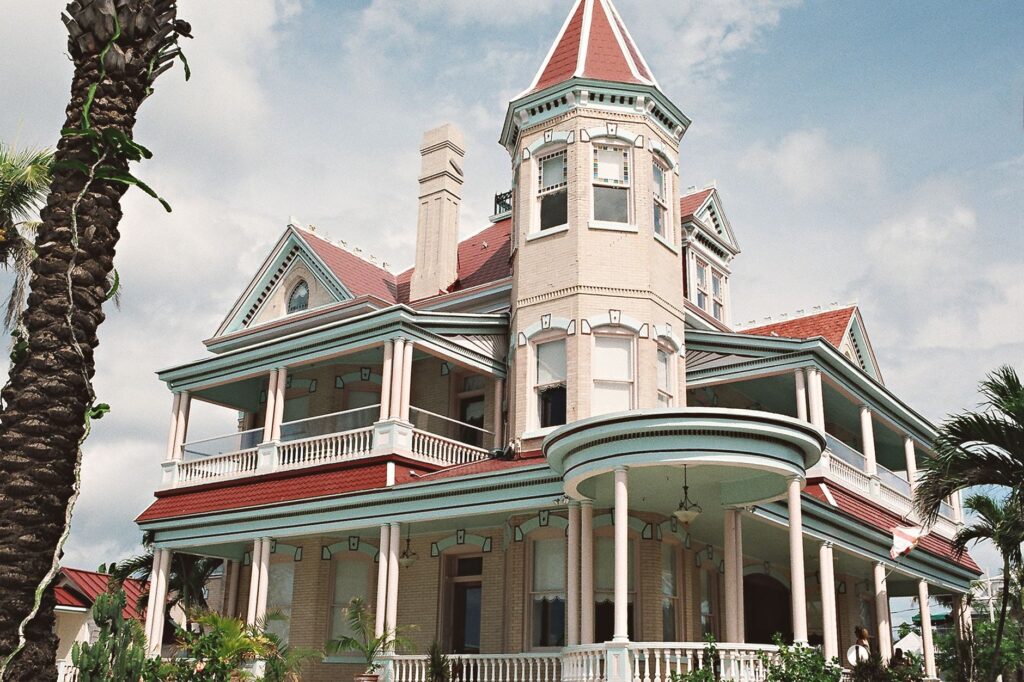
The Southernmost House, standing at the quiet end of Duval Street and steps from the famous buoy marking the southernmost point of the continental United States, is a stunning Queen Anne-style mansion built in 1896. Featuring an iconic octagonal turret, intricate ginger-bread trim, and an infinity pool that seems to merge with the Atlantic, this historic estate has hosted presidents like Harry Truman and legendary literary figures. Its interiors, decorated with antiques and period artwork, offer an immersive journey into the island’s storied past.
Meanwhile, Ocean Key Resort & Spa, located at the northern end near Mallory Square, offers a vibrant, colorful take on the Keys lifestyle. Its spacious suites feature private balconies facing west, providing a front-row seat to Key West’s legendary sunsets. The hotel’s private pier, Sunset Pier, is an iconic spot where guests and locals gather for live music and tropical cocktails as the sun dips below the Gulf horizon.

Practical Guide
Getting There and Around
Key West International Airport receives direct flights from major US hubs. For those who prefer to drive, the Overseas Highway (Route 1) offers one of the world’s most scenic road trips, crossing 42 bridges over turquoise waters. Once on the island, a car is unnecessary; the best way to get around is on foot, by bicycle, or via the historic trolley tours that loop through Old Town.
The Best Time to Visit
Peak season runs from December to April, when the weather is dry and temperatures are exceptionally pleasant. To avoid crowds and enjoy more competitive rates, May and June are ideal, marking the beginning of the fishing season and a more relaxed, local vibe on the island.
Essential Experiences from Your Hotel
- Literary Exploration: Visit the Ernest Hemingway Home and Museum and the Tennessee Williams Museum, both located within walking distance of Old Town hotels.
- Sunset Sailing: Book a late afternoon excursion on a historic schooner to watch the sunset from the water.
- Natural Immersion: Take the morning seaplane or ferry to Dry Tortugas National Park, a massive nineteenth-century fort surrounded by coral reefs 70 miles west of Key West.
The Last Glow Over the Gulf
As the sun begins its descent, painting the sky in shades of saffron, violet, and cobalt, life in Key West seems to pause for a collective breath. It is at this exact moment that the true depth of its hospitality is realized. Whether from the wooden porch of an Old Town Victorian cottage, the veranda of a private island villa, or beside the pool of a grand historic resort facing the Atlantic, these accommodations are more than places to rest. They are privileged observatories from which to witness the end of the day at the edge of the continent—spaces that invite stillness and remind us that, sometimes, the journey is about knowing where to stop.
Source: Condé Nast Traveler