
Origins and Geography of a Fragile Lagoon Ecosystem
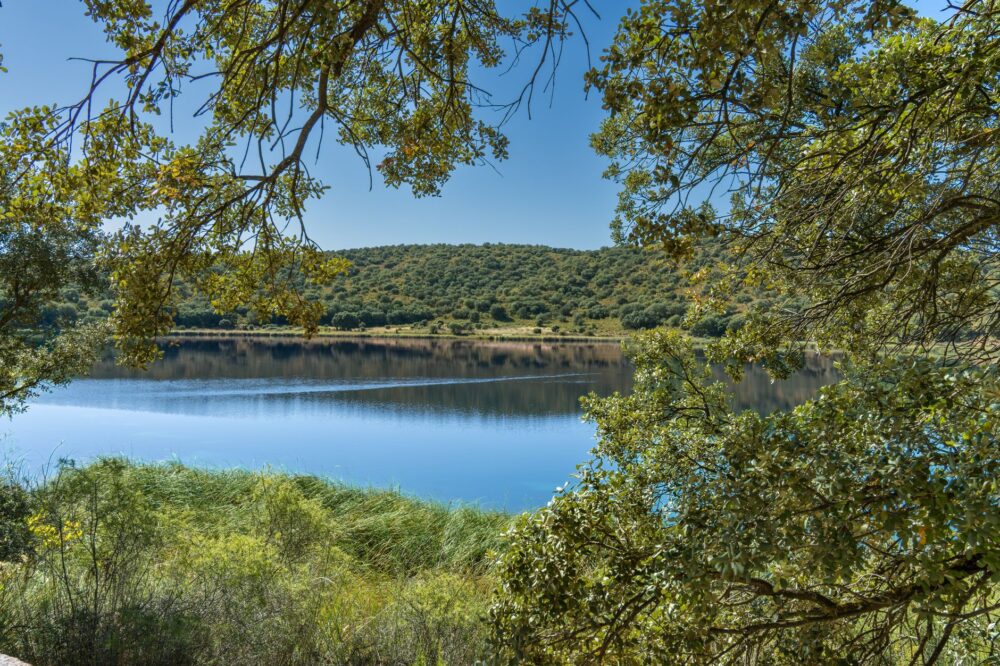
The Mar Menor represents one of the most important saltwater lagoons in Europe, a unique body of water separated from the Mediterranean Sea by a narrow strip of sand known as La Manga. This singular geography, characterized by its shallow depth and high salinity, has historically conditioned how local populations move, fish, and trade. For decades, unbridled urban growth and seasonal overcrowding imposed a transport model based on the private automobile, generating unsustainable pressure on the shores and altering the delicate ecological balances of the area.
Faced with this model of congestion and environmental degradation, local administrations and citizen groups have driven a radical shift in territorial planning. The guiding question behind this effort is how to guarantee connectivity between riparian urban centers—such as San Pedro del Pinatar, Los Alcázares, and Cartagena—without compromising the recovery of natural habitats. The answer is built upon an integrated mobility network that prioritizes a low carbon footprint, intermodality, and absolute respect for the ecological corridors bordering the lagoon.
The transition toward this new paradigm arises not from bureaucratic imposition, but from the urgent necessity to preserve the natural resource that sustains the economy and identity of the region. Environmental impact studies conducted in recent years have demonstrated that reducing road traffic within the first meters of the coast is the decisive factor in halting pollutant runoff and restoring water transparency. Thus, the territory is being redrawn as a real-scale laboratory where transport engineering directly engages with marine biology.
The Solar Nautical Revolution in Inland Waters
One of the most significant advancements in the connectivity of the Mar Menor is the gradual replacement of the traditional combustion-engine fleet with catamarans and ferries powered entirely by photovoltaic solar energy. These vessels operate silently between traditional marinas and ports, connecting points that previously required car journeys of more than forty minutes around the lagoon perimeter. Electric navigation not only completely eliminates hydrocarbon spills and acoustic pollution, but also allows passengers to experience the coastal landscape from a perspective respectful of bird life.
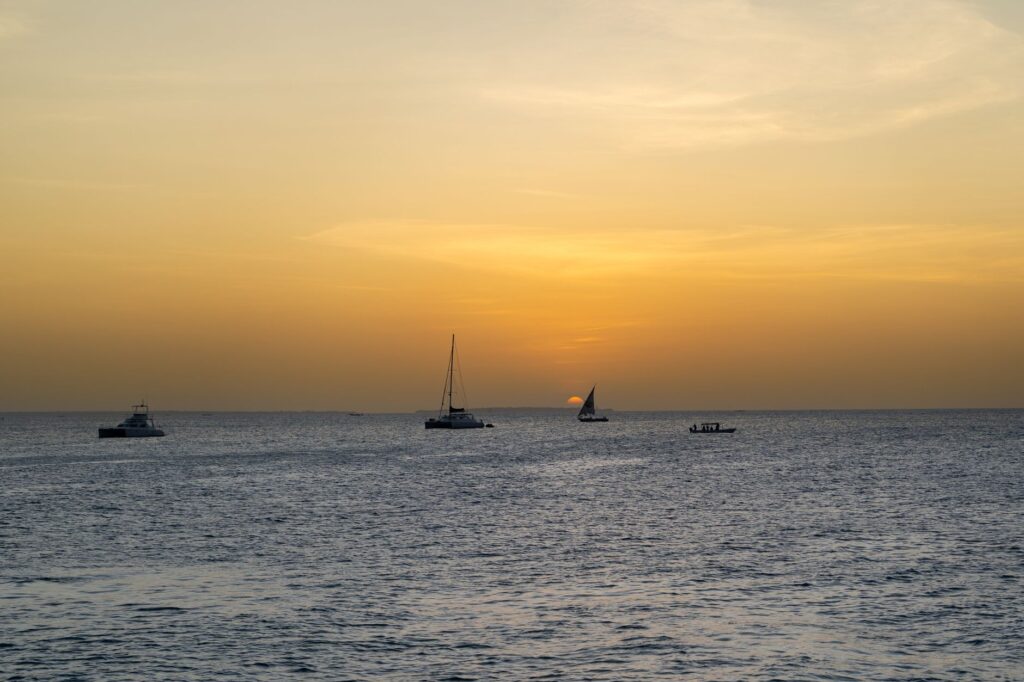
Local maritime transport operators, in collaboration with the region’s naval technology center, have designed floating docks equipped with fast-charging solar panels. This ensures that vessels maintain sufficient autonomy even during peak summer demand. The impact on marine avifauna has been immediate: wading bird species and flamingos that once fled the roar of outboard motors now populate the surroundings of navigation routes with greater peace of mind.
This fluvial and lagoon transport system is formally integrated into urban mobility ticketing apps, allowing passengers to purchase combined tickets that include the boat trip and subsequent use of the public bicycle network. In this way, aquatic travel ceases to be a mere recreational tourist attraction and becomes a backbone of daily and vacation commuting.
Greenways and the Reclamation of Space for the Pedestrian
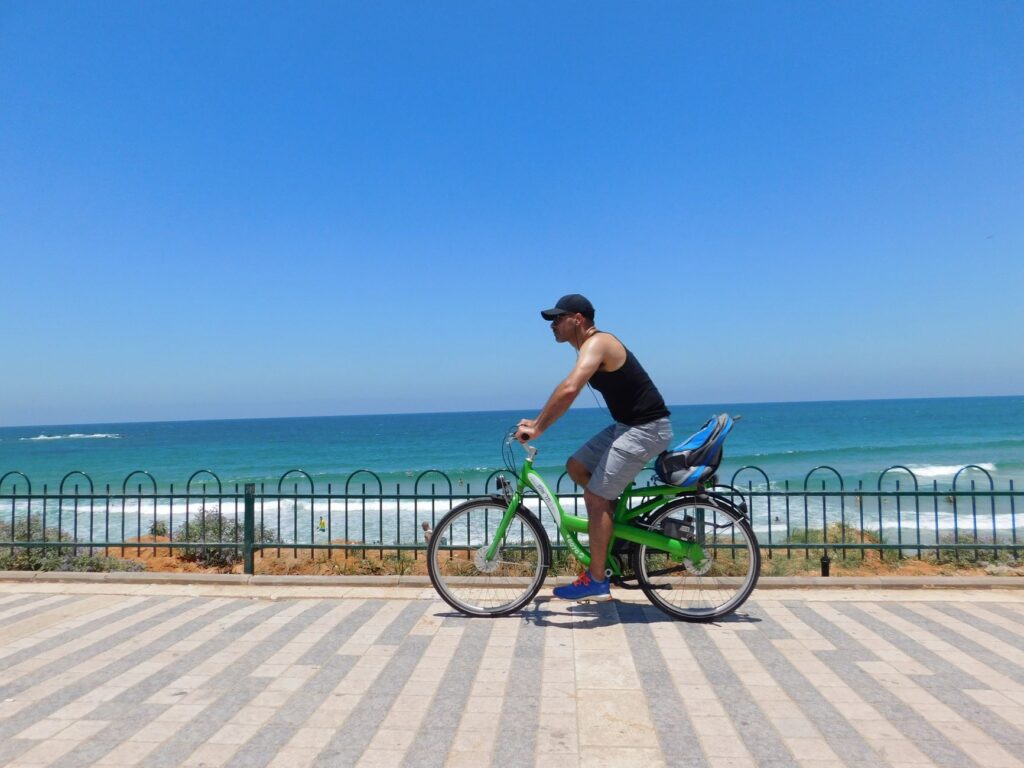
On solid ground, the transformation of the transport landscape materializes in the expansion of greenways and protected bike lanes. Former mining railway tracks and disused agricultural paths have been paved with permeable materials that prevent water accumulation and reduce surface temperature during summer months. These cycling and pedestrian corridors directly connect urban centers with beaches, completely segregating bicycle traffic from motor vehicle transit.
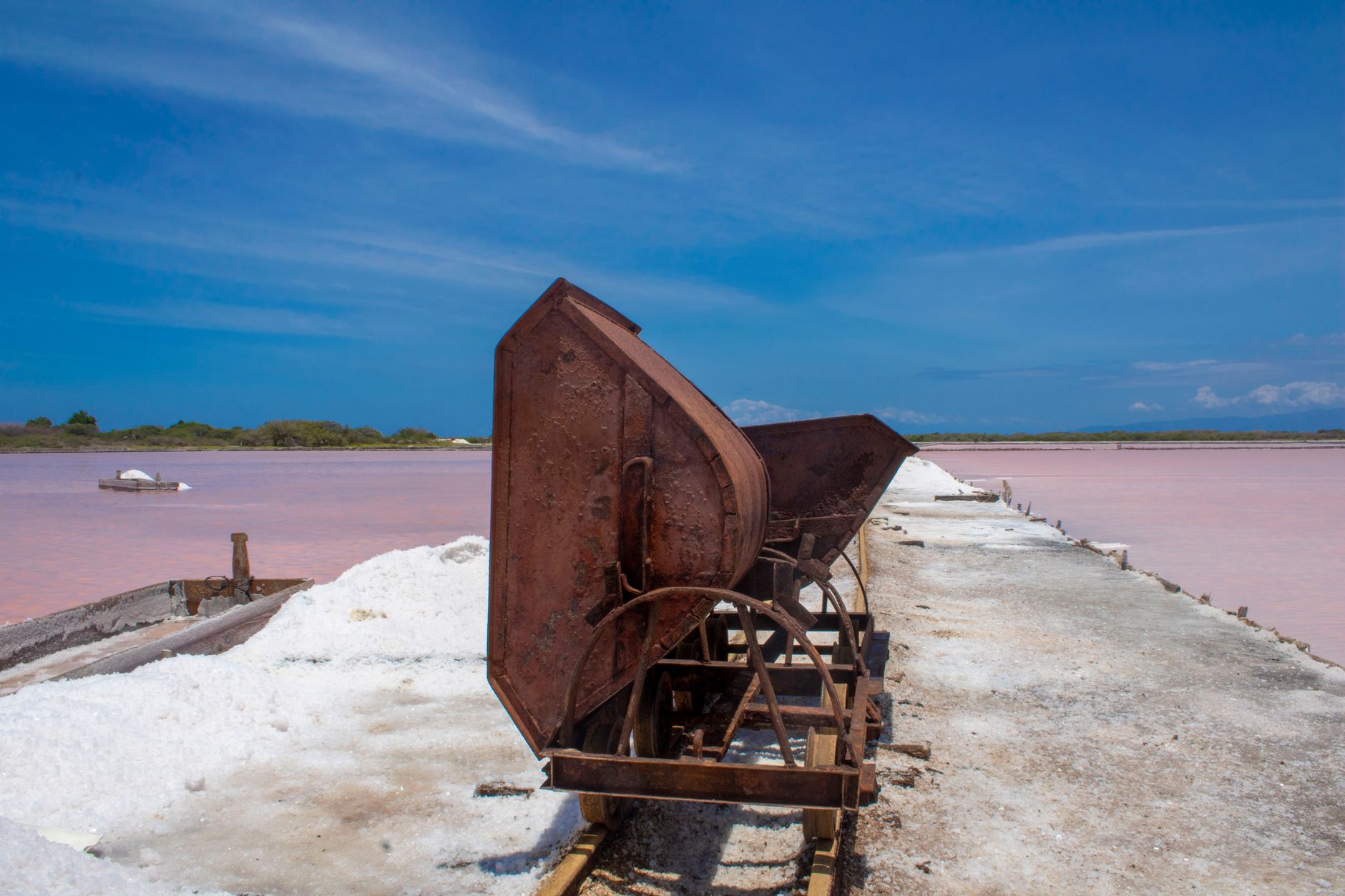
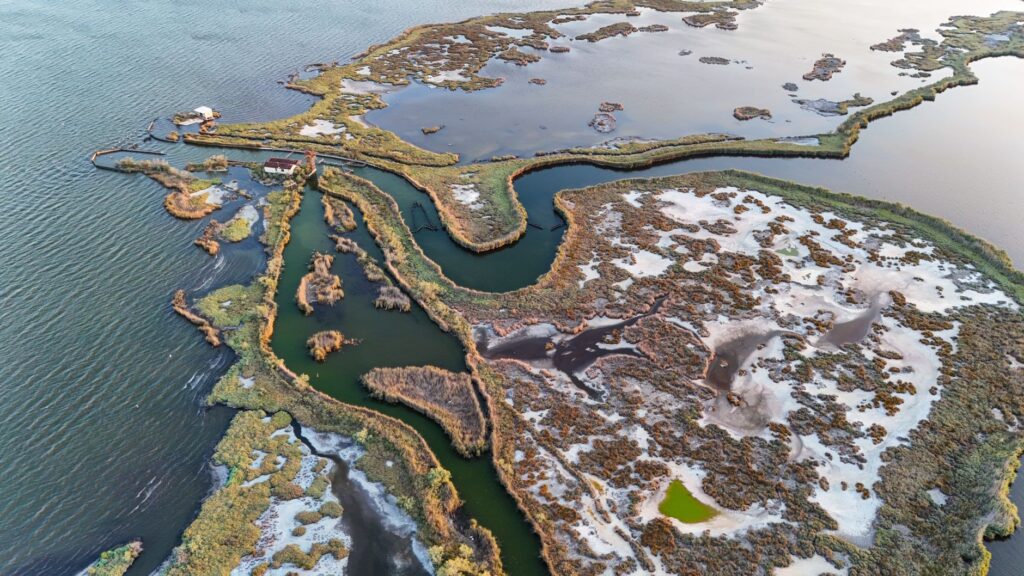
The design of these infrastructures has carefully taken into account the preservation of wetlands and coastal salt marshes. Instead of constructing large concrete works, elevated wooden boardwalks have been installed, allowing travelers to cross flood zones without interrupting natural water flows or destroying endemic halophytic vegetation. Cyclists and walkers have access to rest areas equipped with informative panels on local biodiversity, turning each trip into an environmental education experience.
The integration of electric bike-sharing systems with the arrival points of solar boats forms a soft-mobility mesh unmatched in the Spanish Levante. Residents and visitors can travel along the entire coastal strip without stepping on the accelerator of a car, drastically reducing carbon dioxide emissions associated with traditional sun-and-beach tourism.
The Role of Zero-Emission Shuttle Buses
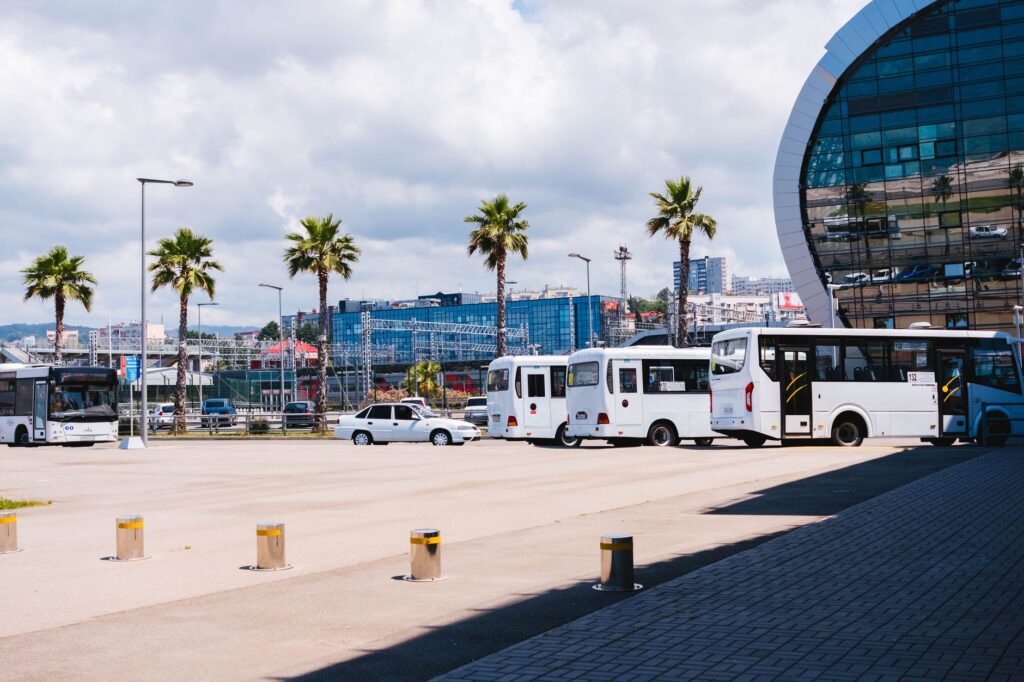
To complement the nautical and cycling network, medium-distance connections between Mar Menor municipalities and the region’s main railway stations have been reinforced with fleets of electric and hydrogen fuel-cell buses. These vehicles operate with increased frequencies during weekends and the summer season, absorbing the volume of travelers who traditionally congested road access routes to La Manga.
The implementation of these services has required a deep reorganization of bus stops and the creation of peripheral park-and-ride facilities outside urban centers. These parking lots are designed as green infrastructures, equipped with photovoltaic shading that powers charging points and rapid modal exchange zones. Users leave private vehicles on the periphery and access the city center or coast via a fluid, digitalized, and flat-rate public transport system.
Collaboration among riparian town councils has allowed for the unification of signage and payment platforms, ensuring a single card or mobile app validates fares across buses, solar catamarans, and public bikes. This administrative interoperability removes friction and effectively encourages the voluntary abandonment of private cars for short- and medium-distance trips.
Economic Challenges and Resistance to Infrastructure Change
Despite technical and ecological advances, the transition toward this sustainable mobility model in the Mar Menor environment faces significant structural resistance. Commercial sectors located on the beachfront have repeatedly expressed concern over street pedestrianization and the elimination of direct parking spaces outside their establishments, fearing a drop in daily consumption.
To mitigate these impacts, economic studies commissioned by local councils demonstrate that a steady flow of pedestrians and cyclists generates more sustained and diversified consumption than the hurried car-bound customer, who usually concentrates spending in peripheral shopping malls. Nonetheless, convincing traditional commercial fabric requires continuous informational campaigns and direct aid for adapting goods logistics access to early morning or nighttime hours.
Another major challenge lies in maintaining infrastructures exposed to a highly saline and corrosive marine environment. The conservation costs of solar docks, wooden boardwalks, and bike lanes require stable budget allocations that do not depend exclusively on political cycles or one-off European grants, thereby guaranteeing system durability over the long term.
The Voice of Local Communities and Artisanal Fishermen
The transformation of mobility cannot be understood without the active participation of fishing guilds and historical inhabitants of the shore. Fishermen, possessing primary knowledge of the lagoon’s biological cycles, have collaborated in designing solar navigation routes to avoid coinciding with the spawning seasons of native species such as king prawns and sea bream.
The lagoon is not a highway to be crossed in haste; it is our shared home and the mirror of our own community health.
This ancestral wisdom has forced transport engineers to rethink initial layouts, demonstrating that low-emission technology must always remain subordinate to traditional ecological knowledge. Neighborhood meetings and sector mobility councils have become routine governance tools, where any modification to public service schedules or frequencies is openly debated prior to final execution.
The result of this constant dialogue is a renewed sense of belonging to the territory. The region’s youth now perceive sustainable mobility not as a limitation on freedom of movement, but as a collective achievement protecting their environment from massive degradation.
Practical guide
How to get there: Primary access to the Mar Menor region is via the AP-7 highway or the RM-19 from Murcia and Alicante. For a fully sustainable experience, regional trains to Cartagena or Balsicas stations are recommended, connecting directly with electric shuttle buses.
When to travel: Spring months (April to June) and autumn (September to November) offer ideal weather conditions for cycling mobility and navigation, avoiding the crowds and high temperatures of peak summer.
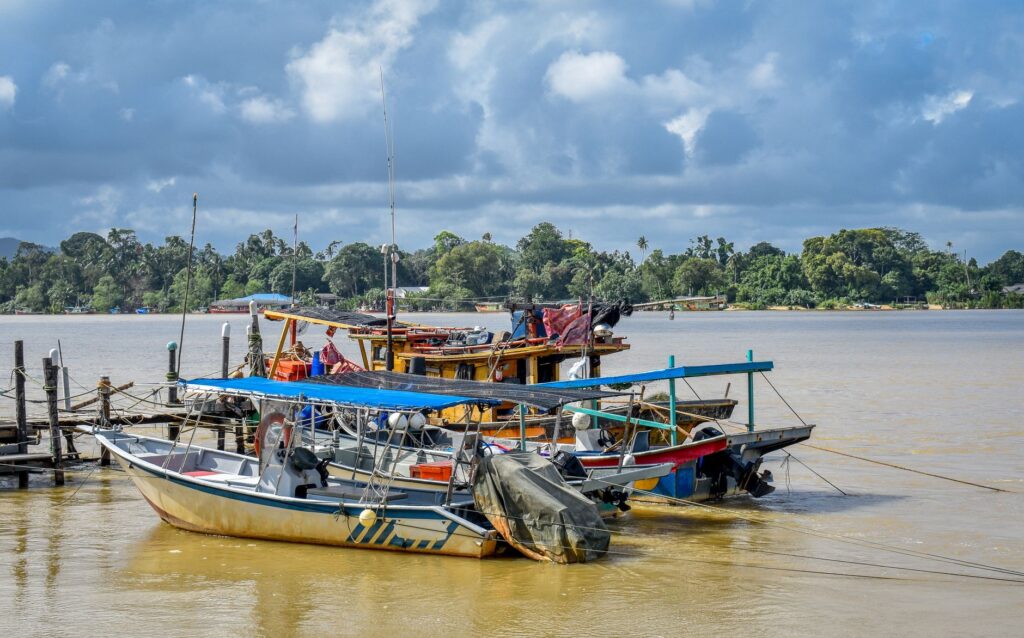
Internal travel: Use solar catamarans to cross the lagoon between main ports and combine trips with the public bicycle network available at modal exchange points.
Accommodation and dining: Choose establishments adhered to the European Charter for Sustainable Tourism that feature charging points for electric vehicles and minimize single-use plastics.
Memory, Landscape, and Future on the Saline Shore
As the sun begins to descend over the horizon of the Mar Menor, tinting calm waters with ochre and violet hues, the silence enveloping wooden boardwalks and solar docks acquires an almost ceremonial dimension. The uninterrupted roar of combustion engines that for decades marked the frantic pulse of mass tourism on the Murcian coast is no longer heard. Instead, the soft murmur of water lapping against the hulls of electric catamarans and the rhythmic crunch of bicycles on permeable paths trace the beat of a new era.
This amphibious territory, historically marked by the contrast between biological richness and anthropogenic pressure, demonstrates that sustainable mobility is neither an unattainable utopia nor a minor adjustment, but a rigorous political and community decision. By subordinating the speed of the private vehicle to the natural rhythms of the lagoon, its inhabitants have recovered not only a cleaner, more breathable environment, but also a profound bond with a landscape refusing to vanish. The future of these saline shores is no longer measured in accumulated miles of asphalt, but in the collective capacity to move slowly, in harmony with the fragile heartbeat of water.