
Introduction to the Atlantic Outpost
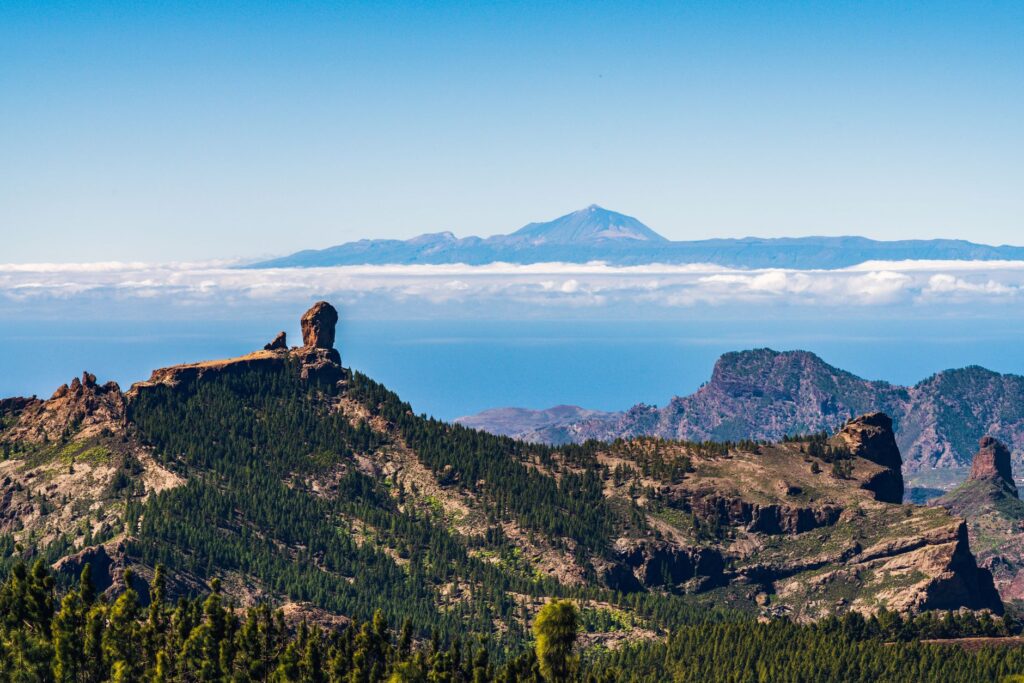
The mid-Atlantic is no ordinary maritime route; it is a territory of millenary transits, a geographical bridge where the cold currents of the Canaries converge with the trade winds that for centuries dictated the rhythm of international navigation. In this volcanic archipelago, human survival has been inextricably linked to the ferocity of the sea and the scarcity of fertile soil, compelling inhabitants to cast a permanent gaze toward the blue horizon. Far from constituting a mere staging post, the islands have distilled a pantry entirely their own, forged through ingenuity, salting, and a reverential respect for marine resources that still thrives in the most genuine corners of its urban geography.
Venturing into the historic heart of Las Palmas de Gran Canaria requires understanding that insular cuisine does not stem from aesthetic whims, but rather from a rigorous architecture of scarcity and sudden abundance. When small-scale fishing fleets return to port under the shelter of the breakwaters, a human machinery of shared ancestry springs into action. This report examines how the daily liturgy of provisioning and the resilience of old seafaring trades form a bastion against tourist standardization, revealing a culinary identity that beats strongly within stone countertops and fishermen’s kitchens.
The Halls of Vegueta: Architecture of Provisioning
Inaugurated in the mid-19th century, the Vegueta Market stands upon the foundational fabric of the Gran Canarian capital as a living monument to urban sociability. Its noble stone walls and cast-iron structures not only house stalls of fruit, meat, and spices, but also function as an agora where the rhythms of the upper neighborhoods and port activity converge. Every morning, before the sun warms the surrounding colonial facades, vendors deploy a precise geometry of local produce that narrates the island’s biodiversity.

Unlike markets converted into mere theme parks for visitors, Vegueta maintains its social function intact. Here, handwritten grocery lists on greaseproof paper cross paths with unhurried conversations between wholesalers and local restaurateurs. The corridors smell of fresh coriander, medium-aged cheeses from the highlands of Gáldar and Moya, and the unmistakable aroma of heirloom potatoes resting in jute sacks, waiting to be selected with the rigor of an antique collector.
The Pulse of Centenarian Vendors
Behind the counters, entire families have guarded generational handovers for over eighty years. This involves much more than simply dispensing merchandise; it is an exercise in nutritional and ethnographic stewardship. Market veterans know the exact ripening point of an Arguineguín avocado or the precise provenance of stone-ground corn gofio. This oral transmission of culinary knowledge constitutes the true intangible heritage of the plaza, a firewall against oblivion in the full era of digitalized food systems.
The Guild and the Tide: The Atlantic’s Treasure
A few kilometers from the market bustle, in the docks where salt spray corrodes the wooden hulls of fishing boats, the fishermen’s guild operates. It is ground zero for a value chain supplying the island’s finest kitchens and maritime taverns. The species auctioned here—ranging from barred hogfish to deep-water wreckfish, alongside seasonal Atlantic bluefin tuna—arrive with only hours out of the water, retaining the absolute firmness of their flesh and the mineral undertones imparted by the volcanic seabed.
Artisanal fishing in Gran Canaria is governed by strict closed seasons and quotas guaranteeing the sustainability of the fishing grounds. Master skippers insist that the sea is not an inexhaustible warehouse, but rather a capricious partner demanding careful listening. This philosophy of respect contrasts sharply with the pressures of global industrial fishing, reminding travelers that every loin of fish served on a plate carries a story of risk, patience, and empirical knowledge accumulated over generations.
The Liturgy of the Fish Market and Auction
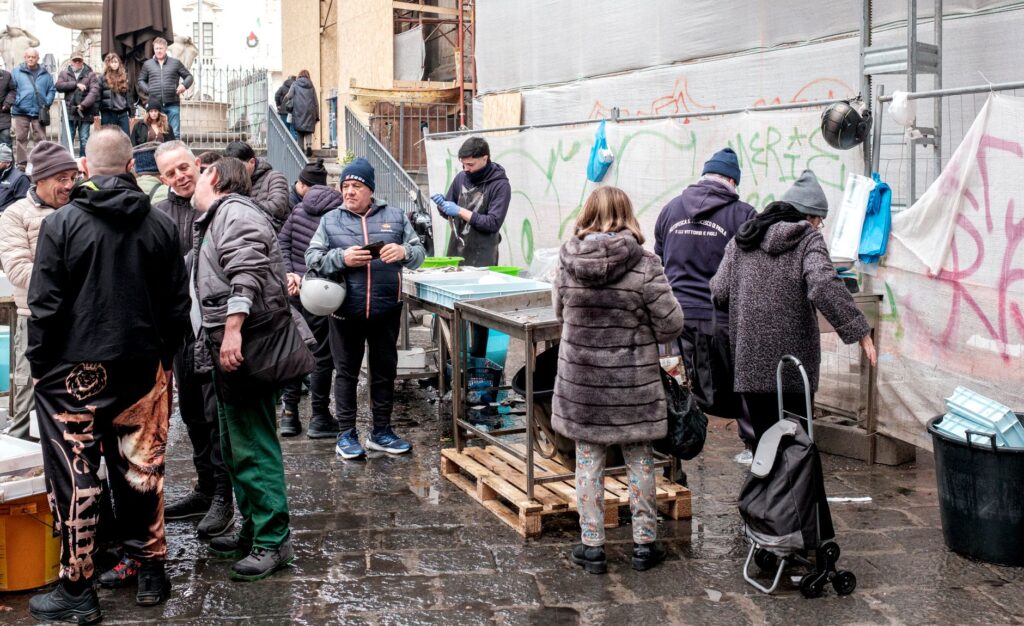
The moment boats dock and unload crates of blue and white fish is a ritual of millimeter precision. Local buyers, restaurateurs, and wholesalers gather in respectful silence while the market crier drops prices downward until a hand rises decisively. It is unvarnished commerce without superfluous middlemen, where freshness is judged at a glance by observing the brightness of gills and the clarity of eyes still seeming to gaze upon the seabed.
The Art of Mojo and Wrinkled Potatoes
No analysis of Gran Canarian gastronomy would be complete without decoding the accompaniments elevating marine simplicity to popular haute cuisine. Wrinkled potatoes, cooked in seawater or a generous amount of coarse salt until a white, crystalline crust forms, act as the perfect foundation for traditional mojos. This alchemy of oil, vinegar, garlic, cumin, and sweet paprika or fresh cilantro results from Atlantic, African, and Latin American influences converging on the islands due to their historical role as a commercial crossroads.
Far from being standardized sauces, every family and chef boasts a secret recipe where ingredient proportions shift according to the season. Red mojo, punchy and robust, accompanies goat meat and oily fish, while green mojo, more herbaceous and subtle, embraces white seabream and freshly boiled wreckfish. This chromatic and gustatory duality proves that island cuisine possesses its own sophistication, rooted in textural contrast and the potency of local seasonings.

Volcanic Wine and the Resilience of Vines
To accompany the treasures of the guild and the market, the slopes of Gran Canaria offer a singular oenology defying agronomic logic. Centenarian vineyards, many planted on volcanic sands and protected from the wind by dry-stone walls, yield wines with an unmistakable mineral personality. Native varieties such as Volcanic Malvasía, Listán Negro, or Baboso Blanco survive in this extreme environment thanks to the heroic efforts of winemakers rejecting mass mechanization in favor of heroic viticulture.
A volcanic island wine is not merely a drink; it is the distilled flavor of scorched earth and sea breeze, a liquid document certifying humanity’s capacity to extract beauty and sustenance from the most hostile terrains.
These limited productions rarely reach mass commercial circuits, remaining a closely guarded secret that gastronomes discover in family-run inland wineries. Upon uncorking a bottle of these Atlantic juices, the palate perceives saline notes, cold ash, and ripe fruit, completing a sensory circle uniting the highlands, the vineyard, and the ocean in a single sip.

Practical Guide
Planning a rigorous gastronomic route through Las Palmas de Gran Canaria requires adhering to local schedules and respectful guidelines regarding traditional workspaces.
- How to get there: Gran Canaria Airport (LPA) connects the island with major European and peninsular hubs. From the terminal, line 60 buses or a rental vehicle bring travelers to the historic center in under 25 minutes.
- When to visit: Early morning hours (8:00 to 11:00) are optimal for experiencing the Vegueta Market at its maximum commercial and photographic ebullience, avoiding midday heat.
- Where to eat: Seek out maritime taverns in the coastal neighborhoods of San Cristóbal or La Puntilla, where day-boat catches from the fishermen’s guild take precedence over prepackaged tourist menus.
- Market etiquette: Do not touch produce directly without vendor permission and maintain a respectful attitude toward local shoppers conducting their daily provisioning.
- Recommended purchases: Stone-ground artisanal gofio, medium-aged designation-of-origin cheeses, and jars of mojo crafted by small local producers.
Emotional Epilogue: The Echo of Salt in Memory
At dusk, when market stalls pull down their metal shutters and guild boats securely tie off their lines to the pier, Las Palmas regains a solemn stillness smelling of iodine and damp wood. This is the moment the city turns inward, digesting daytime hustle in small neighborhood bars and terraces where veterans share a final condensed espresso. In that evening quiet, sustained by the constant murmur of Atlantic breakers, the true essence of an archipelago refusing to dilute its soul within the globalizing tide becomes palpable. Sitting by the sea with a steaming bowl of fish broth and a cup of kneaded gofio is not merely an act of nourishment; it is a rite of belonging, a silent pact with ancestors who crossed the abyss and made the shoreline their definitive home.