
Introduction to the Geographical and Logistical Corridor
Colombia’s territory is defined by imposing mountain ranges that complicate mobility, yet between the Central and Western cordilleras lies a natural corridor of exceptional fertility and flat topography: the Cauca Valley. This alluvial plain, irrigated by the Cauca River, has historically served as the country’s agricultural larder and the setting for one of South America’s most unique transportation networks. The necessity to connect sugar production centers and local markets with the nation’s primary maritime port on the Pacific Ocean spurred the development—starting in the late 19th and early 20th centuries—of a railway infrastructure without which the region’s modern agro-industrial economy would be unimaginable.
Understanding this transportation system requires looking beyond the steel tracks. It represents a complex machinery of tropical engineering, heavy cargo logistics, and human settlements that grew to the rhythm of the locomotive’s whistle. Over the decades, the railway has adapted its initial purpose of mixed passenger and freight transport into an arterial route dedicated almost entirely to the logistical efficiency of sugar, molasses, and industrial inputs. This report examines the evolution of these tracks, the technical challenges of operating on clay soils, and the persistent ambition to modernize a corridor that remains vital to Colombia’s commercial sovereignty.
The Genesis of the Route: Overcoming the Mountain Barrier
The construction of the Pacific Railway was no simple enterprise. Although the flat valley section offered clear topographical advantages over the rugged Andean routes, the true challenge lay in uniting the Pacific coast—separated by the steep Western cordillera—with the rich interior lands. Tropical fevers, unpredictable river floods, and a scarcity of skilled labor marked the early years of construction under the direction of national and foreign engineers who battled dense vegetation and extreme humidity.
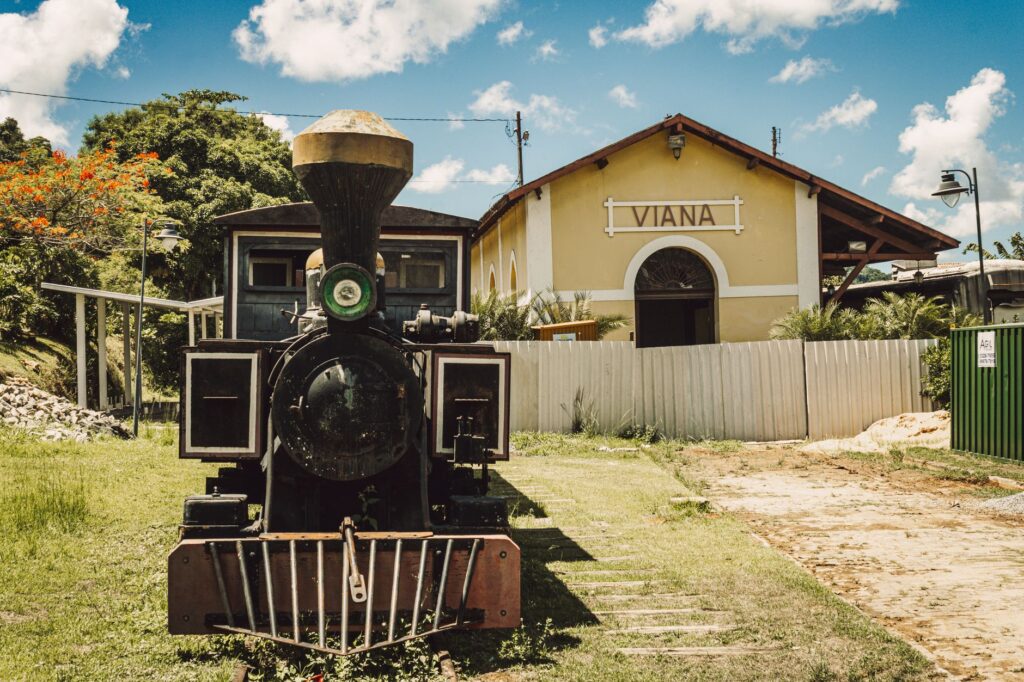
The design of the tracks required ingenious topographical solutions to overcome elevation gains toward the port of Buenaventura through complicated switchback systems, hand-excavated tunnels, and metal bridges imported primarily from Europe and the United States. Every kilometer wrested from the jungle and the swampy terrain of the plain represented a logistical victory that reduced transit times for coffee, textiles, and later, the sugar agro-industry, consolidating a mass transit model that radically transformed regional demographics.
Engineering in Clay Soils and Track Maintenance
Operating a rail line in the Cauca Valley involves confronting the geotechnical properties of highly plastic and clayey soils on a daily basis. During intense rainy seasons, the plain suffers considerable flooding that tests the stability of the infrastructure. Railway maintenance engineers must contend with subsidence and the lateral displacement of ballast, requiring constant millimeter-level leveling work and the installation of specialized drainage systems to prevent embankment collapse.
Unlike high-mountain routes where rock landslides pose the primary danger, the silent enemy here is water saturation. Traditional wooden ties have progressively given way to prestressed concrete sleepers capable of supporting the constant increase in axle loads of modern freight trains. The replacement of lighter rails with higher linear-weight profiles has raised operational safety standards, reducing the risk of derailments in sections where the route crosses zones of intensive agricultural activity.
Agro-Industrial Logistics: The Pulse of Sugar Cane
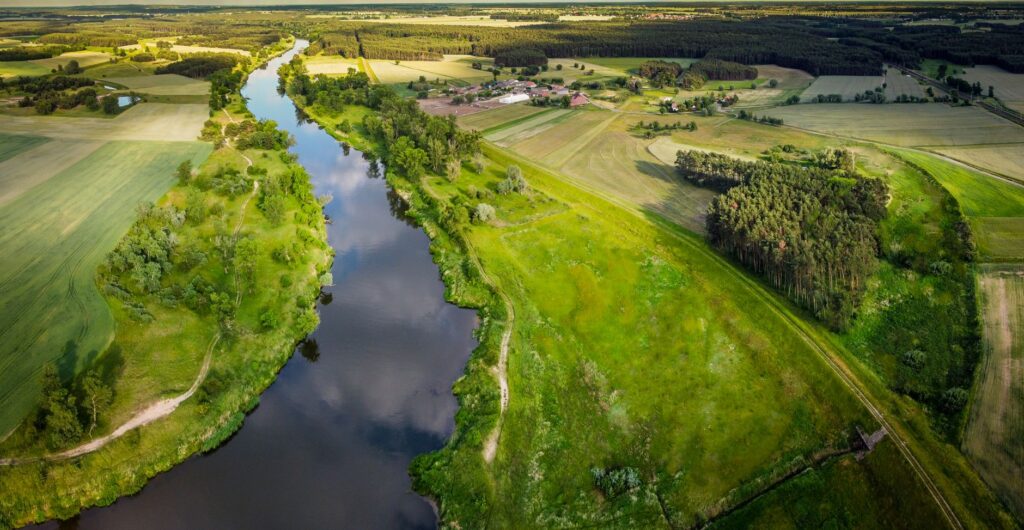
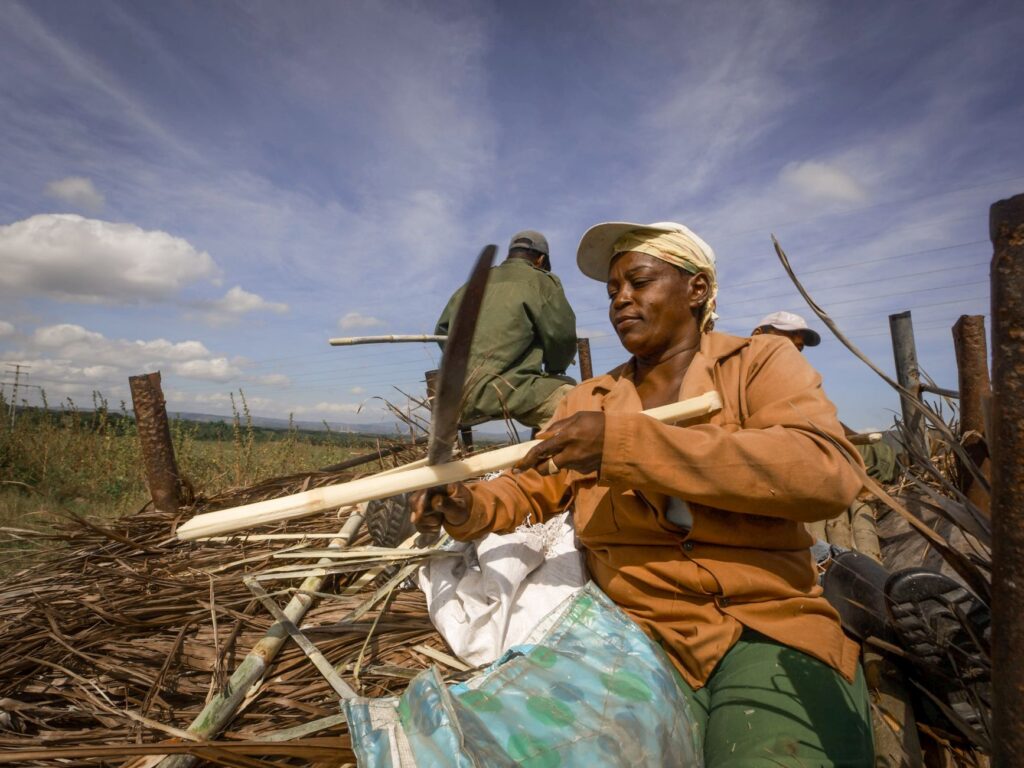
The undisputed economic engine of the railway in this inter-Andean valley is the sugar agro-industry. Sugar mills located in municipalities such as Palmira, Buga, Tuluá, and Cali depend on a perfectly synchronized supply chain. Although a large portion of the harvest is currently transported in high-tonnage trucks, the historical railway infrastructure continues to operate as a strategic corridor to relieve congestion on the national road network and connect directly with port storage terminals.
Coordination between logistics operators and sugar plants requires meticulous planning. Specialized hopper cars are designed to maximize payload volume and allow rapid unloading at industrial complexes and transfer docks. This rail logistics not only optimizes operating costs per ton-kilometer but also significantly reduces the sector’s carbon footprint compared to exclusive road transport, a factor of growing relevance in international markets.
Station Architecture and Urban Memory
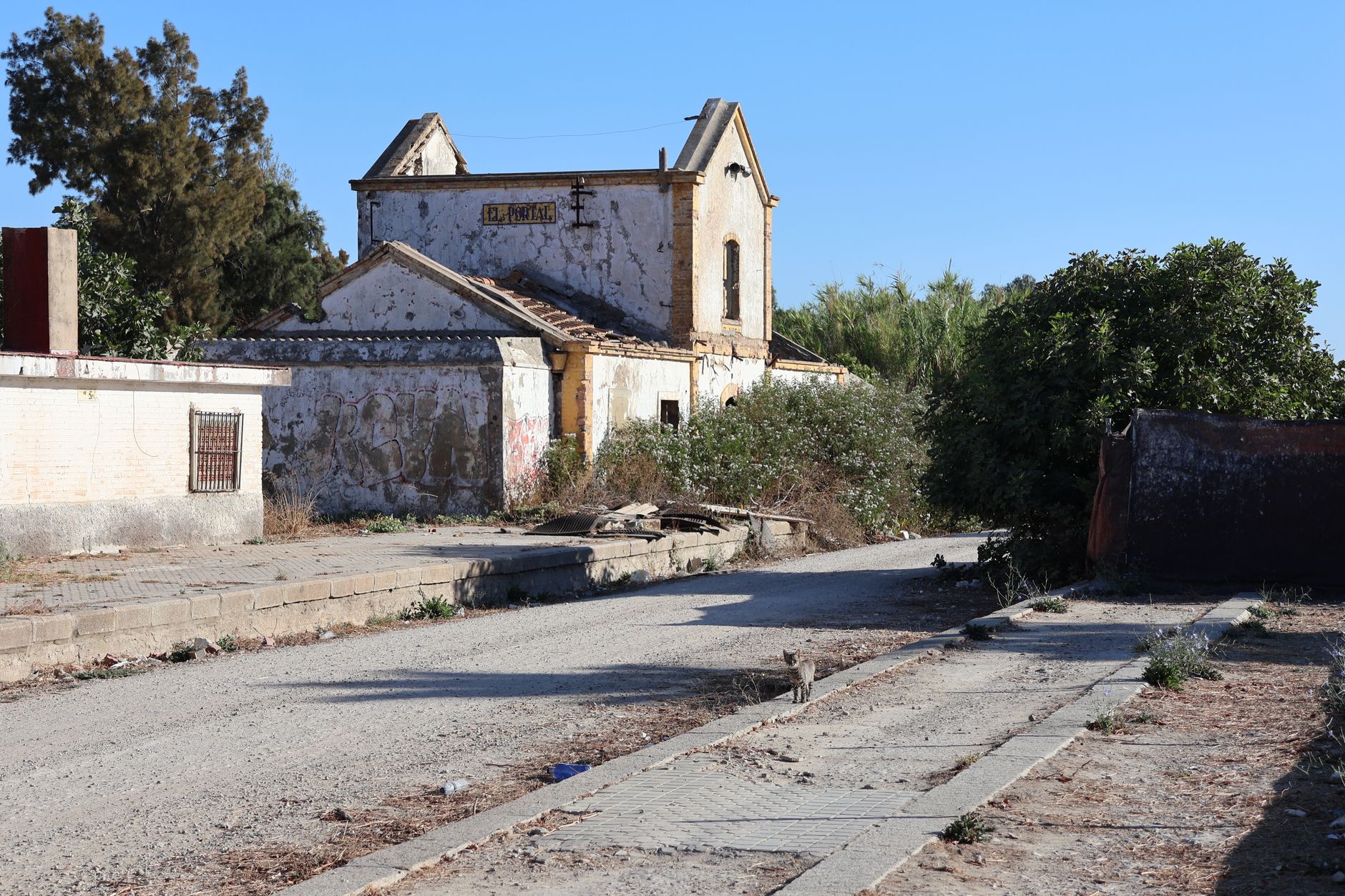
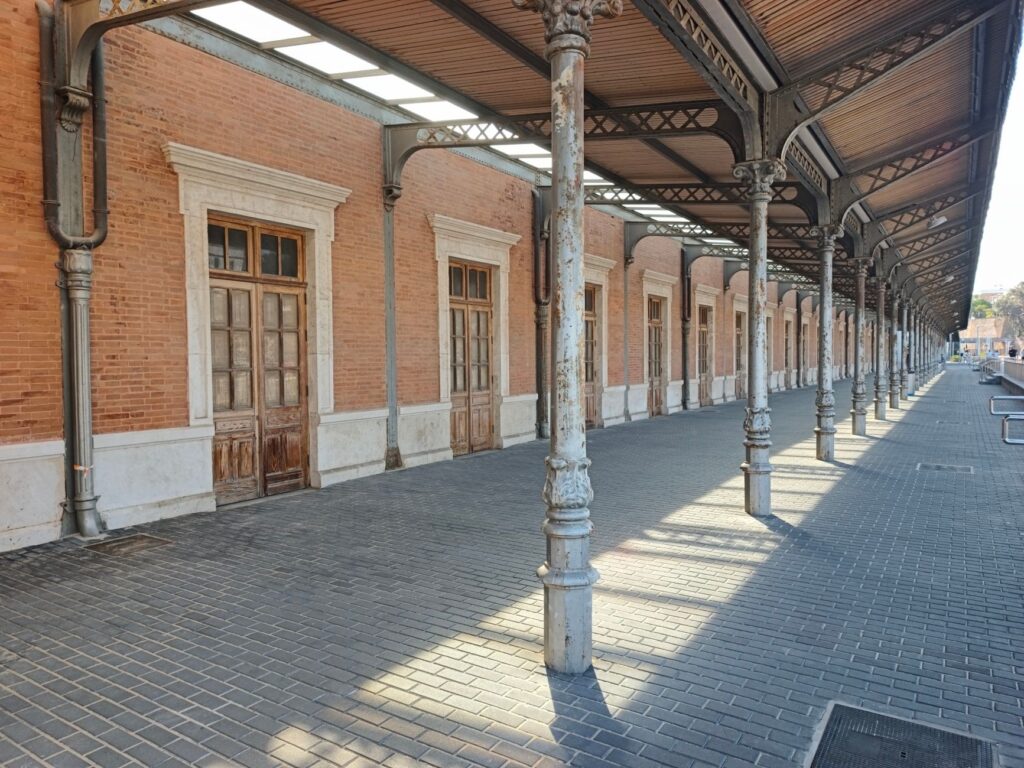
Railway stations along the Cauca Valley corridor are not merely functional structures; they act as the foundational milestones of numerous settlements that grew around them. Built with a mixture of traditional masonry, metal structures, and wide eaves designed to mitigate high temperatures and tropical rains, these buildings reflect early 20th-century railway aesthetics, where the arrival of the train symbolized connection with progress and the outside world.
Today, many of these stations have undergone profound transformations. Some operate as administrative offices for cargo concessions, while others, abandoned to their fate during eras of passenger transport decline, have been rescued by local communities to become public libraries, railway museums, or cultural centers. This industrial architectural heritage constitutes a tangible reminder of a golden era when the steam engine’s whistle announced the economic integration of an entire region.
The railway in the Cauca Valley is not merely a vestige of industrial history; it is the invisible backbone that continues to sustain the export ambition of one of the continent’s most productive agricultural regions.
Contemporary Challenges and Reactivation Projects
The reactivation of the national rail network has been a recurring goal in government agendas over recent decades, facing budgetary obstacles, contractual disputes, and the complex reality of recovering rights-of-way that in many spots have been invaded or altered by disorderly urban growth. In the Cauca Valley, the discussion centers on how to modernize the existing route to allow competitive commercial speeds without disrupting the dynamics of the municipalities the track crosses from north to south.
Recent technical feasibility studies emphasize the need for bypasses that avoid denser urban centers, thereby reducing traffic conflicts and accident risks. Additionally, the integration of advanced electronic signaling systems and the incorporation of lower-emission locomotives are being evaluated. The financial viability of these projects depends closely on securing steady freight flows from production centers to the port of Buenaventura, closing the historical gap between the agricultural capacity of the interior and the port efficiency of the coast.
Practical guide
How to get to the railway corridor: The natural starting point for exploring the Cauca Valley railway infrastructure is the city of Cali, connected via Alfonso Bonilla Aragón International Airport, which receives regular domestic and international flights.
Key historical points of interest: Visitors are advised to tour the former Pacific Railway Station in Cali, as well as the preserved stations in the municipalities of Palmira and Buga, where industrial architecture from the era can be appreciated.
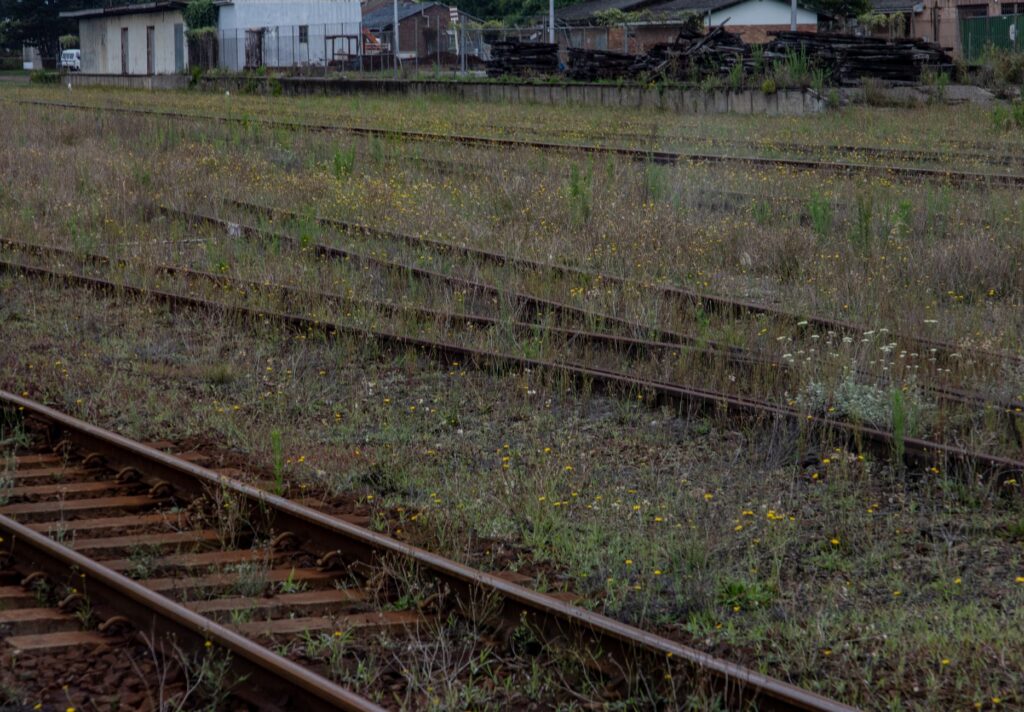
Travel logistics: Traveling along the old road routes parallel to the rail line can be done by rental car or intermunicipal transport. The highways connecting Cali with Tuluá and Cartago offer a clear perspective of the railway alignment and its relationship with sugarcane fields.
Tips for the specialized traveler: For those interested in industrial archaeology and transport history, it is advisable to contact local heritage foundations or the departmental historical archive in advance to coordinate guided visits to active railway yards and warehouses.
Epilogue: The Horizon on the Rails
Dusk falls over the Cauca plain. The sun descends slowly behind the bluish peaks of the Western cordillera, dyeing the vast sugarcane fields that stretch as far as the eye can see in golden and ochre tones. Over the unalterable profile of steel rails, which still retain the day’s accumulated heat, the silence is broken only by the whisper of wind through foliage and the distant clatter of agricultural machinery. This land, shaped by human effort and the tenacity of generations of engineers and workers, continues to find in its rail axis the latent promise of a connected future. As long as steel withstands the passage of time and nature, the pulse of the valley will continue to beat to the steady rhythm of its logistical vocation and its unwavering openness toward the sea.