
In the geographical heart of Gorno-Badakhshan, where the Pamir Range collides with the Karakoram and the Hindu Kush, the wind blows at over four thousand meters above sea level with the freezing dryness of high-altitude steppes. This orographic node, historically known as the Roof of the World, holds one of the most stable and vital populations of the snow leopard (Panthera uncia) on Earth. In a territory defined by tectonic isolation and extreme aridity, the survival of the planet’s most elusive feline is not merely a marvel of biological evolution, but the direct outcome of a paradigm shift in environmental stewardship led by mountain communities.
For decades, rampant poaching and competition with livestock severely depleted populations of this apex predator and its natural prey. However, in the eastern valleys of Tajikistan, former high-altitude hunters have transformed their traditional ecological knowledge into the cornerstone of a conservation model rooted in community conservancies. This report explores the geology of the Pamir, the physiological adaptations of the species, the dynamics of its prey, and the scientific impact of a transboundary conservation initiative that is rewriting the biogeography of Central Asia’s cold deserts.
Geogenesis of the Roof of the World: the rocky stage of the Great Pamir
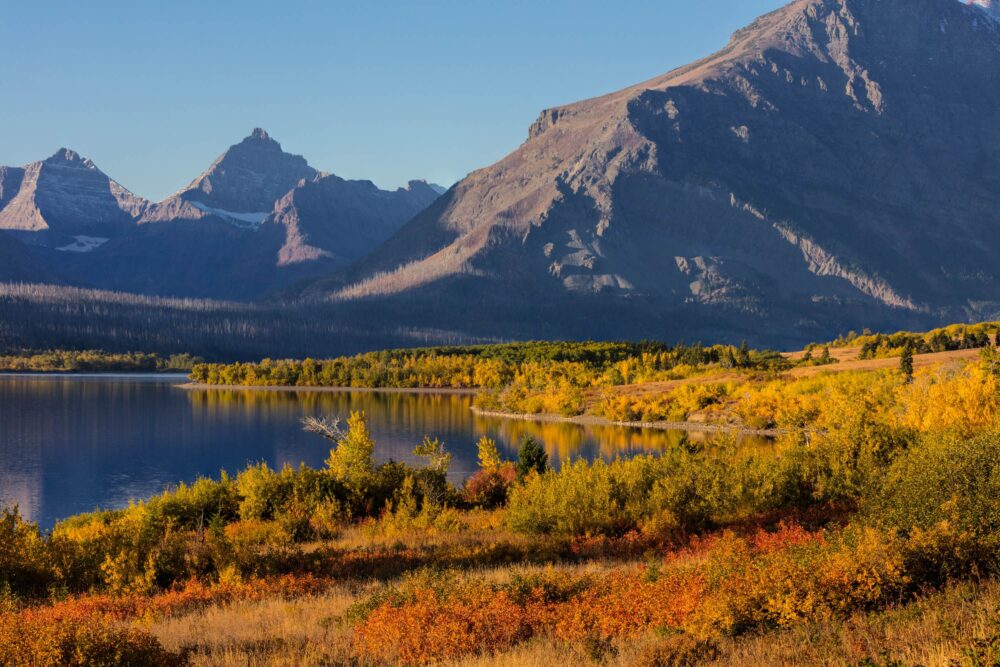
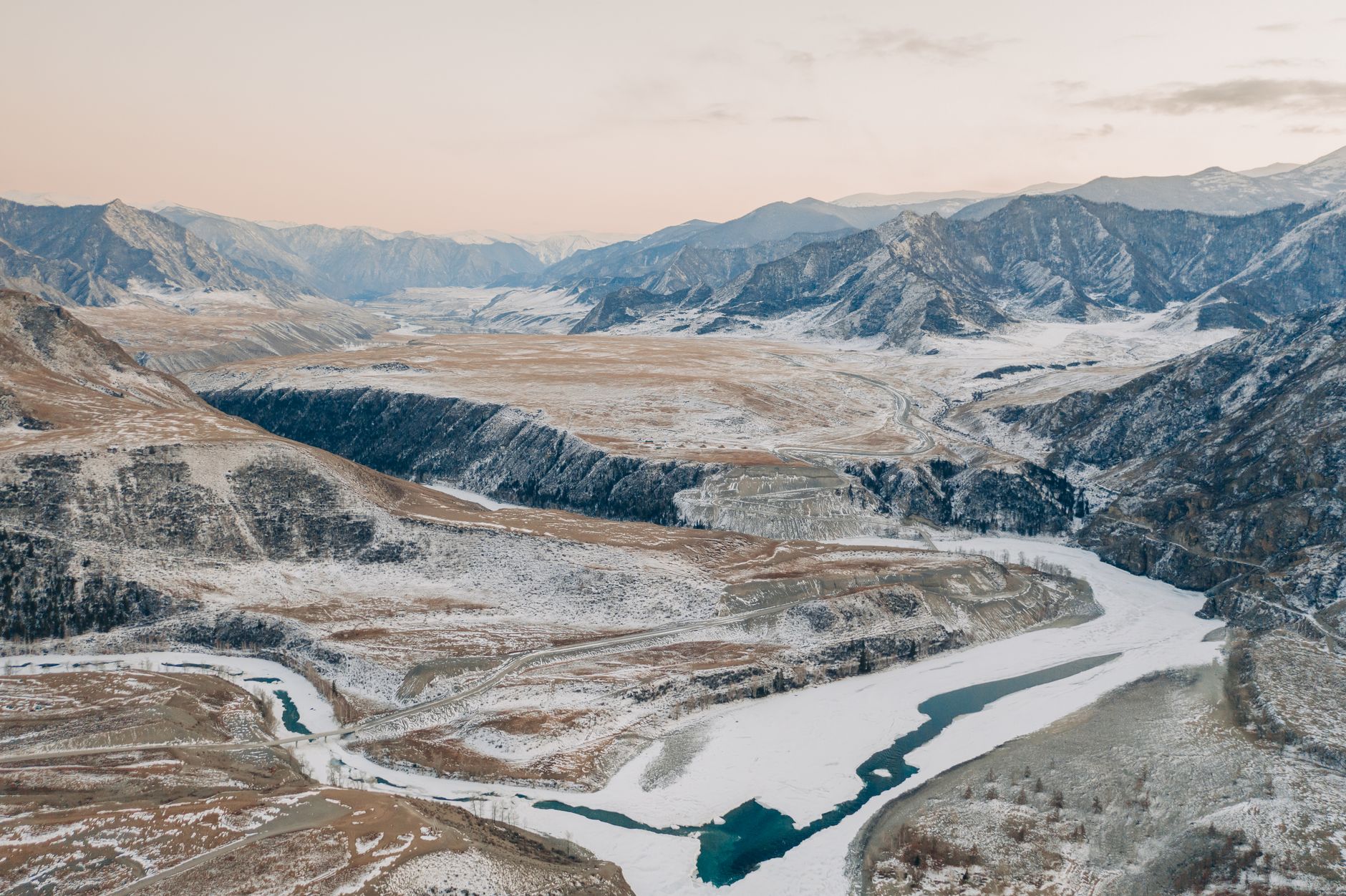
The architectural framework of the Pamir was forged by the continuous collision of the Indian tectonic plate into Eurasia, an ongoing Cenozoic mountain-building process that elevates the landscape by several millimeters each year. This tectonic impact produced a high plateau landscape rimmed by jagged ridges frequently surpassing seven thousand meters above sea level, such as Ismoil Somoni Peak. The region’s geomorphology features U-shaped glacial valleys carved during the Pleistocene, extensive talus slopes, and vast endorheic basins composed of schists, granites, and metamorphic limestones.
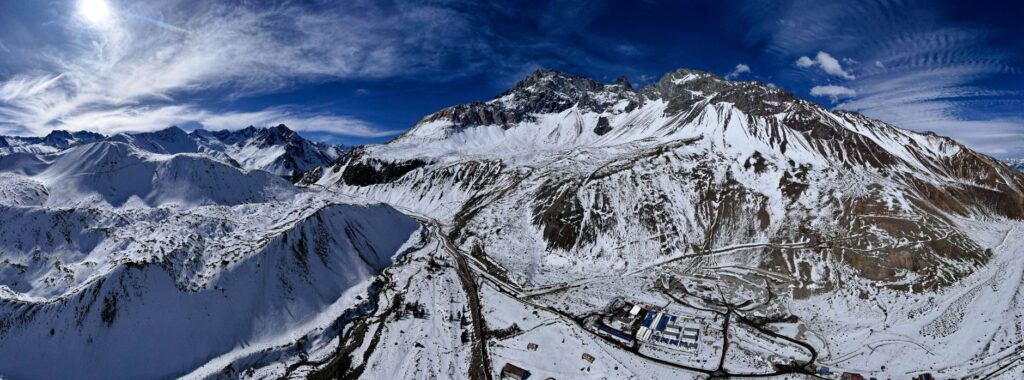
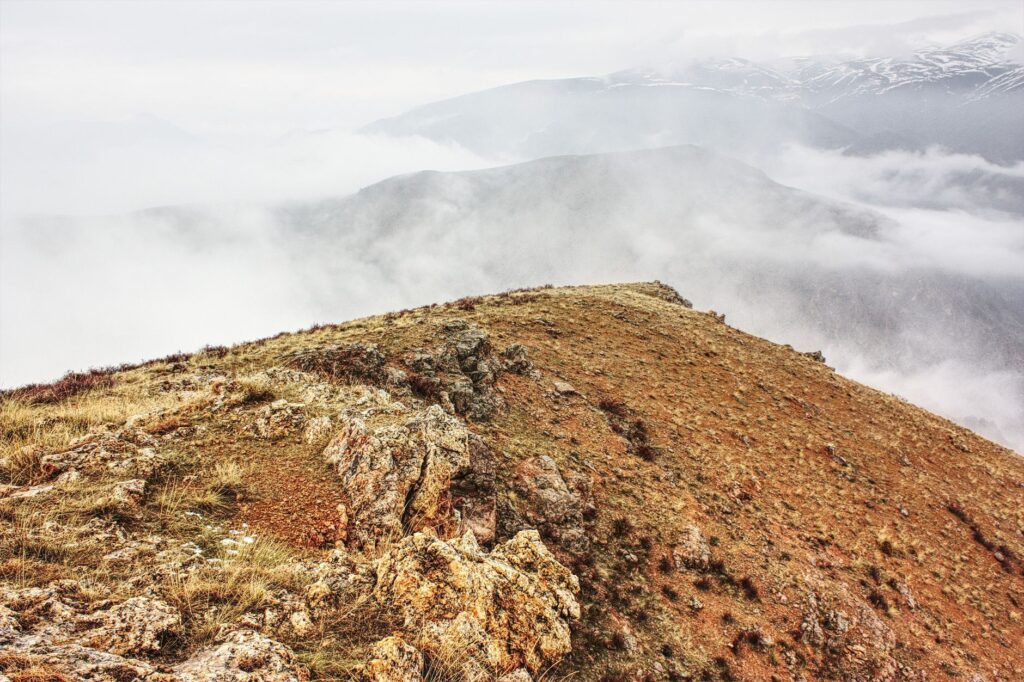
The climate of the eastern Pamir is marked by extreme continental aridity, dominated by freezing Siberian air masses and the profound rain shadow of the surrounding giant ranges. Annual precipitation rarely exceeds one hundred millimeters, falling almost exclusively as snow during the winter months. These harsh climatic parameters dictate a sparse alpine tundra and arid steppe flora, characterized by cushion plants of the genus Acantholimon, low shrubs of Artemisia, and hardy Stipa grasses. Within this stark, mineral landscape, the ecological niches of Central Asia’s high-altitude fauna are intricately interconnected.
Anatomy of adaptation: the extreme biology of Panthera uncia
The snow leopard is an evolutionary specialist engineered for life on the steepest and most inhospitable slopes on Earth. Unlike other members of the genus Panthera, Panthera uncia possesses a broad skull featuring enlarged nasal cavities designed to warm freezing mountain air before it reaches the lungs. Its deep, voluminous chest cavity maximizes oxygen exchange in low-pressure environments where atmospheric oxygen is significantly thinner than at sea level.
Its fur, reaching an extraordinary density of up to four thousand hairs per square centimeter on the belly during winter, provides impenetrable thermal insulation. Broad paws, covered with thick fur on the undersides, act as natural snowshoes to distribute the animal’s weight across soft snow while insulating against frozen rock. Yet its most distinctive anatomical feature is the tail, which equals the total length of its head and body. This muscular, flexible appendage functions both as a dynamic counterweight during acrobatic leaps across canyon walls and as a thermal blanket wrapped around the face while sleeping.
The snow leopard does not merely inhabit the rock; the rock is its very anatomy in motion, an evolutionary camouflage perfected over millennia of alpine isolation.
The mountain ungulate: trophic dynamics between Siberian ibex and Marco Polo sheep
The long-term viability of snow leopard populations in the Pamir depends fundamentally on the relative abundance of two primary ungulate species: the Siberian ibex (Capra sibirica) and the Marco Polo sheep (Ovis ammon polii), famous for its massive spiral horns that can span over 1.5 meters. The feline’s spatial distribution mirrors almost exactly the rugged, broken terrain where the ibex seeks safety, as Panthera uncia relies on short downhill ambushes launched from overhead rock ledges.

The cat’s diet is supplemented by smaller mammals, notably the Pamir marmot (Marmota baibacina) during its active summer months, desert hares, and avian species such as Himalayan snowcocks. The top-down regulation exerted by the predator prevents overgrazing on fragile high-altitude alpine vegetation, proving that the big cat serves as an irreplaceable bioindicator of overall ecosystem health across the massif.
From hunters to guardians: the community conservancy revolution in Tajikistan
Following the collapse of the Soviet Union in the early 1990s, intense economic hardship fueled widespread poaching that devastated ungulate populations in Gorno-Badakhshan, pushing the snow leopard to the brink of local extirpation. The antidote to this ecological breakdown emerged from within the Pamiri villages themselves. Through local governance frameworks supported by international conservationists, vast expanses of land across the Alichur and Murghab basins were established as community-managed hunting and conservation conservancies.
The core philosophy of this shift was straightforward yet transformative: render living wildlife more valuable to local residents than dead poached game. By directing revenues from controlled, high-value wildlife tourism and scientific expeditions into community infrastructure, schools, and livestock loss compensation funds, former poachers became the area’s most dedicated wildlife rangers. Rotational grazing management was also introduced to eliminate resource competition between domestic livestock and wild Marco Polo sheep herds.
Thermal imaging and tracking: the non-invasive science of camera trapping
Studying a creature as naturally elusive as the snow leopard has undergone a technical revolution over the past decade. The deployment of motion-activated infrared camera traps has allowed biologists to map density patterns of Panthera uncia without disturbing its natural movement or causing stress. The unique rosette patterns of each individual’s coat function like a biological fingerprint, allowing artificial intelligence algorithms to accurately recognize specific individuals over time.
In parallel with non-invasive genetic sampling of scats collected along ridgelines and mountain passes, researchers have gained vital insights into the genetic diversity, movement corridors, and dispersal rates of sub-adult cats. These monitoring networks, largely operated by local rangers trained in field techniques, demonstrate that the Pamir populations in Tajikistan retain higher levels of genetic health than isolated mountain pockets elsewhere in Central Asia.
Transboundary corridors: seamless biogeography between Pamir and Hindu Kush
Large carnivores do not respect human geopolitical boundaries drawn across mountain maps. An individual snow leopard can patrol a home range spanning hundreds of square kilometers, frequently migrating between Tajikistan, Afghanistan, China, and Kyrgyzstan. Ensuring the species’ long-term survival requires active environmental diplomacy to maintain open transboundary wildlife corridors that allow for uninterrupted gene flow.

The Wakhan Corridor, a narrow strip of Afghan territory separating Tajikistan from Pakistan and touching China, serves as a vital ecological bridge. The establishment of the Wakhan National Park and its collaborative alignment with the UNESCO-listed Tajik National Park has laid the foundation for an international peace park. This cross-border cooperation helps prevent habitat fragmentation caused by border fencing and transport infrastructure projects expanding across Central Asia.
True conservation success does not lie in fencing nature off, but in preserving the physical continuity of the vast horizons across which wild life roams.
Practical guide
How to get there and getting around
Travel to the eastern Pamir typically begins in Dushanbe, the capital of Tajikistan, via the legendary Pamir Highway (M41)—one of the world’s most spectacular high-altitude road journeys. A robust four-wheel-drive vehicle in top mechanical condition, equipped with two spare tires and extra fuel canisters, is mandatory, as repair facilities and fuel supplies are scarce east of Khorog.
Permits and official documentation
To enter the Gorno-Badakhshan Autonomous Region (GBAO), travelers must secure a GBAO permit in addition to the standard Tajik electronic visa prior to arrival. If your itinerary includes entering restricted border zones or deep sectors of the Tajik National Park, daily entry permits must be settled at park administration offices in Khorog or Murghab.
Best time to visit and climate conditions
The optimal window for wildlife tracking and high-altitude trekking runs from July through October, when high passes are generally clear of heavy snow drifts and daytime temperatures remain manageable. However, experienced naturalists seeking visual tracking during the snow leopard’s winter mating season visit in February and March, when temperatures routinely drop below minus thirty degrees Celsius.

Local logistics and homestays
Tourist infrastructure in the eastern Pamir is rugged and minimal. Visitors stay in Pamiri homestays in remote settlements like Alichur, Bulunkul, or Murghab. These homestays feature dried manure stoves, hearty home-cooked meals featuring barley soup, flatbread, and yak milk tea, offering authentic cultural immersion. Hiring accredited local guides and trackers linked to community conservancies is essential for responsible navigation.
Essential expedition equipment
- Layered expedition outerwear including a heavy down parka, technical waterproof shell jacket, and merino wool thermal base layers.
- High-grade optics: 8×42 or 10×42 binoculars alongside a high-definition spotting scope mounted on a wind-stable tripod.
- Four-season sleeping bag rated for extreme cold (minimum -20°C to -30°C comfort rating).
- Satellite communication device and a comprehensive medical kit including high-altitude medication (acetazolamide).
- UV water purification equipment and high-capacity portable power banks with solar charging capabilities.
The grey ghost’s horizon: a commitment to alpine stillness
Looking out over the endless mountain valleys of the Pamir from a windswept pass at 4,500 meters is a lesson in ecological humility. In this world of blinding light and sharp shadows, the presence of the snow leopard is felt before it is seen: a fresh print pressed into frozen crust, a scent mark along a granite cliff, or the sharp alarm call of a marmot echoing down the canyon. Searching for this phantom reminds us that the planet’s remaining wild places are intricate, fragile ecosystems requiring utmost respect from those who tread through them.
The Pamir conservation model proves that the future of endangered wildlife depends entirely on empowering the human communities who share their mountains. When local pastoralists see the mountain ghost as an asset to their valley’s sustainable future, the predator is transformed from a livestock threat into an emblem of living heritage. Protecting the high Pamir is not merely about saving an iconic predator; it is about keeping intact one of the grandest natural landscapes formed in geological time.