The Geography of Silence in the High Grisons Canton
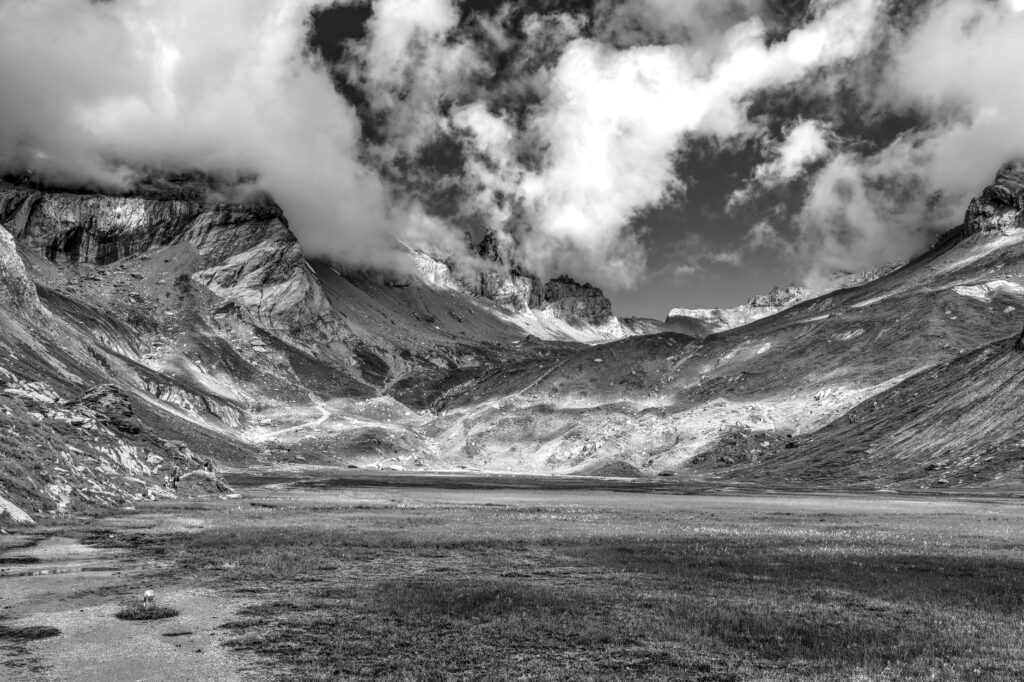
The alpine territory of the Grisons in eastern Switzerland operates under a climatic and topographical logic that dissolves modern urgency. At over a thousand meters of altitude, the Vals Valley is enclosed between dark stone slopes and conifer forests where the dominant sound is the rushing of melting snowmelt. In this remote setting, the presence of a mineral water spring at thirty degrees Celsius has for centuries provided a refuge against harsh climatic conditions. Far from the mass tourism circuits of Central Europe’s upper middle class, Vals maintained a strict agricultural and pastoral vocation for generations, barely altered by the discovery of springs with mineralizing properties documented since the Middle Ages. The arrival of architectural thermalism in the late 20th century transformed the valley without corrupting its fundamental isolation, establishing a rigorous dialogue between local geological matter and the contemporary need for mental pause.
The central question running through this report examines how the architecture of decompression and geographical isolation act as biological catalysts to combat chronic cognitive exhaustion. While conventional wellness tourism prioritizes sensory distraction and the accumulation of cosmetic treatments, contemporary currents in preventive health point toward environmental purging: the deliberate reduction of luminous, acoustic, and social stimuli. The Vals thermal complex responds precisely to this urgency, turning the space into a territory where the body reconnects with its natural circadian rhythms through contact with mineral water and stony mass.
The Materiality of Stone: Geology and Sanctuary
To understand the wellness experience in Vals, it is imperative to analyze the material substrate that supports it. The thermal baths do not present themselves as a building embedded in the landscape, but rather as an extension of the mountain itself. Conceived by Swiss architect Peter Zumthor and inaugurated in 1996, they were constructed using more than sixty thousand slabs of quartzite extracted from the local quarry in the valley. This gray stone, veined with silver and greenish tones, accumulates the temperature of the environment and the water, creating a tactile and monolithic cave atmosphere. Each block was cut and placed with millimetric precision, forming a load-bearing wall system that evokes the ancient geological formations of the Lepontine Alps.

The construction process of this thermal sanctuary prioritized durability and integration over ornamental artifice. There are no superfluous decorative elements; the beauty of the space emanates from the strict modulation of the stone, the filtering of natural light entering through narrow slits in the roof, and the constant temperature of the various pools. This constructive rigor generates an immediate psychological impact on the visitor: the feeling of solidity conveys protection, drastically reducing cortisol levels associated with urban vulnerability. Architecture ceases to be a container and becomes an instrument of bodily attunement.
The Alchemy of Water: Mineralization and Temperature
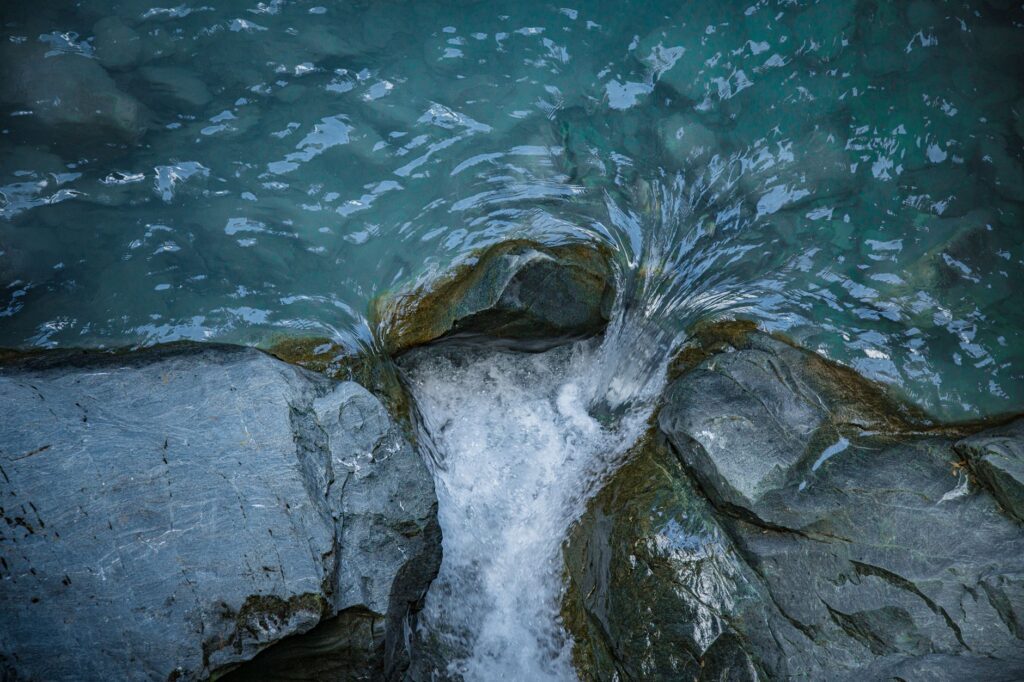
The water that springs in Vals is not a neutral resource; it constitutes a complex hydrogeochemical solution rich in sulfates, calcium, and magnesium, emerging from the depths of the earth at a constant temperature ranging between twenty-eight and thirty degrees Celsius. This liquid, which has completed a cycle of underground filtration through layers of rock over decades, possesses sedative properties on the autonomic nervous system. Inside the thermal complex, the water is distributed in large pools of pure geometric plan, each with a differentiated thermal and luminous function that stimulates circulatory contrast.
Immersion protocols in Vals follow a rigorous sequence inspired by Central European bathing traditions, but stripped of unnecessary formalisms. One transitions from the fire bath—a dark, warm room clad in radiant stone—to the outdoor cold water pools, where thermal contrast causes peripheral vasoconstriction followed by intense vasodilation. This physiological process mobilizes the lymphatic system, releases endorphins, and generates a state of deep muscular relaxation. Preventive medicine specialists point out that this type of controlled hydrotherapy is one of the most effective methods to deactivate the permanent alert state that characterizes contemporary brains.
The Architecture of Dusk and the Circadian Rhythm
One of the most radical aspects of spatial design in Vals is the management of light. Instead of large windows oriented toward panoramic views of the valley, the building employs a system of overhead openings and horizontal slits that fragment sunlight, casting golden beams onto the water’s surface and the quartzite walls. This calculated twilight drastically reduces visual overstimulation, allowing the retina and visual cortex to rest. In an era marked by the constant blinking of screens and urban light pollution, immersing oneself in an environment where light is a scarce and measured resource constitutes a radical form of digital detoxification.
Acoustic silence completes this sensory reconfiguration experience. The complex’s rules prohibit the use of electronic devices and restrict the tone of voice, generating an atmosphere of collective contemplation where the dominant sound is the dull murmur of water overflowing the edges of the stone. This acoustic isolation facilitates introspection and spontaneous meditation. Various studies in neuro-architecture applied to the built environment demonstrate that prolonged exposure to natural soundscapes and silent spaces significantly reduces blood pressure and lowers heart rate in less than forty-eight hours.
Thermal water is not just a physical medium of healing, but a liquid mirror that returns to the individual their own scale against the immensity of the mountain.
Life in the Valley: Subsistence Economy and Hospitality
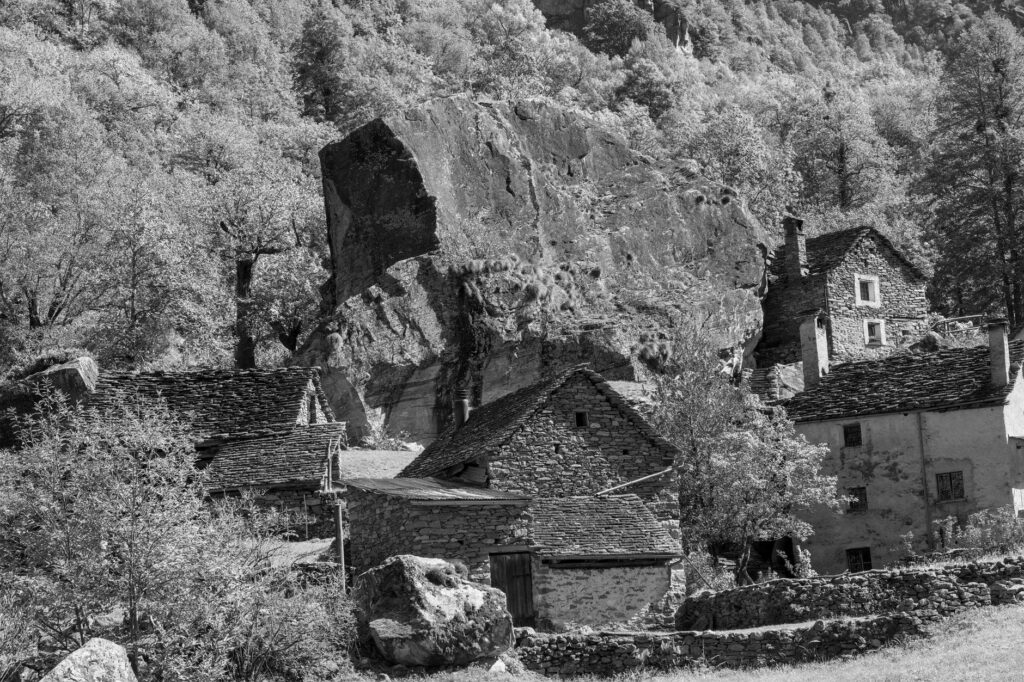
Beyond the quartzite walls, the village of Vals preserves a social and economic structure deeply linked to the land. With a population barely exceeding one thousand inhabitants, the community has managed the influx of visitors without losing its alpine identity. Traditional sun-charred wooden buildings, known as *Walserhäuser*, coexist with contemporary hotel infrastructure in a fragile yet sustained balance. The local economy is sustained by high-mountain dairy farming, the production of artisanal raw milk cheeses, and sustainable forestry that guarantees the conservation of protective forests against avalanches.

The valley’s gastronomy reflects this vocation of origin. In the taverns and inns of Vals, local products do not respond to a gourmet marketing strategy, but to a historical necessity of self-sufficiency. Dishes based on cured game meats, root tubers, ancient flours, and alpine pasture butter nourish the traveler with a caloric density appropriate for the rigorous climate. This anchoring in the local reinforces the wellness experience: the body feeds on the same thing that nourishes the landscape, closing a circle of ecological coherence that sharply contrasts with the food delocalization of large metropolises.
The Role of Digital Disconnection in Mental Health
The ban on mobile phones inside the Vals baths is not a picturesque eccentricity, but an indispensable therapeutic intervention. Contemporary hyperconnectivity keeps the brain in a state of fragmented multitasking that scatters attention and raises baseline anxiety levels. By depriving guests of their screens, the space forces them to confront temporal emptiness—that initial sensation of discomfort that precedes real rest. Environmental psychologists term this phenomenon the ‘silence cure’: a period of supervised digital abstinence driven by the physical environment itself that restores deep concentration capacity and associative thinking.
During the first hours without access to notifications, it is common to experience a mild form of withdrawal syndrome, manifested in motor restlessness or a compulsive need to check empty hands. However, as the body absorbs the mineral heat of the quartzite and the water, that initial tension gives way to slower breathing and an amplified perception of the surroundings. Time ceases to be measured in programmed minutes and comes to be governed by water temperature and the sun’s position over the valley peaks.
True exclusivity in the 21st century does not lie in access to ostentatious luxury and unlimited consumption, but in the capacity to regain control over one’s own time and attention.
Practical guide
How to get there: From Zurich, take the intercity train toward Chur and transfer in Ilanz to the regional postal bus that winds up the Vals Valley to the terminal station. The total journey takes approximately two and a half hours.
When to go: Autumn months (September and October) and spring (May and June) offer the lowest visitor influx and optimal weather to combine mountain hikes with thermal sessions. In winter, the contrast between outside snow and hot water reaches its maximum aesthetic expression.
Accommodation: The complex includes the design hotel associated with the baths, but the village features traditional *Walser* guesthouses run by local families offering a more authentic immersion in alpine culture and local gastronomy.
Access rules: It is mandatory to book thermal tickets weeks in advance due to strictly limited capacity to preserve the tranquility of the space. The use of cameras and mobile phones is strictly prohibited throughout the indoor facility.
Health and equipment: It is recommended to consult a medical specialist before undergoing intense contrast baths if suffering from chronic cardiovascular conditions. Bringing comfortable footwear for trails and appropriate warm clothing for alpine sunset thermal variations is advisable.
The Final Reunion with Alpine Stillness
When the thermal day concludes and the body leaves the mineral twilight of the baths, the descent outward becomes a smooth transition into the alpine night. At that hour, the silhouette of the mountains cuts against a deep blue sky, and the cold high-altitude air cleanses the lungs with almost surgical force. In that final instant, seated on a wooden bench facing the silent valley, the traveler understands that the true value of the experience lies not in the luxury of the facilities, but in the recovery of an inner sovereignty lost among the urgencies of modern life. The quartzite, the warm water, and the silence of the Grisons canton have fulfilled their mission: returning the human organism to its natural cadence, reminding it that health is, above all, a form of equilibrium with the earth that sustains it.