
The Geography of Absolute Silence
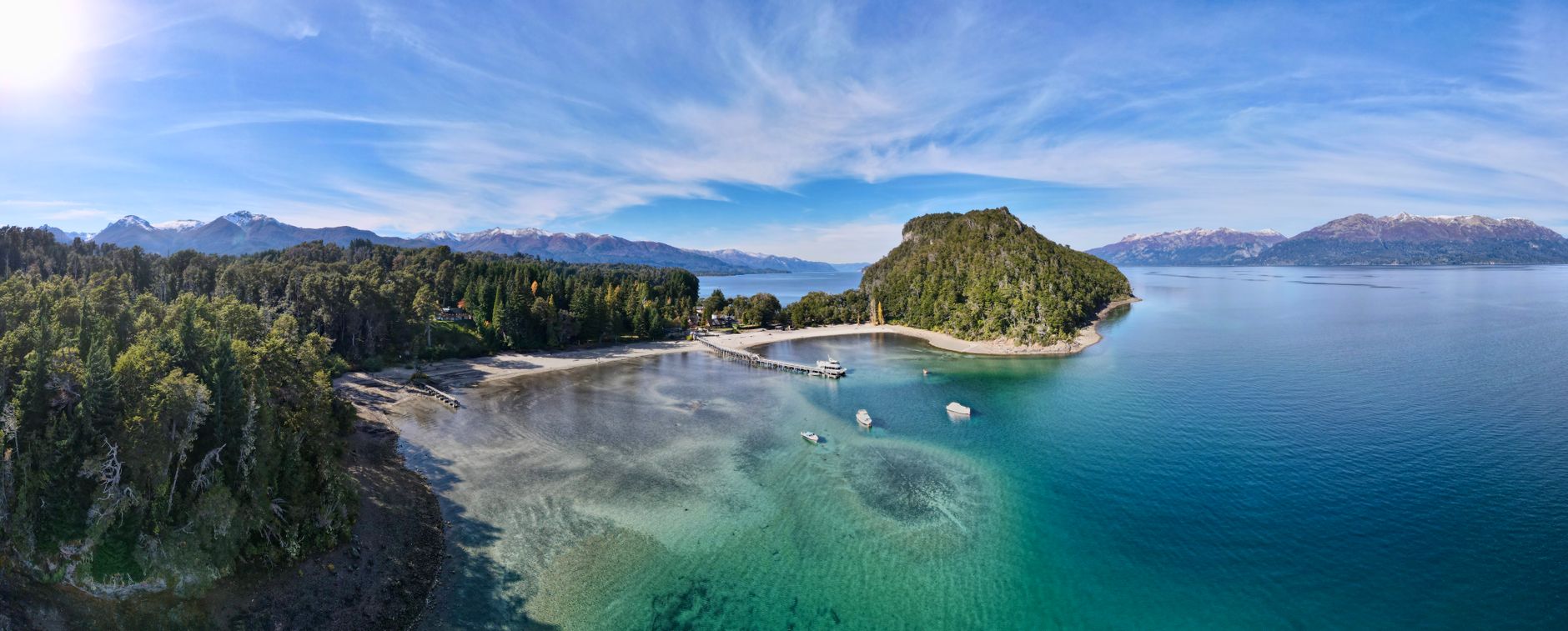
In a hyperconnected world where immediacy and sensory overload have become the baseline norm, true contemporary luxury is no longer measured in square meters of gold or ostentatious amenities. Instead, it translates into a single intangible variable: silence. Private island resorts in Latin America, situated primarily in the warm waters of the Caribbean and protected enclaves of the tropical Pacific, offer a radical response to modern fatigue. This is not simply about staying at an exclusive hotel, but about inhabiting insular territories where human presence is reduced to the bare minimum, allowing travelers to reclaim sovereignty over their own time.
The phenomenon of private island resorts has evolved exponentially over recent decades. What began as summer refuges for magnates and celebrities has transformed into a sophisticated industry of ultra-luxury hospitality. These complexes operate under an almost monastic premise of comfort: offering absolute isolation without compromising the highest standards of haute cuisine, bioclimatic architecture, and personalized service. In these enclaves, geography acts as a natural moat that shields guests from the noise of the modern world, creating a microcosm where every dawn and dusk belongs exclusively to those who behold them.
Invisible Architecture and Respect for Insular Territory
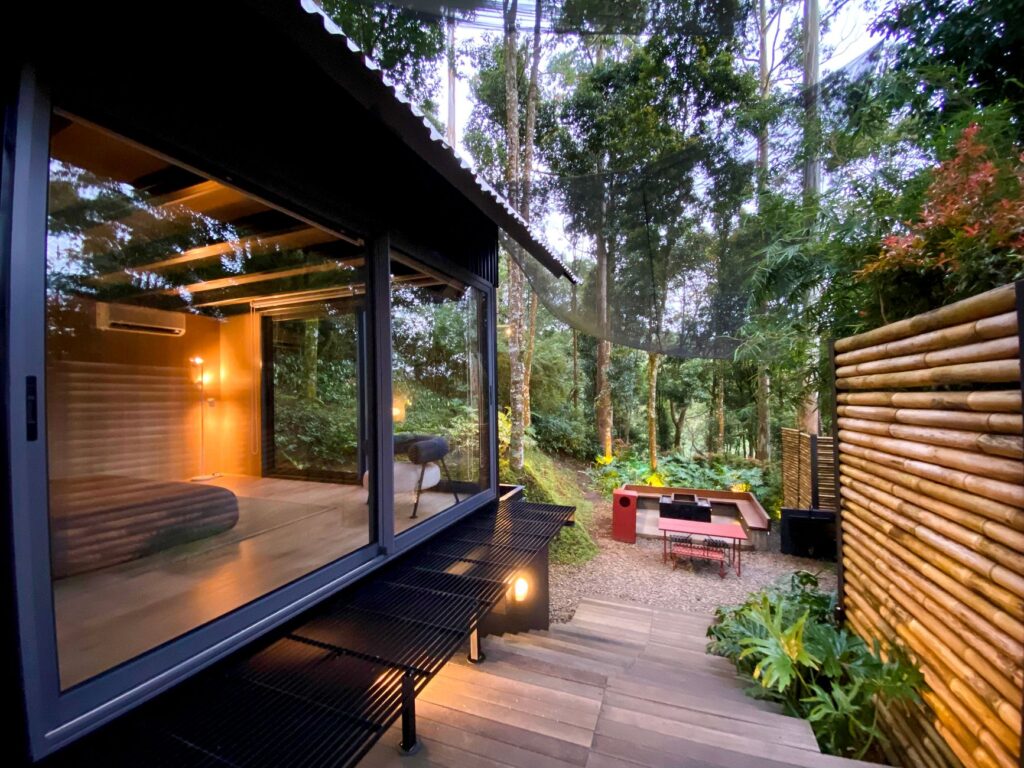
One of the greatest achievements of the region’s finest island resorts lies in their architectural intervention. Far from imposing structures alien to the setting, contemporary designers and architects embrace so-called invisible architecture. Villas and pavilions merge seamlessly with native vegetation, utilizing local materials such as certified hardwoods, coral stone, and hand-woven palm thatched roofs that allow marine breezes to naturally cool the spaces. The aesthetic and functional goal is for the building to vanish in the face of the overwhelming presence of the surrounding landscape.
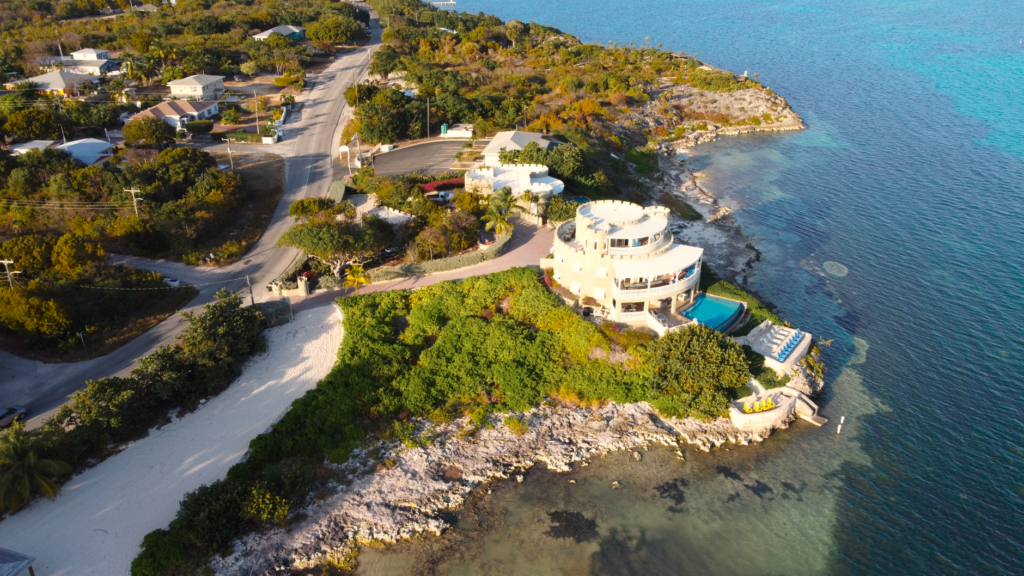
This integration extends far beyond aesthetics, involving complex sustainable engineering systems that allow these islands to operate with near-autonomy. Solar energy, state-of-the-art desalination plants, and wastewater treatment programs are essential operational standards in these fragile ecosystems. Sustainability is no longer an added value, but the absolute condition for the viability of these delicate environments. By drastically reducing their ecological footprint, these resorts ensure that the pristine beauty attracting travelers remains unaltered for future generations, proving that ultra-luxury and environmental conservation can coexist in perfect harmony.
Gastronomy as a Reflection of the Tide
The culinary experience on a private island is far removed from conventional gastronomic circuits. Free from the constraints of traditional wholesale markets or mass supply chains, executive chefs at these resorts must establish a symbiotic, direct relationship with the sea and mainland local producers. Daily menus are literally written by what local fishermen bring to the docks at dawn and what is harvested in organic gardens planted right on the resort’s grounds.
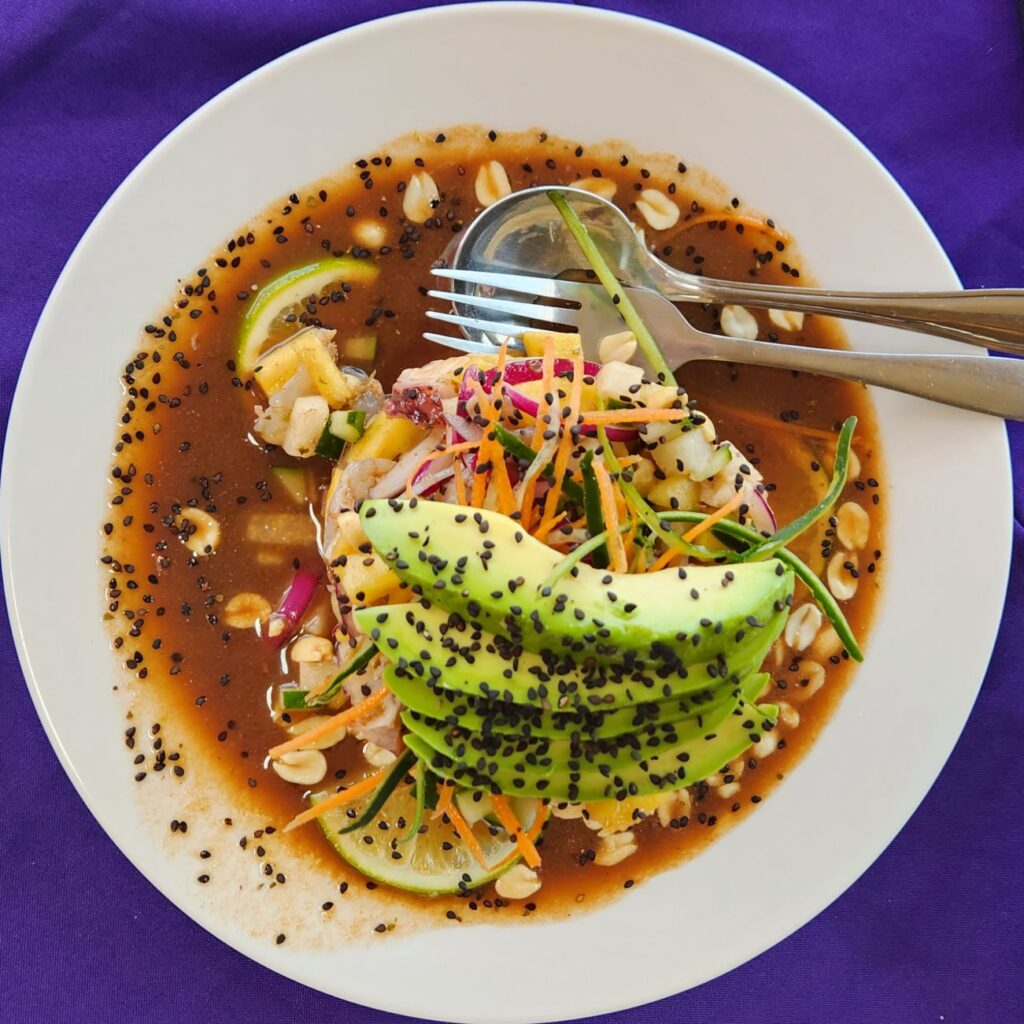
This zero-kilometer cuisine translates into dishes where product freshness is the absolute protagonist. A ceviche prepared with lobster caught mere meters from the dining table, accompanied by endemic herbs and citrus fruits grown under the tropical sun, tells a geological and cultural story far deeper than any urban fine-dining creation. Diners are not merely eating; they are ingesting the landscape itself, establishing a direct sensory link with the island hosting them. The wine cellars, meanwhile, house exceptional selections preserved in optimal conditions despite geographical remoteness, completing a circle of gastronomic excellence in the middle of the ocean.
Suspended Time: Biological Rhythm Versus the Clock
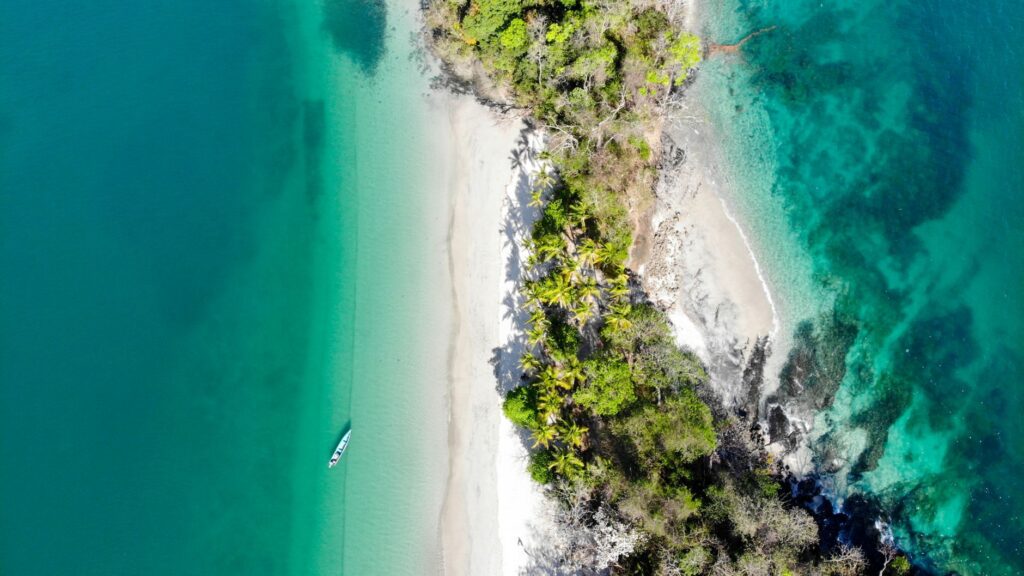
The most remarkable psychological impact of a private island stay manifests within days of arrival: the disappearance of temporal urgency. Free from untimely phone calls, traffic horns, and the social pressure of mass tourism itineraries, guests experience a deceleration of their biological rhythms. Mornings are not dictated by alarms, but by the sunrise breaking over the horizon; afternoons are measured not by meetings or appointments, but by tidal variations and the movement of shadows across white sand.
This suspension of time allows for a profound reconnection with oneself and one’s companions. Available activities are designed to foster introspection and active wonder. Whether through scuba diving immersions in unexplored coral reefs, long walks along jungle trails where only the singing of tropical birds can be heard, or simply reading in a hammock suspended between two palm trees, the focus shifts from accumulating experiences to the quality of presence. Luxury at this level is redefined as the absolute freedom to do nothing without guilt.

The Art of Invisible Service
The excellence of hospitality on a private island rests on a paradoxical concept: invisible service. Butlers, yacht captains, massage therapists, and private chefs are trained to anticipate every guest’s desire even before it is voiced, yet they do so with such discretion that their presence is barely noticed. There are no ostentatious uniforms or rigid protocols; what prevails is a warm, approachable demeanor that strictly respects visitors’ privacy and need for isolation.
This level of personalization requires exceptional human teams, often recruited from local communities who know the deepest secrets of the surrounding waters and geography. Their genuine hospitality provides an indispensable cultural anchor to the journey, preventing the resort from becoming a sterile, disconnected bubble. Through their stories, ancestral knowledge of the sea, and pride in their territory, travelers realize they are guests in a living, respected home rather than mere consumers of a commercial product.
Digital Disconnection and the Rediscovery of Physicality
Although the technical infrastructure of these resorts allows high-speed satellite connections for those who absolutely require them for professional reasons, the dominant trend among visitors is voluntary disconnection. Surrendering mobile devices to the front desk upon arrival has become a contemporary rite of passage. Turning off screens opens the door to reclaiming physicality: the feel of warm sand, the sound of wind whipping through coconut fronds, the physical exertion of kayaking over crystal-clear waters, or the concentration required to spot a sea turtle in its natural habitat.
This digital fasting acts as a cognitive balm. Information overload yields to contemplative wonder. Sunsets are no longer photographed compulsively to be shared on social networks; they are etched directly into memory through direct experience. This return to the analog is perhaps the most valuable service a private island can offer in the 21st century: the opportunity to regain exclusive ownership of our own attention and capacity for wonder.
Practical guide
Planning a stay at a private island resort in Latin America requires logistics as meticulous as the journey itself, given the remoteness and exclusivity of these enclaves.
- When to go: The dry season, spanning from December to April, offers the most stable weather conditions with clear skies and calm seas. Summer and autumn months in the Caribbean can bring precipitation and tropical activity, though prices are often more flexible and the island feels even more solitary.
- How to get there: The vast majority of these resorts organize private transfers combining small aircraft flights from major international airports with high-speed boat or helicopter rides directly to the island’s dock.
- Reservations: Due to the limited capacity of these complexes—which often operate with a maximum of ten to twelve villas simultaneously—booking at least six to twelve months in advance is essential, particularly for festive holiday seasons.
- Requirements and formalities: Verifying valid passports and visas for the transit and destination countries in Latin America is crucial, as is coordinating any special dietary needs, medical restrictions, or complex logistical requests with the resort’s concierge service prior to arrival.
The Threshold of Return
The true value of an experience on a private island does not lie in the magnificence of its facilities or the exclusivity of its services, but in the subtle transformation it works upon the spirit of those who inhabit it. Leaving the dock to begin the journey back to the mainland, travelers carry something far more enduring than photographic memories: an inner reserve of calm, a readjusted internal compass, and the comforting certainty that somewhere in some remote reach of the sea, havens still exist where time stops and the outside world ceases to matter.
Source in EN: Condé Nast Traveler – The 16 Best Resorts on Private Islands for an Ultra-Exclusive Getaway