
Introduction to Scotland’s Atlantic Frontier
On the western edge of the Firth of Clyde, where Atlantic currents clash with the rugged cliffs of the Scottish coast, the Isle of Arran represents far more than a haven of biodiversity and landscapes shaped by ancient glaciers. This island territory, popularly known as ‘Scotland in Miniature’, has faced for decades the fundamental dilemma of any isolated community: how to maintain a fluid, economical, and vital connection with the mainland without sacrificing the ecological fragility that defines its natural appeal. Far from yielding to the pressures of mass tourism or demographic isolation, local authorities, community cooperatives, and ferry operators have driven a radical transformation in their mobility model.
The challenge is substantial. Every year, hundreds of thousands of visitors and residents depend on a multimodal transport system that must cope with extreme weather conditions, tourism seasonality, and the imperative need to reduce its carbon footprint. The response has materialized in a pioneering strategy of port electrification, the integration of next-generation hybrid ferries, and the deployment of shared transport networks that prioritize the needs of the local population over the traditional rental car. This report examines the technical, economic, and social mechanisms that allow such a vulnerable island territory to lead the way toward the decarbonization of maritime and terrestrial transport in the United Kingdom.
The Historical Role of the Ardrossan-Brodick Maritime Route
To understand the magnitude of the current transformation in the Isle of Arran, it is necessary to look back and analyze the evolution of its umbilical link with the Scottish mainland. For more than a century, the shipping route connecting the mainland port of Ardrossan with Brodick, the island capital, has been the main artery through which goods, fuel, healthcare professionals, students, and travelers flow. Traditionally operated with high-power diesel vessels, this route has periodically suffered from the tensions derived from fluctuating fossil fuel prices and increasingly stringent regulatory demands regarding greenhouse gas emissions.
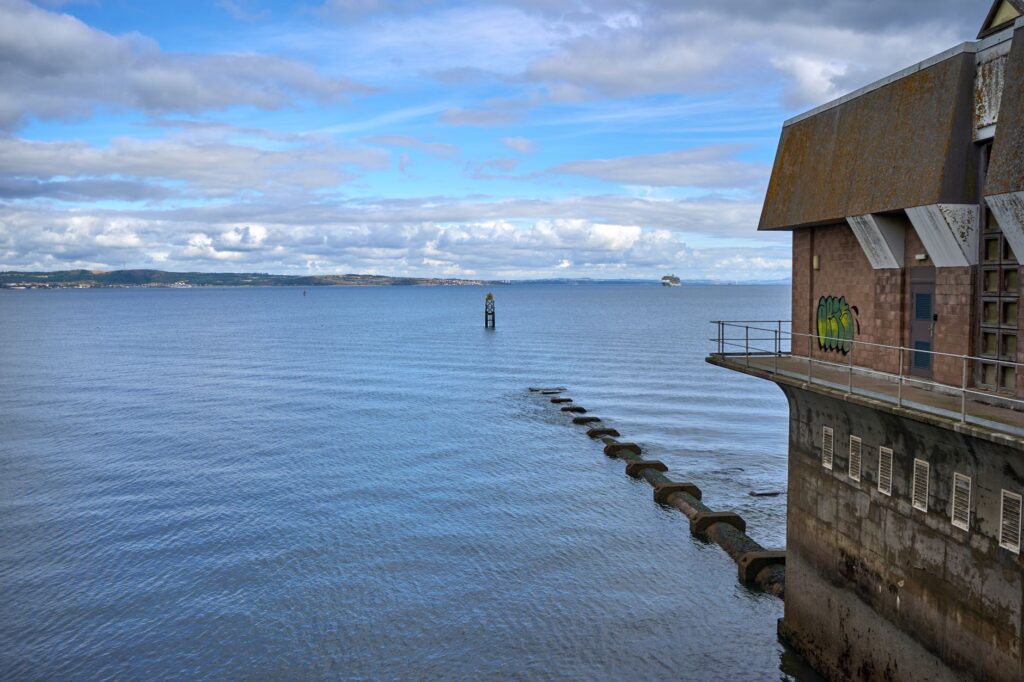
In the late past decade, combined pressure from local residents and environmental groups forced a complete rethinking of the fleet. The older vessels, although reliable, were noisy, polluting, and energy-inefficient during docking maneuvers in sheltered yet environmentally sensitive waters. The gradual introduction of hybrid vessels combining low-emission diesel engines with high-capacity battery systems marked the beginning of a new era. These ships not only drastically reduce carbon dioxide emissions during crossings but also minimize underwater acoustic pollution, a critical factor for protecting local marine wildlife, including populations of porpoises and grey seals inhabiting the Firth of Clyde.
Port Electrification as the Backbone
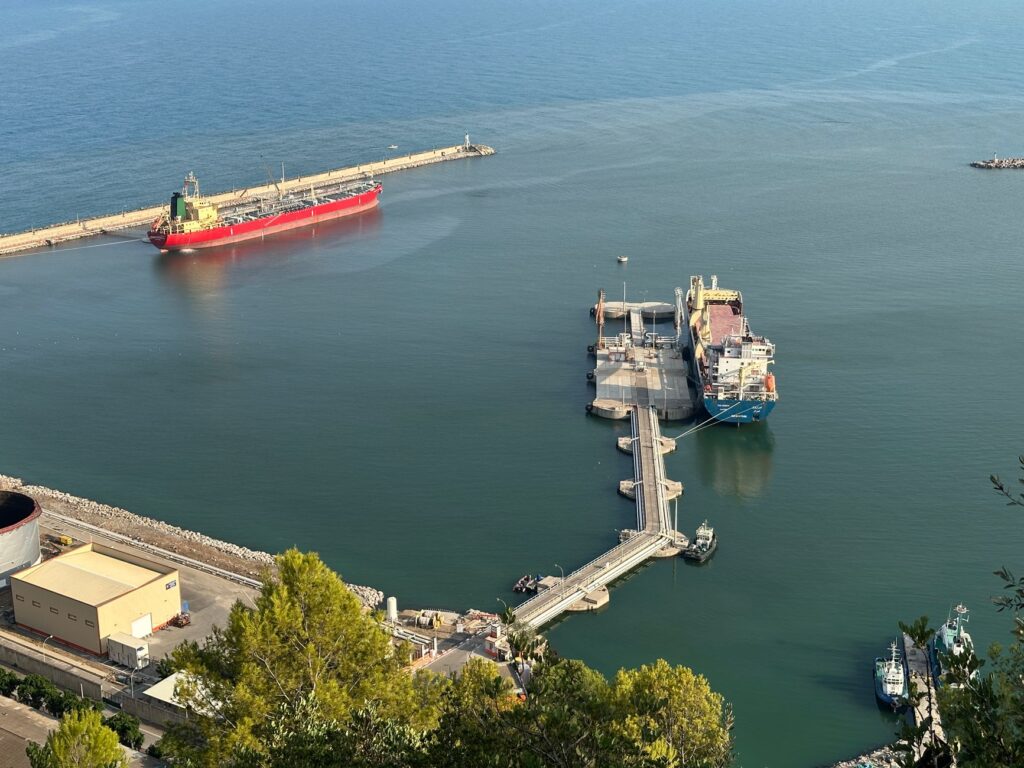
The modernization of a ferry fleet does not happen in a vacuum; it requires a parallel and monumental investment in land-based infrastructure. At both the mainland port of Ardrossan and the island pier in Brodick, civil engineering works have radically transformed the port landscape. Ultra-fast charging stations capable of transferring megawatts of energy to the ships’ batteries during the record time it takes for passengers and vehicles to board and disembark have been installed. This rapid recharging capability is the true secret that allows operators to maintain commercial schedules without extending crossing times.
The transition toward truly sustainable maritime transport depends not only on onboard technology, but on the robustness and cleanliness of the onshore electrical grid powering the docks.

Furthermore, Arran’s port infrastructure has integrated small-scale renewable energy generation systems, including solar panels on passenger terminals and advanced studies to harness the wave energy characteristic of Scotland’s western coast. This decentralized approach ensures that the energy used to recharge the vessels comes, to the greatest extent possible, from local and clean sources, closing the circle of energy sustainability in the archipelago.
Soft Mobility and Shared Transport in the Island Interior
Once passengers and vehicles touch solid ground in Brodick, the challenge of sustainable transport shifts from the sea to the winding interior roads snaking toward Lamlash, Whiting Bay, or the wild northern mountains presided over by Goat Fell. Historically, reliance on the private car was almost absolute, exacerbated by a traditional bus service suffering from limited frequencies during winter months and unmanageable saturation in the dead of summer.
To counter this dynamic, the island community spearheaded the creation of shared mobility cooperatives and the deployment of a fleet of school and scheduled buses powered by electricity and green hydrogen in experimental phases. These vehicles are perfectly synchronized with the arrival of the ferries, drastically reducing waiting times at the piers. Likewise, the network of safe cycle lanes and pedestrian routes, known locally as ‘Arran Coastal Ways’, has been significantly expanded, encouraging low-intensity cycle tourism and allowing visitors to tour the island’s perimeter without generating polluting emissions.

Socioeconomic Impact on the Local Community
Every technological transformation in an island territory must be measured not only in tons of CO2 saved, but in its capacity to preserve and improve the well-being of its inhabitants. In Arran, youth depopulation and the rising cost of living driven by tourist speculation are constant threats. A reliable, ecological, and economically accessible public transport system acts as a vital buffer against these structural imbalances.
Permanent residents, especially those living in villages far from commercial and medical centers, depend on stable connections to reach the mainland referral hospital or to ensure the steady arrival of medical supplies. The reliability of the new hybrid ferries, less prone to complex mechanical breakdowns thanks to the simplification of their electric propulsion systems, has provided unprecedented peace of mind to the community. In addition, the creation of local technical jobs dedicated to maintaining charging infrastructure and managing shared fleets has diversified the island economy, traditionally limited to seasonal hospitality and sheep farming.
Pending Challenges and the Threat of Atlantic Weather
Despite notable advances, the path toward absolute sustainability in the Arran archipelago is fraught with formidable obstacles. Atlantic weather is unforgiving; winter storms characterized by gale-force winds and heavy swells put the resilience of new propulsion technologies and the stability of docking infrastructures to the test. Occasionally, extreme weather conditions force the temporary suspension of services, isolating the island and demonstrating that nature continues to dictate its own rules in northwestern Europe.
Another critical challenge lies in long-term financing. The costs of construction, maintenance, and technological adaptation of ferries and ports are extraordinarily high, requiring close and ongoing collaboration between the Scottish Government, private operators, and municipal councils. Global economic uncertainty and inflation in high-tech material costs continue to pressure budgets allocated to the island’s ecological transition.
Practical Information for the Mindful Traveler
For travelers wishing to explore the Isle of Arran while minimizing their environmental impact, rigorous planning is an essential requirement. It is strongly recommended to use regional rail services connecting Glasgow Central with Ardrossan Harbour station, allowing for a completely integrated journey without the need for a private vehicle from major Scottish cities.
Combined public transport tickets, which include the train journey, the ferry pass, and unlimited access to the island bus network, offer preferential rates and guarantee priority on critical connections. It is crucial to consult tide charts and weather warnings before starting the journey, as the North Atlantic demands flexibility in itineraries. Likewise, strict compliance with local regulations on responsible camping, waste management, and the protection of terrestrial and marine fauna during hiking trails is advised.
Conclusion: Arran’s Mirror for Future European Islands
The case of the Isle of Arran transcends local anecdote to become a case study of international relevance. At a time when hundreds of island communities in the Mediterranean, the Baltic, and the Atlantic are desperately seeking formulas to reconcile socio-economic development with environmental preservation, the Scottish archipelago demonstrates that the transition toward truly sustainable mobility is possible when political will, technical innovation, and, above all, the active leadership of local communities are combined.
The true success of the ecological transition in island territories is not measured in the sophistication of their technology, but in the capacity to return the sovereignty of movement to those who call these wind-swept lands home.
Far from being a static model, Arran continues to evolve, adapting to new climate demands and serving as a testing ground for future zero-emission transport technologies. Its experience confirms that insularity, far from being a sentence to isolation or logistic underdevelopment, can be transformed into the most advanced laboratory to imagine and build the future of sustainable transport on a global scale.