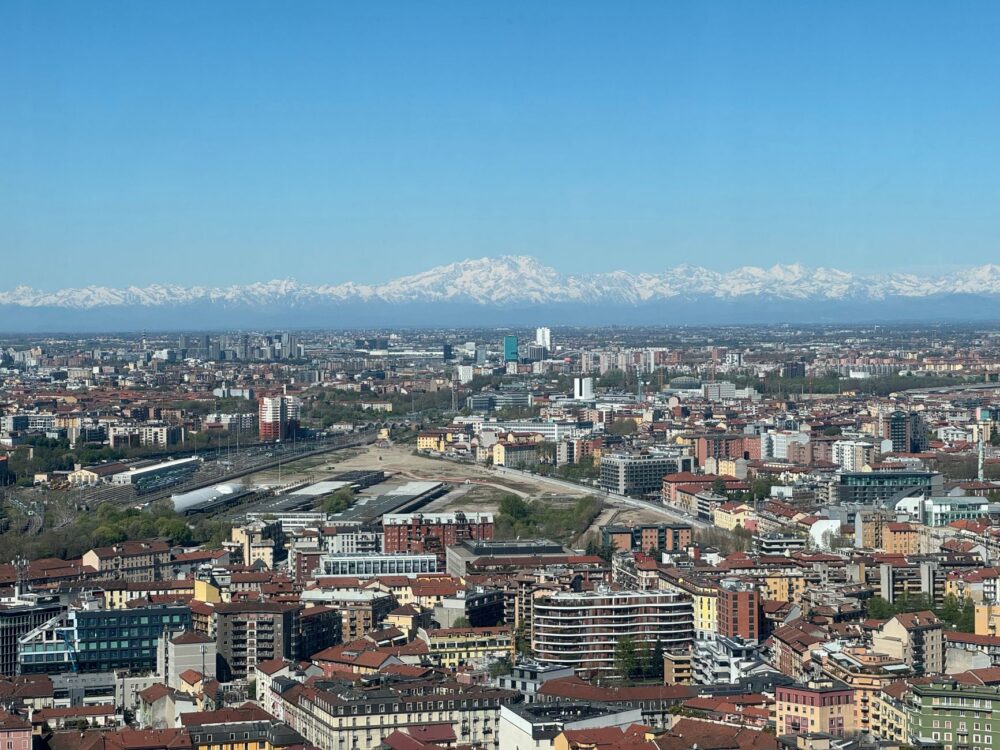

Introduction to the Great Southern French Coastal Rail Artery
The railway line hugging the French Riviera from Marseille to the Italian border at Menton represents far more than a routine regional transport infrastructure. It stands as a masterwork of nineteenth-century engineering that fundamentally transformed how Europeans inhabit and traverse the Mediterranean coastline. Spanning more than two hundred and fifty kilometers, the trains operated by the Société Nationale des Chemins de fer Français (SNCF) wind their way between limestone cliffs, turquoise coves, and densely populated urban centers, demonstrating a seamless symbiosis between terrain and technical mastery.
Since the inauguration of its earliest segments in the mid-nineteenth century—championed by the legendary Compagnie des chemins de fer de Paris à Lyon et à la Méditerranée (PLM)—this rail line has borne silent witness to the economic, tourist, and demographic metamorphosis of southern France. Today, amid an era of climate urgency and ecological transition, the coastal railway reclaims its original role as an indispensable backbone for relieving congestion on the heavily overburdened motorways of Provence-Alpes-Côte d’Azur.
Historical Origins and the Challenge of Laying Tracks Along Abrupt Cliffs
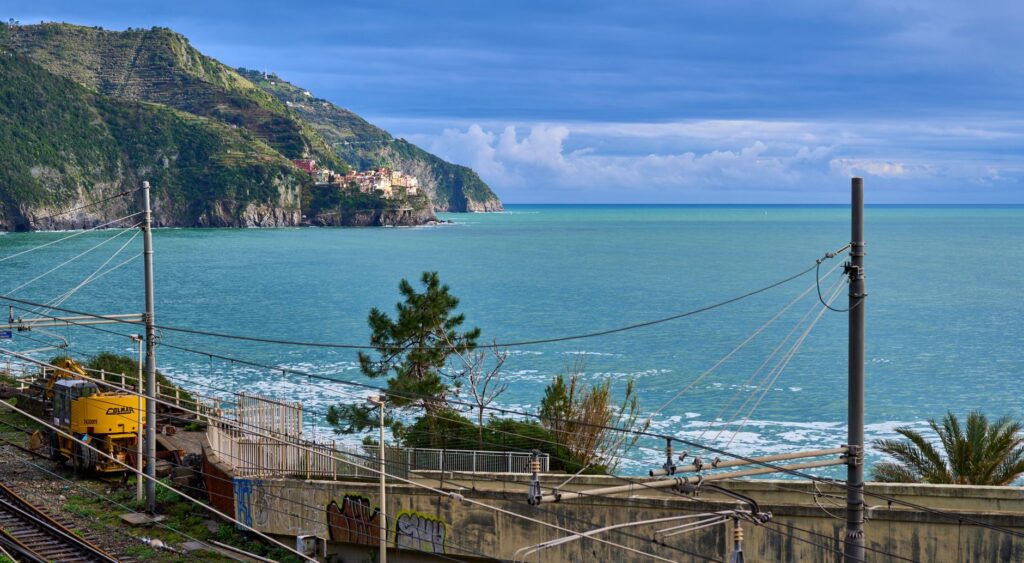
The genesis of the Riviera railway line was fraught with immense orographic and political hurdles. Engineers during the Second Empire confronted a fragmented landscape where the rugged spurs of the Prealps plunge precipitously into the Mediterranean Sea. Every single kilometer of track required carving tunnels through living rock, erecting cyclopean retaining walls, and constructing viaducts capable of withstanding fierce marine tempests and corrosive sea salt.
The deployment of labor brigades, largely comprising local stonemasons and Italian immigrants, represented a monumental human effort for the era. Armed with manual tools, black powder, and early steam locomotives designed for hauling raw materials, workers bored dozens of subterranean galleries between Toulon, Cannes, and Nice. This feat of civil engineering not only connected communities previously isolated by mule tracks but redefined the technical limits of what was feasible in zones characterized by severe geological instability.
Railway Architecture: Viaducts, Palatial Stations, and Historic Bridges
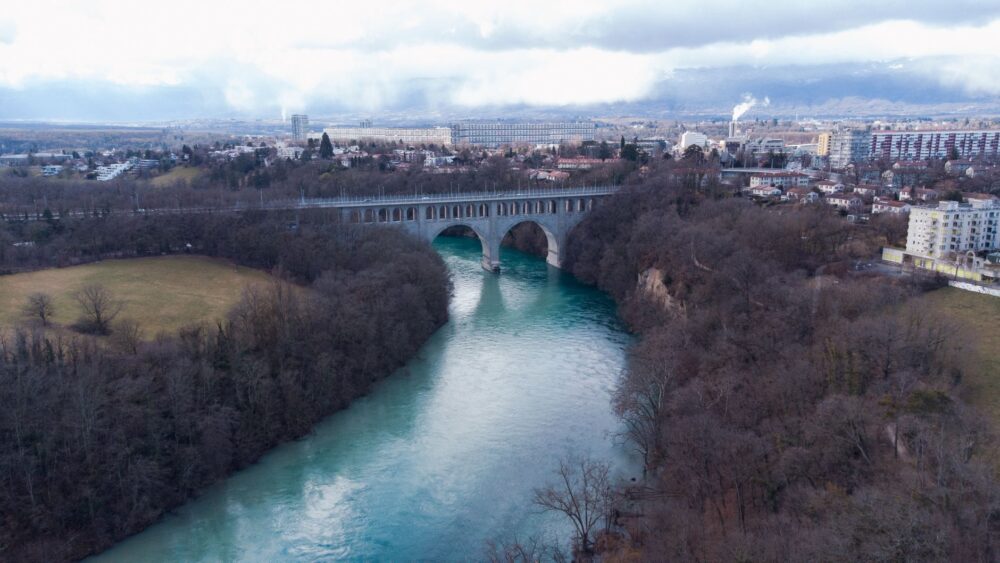
The architectural heritage tied to the Riviera railway forms an open-air museum of nineteenth-century civil engineering and industrial design. The masonry viaducts, featuring elegant rounded arches built from local ochre and gray stone, integrate organically into the coastal landscape. These structures not only support the steady transit of commuter and mitigated high-speed trains but withstand the test of time with admirable structural integrity.
Meanwhile, intermediate and principal stations reflect the lavish opulence of the Belle Époque. Structures such as Cannes station or the historic stop in Monaco—today largely subterranean to preserve urban land—were conceived as true urban palaces meant to welcome European aristocracy who wintered along the sun-drenched southern shore. Wrought-iron awnings, ornate glasswork, and white stucco façades establish an unmistakable visual identity that endures within the travel imagination.
Current Logistics and Operations: Managing High Population Density
In the twenty-first century, the primary challenge facing the Provençal coastal railway is no longer the physical conquest of the terrain, but the efficient management of capacity pushed to its absolute limits. Accommodating millions of annual passengers including daily commuters, international tourists, and seasonal workers, the line operates as a high-density system where operational error margins are razor-thin. Modernizing signaling systems, automating track switches, and systematically renewing the regional rolling stock fleet remain ongoing priorities for the state operator.
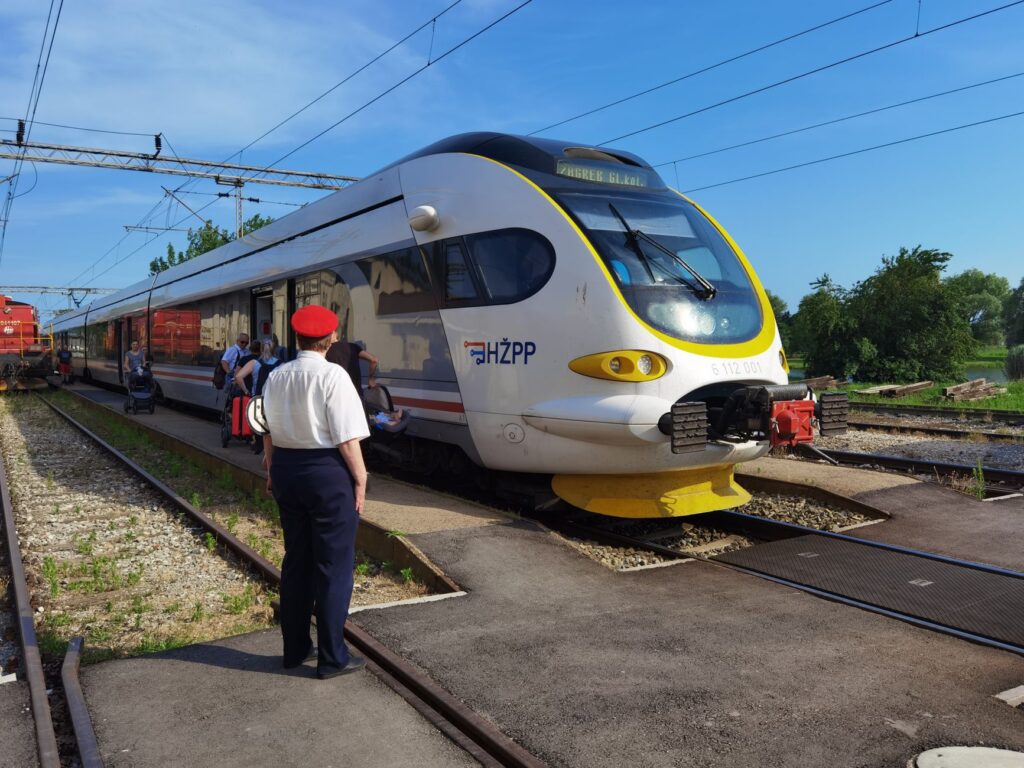
Intermodal integration forms another foundational pillar of contemporary logistics. Major route stations—such as Marseille-Saint-Charles, Nice-Ville, and Antibes—function as transfer hubs converging with urban buses, tram networks, shared bicycle schemes, and short-distance maritime connections. This combined mobility model actively seeks to curb private car usage in a corridor where summer highway congestion remains a chronic issue.
Sustainability and the Renaissance of Mediterranean Rail Mobility
Faced with the pressing imperative to decarbonize European transport, the French Riviera railway is undergoing an unprecedented strategic revaluation. Unlike coastal motorways, which generate constant greenhouse gas emissions and fracture delicate coastal ecosystems, the electric train offers a low-carbon mobility alternative. Recent capital investments have targeted improving catenary energy efficiency and optimizing electricity usage throughout regenerative braking phases.
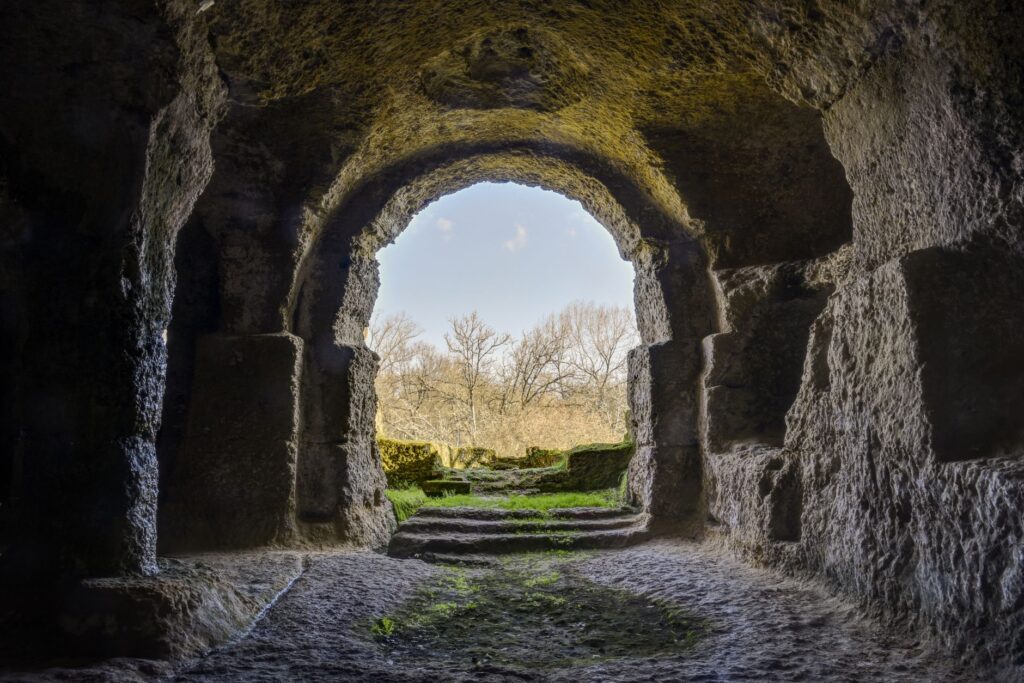
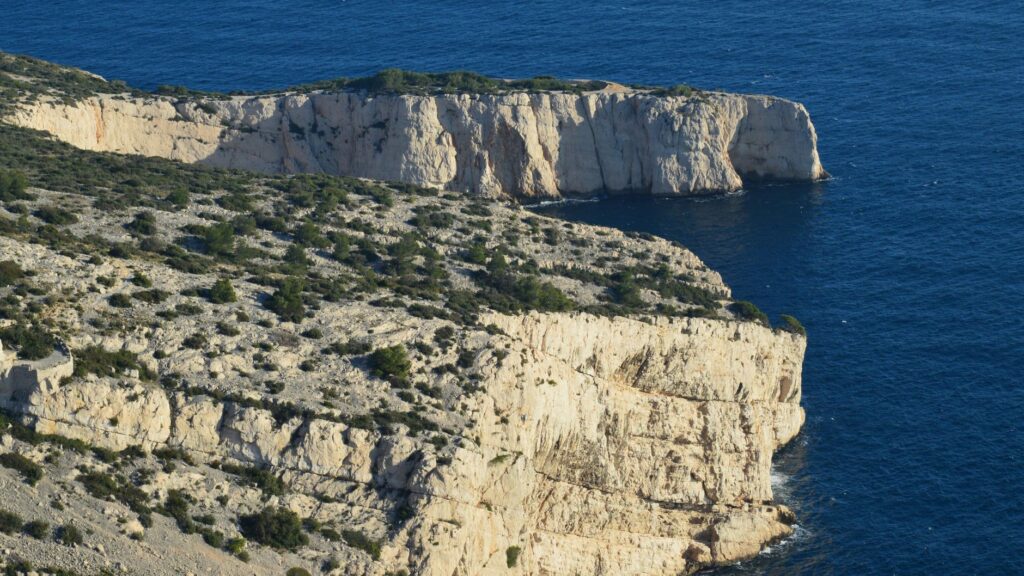
Simultaneously, regional and local authorities champion initiatives to safeguard the fragile natural environment bordering the tracks. Areas of high ecological value, such as the Esterel massif or the cliffs of Cap de Nice, coexist closely with the quiet passage of modern rolling stock. This equilibrium proves that maintaining heavy transport infrastructure in highly sensitive environmental zones is achievable without compromising Mediterranean biodiversity.
The Riviera railway is far more than an efficient mobility tool; it is the vital artery that allows travelers to comprehend the human geography and modern history of the Provençal coast without disturbing its fragile scenic balance.
Socioeconomic Impact on Urban Centers and Seafaring Communes
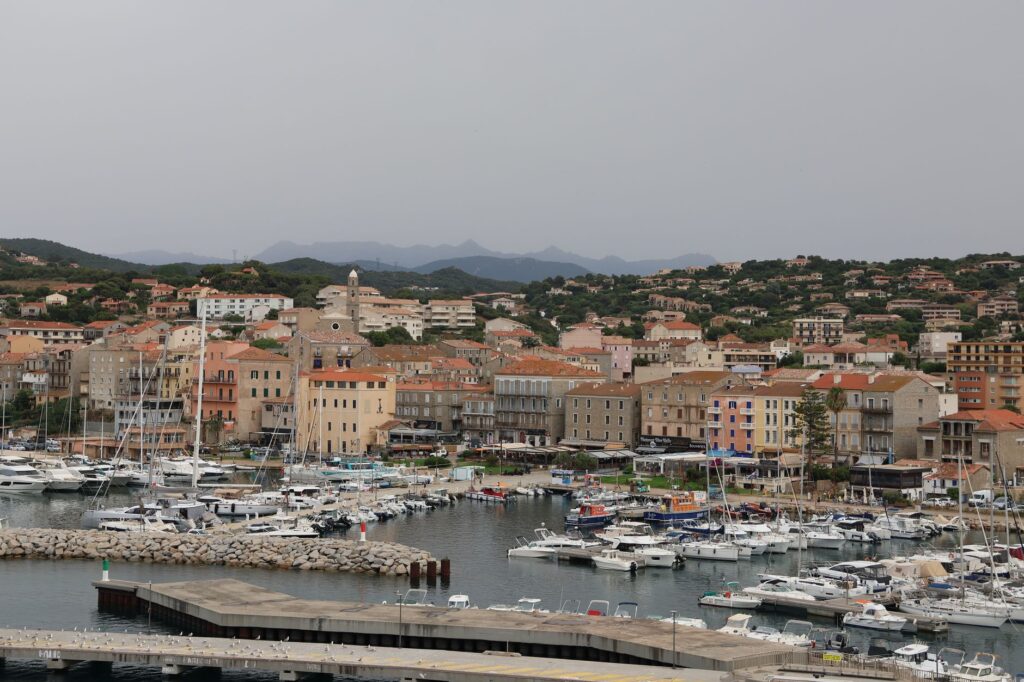
The enduring presence of the railway has definitively shaped the socioeconomic architecture of the municipalities dotting the Provençal coast. From small fishing villages that successfully pivoted toward summer tourism to major industrial and commercial metropolises like Marseille and Nice, proximity to the rail line has historically determined developmental prosperity. Accessibility to a railway station remains the primary driver behind land value appreciation and the siting of new economic activity hubs.
Furthermore, the train acts as a democratizing element across the territory. It enables thousands of middle- and lower-income workers to reside in more affordable interior or coastal towns while commuting daily to major employment centers in Nice, Monaco, or Cannes. Without this mass public transport infrastructure, labor mobility within the Alpes-Maritimes and Bouches-du-Rhône departments would be economically untenable and environmentally disastrous.
Practical guide
Planning a rail journey along the French Riviera requires understanding the operational specifics of the TER (Transport Express Régional) network within the Provence-Alpes-Côte d’Azur (PACA) region.
- How to get there: Nice Côte d’Azur International Airport and Marseille-Saint-Charles station serve as primary entry points into the region, both seamlessly connected to Paris via high-speed TGV services in approximately three to four hours.
- Ticketing and fares: Purchasing unlimited regional weekend passes or utilizing the official SNCF mobile application for single tickets is strongly recommended. Fares vary by distance, with discounted rates available for youths and seniors over 60.
- Best time to visit: Spring months (April to June) and early autumn (September to October) offer mild temperatures, fewer passenger crowds, and a considerably smoother travel experience than peak summer.
- Key connections: The line permits strategic stops in Marseille, Toulon, Saint-Raphaël, Cannes, Antibes, Nice, Monaco, and Menton, covering the entire coastline without requiring car rentals.
- Luggage tips: Given heavy passenger volumes during the summer season, travelers are advised to pack light and manageable baggage to ensure swift boarding and alighting during brief station stops.
- Accessibility: Most major stations feature ramps, elevators, and assistance staff for passengers with reduced mobility, though notifying the operating company of any special requirements in advance is strongly encouraged.
Visual Epilogue on the Tracks at Sunset
When the sun begins dipping below the Mediterranean horizon, bathing ochre façades and red-tiled roofs in golden and purple hues, the landscape of the French Riviera assumes a deeply poetic dimension. At that exact moment, the measured, steady passage of a passenger train crossing an ancient stone viaduct evokes the permanence of human craft against the vastness of the ocean. Warm interior carriage lights reflect gently upon the water’s surface, casting a trail of modernity and comfort that contrasts sharply with the rugged antiquity of the Provençal cliffs. It is in this evening stillness that the great coastal railway reveals its true purpose: uniting towns, histories, and horizons under the rhythmic, timeless beat of steel upon ballast.