
Origins and the Continental Scale of the Iron Route
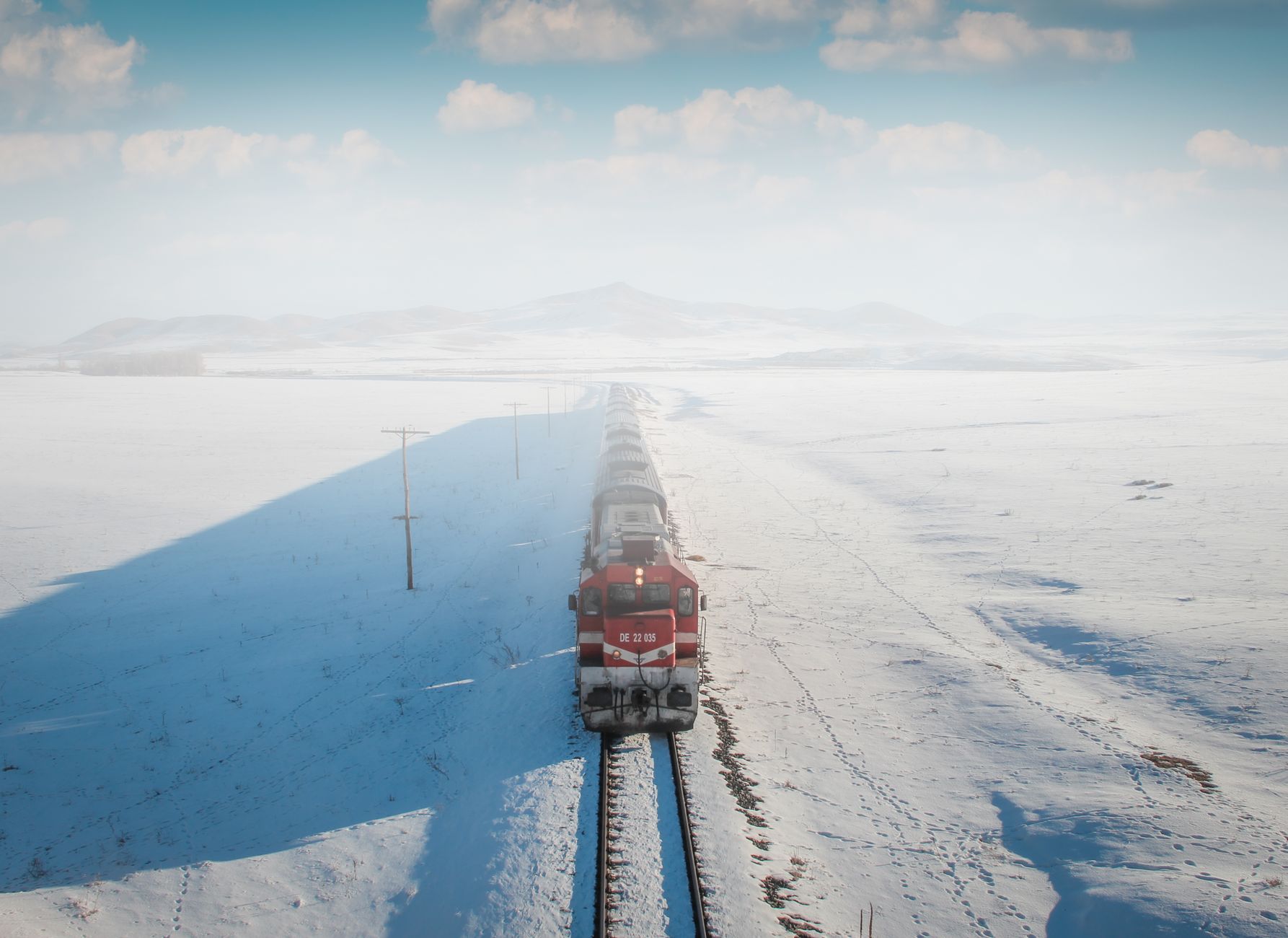
The vast territory of the Eurasian steppe and the Siberian expanse represent one of the greatest logistical and geographical challenges on the planet for the contemporary traveler. Venturing into this steel artery does not merely imply a tourist displacement, but a deep immersion in a monumental infrastructure connecting two worlds separated by thousands of kilometers of taiga forests, ancient lakes, and uninterrupted time zones. The Trans-Siberian journey demands a rigorous understanding of mechanical timetables, inherited railway architecture, and the complex dynamics of provisioning in zones where civilization shrinks to remote stations and small communities isolated by extreme weather.
From the departure at Yaroslavsky Station in Moscow to the triumphant arrival at the Golden Horn Bay in Vladivostok, the convoy traverses landscapes that defy human scale. Comprehending this route requires accepting that the train is not just a means of transport, but an autonomous ecosystem with its own hierarchies, codes of coexistence, and unalterable routines. Long-distance expedition experts agree that physical and mental preparation for spending weeks on rails is as crucial as selecting appropriate equipment to withstand drastic thermal variations between the European west and the Russian Far East.
Technical Route Planning and Rolling Stock Selection
The selection of travel class and the planning of intermediate stops determine the expedition’s success. Although various classes exist aboard trains operated by Russian Railways (RZD) and associated private companies, the experience in first-class carriages or special private compartments guarantees the acoustic isolation and living space necessary for journeys exceeding one hundred and forty continuous hours of travel. It is essential to study locomotive schedules, which operate on Moscow time throughout the national territory, a logistical detail that often confuses novice travelers when calculating connections and platform stopover times.
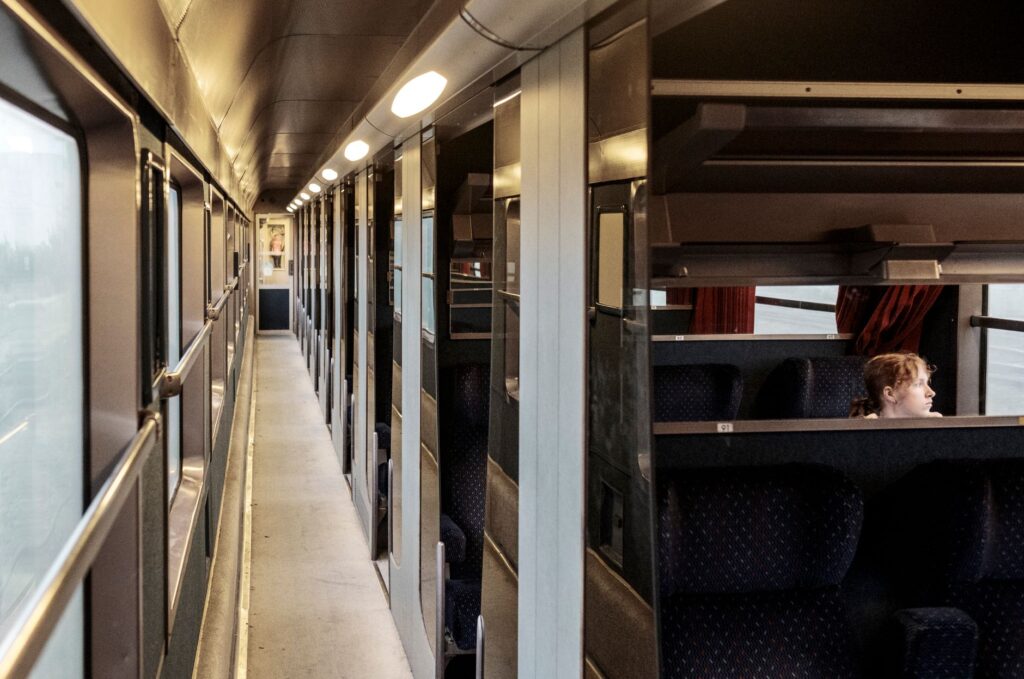
The iron and plywood of the old carriages hold the echo of generations of engineers, exiles, and dreamers who built a nation upon frozen railway ties.
The procurement of drinking water, non-perishable food, and autonomous power systems must be done in advance, as onboard dining cars offer limited options and station stalls vary enormously in quality and selection depending on the time of day. Route veterans recommend always carrying comfortable footwear for inside the carriage, light-layered thermal clothing due to high-intensity centralized heating, and a first-aid kit adapted for common ailments resulting from constant motion and changing altitudes across Siberian plateaus.
The Geography of Water: The Samovar Ritual and the Baikal Crossing
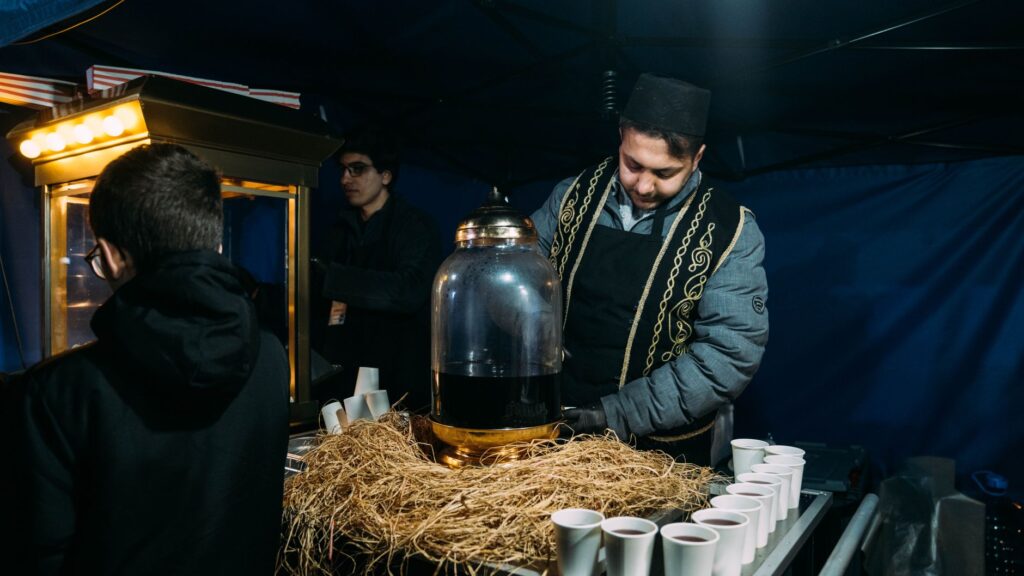
Throughout the more than nine thousand kilometers of track, the continuous availability of hot water from the traditional samovar located at the end of each carriage becomes the central axis of daily subsistence. This seemingly simple element structures social interactions among passengers, marking tea breaks, the preparation of instant soups, and rehydration. Time management on board is measured in consumed cups and minutes of stopping at key stations where the train halts long enough to stretch legs and purchase fresh local products from vendors stationed on platforms.
One of the most significant geographical milestones occurs when skirting the shores of Lake Baikal, the largest and deepest freshwater reservoir in the world. During this stretch, extending for several hundred kilometers between Irkutsk and Ulan-Ude, the train serpentines literally over rocky cliffs plunging precipitously into crystal-clear waters. Landscape reading from the window reveals complex geological formations and a noticeable cultural transition toward the influence of Buryatia and the Far East, where boreal forests gradually yield to broader river valleys and traditional wooden architecture characterized by intricate carving work.
Extreme Meteorology and Adaptation Across Siberian Sectors
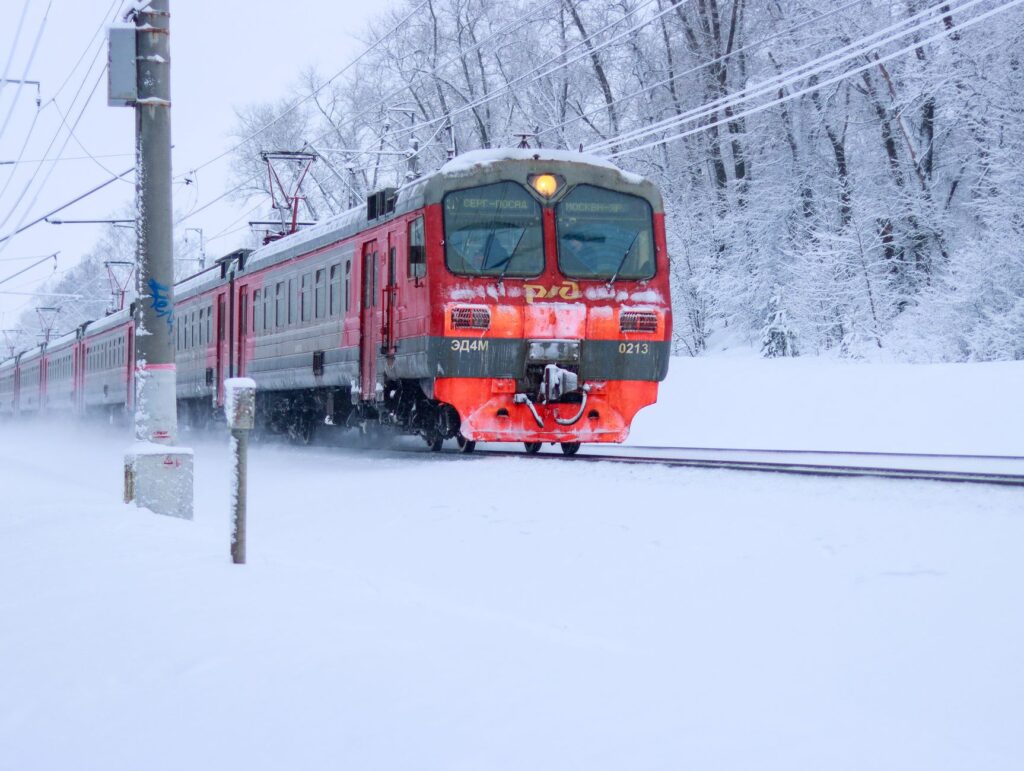
Siberian climate imposes its own rules on railway operations and expeditionary comfort. Depending on the season chosen for the journey, exterior temperatures can range from plus thirty degrees Celsius in peak summer to extremes below minus forty degrees Celsius during deep winter months. This climatic duality demands completely opposite clothing and equipment strategies. In summer, condensation and compartment ventilation are the primary challenges; in winter, the carriage’s thermal insulation and body heat management during prolonged outdoor stops take center stage.
The heating systems of Russian trains, traditionally fueled by coal boilers managed by the *provodniks* (carriage attendants), operate twenty-four hours a day to combat exterior cold. This generates a notable thermal contrast between the corridor and the interior of the bunks, requiring constant self-regulation of clothing layers. Likewise, the dryness of the air inside the convoy due to constant heating compels rigorous hydration, a health aspect many travelers underestimate during the initial days of the route.
Infrastructure and Logistical Challenges in the Far East
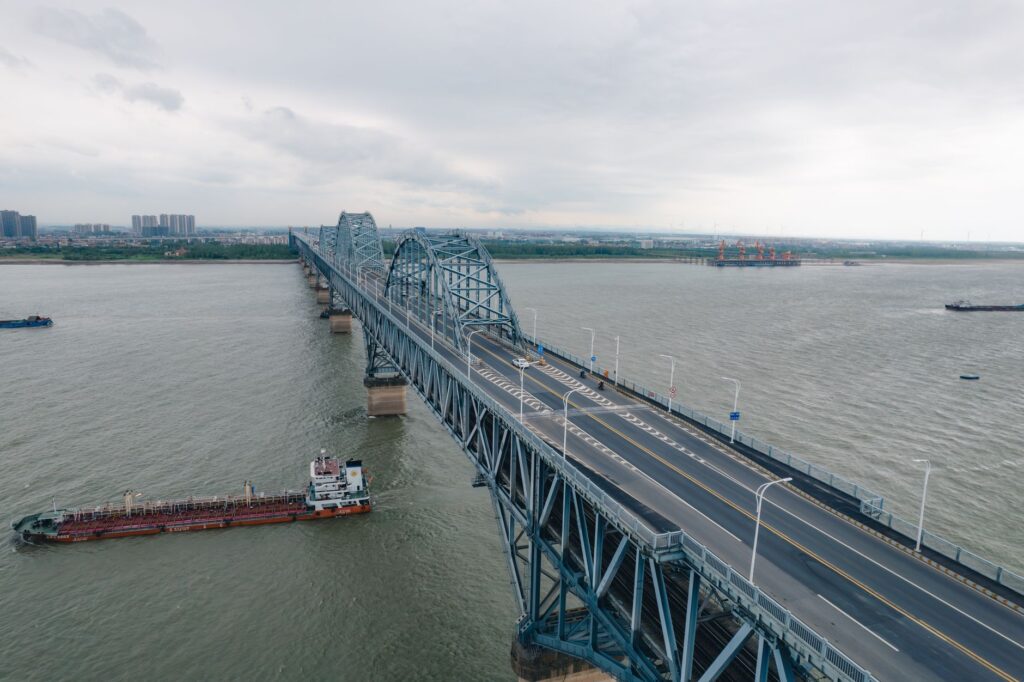
As the train surmounts the foothills of the Ural Mountains and definitively enters the vast West Siberian Plain, population density drops drastically, making the railway the sole functional umbilical cord connecting major industrial cities such as Novosibirsk, Krasnoyarsk, and Khabarovsk. Maintenance logistics for this gigantic network represent a masterpiece of permanent civil engineering, where work crews labor under any weather condition to replace ties, level ballast, and guarantee the structural safety of bridges crossing mighty rivers like the Ob, Yenisei, and Amur.
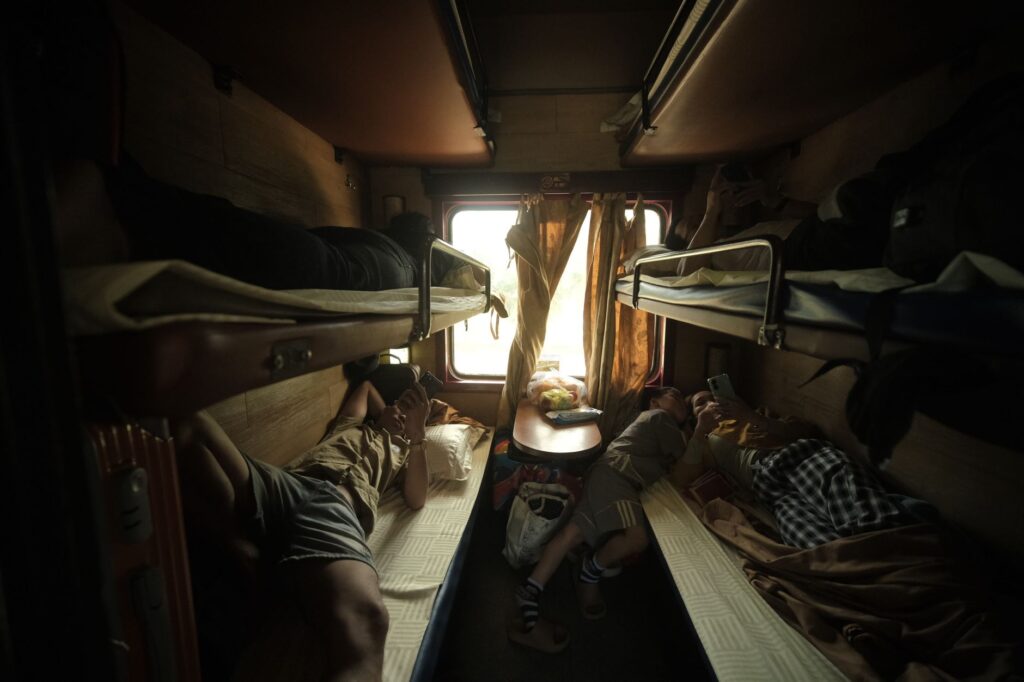
For the traveler, this section represents true digital and physical isolation. Mobile phone signals disappear for hours, turning the compartment into a space of introspection and collective reading. Forced coexistence in tight spaces fosters a unique cultural exchange with Russian citizens who use the train as daily transport to visit family members thousands of kilometers away, demystifying Western stereotypes regarding social rigidity in these latitudes.
Gastronomy and Self-Sufficiency in Dining Cars
The dining car constitutes a gastronomic microcosm blending traditional Russian cuisine, Asian influences from border regions, and supplies acquired during technical stops. The menu typically offers comforting dishes such as borscht, beef stews, potato salads, and a wide variety of cold cuts and smoked fish sourced from Siberian rivers. However, dependence on local suppliers implies that certain ingredients may run out midway through the trip, justifying the recommendation to maintain a personal emergency pantry in hand luggage.
Food self-sufficiency not only prevents inconvenience in the face of punctual scarcity, but also allows the traveler to control caloric and nutritional intake, adapting to the low level of physical activity imposed by hours of sedentariness on the train. Combining fresh products purchased on platforms—such as wild berries, aged cheeses, and artisanal black bread—with hot rations prepared on board ensures a balanced culinary experience genuinely connected to the traversed territory.
Practical guide
How to get there: The traditional starting point is Moscow, accessible via international flights to Sheremetyevo, Domodedovo, or Vnukovo airports, from where urban centers are connected via Aeroexpress rail services.
Documentation and visas: A valid passport with a minimum validity of six months is required, alongside the appropriate visa for the Russian Federation, processed in advance through consulates or authorized centers, including mandatory stay registration if intermediate urban overnights are made.
Best time to travel: The months from June to September offer moderate temperatures and extended daylight, while the winter period (November to February) provides unparalleled snowy landscapes and a more authentic technical experience, albeit with extreme cold.
Recommended equipment: Comfortable cotton clothing for indoors, base-layer thermal garments, easy slip-on shoes, high-capacity portable chargers, a small electric kettle compatible with onboard voltages, and a personal medical kit.
The End of the Road: Arrival at the Pacific and Port Silence
After crossing the final bridge over the Amur River and traversing the concluding sections winding parallel to the North Korean and Chinese borders, the rails culminate their long journey at Vladivostok station. The saline air of the Pacific Ocean abruptly replaces the smell of coal and hot iron that accompanied the traveler for over a week. Standing on the final platform, contemplating the commercial port cranes and listening to seagulls over the Sea of Japan grants a tangible perspective of the surpassed geographical immensity. It is in that instant of transition, with legs still adapting to the firmness of solid ground, that the true magnitude of the Trans-Siberian journey settles into memory, transforming hours of monotony into a treasure of unbreakable human experiences.