Introduction to the Eurasian Railway Renaissance
The territory of Kazakhstan, the ninth largest country in the world, has historically functioned as the great terrestrial bridge between Europe and Asia. Today, as maritime routes face global bottlenecks and commercial aviation seeks to mitigate its carbon footprint, the Kazakh railway system emerges as a fascinating and fundamental alternative for long-distance transport and travel. Managed by Kazakhstan Temir Zholy (KTZ), the infrastructure is not merely an economic engine for international freight trade; it is also a constantly modernising passenger network that traverses endless steppes, industrial cities, and mountainous enclaves with a deeply human and geographical perspective.
Planning a journey across this network requires an understanding of the physical magnitude of the country and the evolution of its connections. From modern metropolises to remote border posts, long-distance trains represent the most authentic way to connect with the monumental scale of Central Asia. This report examines operational realities, essential routes, the onboard experience, and indispensable practical data for navigating the Kazakh rail system with rigor, safety, and a profound respect for its historical context.
The Central Corridor: The Trunk Route from Steppe to Mountain
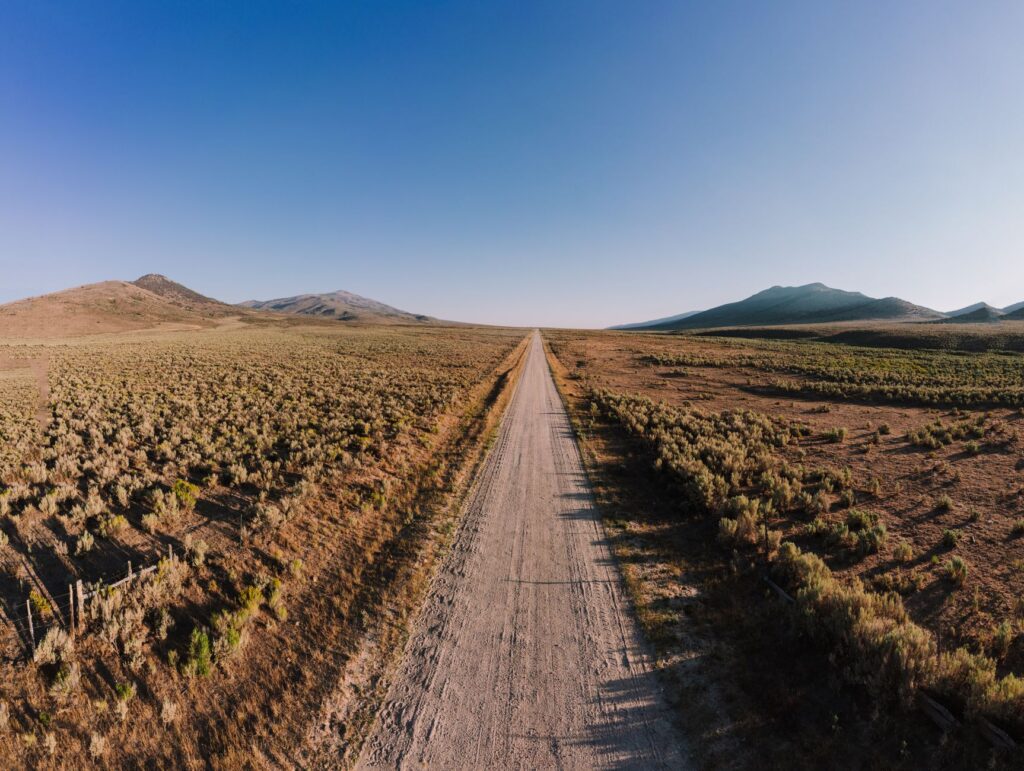
The backbone of passenger transport in Kazakhstan is concentrated along the north-south and west-east axes, connecting the former capital Almaty with the current capital, Astana, and extending toward the borders with Russia, China, and Uzbekistan. The classic journey between Almaty and Astana, taking approximately 14 to 18 hours depending on the service type, cuts across the geographical heart of the country: the Kazakh steppe. This vast, flat expanse, which changes dramatically in hue according to the season, offers the traveller an uninterrupted postcard of distant horizons where the mechanical train is the sole protagonist.
Recent investments by KTZ have introduced rolling stock manufactured in partnership with international companies, significantly improving comfort in upper categories. Modern express trains, known as Talgo, have drastically reduced travel times on main corridors, offering private compartments and a standard of service comparable to high-end European railways. However, traditional shared berth trains, locally known as platzkart, continue to operate on secondary routes and remain the epicenter of social life and cultural exchange among local residents.
Airport Infrastructure and Multimodal Transfer Hubs
For international travellers, entry into the railway network typically occurs through the country’s two main aviation hubs: Almaty International Airport (ALA) and Nursultan Nazarbayev International Airport in Astana (NQZ). Both airports have undergone significant terminal expansions to absorb the growth of transit and business traffic. From Almaty Airport, access to the main railway stations (Almaty-1 and Almaty-2) is efficiently managed via regular city bus services and officially regulated taxi options.
Integration between the aviation network, the railway system, and urban transport remains an ongoing challenge, but municipal authorities have improved multilingual signage in Russian, Kazakh, and English at key stations. It is essential to keep in mind that major Kazakh cities often feature more than one terminal train station, so verifying the exact station code on the ticket prevents costly logistical errors during urban transfers. Likewise, the expansion of medium-distance bus connections complements the railway system, enabling access to alpine valleys and smaller settlements where railway tracks do not reach.
The Turkestan Route: Connecting the Historical South with the Northern Capital
Traveling south from Almaty or Astana inevitably leads toward the historic Turkestan region, a territory marked by the Silk Road and ancient cities such as Shymkent and Taraz. This railway line, historically vital during the Soviet era as part of the Turksib (Turkestan-Siberia Railway), maintains a constant flow of passengers commuting for work, family reasons, or cultural exploration.
The track condition along this corridor has been the subject of ongoing maintenance programs to support both heavy freight traffic originating in China and long-distance passenger trains. Stops at intermediate stations such as Zhambyl or Kyzylorda offer a glimpse into intense local economic activity, where merchants from various Central Asian republics interact on the platforms offering artisanal goods and regional gastronomy. This section of the railway network demonstrates how public transport remains the most reliable connective tissue for local communities against vast geographical distances.
The Onboard Experience: Service Classes and Life in the Carriage
Understanding onboard service categories is essential to guarantee a pleasant journey across the KTZ network. Tickets are generally divided into three primary classes: *Spalny Vagon* (SV or two-berth Kupe), *Kupe* (closed four-berth compartment), and *Platzkart* (open-plan carriage with side and transverse bunks). For overnight journeys exceeding ten hours, Kupe or SV options ensure privacy and adequate rest, equipped with clean bed linen provided by the onboard staff (*provodnik*).
The *provodnik* or *provodnitsa* is the central figure in every Kazakh carriage. They are responsible for verifying tickets, maintaining carriage temperature via coal stoves or centralized systems, continuously supplying hot water from the traditional samovar, and ensuring safety and order throughout the entire journey. Establishing a respectful and cordial relationship with the provodnik is a golden rule on Eurasian railways, as they facilitate useful information regarding arrival times and extended station stops. Dining cars (*restoran*) are available on higher-tier long-distance trains, offering traditional dishes such as plov, shashlik, and strong black tea, though many experienced travellers prefer to bring their own provisions for multi-day trips.
The train in Kazakhstan is not merely a means of transport; it is an anthropological experience where time decelerates and geographical boundaries vanish before the immensity of the steppe.
Logistical Planning, Fares, and Ticket Issuance
Planning a rail journey in Kazakhstan requires foresight, particularly during the summer months and national holidays. Tickets generally go on sale 45 days in advance and can be purchased through KTZ’s official website or authorized online agencies. It is highly advisable to use a valid passport and ensure personal data matches the electronic ticket exactly, as identity checks on platforms are strict.

Fares vary considerably depending on train speed and chosen comfort level. Express trains and Talgo-operated services carry a higher cost, but offset this with a drastic reduction in travel times. Meanwhile, traditional slower trains offer highly economical fares, making them the preferred choice for backpackers and budget-conscious travellers. It is worth noting that online payments with international credit cards function stably on official platforms, though carrying local currency (Kazakh tenge) in cash remains useful for minor purchases at secondary stations.
Operational Challenges and Network Modernization
Despite significant advancements in fleet modernization and ticket sales digitalization, the Kazakh railway system faces notable structural challenges. Extreme continental weather conditions, featuring long winters with temperatures dropping well below freezing and scorching summers, impose severe wear on track and catenary infrastructure. KTZ engineers constantly execute complex preventive maintenance programs to guarantee network safety under these adverse climatic circumstances.
Likewise, the integration of international logistics corridors under the Belt and Road Initiative has exponentially increased east-west freight traffic. This has required multimillion-dollar investments in track doubling, electrification of key sections, and the improvement of border crossings such as Dostyk and Alashankou, where container transshipment takes place due to the difference in track gauge between the Soviet system and the Chinese standard.

Safety, Regulations, and Recommendations for the Traveller
Traveling across Kazakhstan’s railway network is, generally speaking, a safe and regulated activity. Major stations feature security checkpoints equipped with X-ray scanners and police personnel tasked with monitoring passenger flows. Nonetheless, travellers are advised to keep valuables in sight at all times and secure compartments from the inside during overnight resting hours.
Regarding immigration formalities, citizens of the European Union and numerous Western countries enjoy visa-exemption regimes for short-term tourist stays. However, if the rail itinerary crosses international borders into Uzbekistan, Kyrgyzstan, or Russia, verifying current visa requirements and designated border checkpoints for foreigners in advance is imperative, as not all border stations handle international passenger traffic.
Conclusion: The Enduring Value of Rail Travel
Kazakhstan’s rail transport system represents much more than a logistical infrastructure connecting distant points on a map. It is an open window into understanding the geography, history, and society of Eurasia. Faced with the impersonal uniformity of modern airports, the train offers direct immersion into the human and natural reality of the country, allowing appreciation of the grandeur of its landscapes with pause and authenticity. For the contemporary traveller willing to embrace the unhurried rhythms of the steppe, traversing Kazakhstan by train constitutes one of the most memorable and culturally enriching transport and discovery experiences in the Asian continent.
The true measure of a journey is not calculated by the speed with which territory is crossed, but by the depth with which one manages to understand the landscape and its people.