
Introduction to a Strategic Railway Corridor
Railways have historically played a vital role in the territorial integration of Europe and the Balkans. Far from the high-speed networks that dominate Western Europe, the continent’s southeast preserves corridors where time moves at a different pace. The route connecting ancient Constantinople with the Bulgarian capital represents much more than a simple geographical shift: it is a living testament to railway diplomacy, nineteenth-century engineering adapted to Thracian terrain, and the endurance of international connectivity at an external border of the European Union.
For decades, the movement of people and goods between Turkey and the Balkans has been shaped by complex geopolitical dynamics. Today, the revival of overnight passenger services responds both to a growing demand for sustainable mobility and to the necessity of structuring historically fragmented regions. This report examines the technical, operational, and human dimensions of one of the continent’s most unique cross-border connections.
Historical Origins and the Ambition of Oriental Railways
The genesis of this line dates back to the second half of the nineteenth century, when the Ottoman Empire promoted the creation of the Chemins de fer Orientaux company. The strategic objective was clear: to connect Istanbul with Vienna and, by extension, with the industrial heartland of Europe. Baron Maurice de Hirsch served as the financial and industrial architect of a monumental undertaking that spanned river valleys, mountainous zones, and arid plains, overcoming immense topographical and political obstacles.
Railways did more than transport raw materials and passengers; they shaped the political map of the region. Stations along the route evolved into cosmopolitan enclaves where French engineers, Ottoman officials, Levantine merchants, and European travelers converged. Although the Balkan Wars and subsequent redrawing of borders fragmented that original imperial rail network, the basic layout survived as the backbone of overland travel in the area.
Current Infrastructure: Between Turkish Modernization and Balkan Challenges
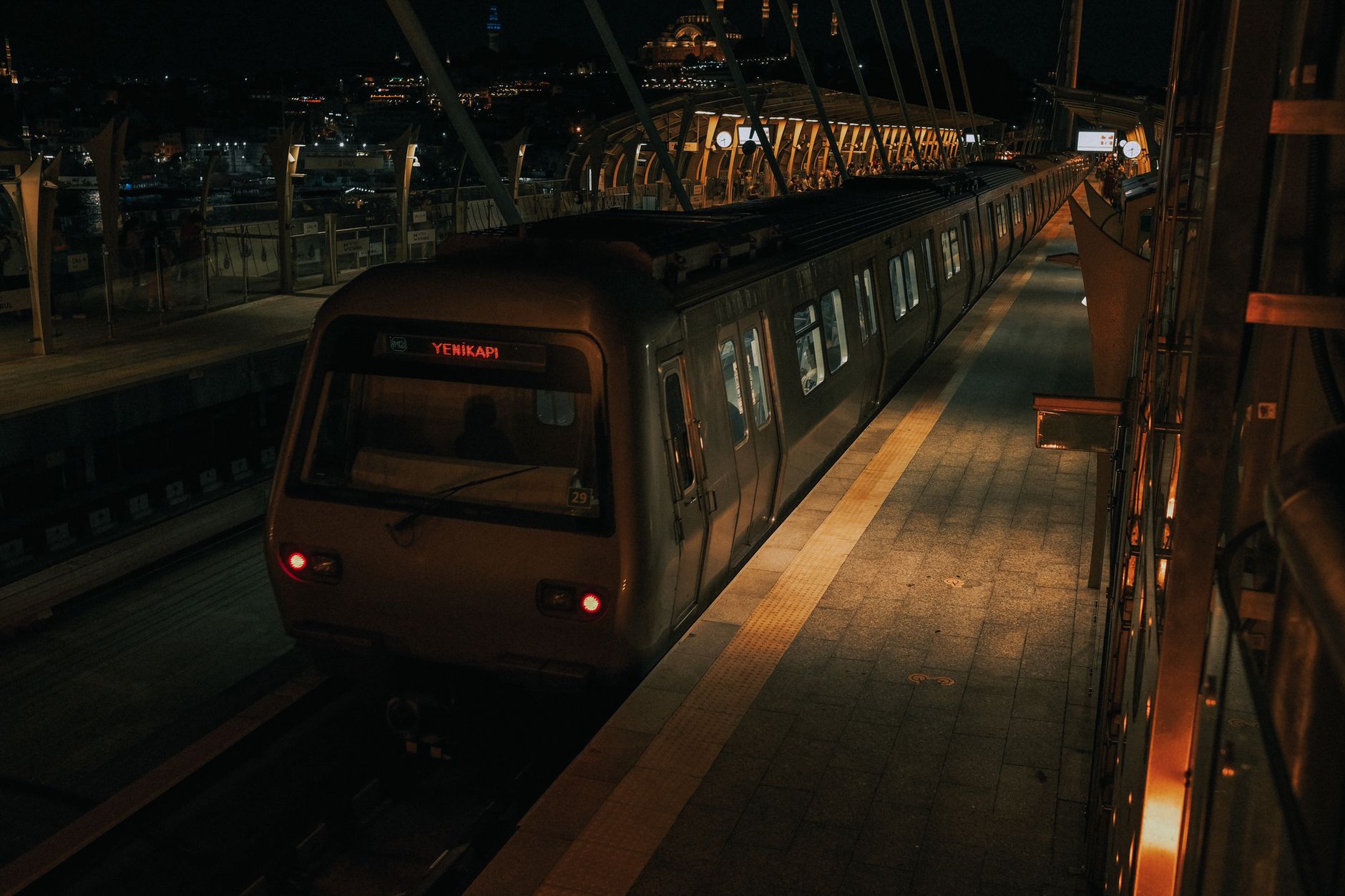
On the Turkish side, infrastructure has undergone a profound transformation over the past two decades. The construction of the Marmaray commuter rail system and the modernization of the Halkalı railway hub have enabled the separation of freight and high-speed traffic from traditional international passenger services. Nevertheless, exiting the Turkish metropolis toward the western border entails traversing the vast, rolling region of Eastern Thrace, characterized by agricultural plains and river crossings that demand constant maintenance.
Conversely, the Bulgarian network presents a notable contrast. While Sofia’s government has prioritized the upgrading of primary trans-European transport corridors—such as the axis toward the Serbian border or the port of Burgas—secondary connections toward the Turkish frontier suffer from technical constraints stemming from aging signaling systems and rolling stock limitations. Despite these structural differences, bilateral cooperation maintains the operation of a route that defies administrative fragmentation.

Logistics and Operations: The Ritual of Border Crossings at Kapıkule and Svilengrad
One of the most intricate aspects of this rail route is the management of the border crossing between Turkey and Bulgaria, which simultaneously functions as an external European Union frontier and a vital node for commercial transit. The night train pauses at the border stations of Kapıkule (Turkish side) and Svilengrad (Bulgarian side) during the early morning hours, a procedure requiring rigorous coordination among customs authorities, border police, and railway personnel.
Unlike air travel, where immigration procedures take place in airport terminals before boarding, the rail traveler experiences border control directly within their compartment or through passport inspections on the platform. This process, while methodical and occasionally extended, is an inseparable part of the trans-border travel experience. Security controls and document verifications ensure compliance with extended Schengen area standards and the customs regulations of the Republic of Turkey.
The nocturnal border crossing transforms the rail carriage into a microcosm where diplomacy, customs, and the unhurried patience of the international traveler converge.
Rolling Stock and the Sleeper Car Experience
The current international service typically operates with sleeper cars and couchettes managed by Turkish State Railways (TCDD Taşımacılık) in cooperation with Bulgarian authorities. These vehicles, engineered for long overnight journeys, offer considerable autonomy regarding climate control, resting space, and basic hygiene facilities.
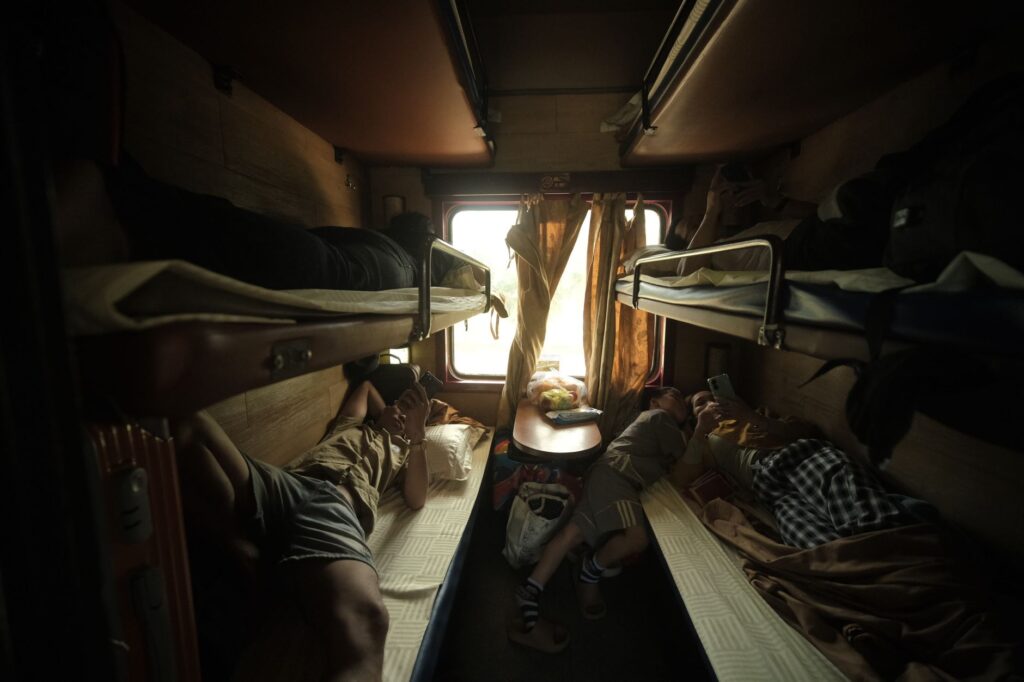
On board, space is optimized to the maximum. Compartments equipped for sleeping feature a small washbasin, electrical outlets, and convertible berths that accommodate both nocturnal rest and morning landscape viewing. The absence of mobile network coverage in certain remote frontier stretches fosters an unusual atmosphere of analog disconnection in modern transport, recalling the golden age of grand train journeys.
Geography and Landscape: The Transition Between Anatolia, Thrace, and the Balkans
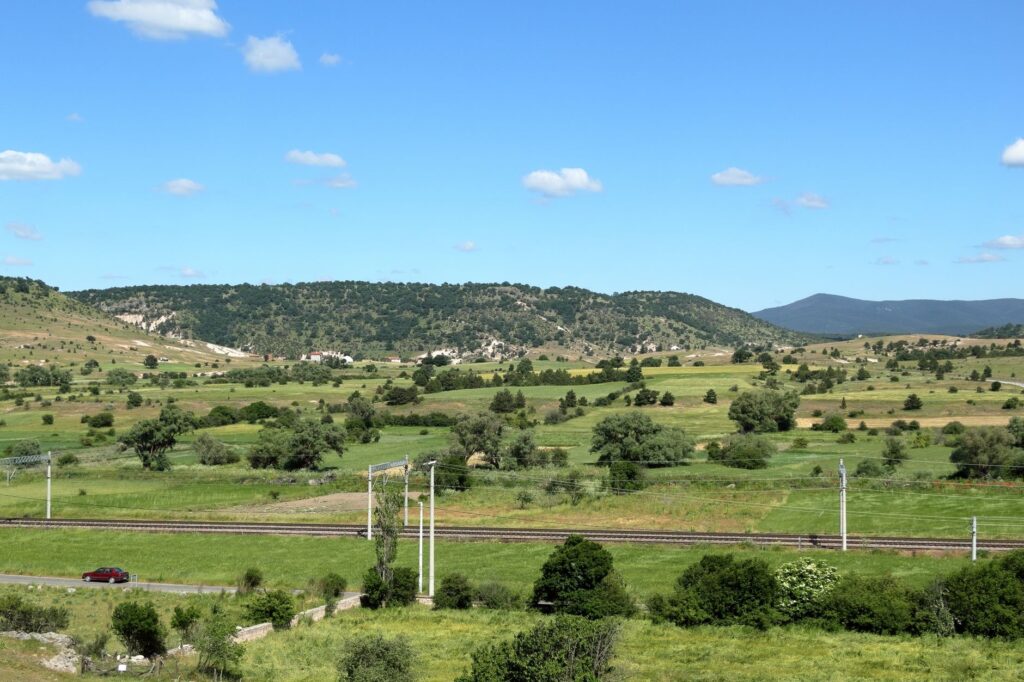
The itinerary offers an exceptional geographical reading of the transition between Asia Minor and Central Europe. Upon leaving the urban bustle of Istanbul, the train enters the agricultural landscapes of Eastern Thrace, where fields of sunflowers and wheat stretch toward the horizon under clear skies. Historically, this plain has served as a corridor for migrations, armies, and commerce.
Upon crossing the border into Bulgarian territory, the topography begins to shift subtly. River valleys narrow, signaling the proximity of the Rhodope and Balkan mountain ranges. Vegetation becomes denser, and small rural stations evoke traditional Central and Eastern Europe, where the railway remains the lifeblood of local communities dotting the route.
Practical Information for Travelers and Route Planners
For those interested in studying, documenting, or utilizing this rail connection, several operational and logistical considerations are essential:
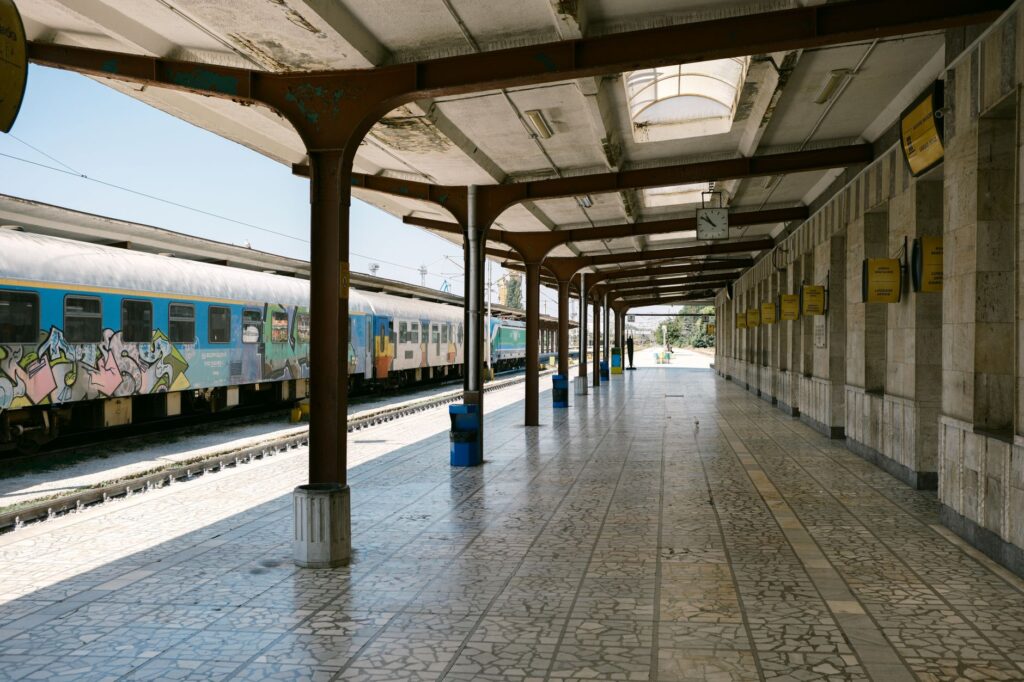
- Departure and Arrival Points: International services typically depart from Halkalı station on Istanbul’s European periphery (connected to the city center via the Marmaray commuter system) and terminate in Sofia, with intermediate stops in cities such as Plovdiv.
- Tickets and Reservations: Tickets for international sleeper and couchette cars cannot always be purchased through fully automated online platforms due to cross-border reservation protocols, often requiring physical purchase at authorized international ticket counters in Istanbul or Sofia.
- Visa and Documentation Requirements: Travelers must verify current visa regulations for entry into both Turkey and the European Union or Bulgaria based on their nationality, paying special attention to passport validity for nocturnal customs checks.
- Seasonality and Timetables: Schedules are subject to seasonal modifications or adjustments resulting from infrastructure maintenance works in Bulgaria or Turkey, making it vital to consult official TCDD and BDZ sources before planning complex itineraries.
Logistical Challenges and the Sustainability of International Rail Transport
Maintaining international rail lines in peripheral regions of Europe faces significant economic challenges. Operating costs, lower passenger density compared to low-cost aviation corridors, and the need for state subsidies test the long-term viability of these services. Nevertheless, their strategic value from the perspective of transport decarbonization is undeniable.
In contrast to the carbon footprint of commercial aviation, the overnight train emerges as a sustainable mobility alternative supported by European Union guidelines aimed at fostering territorial cohesion and reducing greenhouse gas emissions. Integrating the Balkans into trans-European transport networks remains an unfinished yet urgent task for public policy planners.
Investing in cross-border railway infrastructure in the Balkans is not merely a matter of mobility, but a commitment to the historical and environmental cohesion of the European continent.
Conclusions and Future Outlook
The rail route between Istanbul and Sofia embodies the contradictions and beauty of contemporary international transport. In a world hyper-connected by speed and digital immediacy, this overnight journey asserts the value of unhurried time, geographical observation, and the overcoming of physical and institutional borders through rail engineering.
While authorities continue to debate high-speed projects and freight corridors, this classic train continues to operate discreetly, uniting worlds, cultures, and landscapes at a steady pace. Its survival and eventual improvement serve as a barometer for the true state of international cooperation in Southeastern Europe.