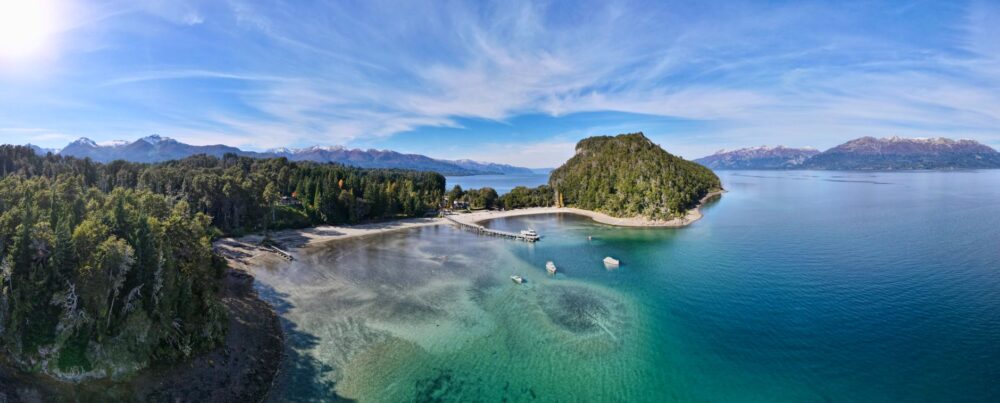
In the easternmost tip of Galicia, where the provincial map of Ourense brushes against the Leonese lands of El Bierzo, traditional geography dissolves to give way to an unusual landscape. Here there are neither green Atlantic meadows nor the salty mist of the coast, but rather an abrupt territory of limestone canyons, rocky slopes, and a microclimate with a clear Mediterranean influence. The Enciña da Lastra Natural Park, declared a protected area in 2002, defies all the clichés associated with the Galician community.
This report explores this natural sanctuary and the Valdeorras region, a corner where the combination of karst soils, winemaking tradition, and geographical isolation has preserved a unique natural and cultural heritage that deserves to be discovered at a leisurely pace.
A Mediterranean oasis in Galician lands
The landscape contrast is the most outstanding feature of Enciña da Lastra. While the rest of Galicia is ruled by the hegemony of oak and Atlantic pine, this natural park of some 3,150 hectares is characterized by the dominant presence of holm oaks and cork oaks. This Mediterranean ecosystem survives thanks to the particular topography of the Sil River canyon, which acts as a natural climatic barrier and traps heat, generating high temperatures and low rainfall compared to the rest of the region.
The geological singularity of the terrain has led to the formation of a karst relief full of sinkholes, dolines, and caves, slowly carved by water over millennia. This underground network not only fascinates speleologists, but also sustains a rich biodiversity adapted to summer dryness and limestone.
The millennial holm oak that names the territory
The symbolic heart of the park is located near Covas, where the famous Enciña da Lastra stands—a centuries-old tree specimen that gives the protected area its name. With a trunk of columnar proportions and a canopy that offers refuge from the steppe-like summer sun of the area, this holm oak has been a silent witness to the human history of the valley.

In its shadow, shepherds and travelers have historically found shelter. Today, this singular tree functions as a botanical totem that synthesizes the identity of a park where Mediterranean botany reaches its northernmost expression on the Iberian Peninsula.
The Sil canyon as a border and refuge
The Sil River is not only a geographical feature, but the main sculptor of this landscape. As it flows through the park, wedged between vertical limestone walls that exceed hundreds of meters in height, the riverbed traces a natural border between Galicia and Castile and Leon. This deep cut has favored the historical isolation of local populations and, at the same time, has created exceptional riparian habitats.
Raptors find an ideal refuge for nesting in these rocky cliffs. Griffon vultures, golden eagles, and peregrine falcons regularly soar on the thermal currents rising from the bottom of the gorge, offering a first-rate ornithological spectacle for wildlife watching enthusiasts.
A Labyrinthine Subsoil of Caves and Galleries
Beneath the surface of limestone rock, Enciña da Lastra hides a fascinating world of cavities. Dozens of caves have been cataloged, among which the Cova da Xurra and the underground complex of Valdemurias stand out. These karst formations house important bat colonies, making the park one of the most relevant chiropterological areas in Spain.
The exploration of these cavities requires caution and, in many cases, specific permits from the competent department to protect the protected species that inhabit the darkness of the depths.
The gateway to the Valdeorras region
Crossing the limits of the natural park means entering the Valdeorras region, a wine-growing valley with deep historical roots. Here, the Godello grape, rescued from near extinction decades ago, produces internationally prestigious whites that express the minerality of the area’s clay and slate soils.
Local wineries, many of them family-run and rooted in the territory, combine ancestral methods with modern oenology. Visiting Valdeorras after a route through Enciña da Lastra completes a sensory experience that unites the power of the geological landscape with the subtlety of its wines.
Mille-feuille honeys and millenary oils
In addition to wine, the traditional economy of Valdeorras has historically revolved around the production of local olive oils and high-quality multifloral honeys. The warm climate allows olive cultivation in small terraced plots that dot the slopes of the valley.
The beehives installed in the surrounding mountains take advantage of the flowering of rosemary, thyme, and rockrose to produce dense and aromatic honeys, highly appreciated in local markets and by gourmets seeking authentic products with direct traceability.
The landscape of Enciña da Lastra breaks with all geographical prejudices about Galicia, proving that peninsular biodiversity is a mosaic of climatic surprises.
Historical heritage among muleteer paths
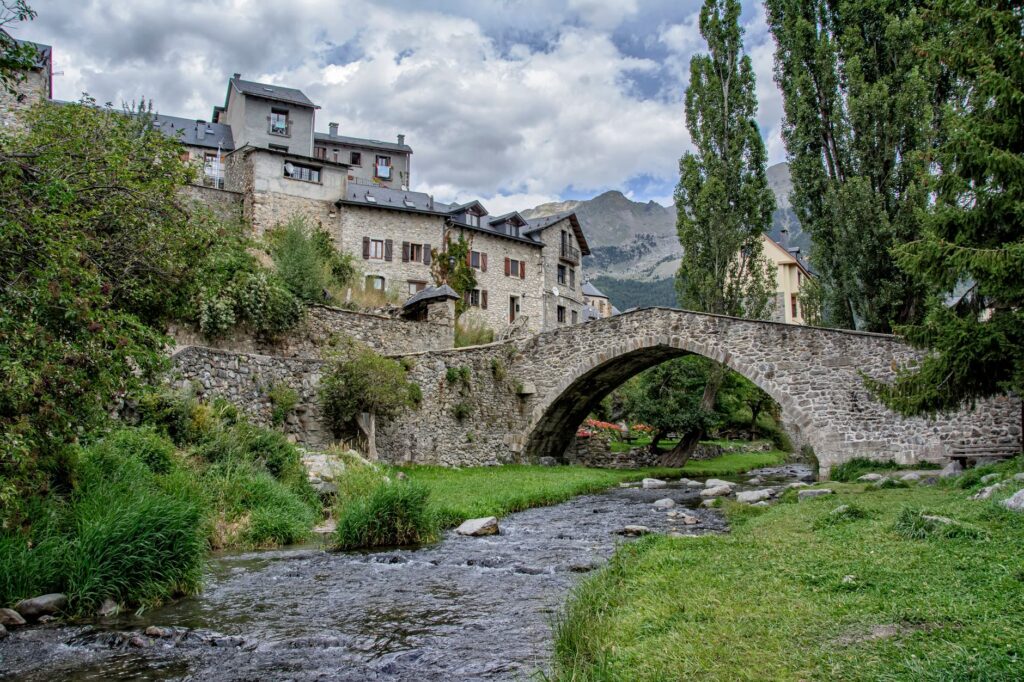
The territory stands out not only for its natural values, but also for the traces that human beings have left over the centuries. Ancient muleteer paths, bridges of medieval origin, and remains of Roman mining operations trace the route through the municipalities that make up the park’s scope, such as Rubiá.

These historical routes connected the Castilian plateaus with the Galician estuaries, channeling the exchange of goods such as wine, salt, and cereals. Walking along these paths allows one to understand the harshness of traditional life in an environment of such extreme topography.
Popular architecture of slate and lime
The rural population centers surrounding the park maintain a very characteristic vernacular architecture. The houses, built with limestone masonry and slate roofs, integrate mimetically into the natural environment.
Elements like communal ovens, haylofts, and ancient chestnut dryers reflect a subsistence economy perfectly adapted to the resources of the environment, where every natural element was utilized to the maximum.
Conservation and challenges against climate change
Managing an environment as fragile as Enciña da Lastra presents complex challenges. High summer temperatures and scarce rainfall alarmingly increase the risk of forest fires, a constant threat to the holm oak forests and protected fauna.
Local administrations and conservation teams work on active prevention plans and on raising awareness among visitors and residents. The protection of this enclave not only preserves a unique ecosystem, but also a climatic archive that helps understand the evolution of Mediterranean vegetation in the northwest of the peninsula.
Sustainable tourism as a tool for the future
The rise of ecotourism represents an economic opportunity for the rural municipalities of Valdeorras, provided it is channeled under strict sustainability criteria. The habilitation of marked trails and panoramic viewpoints allows visitors to enjoy the landscape without altering sensitive habitats.
Local operators are committed to a model of respectful visitors who value tranquility, nature observation, and the consumption of local products, moving away from the tourist overcrowding of other points in Spanish geography.
Practical guide
How to get there: The main access to the Enciña da Lastra Natural Park is from the Ourense town of Rubiá, connected by the N-120 road linking Ponferrada and Ourense. The nearest train station with medium-distance connections is located in O Barco de Valdeorras.
When to go: Spring and autumn are the most recommended seasons to visit the park, thanks to mild temperatures that allow hiking routes without the extreme heat of the summer months.

What to bring: Proper mountain footwear for rocky terrain, sun protection, abundant water, and binoculars for bird watching on the cliffs of the Sil.
Accommodation and gastronomy: O Barco de Valdeorras and surrounding villages offer rural houses and charming small hotels. It is essential to taste the wines with the Valdeorras designation of origin accompanied by local empanadas and game meats.
Silence and memory in the Ourense confines
As evening falls, when the last rays of sun strike the limestone walls of the Sil canyon, Enciña da Lastra acquires an almost metaphysical dimension. The silence of the valley is only broken by the murmur of water and the distant flight of raptors returning to their nests on the cliffs.
This forgotten corner of Galicia, where the Mediterranean south stealthily embraces the Cantabrian mountain range, endures as a reminder of the immense diversity hidden within the Iberian Peninsula. Visiting it is an exercise in discovery and respect for a landscape that refuses to fit into preconceived maps.
Source in EN: El País – El Viajero